Tag: hurricane forecasts

AOML Supports the Deployment of Drifting Buoys Ahead of Tropical Storm Isaias

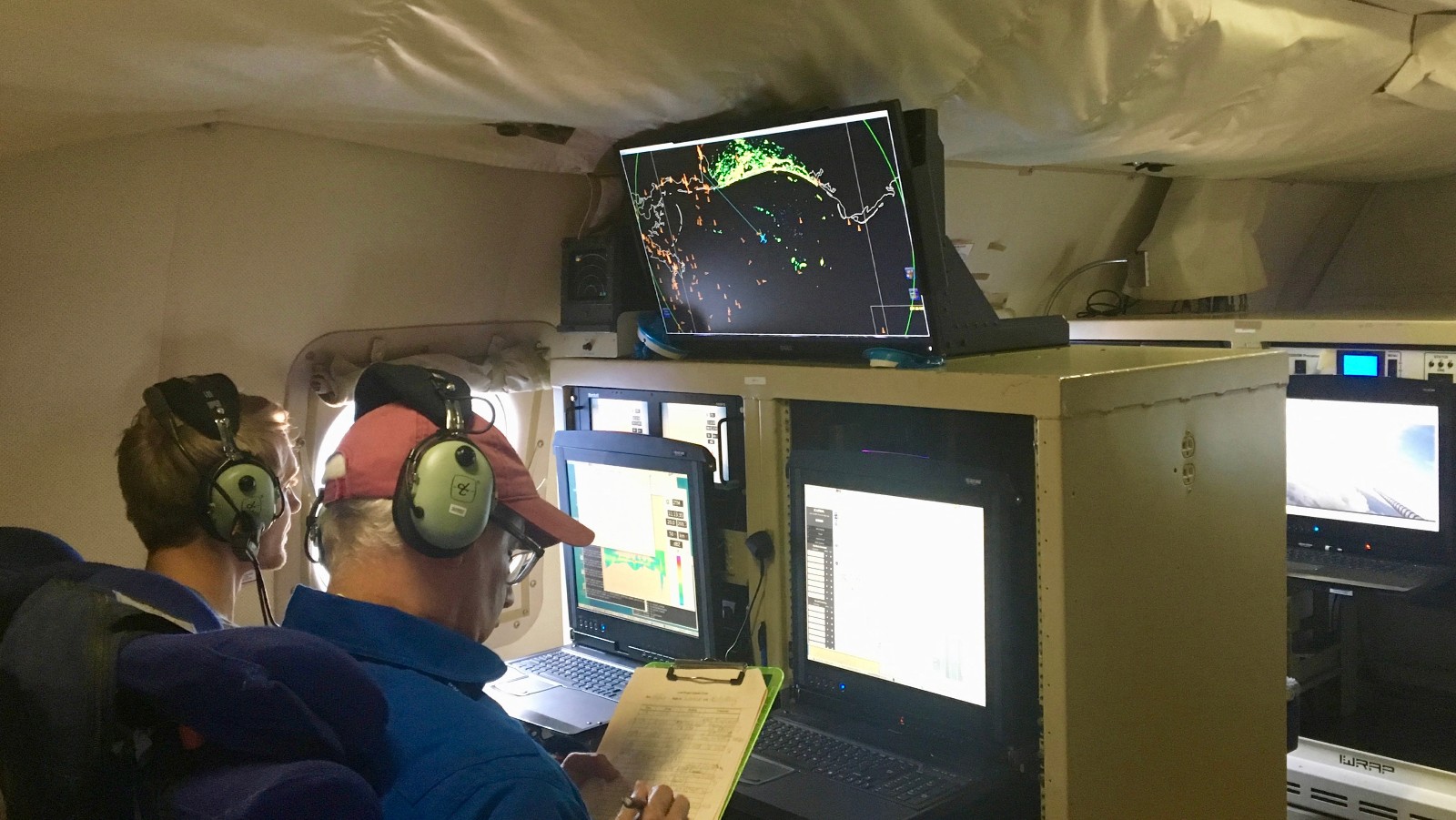
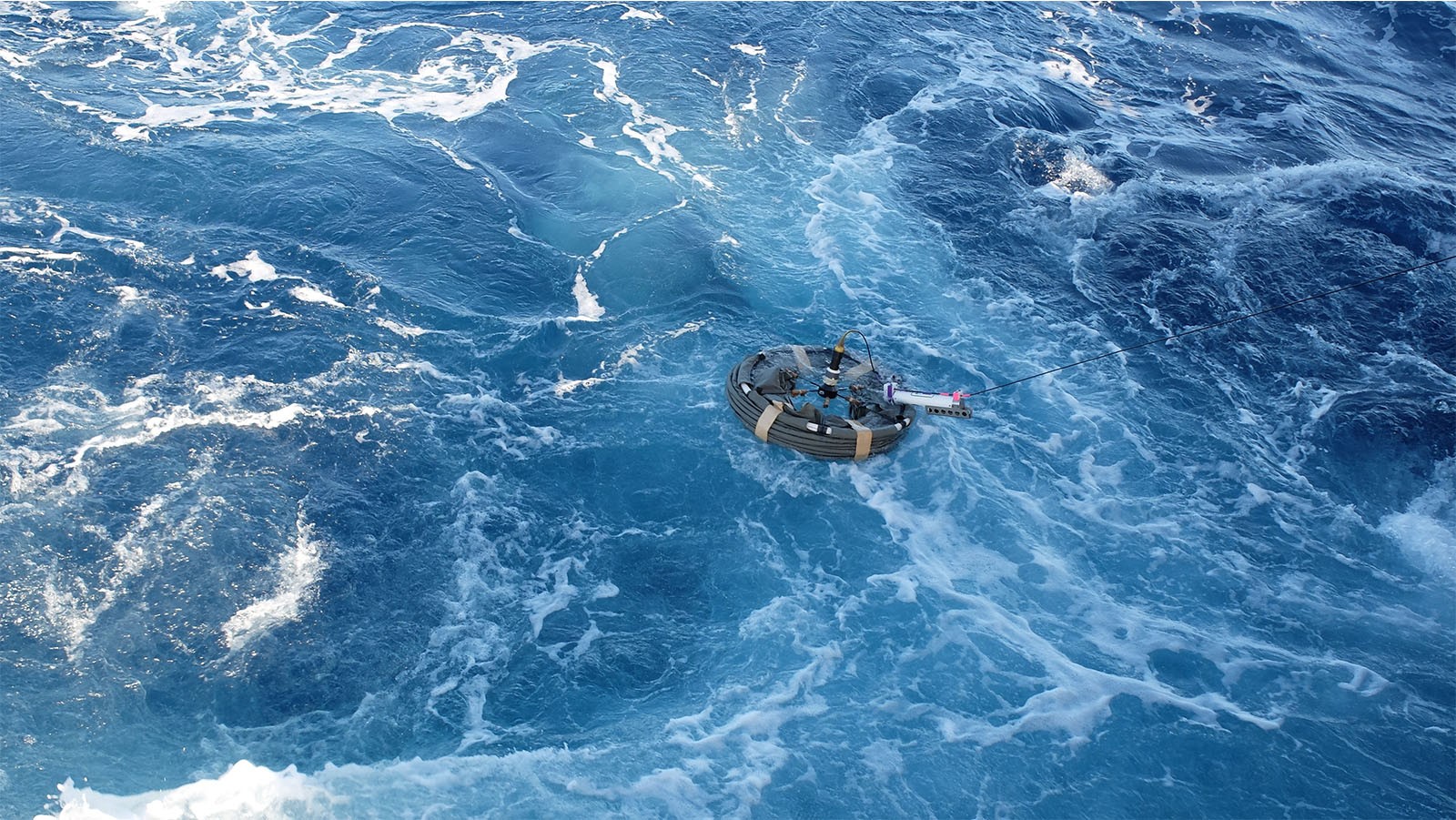
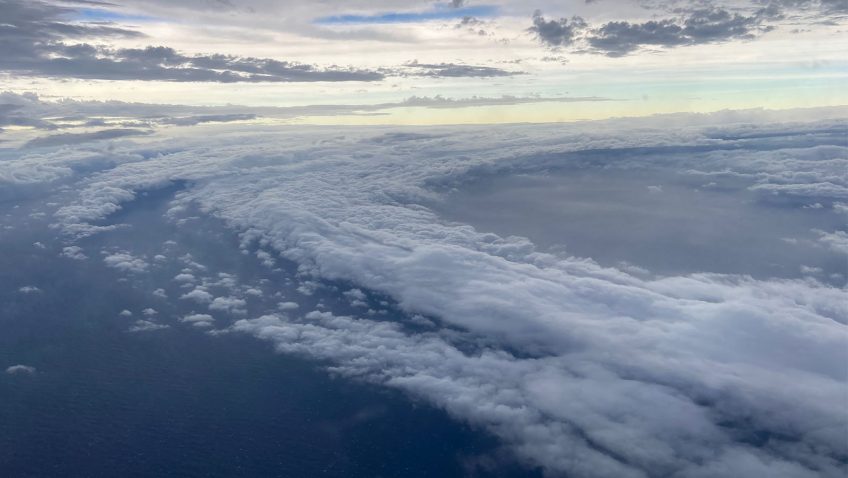
AOML scientists partnered with the U.S. Air Force 53rd Reconnaissance Squadron “Hurricane Hunters” to deploy eight drifting buoys in advance of Tropical Storm Isaias on August 3, 2020 off the Carolina coast, in collaboration with the National Weather Service (NWS), National Hurricane Center (NHC), and Scripps Institution of Oceanography.

Read Full Article

NOAA Hurricane Model Performance is Evaluated for the First Time in Predicting Rainfall from 2017 Hurricane Harvey

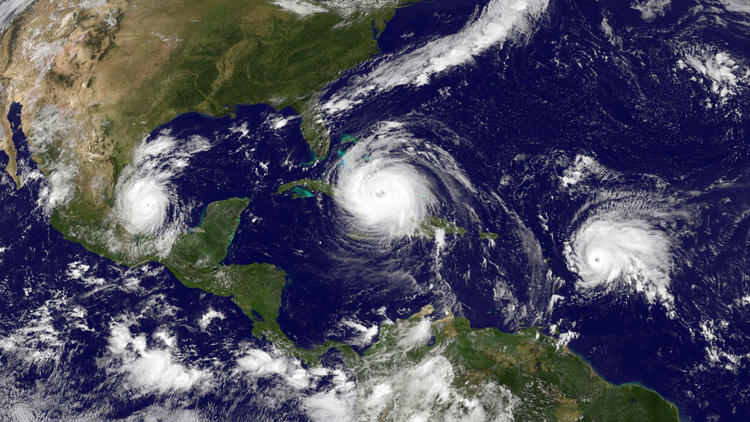
A recent study published in the journal Atmosphere evaluated for the first time, how well NOAA’s regional hurricane model was able to forecast the location and amount of devastating rainfall in 2017’s Hurricane Harvey. The Hurricane Weather Research and Forecasting (HWRF) model predicted the realistic total rainfall and the location of the maximum rainfall of Hurricane Harvey, which were the most devastating impacts of the storm’s landfall in coastal Texas.

Read Full Article

Modeling Michael: Using NOAA’s HFV3 to predict rapid intensification in Hurricane Michael

In a recently published study, AOML hurricane researchers used multiple computer model forecasts to gain a better understanding of how Hurricane Michael, which made landfall in the panhandle of Florida with winds up to 162 mph, rapidly intensified despite strong upper-level wind shear which usually weakens hurricanes. By contrasting two sets of forecasts, the study found that Michael only rapidly intensified when rainfall completely surrounded Michael’s center, and when the eye of the storm itself was located in nearly the same place at different heights.

Read Full Article

HWRF Model Leads the Pack in Performance for 2017 Atlantic Hurricane Season

Over the past 20 years, improvements in hurricane computer modeling, observational instrumentation, and forecaster training have greatly increased forecast accuracy. The many complex interactions that occur within the atmosphere remain to be fully understood, especially at the small scales associated with tropical cyclones. However, these milestones mark critical advances in numerical weather prediction that are paving the way to the next generation of NOAA models. While hurricanes cannot be controlled, vulnerability to these complex storms can be reduced through preparedness. Early warning and improved accuracy of forecasts can help save lives and reduce property damages caused by hurricanes.

Read Full Article

New and Improved Tools Aim to Enhance Hurricane Forecast Capabilities

AOML is currently in the midst of a multi-year effort called the Intensity Forecasting Experiment (IFEX). IFEX aims to improve the understanding and prediction of intensity change by collecting observations from all stages of a tropical cyclone life cycle—genesis to decay—to enhance current observational models. By building on years of observational expertise and cutting-edge approaches to data integration and model development, hurricane scientists at AOML lead advancements in observations and modeling that have improved intensity forecasts by 20% in recent years.

Read Full Article