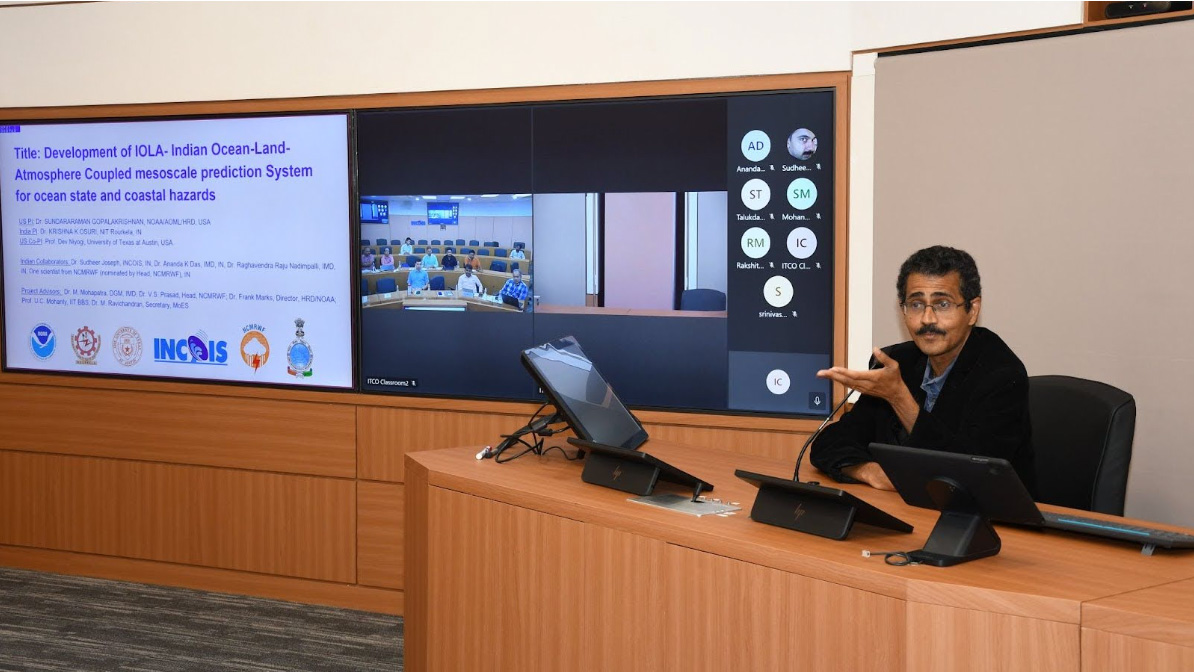
NOAA and India team up to create life-saving tropical cyclone forecast model for nation of a billion
A 12-year collaboration between NOAA’s Atlantic Oceanographic and Meteorological Laboratory (AOML) and the Indian Ministry of Earth Sciences (MoES) has culminated in a renewal of an Implementing Arrangement (IA) on Technical Cooperation in Development of Tropical Cyclone Numerical Weather Prediction System for the Indian Seas, which paves the way for advances in severe weather modeling. […]
Hurricane Model that Follows Multiple Storms Improves Intensity Forecasts
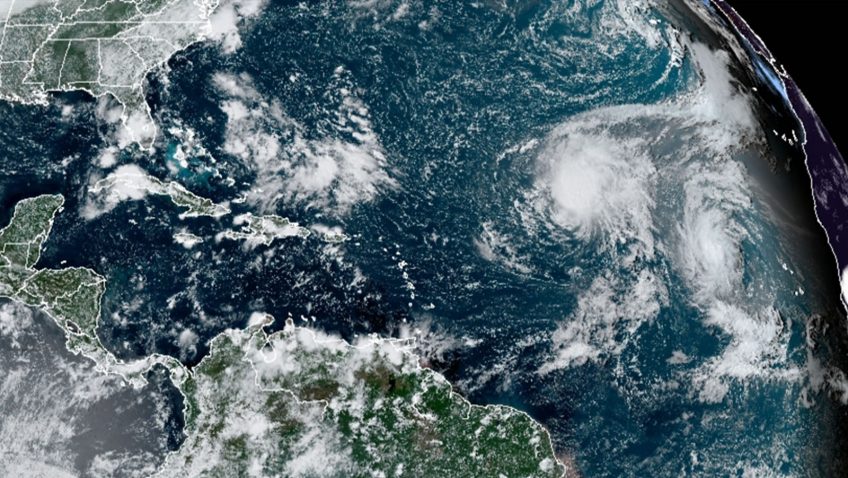
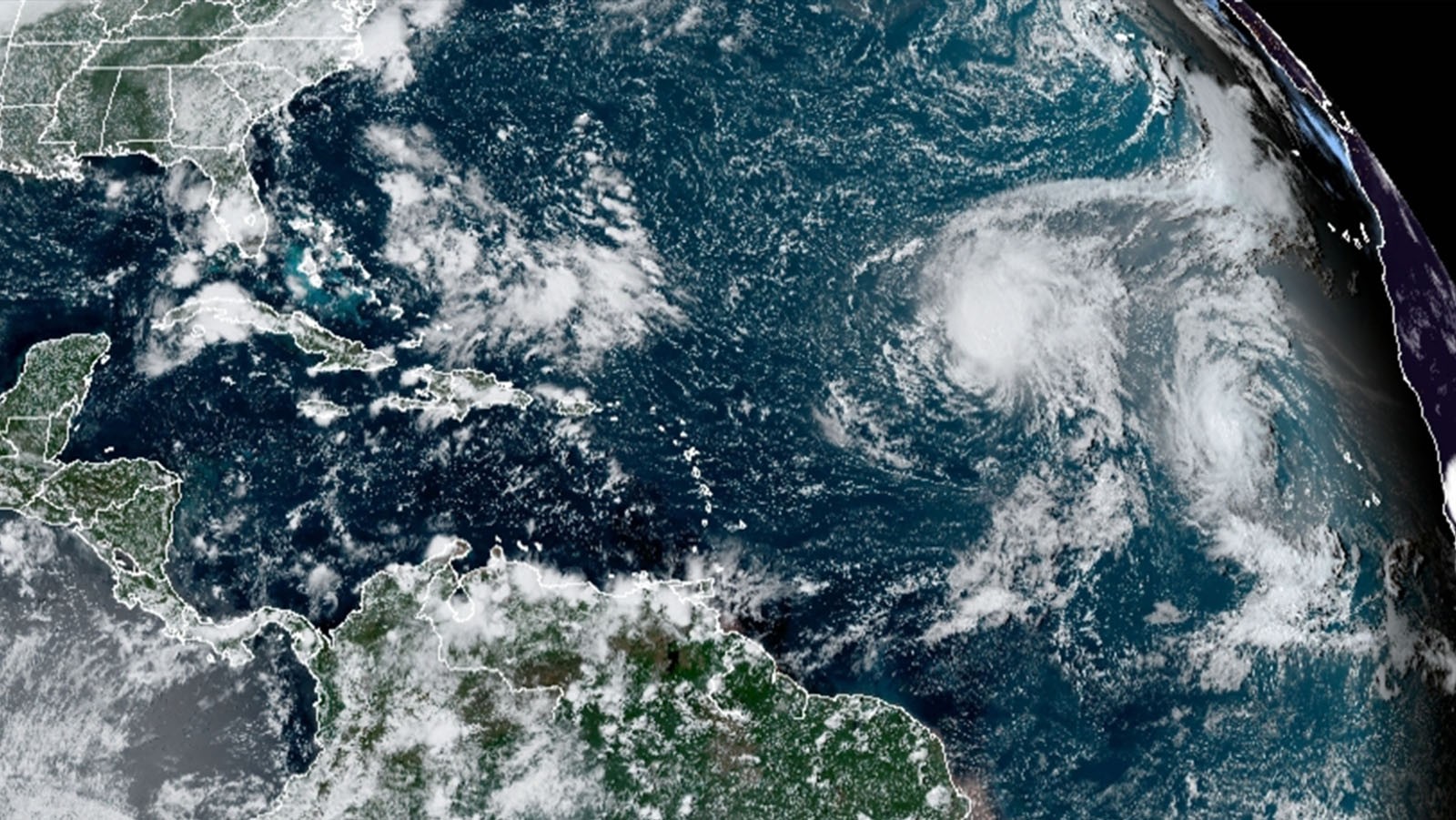
Warning the public of the damaging winds in tropical cyclones is critical for safeguarding communities in harm’s way. A new study by hurricane scientists at AOML is the first to quantify the value added to tropical cyclone intensity forecasts by storm-following nests. The research, published in the Bulletin of the American Meteorological Society, demonstrates that storm-following nests applied to multiple hurricanes in the same forecast cycle can improve intensity predictions by as much as 30%.
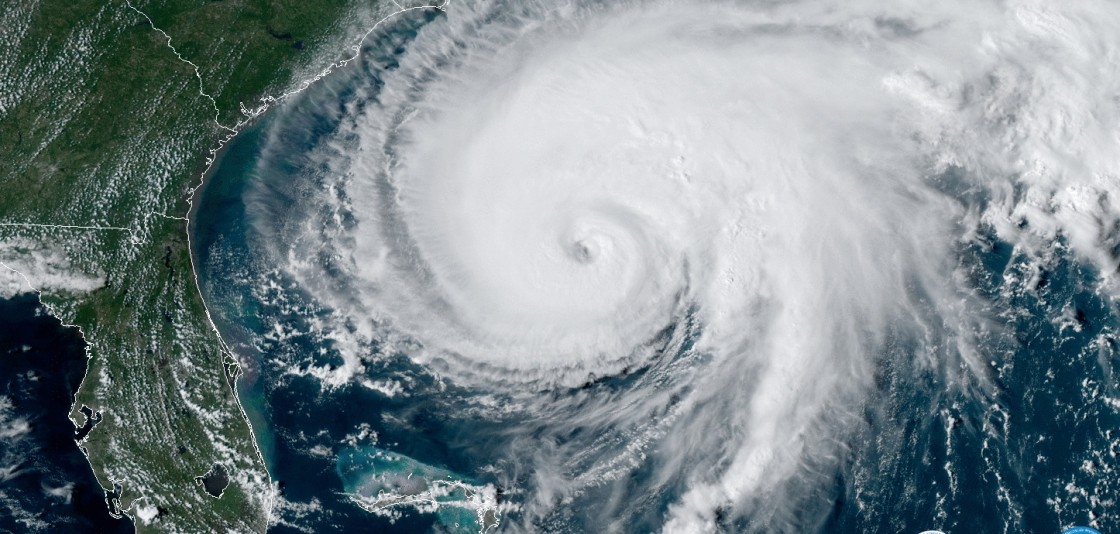
AOML Hurricane Scientists Facilitate Leap in Hurricane Modeling and Prediction Systems
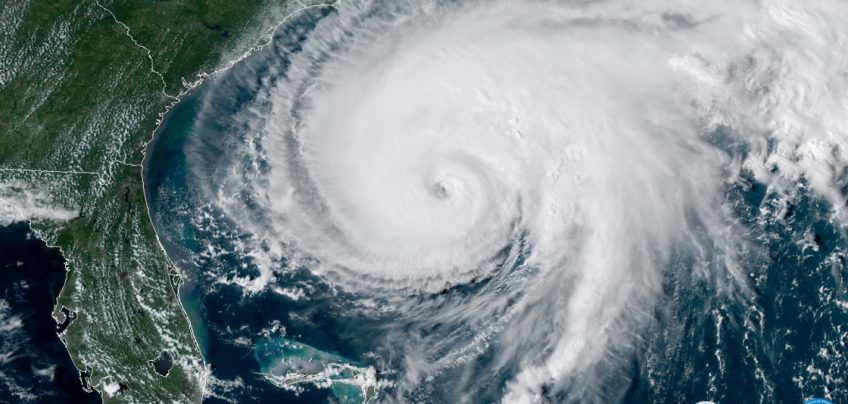
Hurricane scientists at NOAA’s Atlantic Oceanographic and Meteorological Laboratory have created a new, advanced moving nest model within the Unified Forecast System, the bedrock of NOAA’s weather prediction applications . AOML’s Hurricane Modeling and Prediction Team developed the high resolution moving nest model for the FV3 dynamical core, laying the foundation for next generation advancements in hurricane forecasting.
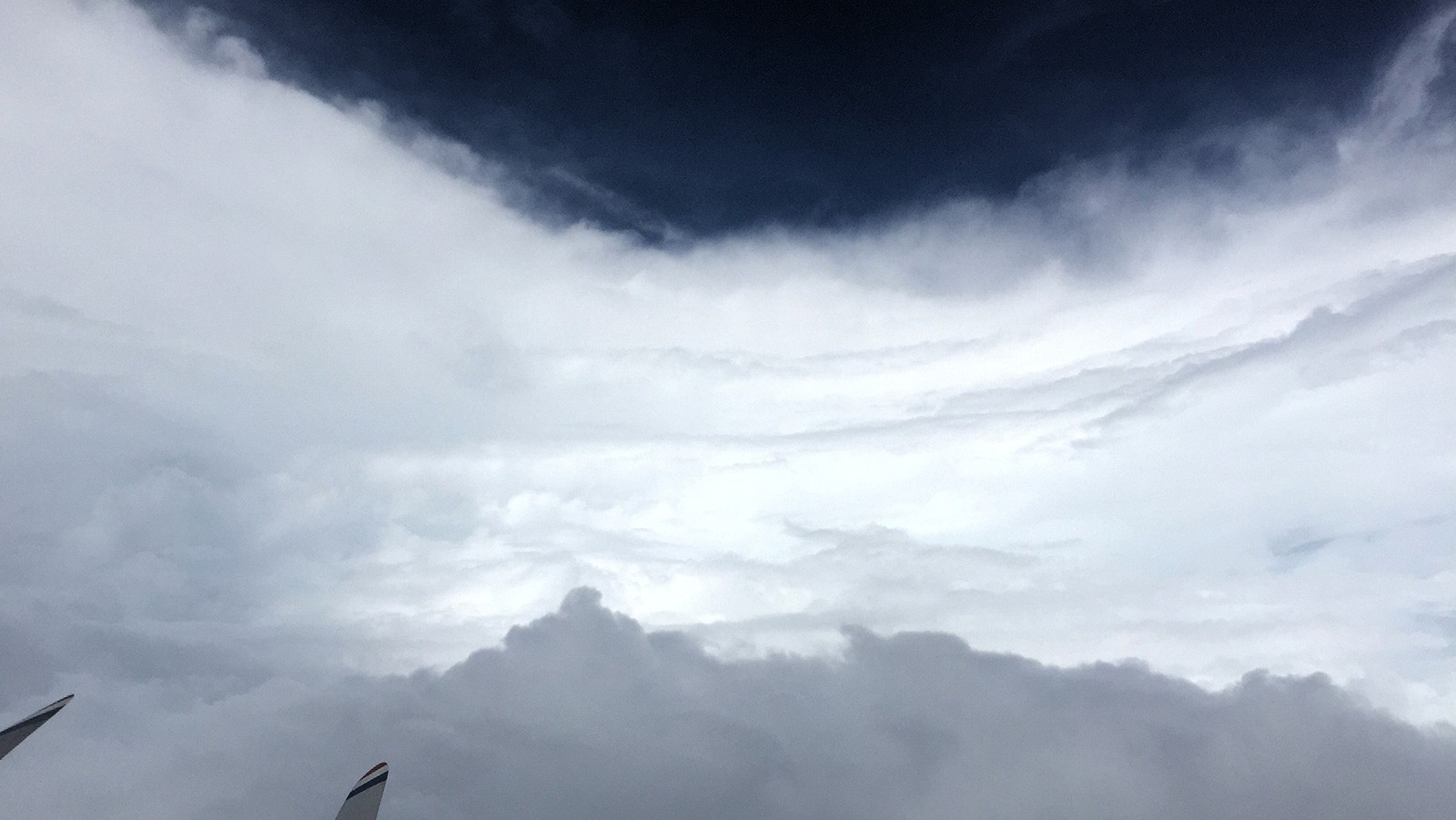
NOAA Hurricane Model Performance is Evaluated for the First Time in Predicting Rainfall from 2017 Hurricane Harvey
A recent study published in the journal Atmosphere evaluated for the first time, how well NOAA’s regional hurricane model was able to forecast the location and amount of devastating rainfall in 2017’s Hurricane Harvey. The Hurricane Weather Research and Forecasting (HWRF) model predicted the realistic total rainfall and the location of the maximum rainfall of Hurricane Harvey, which were the most devastating impacts of the storm’s landfall in coastal Texas.
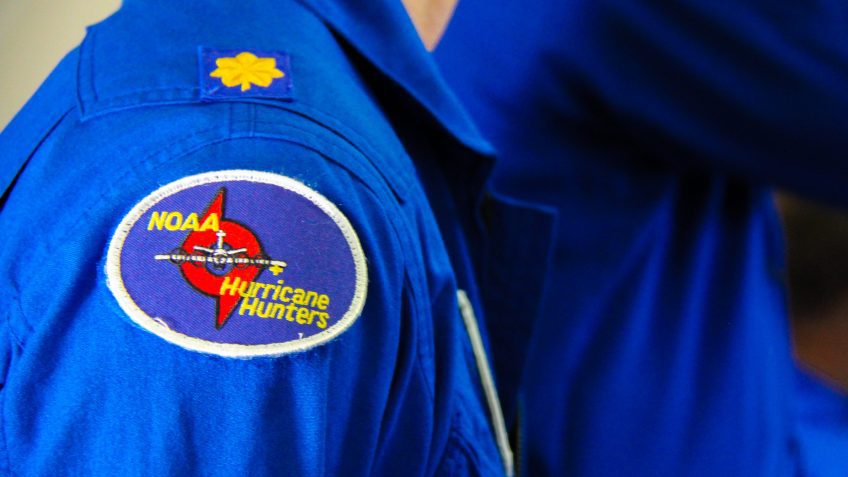
11 Days in Dorian: AOML Hurricane Scientists Gather Data in Catastrophic Category 5 Storm
Catastrophic Hurricane Dorian will be long remembered as one of the Atlantic basin’s most powerful landfalling hurricanes. NOAA Hurricane Hunters measured Dorian’s intensification from a weak tropical storm in the Caribbean to one of the Atlantic’s fiercest hurricanes. The data they gathered were vital to protecting life and property, supporting NOAA’s efforts to warn vulnerable communities of approaching severe weather through accurate forecasts.
Hurricane Modeling and Prediction Program
AOML's Hurricane Modeling & Prediction Program Creating Next Generation Hurricane Modeling Systems JUMP TO MODEL VIEWER OR SCROLL TO LEARN MORE Who We Are Objectives The primary objective of AOML’s Hurricane Modeling Group is to develop and further advance NOAA hurricane research and forecast modeling systems. The program’s efforts aim to: Develop hurricane research and [...]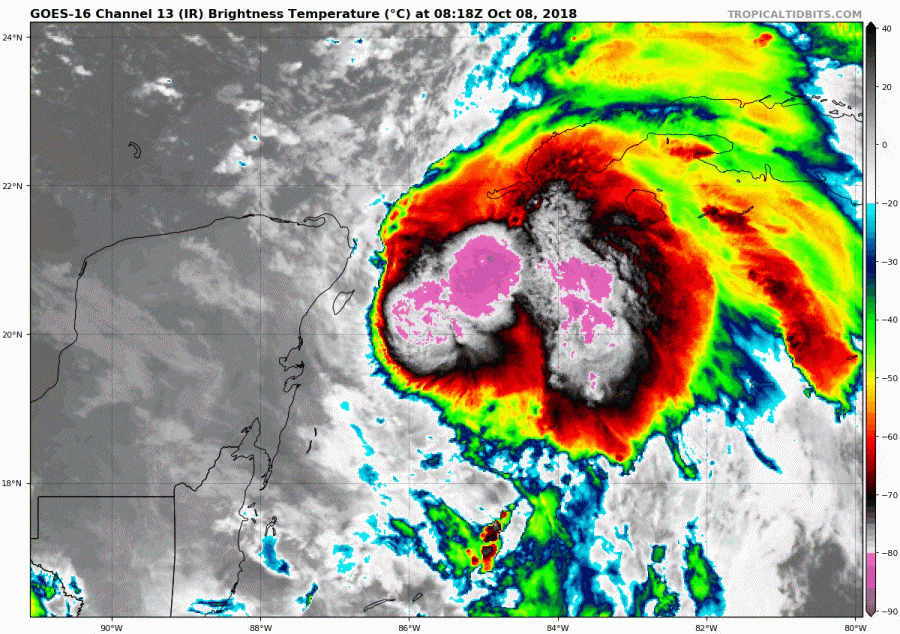
HWRF High-Res Hurricane Model Bridges Research and Operational Communities
AOML drives improvements to hurricane forecasts by leveraging expertise in tropical cyclone observations, research, and modeling. Our numerical weather modeling team uses HWRF to test new technology and advance hurricane prediction through data collection, assimilation, and experimental modeling.
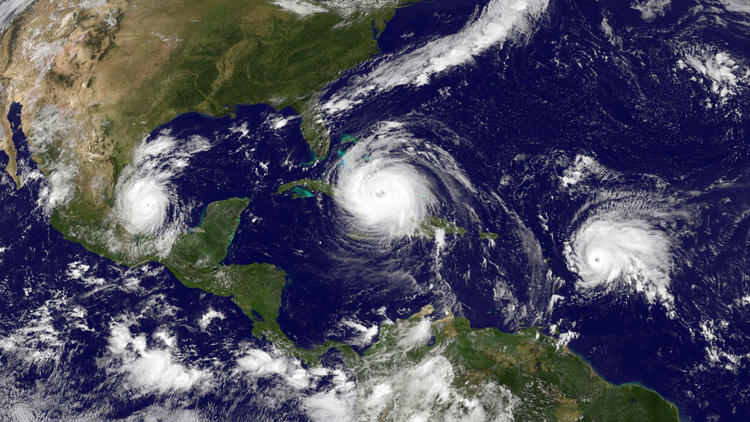
HWRF Model Leads the Pack in Performance for 2017 Atlantic Hurricane Season
Over the past 20 years, improvements in hurricane computer modeling, observational instrumentation, and forecaster training have greatly increased forecast accuracy. The many complex interactions that occur within the atmosphere remain to be fully understood, especially at the small scales associated with tropical cyclones. However, these milestones mark critical advances in numerical weather prediction that are paving the way to the next generation of NOAA models. While hurricanes cannot be controlled, vulnerability to these complex storms can be reduced through preparedness. Early warning and improved accuracy of forecasts can help save lives and reduce property damages caused by hurricanes.
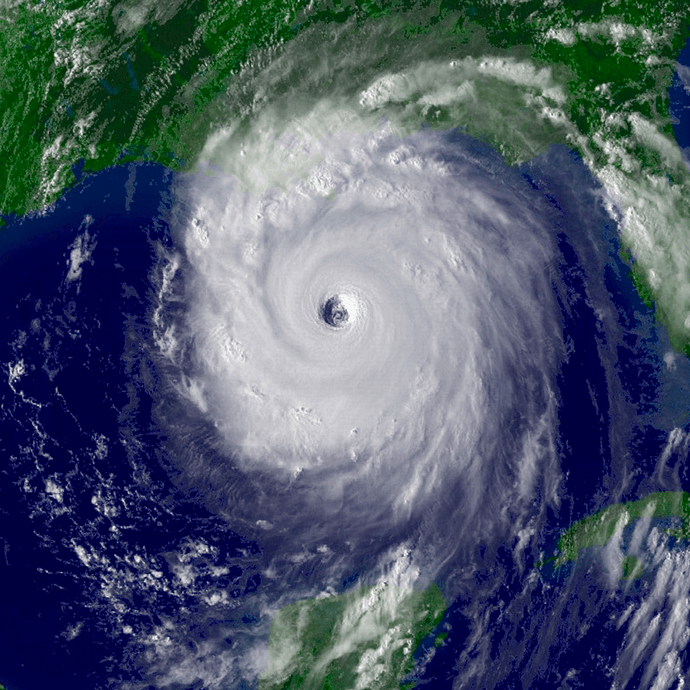
10th Anniversary of Hurricane Katrina
Early on the morning of August 29th, 2005, Hurricane Katrina made landfall on the Louisiana delta region and the Mississippi coast. The storm surge brought enormous damage to the Gulf Coast and, when the levees around New Orleans failed, a great number of fatalities. Coming amidst the very busy 2005 hurricane season, Katrina brought death and destruction not seen in a U.S. land-falling hurricane in decades.