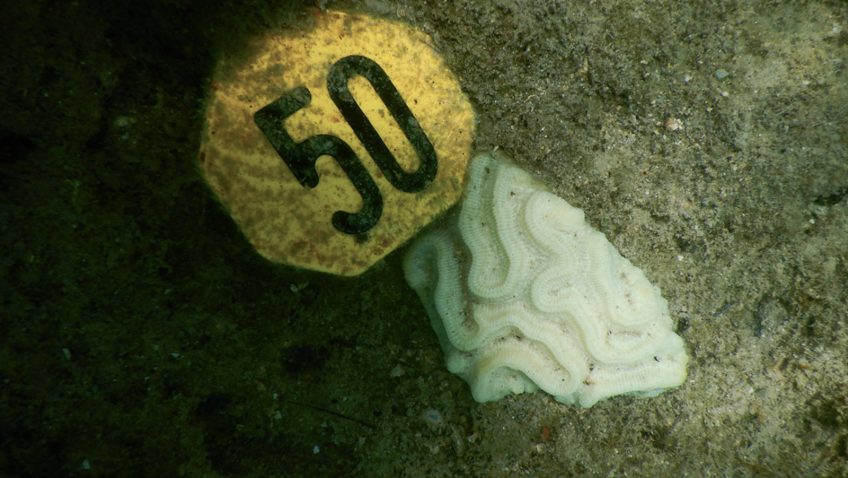
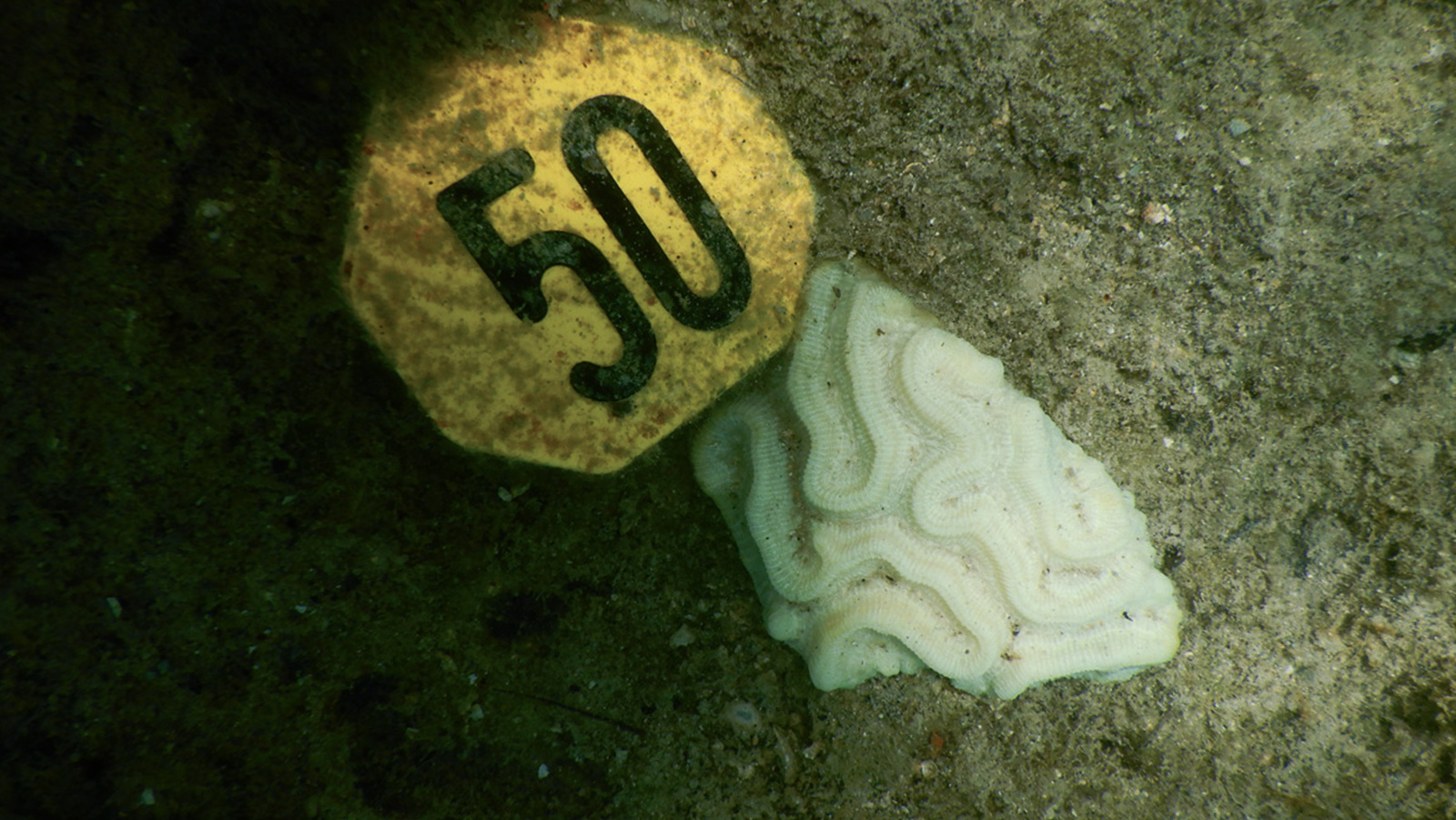
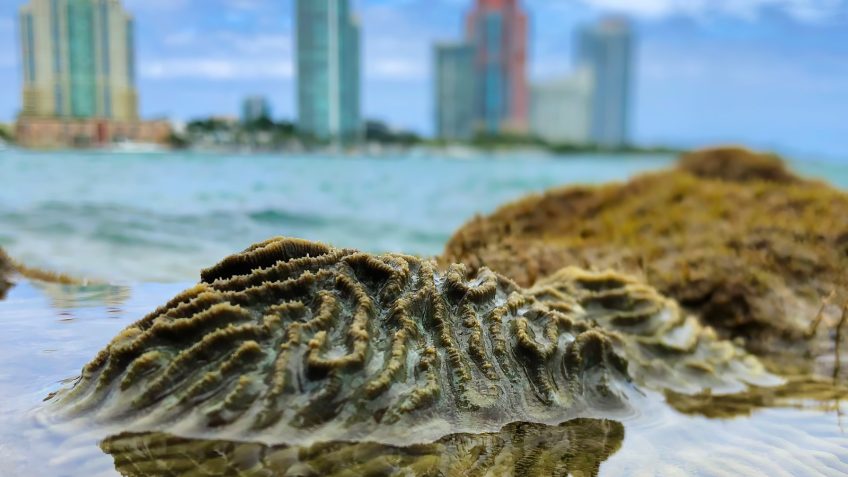
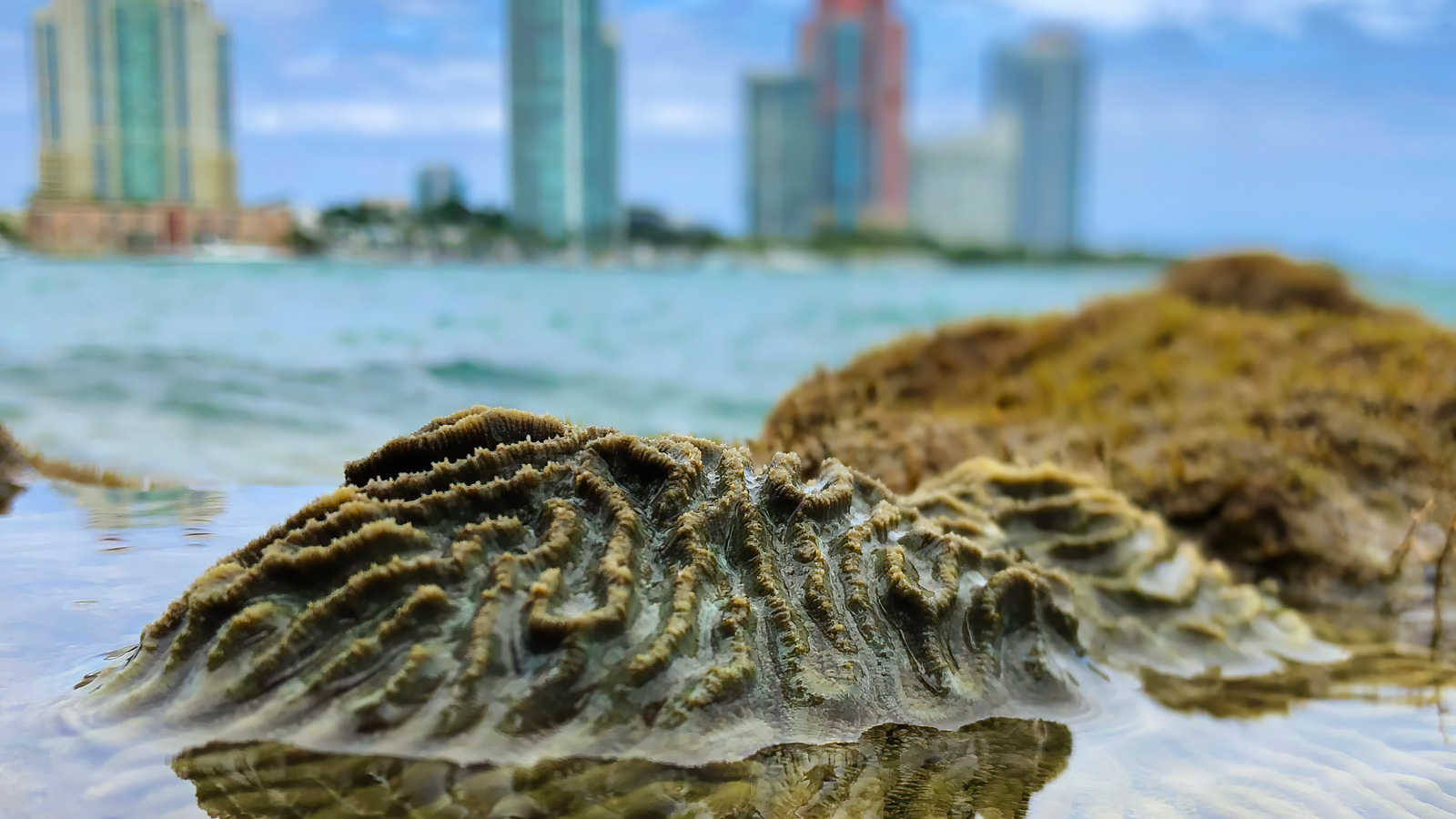
A marine heatwave has spread across the Gulf of America and the Caribbean with temperatures ranging between one and three degrees Celsius (~2-4.5˚F) above average. Ocean temperatures around south Florida are the warmest on record for the month of July (dating back to 1981). Marine heatwaves are not unprecedented, but their influence on tropical storm development and coral reef health, as well as the persistence of the current heatwave, are among the causes for concern.
Read Full Article
Research Highlights December 6, 20232023 Global Carbon Budget Report Emphasizes Urgent Need to Reduce Global EmissionsMay 3, 2021AOML Scientist Contributes to New UNESCO Report on Ocean CarbonJanuary 6, 2021AOML Contributes to Global Carbon Budget 2020 Denis Pierrot, Ph.D. Oceanographer, Ocean Chemistry and Ecosystems Division 305.361.4441 Denis.Pierrot@noaa.gov 4301 Rickenbacker Causeway Miami, Florida 33149 AboutCurrent Work & [...]
Read Full Article
Threats to Coral Reefs Identifying and Addressing Threats to Reef Communities SCROLL TO LEARN MORE What We Mean by "Threats" Coral reefs face a variety of anthropogenic and environmental stressors from warming ocean temperatures and bleaching events to disease brought on by climate change and increased human activity, leading to degradation, loss of biodiversity, and [...]
Read Full Article
Research Highlights March 28, 2025NOAA cruises set the foundation for restoring crucial Florida ecosystemsFebruary 8, 2021NOAA Celebrates 10 Years of Integrated Ecosystem AssessmentsFebruary 5, 2021Increasing Red Tide Sampling off the West Florida Shelf Research Interests Ecosystem Assessment, Indicator Development and Data Science, Offshore Wind and Renewable Energy Willem Klajbor Senior Research Associate, Ocean Chemistry and [...]
Read Full Article
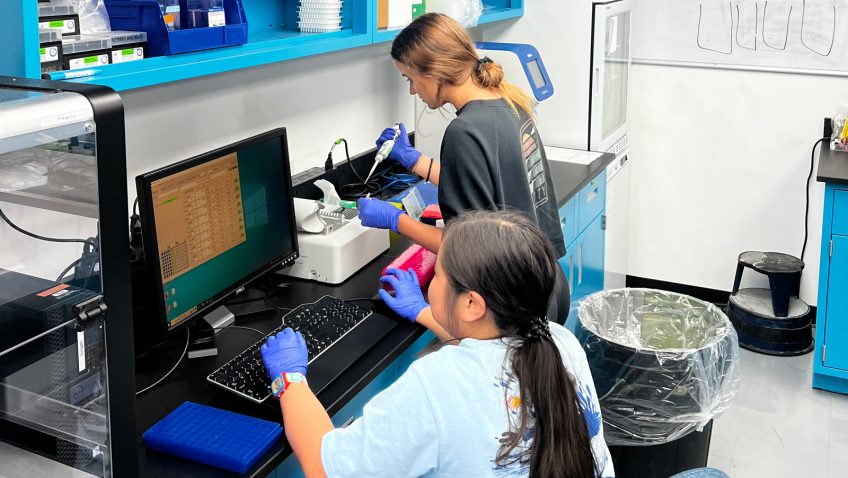
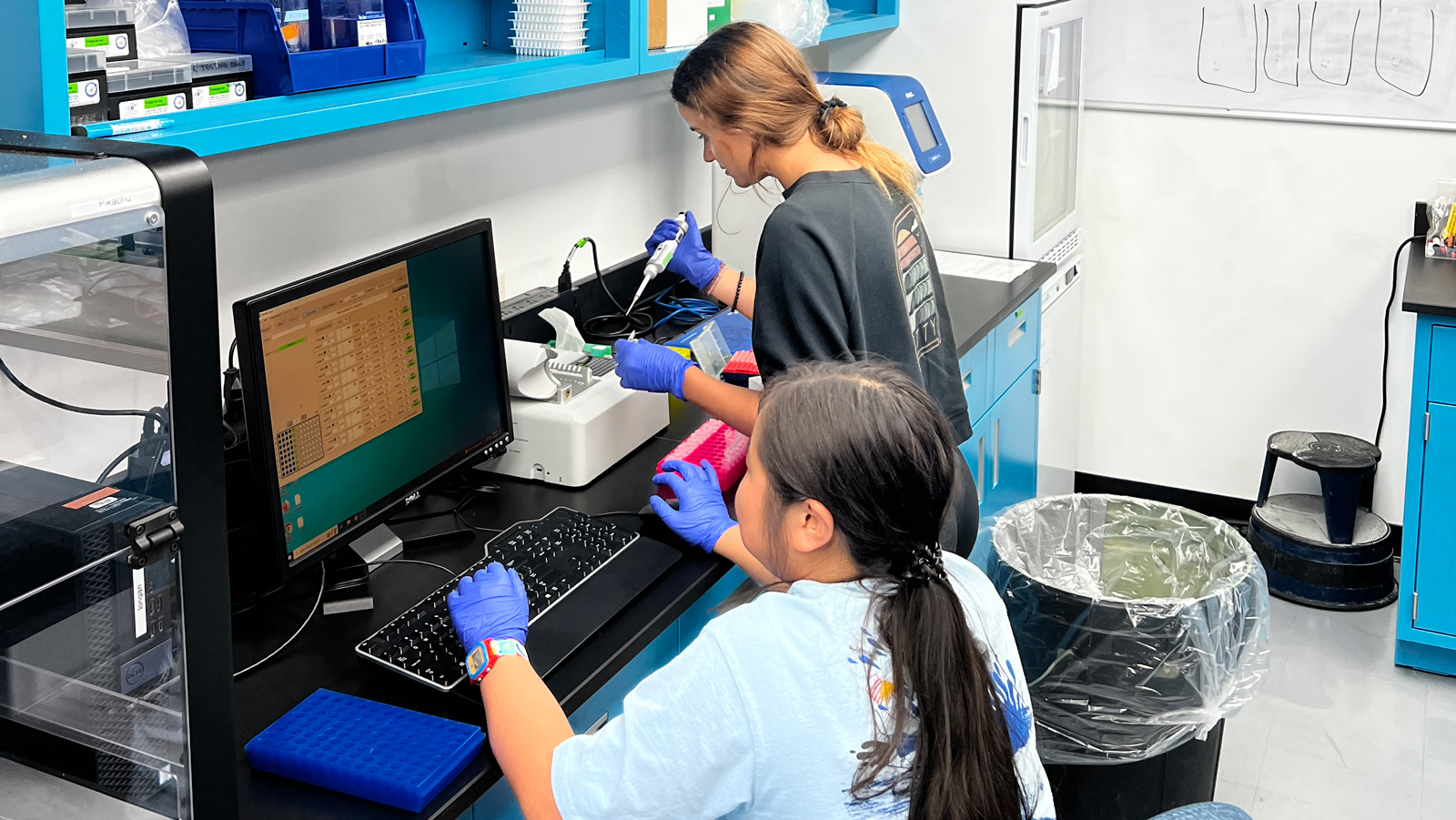
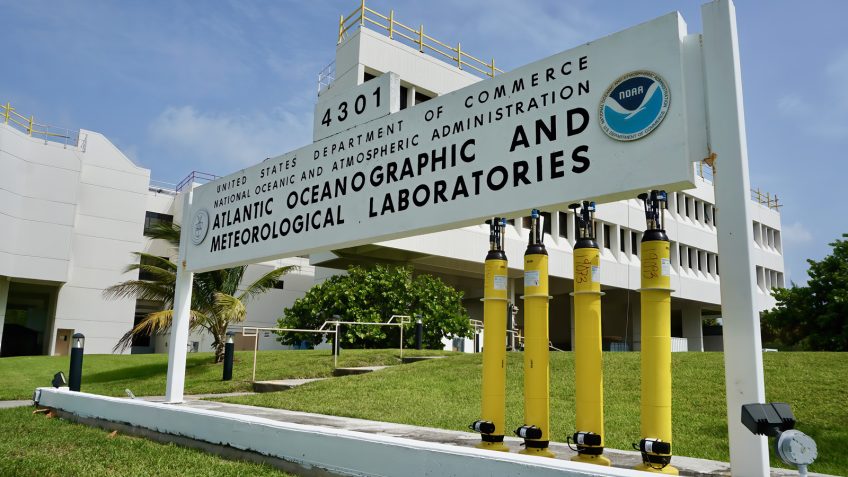
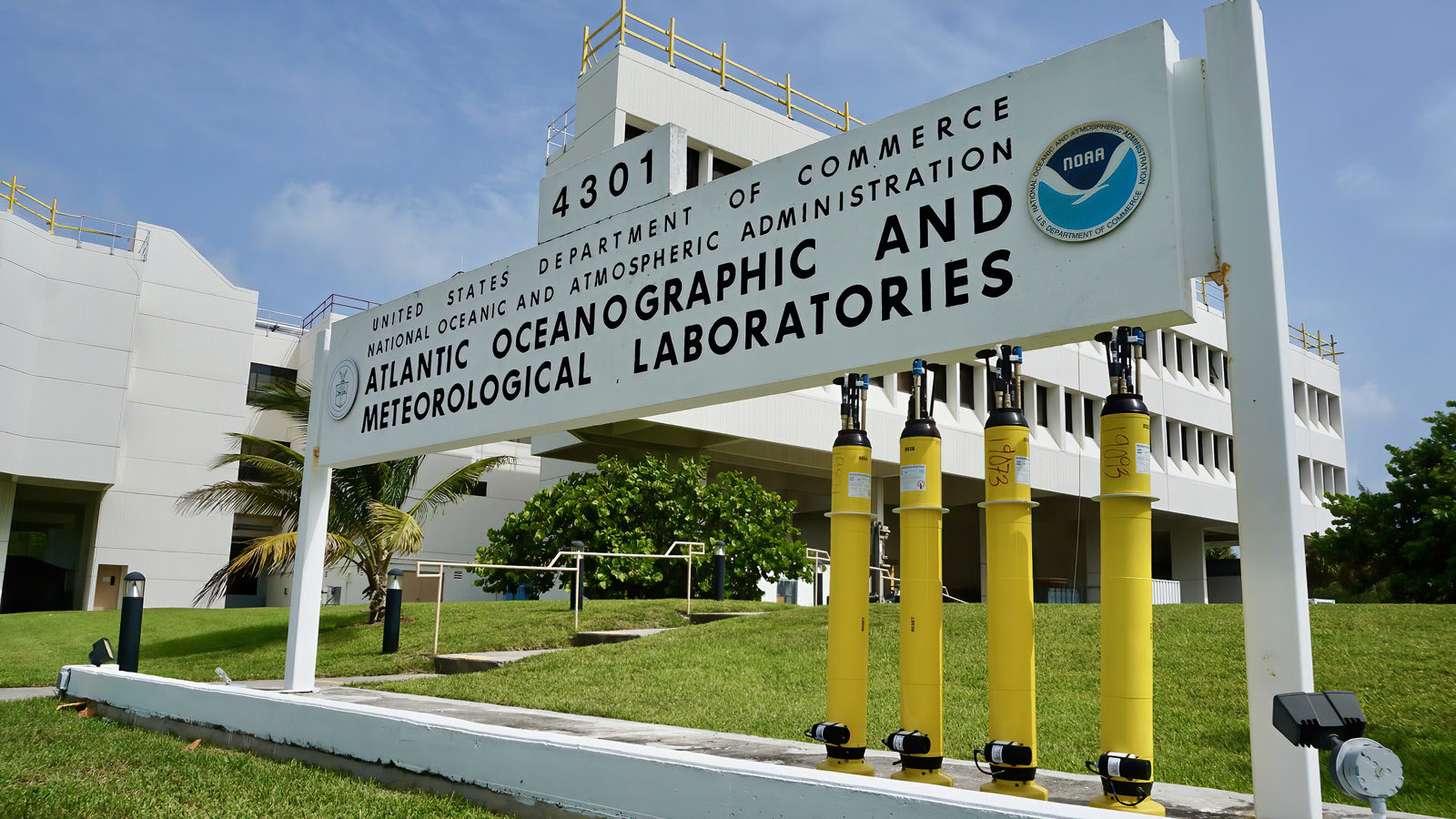
Only a few weeks into summer, Coral Program Interns Lorelei Ing, Taylor Gill, Zachary Zagon and Kenzie Cooke have been hard at work as they process coral samples and perform DNA extractions in preparation for ‘Omics analyses that will help to better understand how the genetic structure of corals influences their resilience to environmental stressors. The Coral Program falls within the Ocean Chemistry and Ecosystems Division (OCED) at NOAA’s Atlantic Oceanographic and Meteorological Laboratory (AOML).
Read Full Article
Robert Bremer Research Associate, Ocean Chemistry and Ecosystems Division 754.273.6774 Robert.Bremer@noaa.gov Robert_Bremer 4301 Rickenbacker Causeway Miami, Florida 33149 AboutCurrent WorkEducationAwardsAbout Robert Bremer joined AOML’s Ocean Chemistry and Ecosystems Division as a University of Miami-Cooperative Institute Research Associate. Robert works with the Molecular and Environmental Microbiology group as a laboratory and field technician. He assists with [...]
Read Full Article
On May 9, a team of scientists aboard the NOAA Ship Ronald H. Brown arrived at their final destination in Reykjavik, Iceland following 55 days at sea. The team of 50 scientists and 28 crew members followed a track through the North Atlantic, from Brazil to Iceland, referred to as the A16N transect, and successfully completed 150 stations, collecting over 3,000 samples from the Atlantic’s surface to the seafloor, giving scientists a holistic snapshot of the Atlantic Ocean basin.
Read Full Article
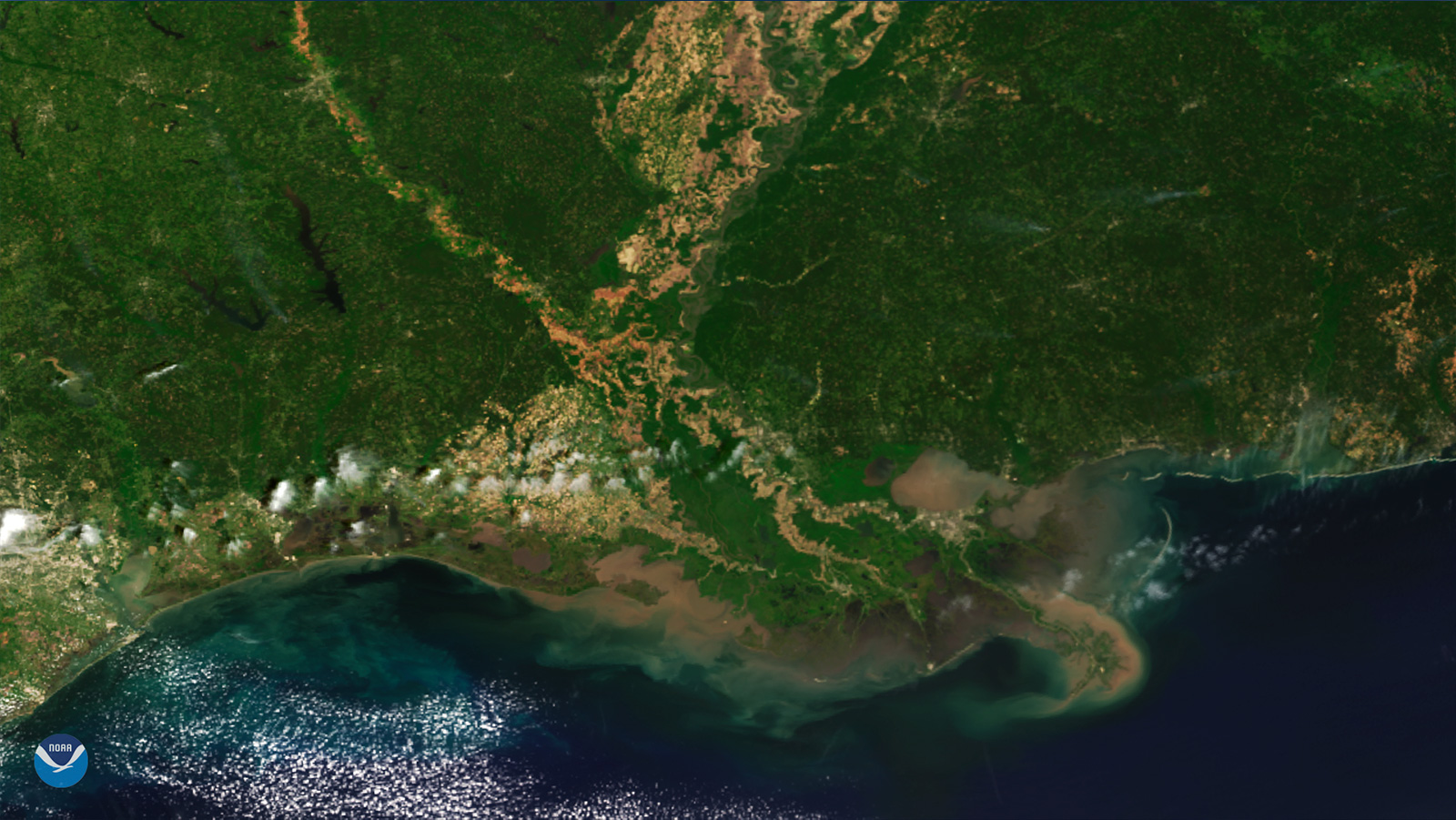
A new river chemistry and discharge dataset for U.S. coasts has been released. A recent publication by scientists at NOAA’s Atlantic Oceanographic and Meteorological Laboratory (AOML), Northern Gulf Institute (NGI), and NOAA’s Geophysical Fluid Dynamics Laboratory (GFDL) provides a river chemistry and discharge dataset for 140 U.S. rivers along the West, East, and Gulf of America coasts, based on historical records from the U.S. Geological Survey (USGS) and the U.S. Army Corps of Engineers. This dataset will be very useful for regional ocean biogeochemical modeling and carbon chemistry studies.
Read Full Article
The Port of Miami is a bustling waterway with large cruise and cargo ships, ferries, fishing vessels, and recreational boats. As it turns out, this waterway is also home to a thriving coral community.
Read Full Article
Biogeochemical-Argo Program Using autonomous floats to observe biogeochemical processes of the ocean SCROLL TO LEARN MORE What We Do AOML’s Biogeochemical-Argo Program is using robotic ocean floats to collect unparalleled observations across the open Gulf of America, a previously under-observed region. The Biogeochemical-Argo floats have a network of sensors that scientists are using to perform [...]
Read Full Article