Coral Bleaching at Cheeca Rocks
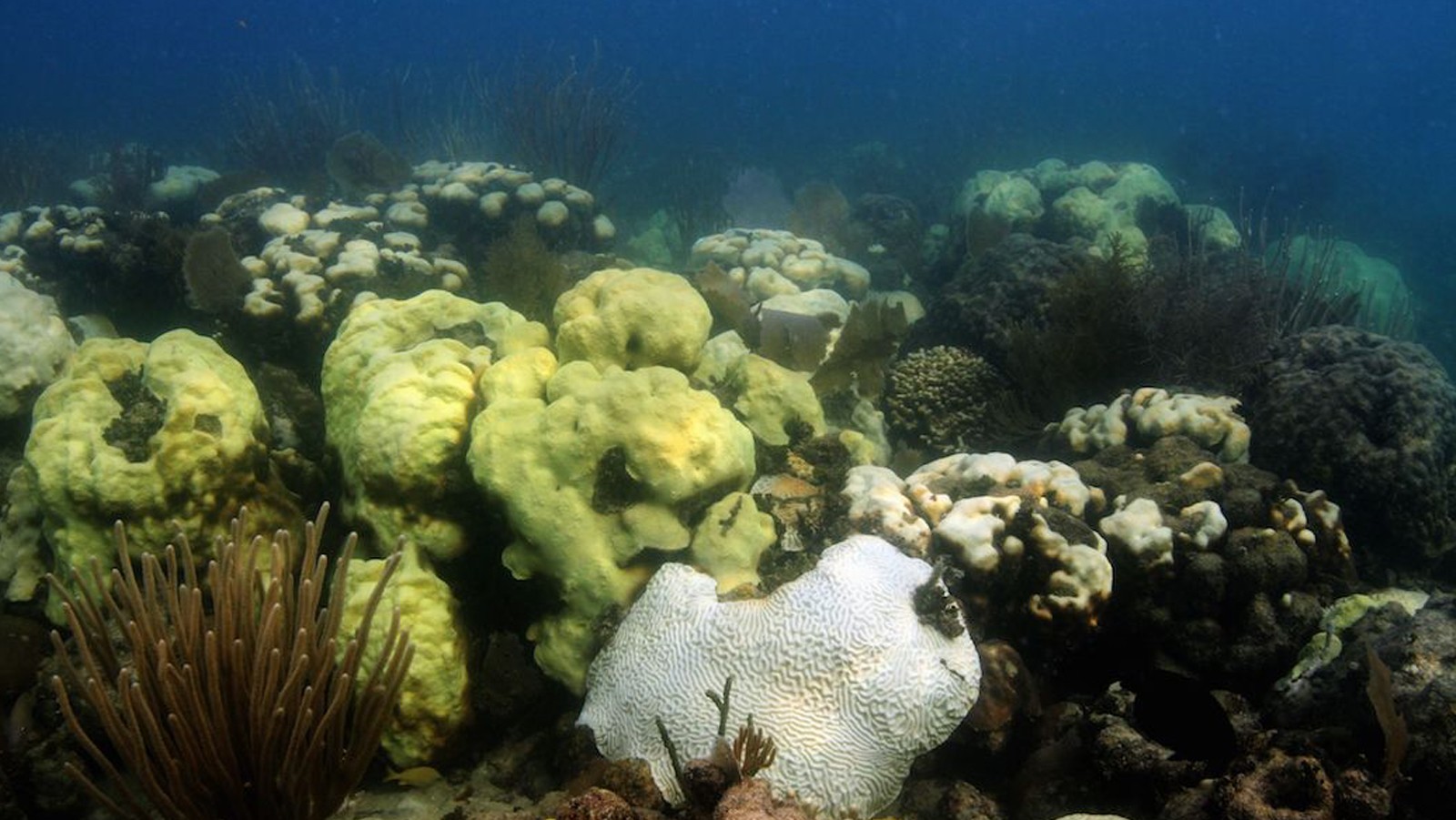
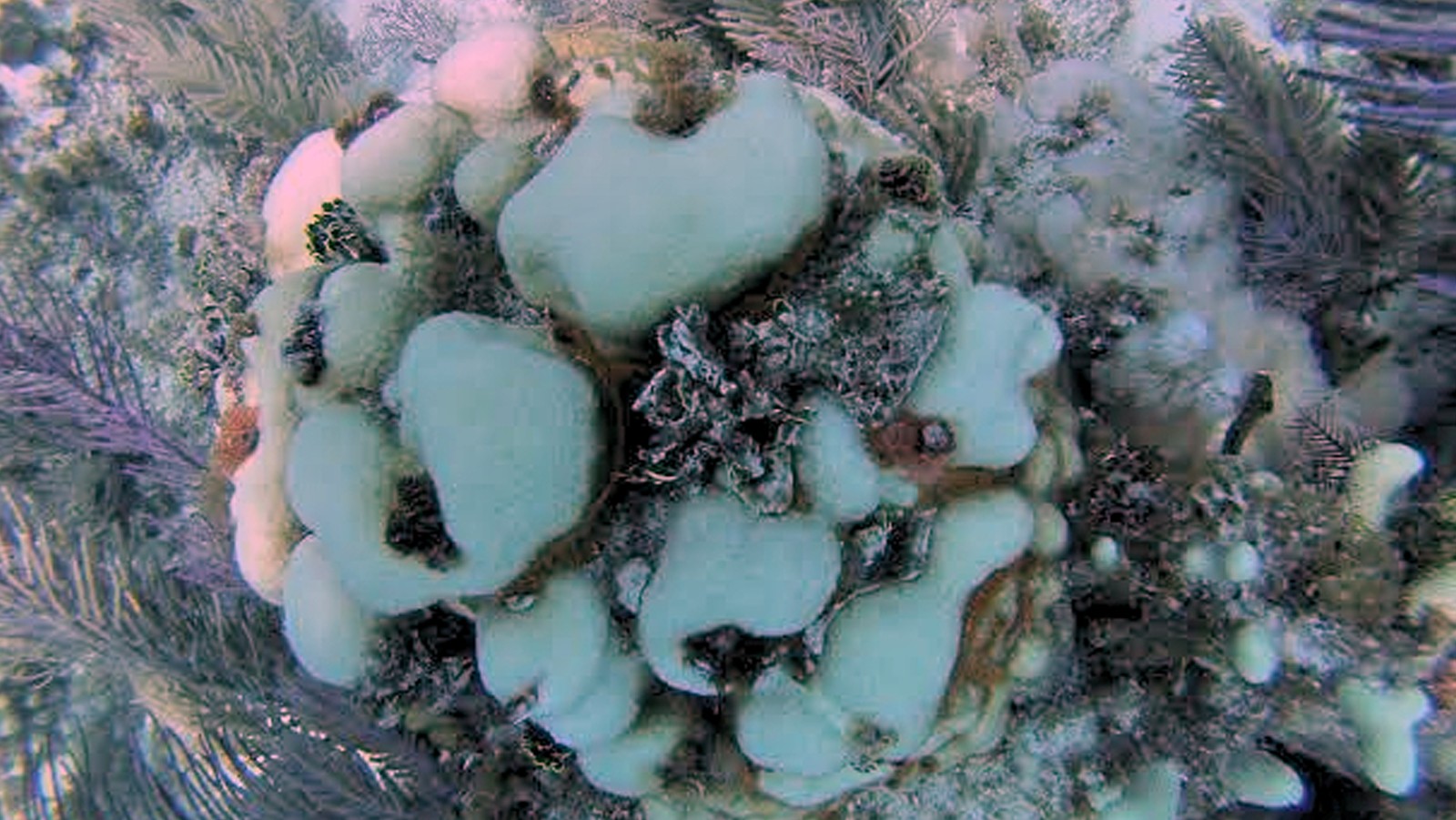
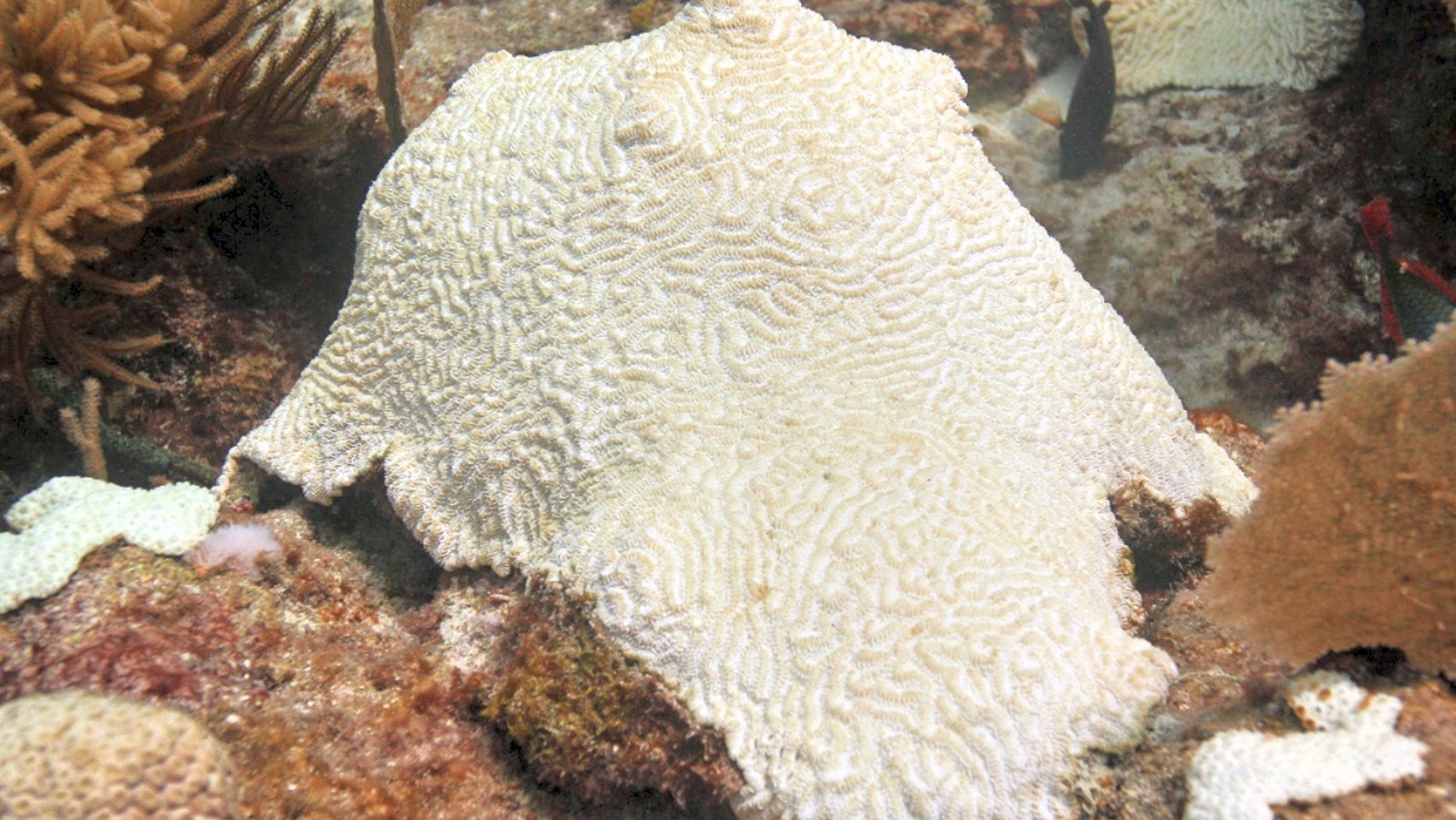
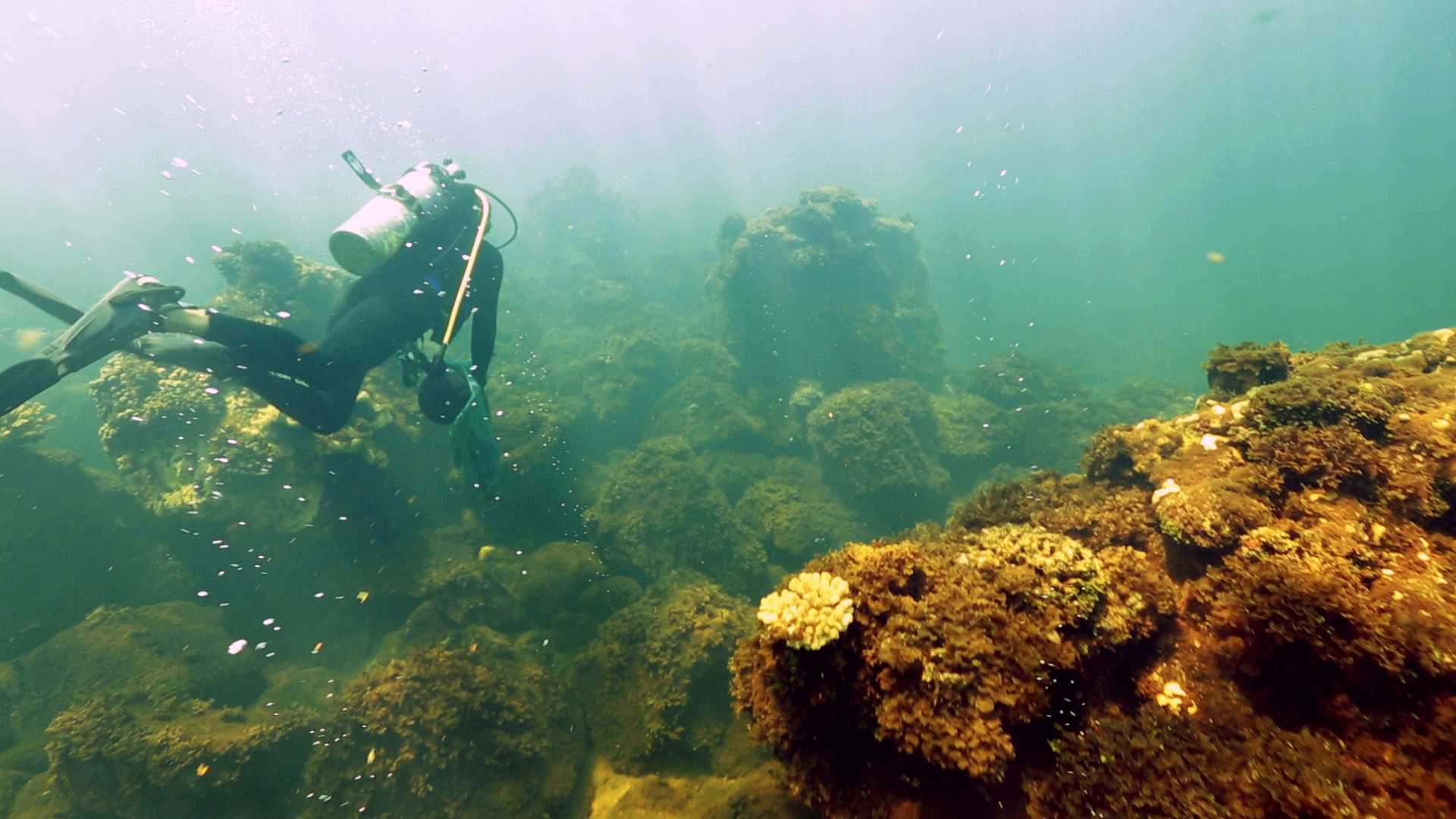
Images of corals taken on September 17, 2014, at Cheeca Rocks, which is in the Florida Keys off of Islamorada.
"
Images of corals taken on September 17, 2014, at Cheeca Rocks, which is in the Florida Keys off of Islamorada.
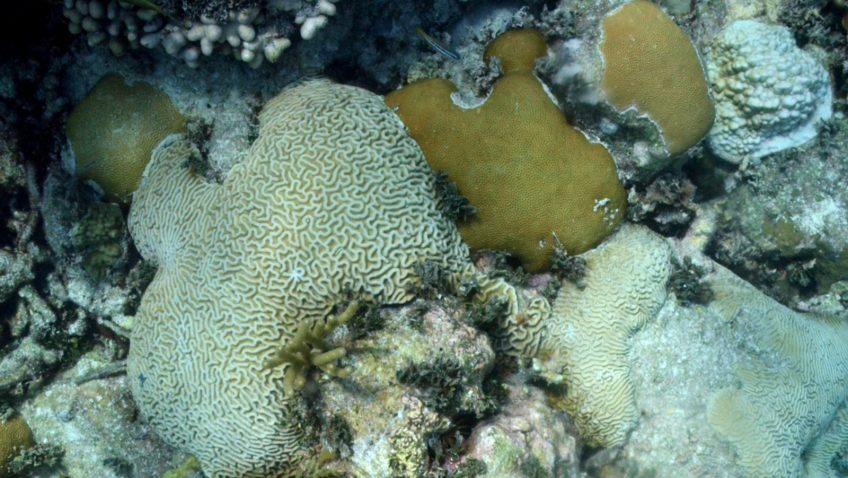
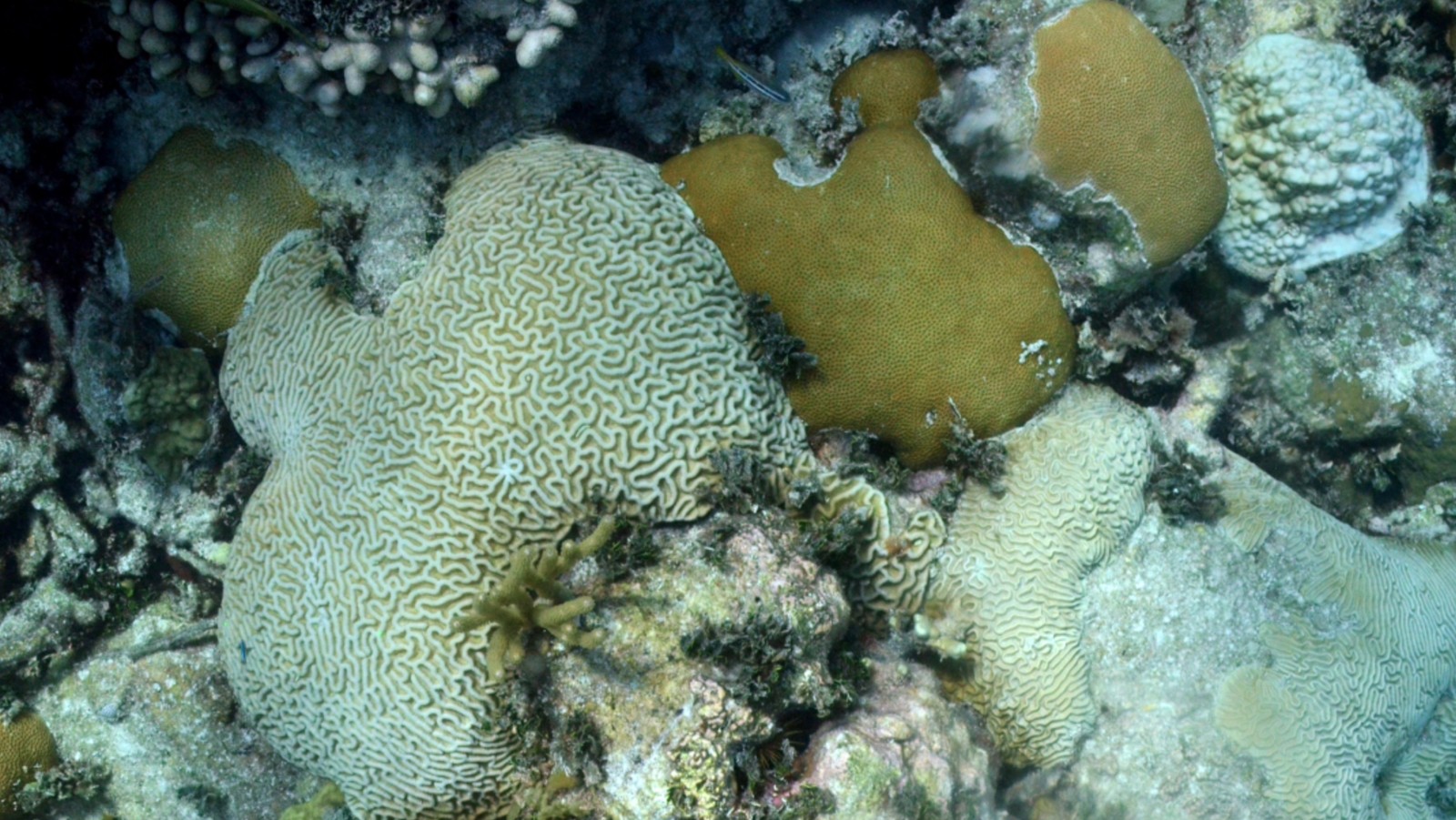
Images of corals taken from Horseshoe Reef and Little Grecian Rocks, in the vicinity of Key Largo, Florida.
2014 was a relatively warm summer in South Florida, and local divers noticed the effects of this sustained weather pattern. Below the ocean surface, corals were bleaching. In the month of August, the Coral Bleaching Early Warning Network, jointly supported by Mote Marine Lab and NOAA’s Florida Keys National Marine Sanctuary, received 34 reports describing paling or partial bleaching and an additional 19 reports indicating significant bleaching. Scientists continue to monitor the impact of this severe bleaching event to determine the extent of coral mortality.
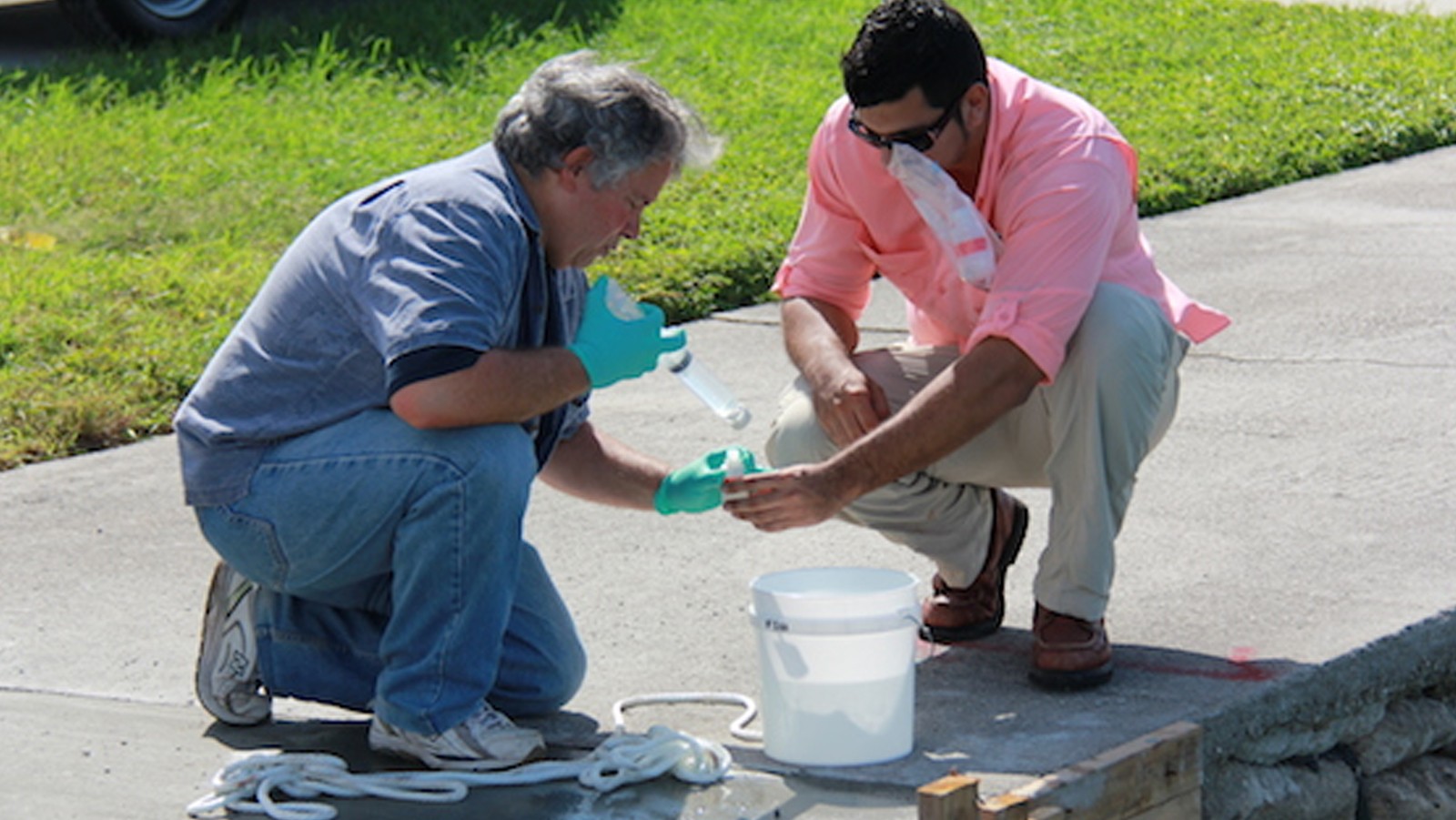
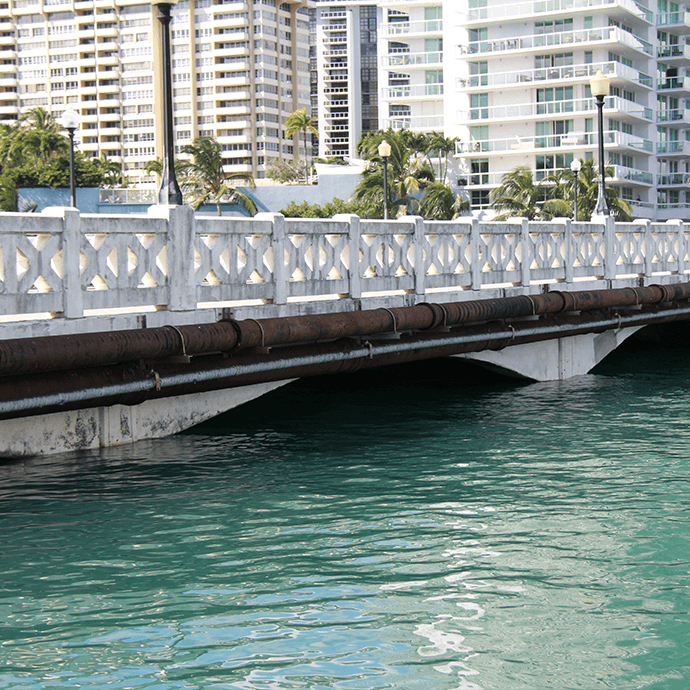
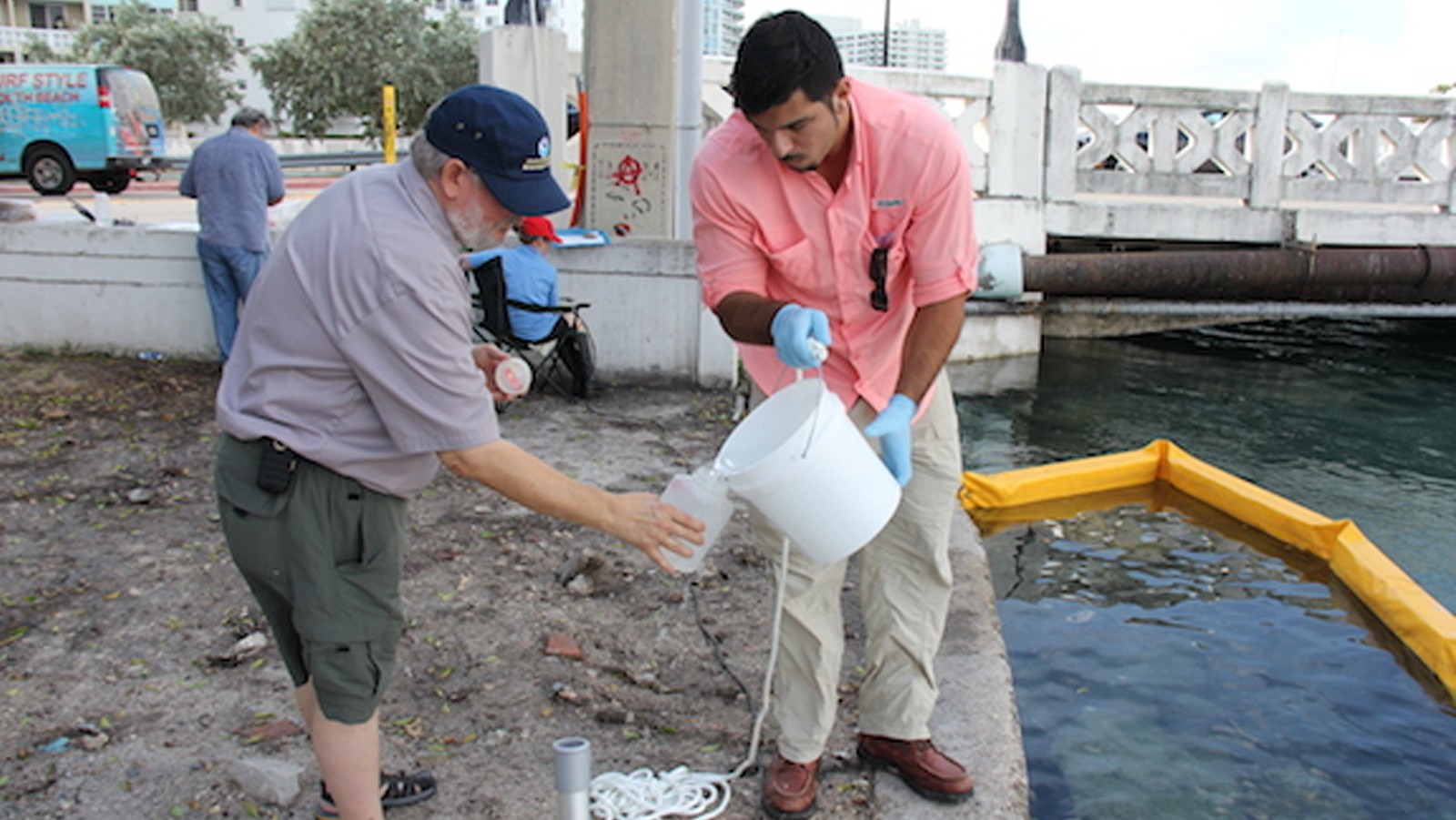
On October 9th, researchers from AOML’s Environmental Microbiology Lab monitored and collected water samples in Maurice Gibb Memorial Park during the King Tide, the highest astronomical tide of the year.
Images of bleached corals off of Key Biscayne, Florida and in Biscayne National Park.
Photos from two recent cruises to the Pacific Island of Maug to study the effect of ocean acidification on coral ecosystems.
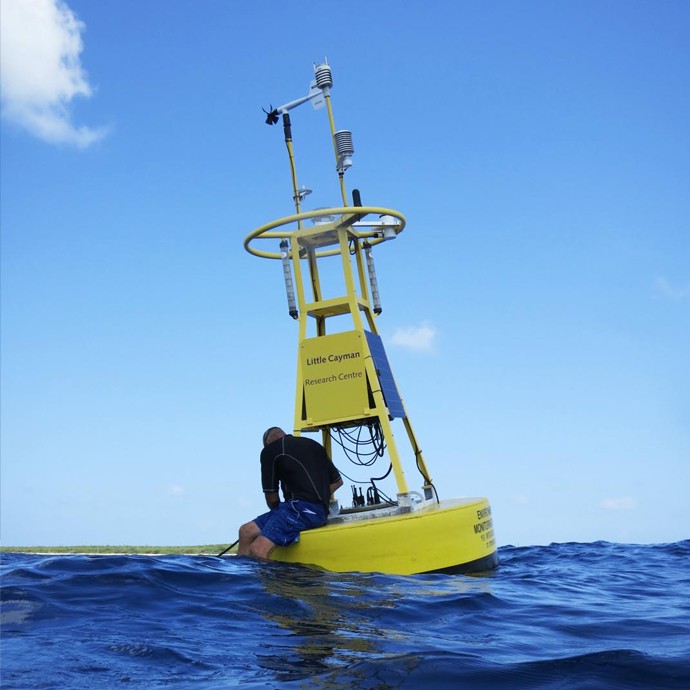
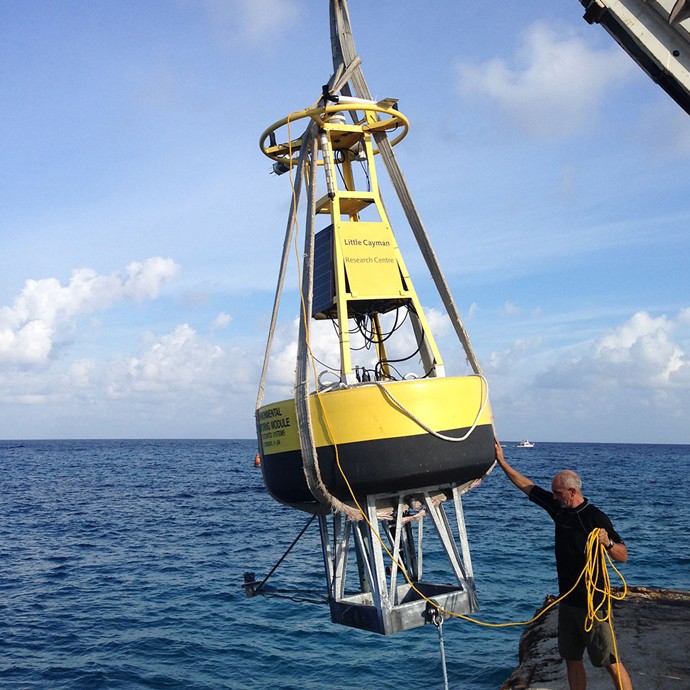
Photos from Little Cayman CREWS Station deployed by NOAA AOML.
Photos of AOML researchers and interns at Ocean Sampling Day sites in Ft. Lauderdale, the Florida Keys, and La Jolla, California
NOAA’s Atlantic Oceanographic and Meteorological Laboratory (AOML) participated in Ocean Sampling Day on June 21, the first global simultaneous sampling for microbes in ocean, coastal and Great Lakes waters. Over time, sampling will support international and NOAA missions to provide a snapshot of the diversity of microbes, their functions, and their potential economic benefits. Among other economic applications, microbes have been used for novel medicines, as biofuels, and to consume spilled oil. Organized and led by the European Union’s MicroB3 organization, NOAA coordinated twelve sampling sites for Ocean Sampling Day 2014 within U.S. coastal waters.
The Marine and Estuarine Goal Setting for South Florida (MARES) project, led by NOAA’s Cooperative Institute for Marine and Atmospheric Studies at the University of Miami, continues to increase awareness of and appreciation for the value of coastal marine ecosystems, and their impacts upon human society. From 2009 through 2013, NOAA’s National Centers for Coastal Ocean Science funded MARES with the goal of creating a consensus-based process for managing South Florida’s coastal marine environments. MARES is unique in that it was among the first major efforts to include human benefits in a systematic framework to enable integrated ecosystem based management. The MARES approach embodies NOAA’s effort to serve as the Nation’s environmental intelligence agency by providing actionable information from science-based models to support environmentally-sensitive decisions made every day by individuals, communities, and governments.