Category: Research Partnerships

Live! Science at Sea: Gulf of America Ocean Acidification Cruise

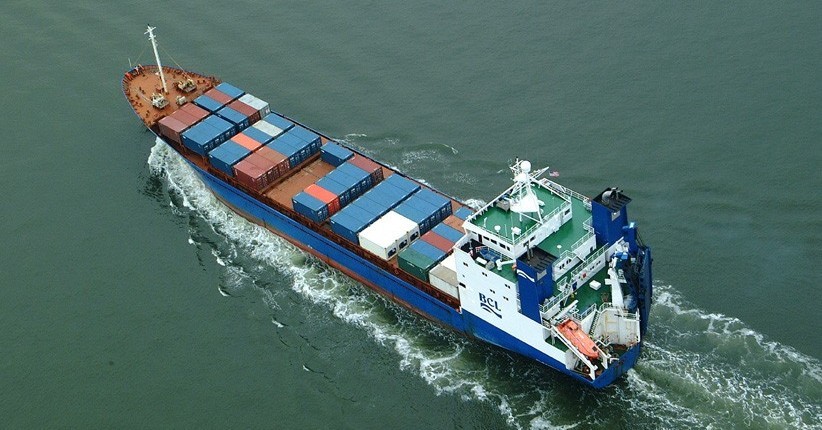
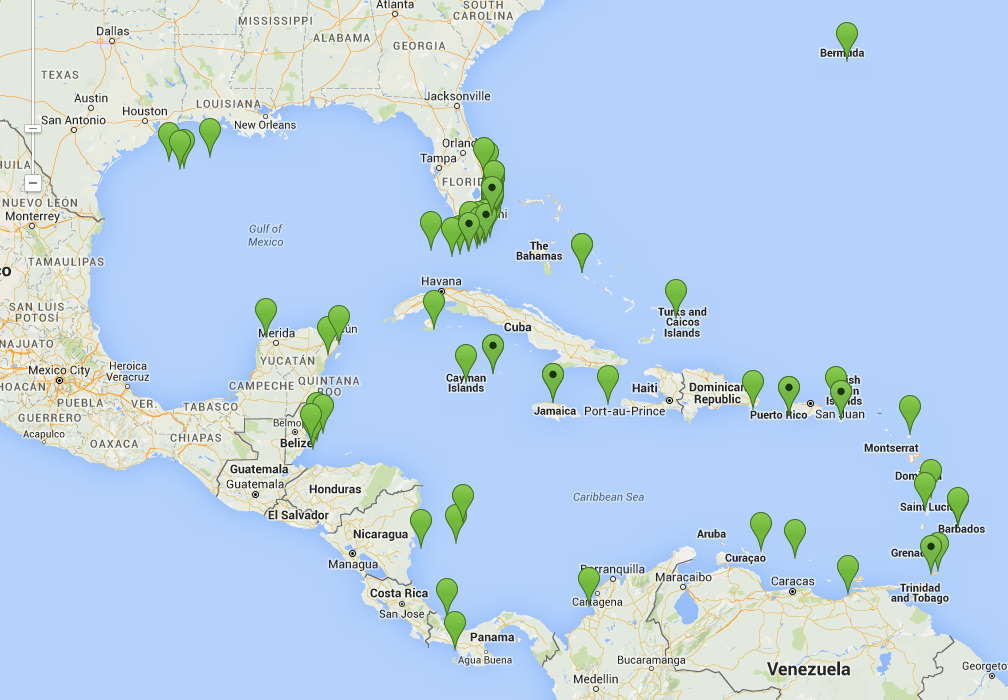
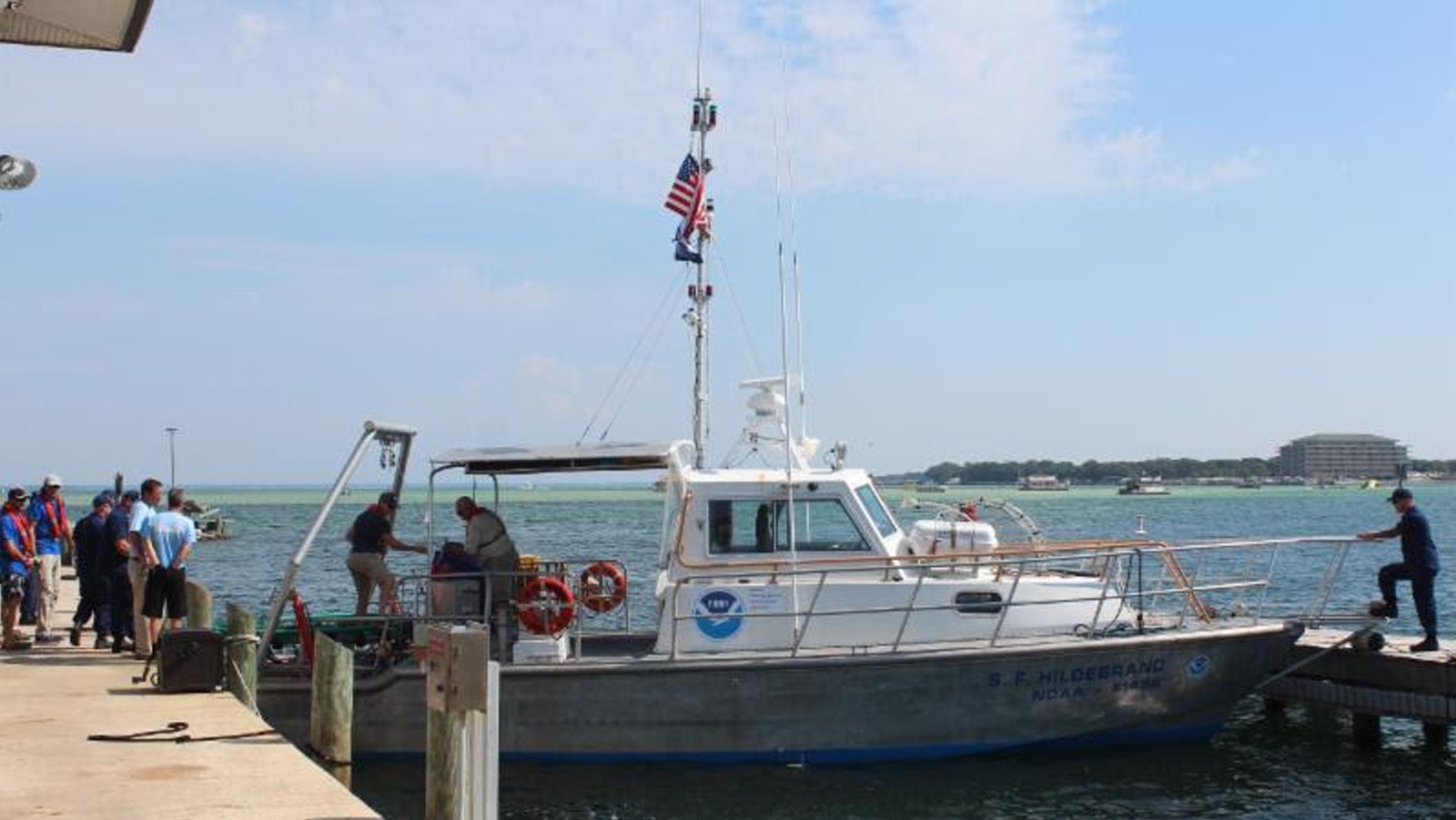
On July 18, NOAA AOML and partner scientists will depart on the Gulf of America Ecosystems and Carbon Cycle (GOMECC-3) research cruise in support of NOAA’s Ocean Acidification Monitoring Program. This isn’t the first time researchers will head to sea in this region. Previous cruises have taken place along the east and Gulf of America (GOM) coasts of the US in both 2007 and 2012. Together, these cruises provide coastal ocean measurements of unprecedented quality that are used both to improve our understanding of where ocean acidification (OA) is happening and how ocean chemistry patterns are changing over time. This will be the most comprehensive OA cruise to date in this region, set to include sampling in the international waters of Mexico for the first time. Ocean acidification is a global issue with global impacts, and international collaboration like this is vital to understanding and adapting to our changing oceans. 

Read Full Article

Researchers Explore Coral Resiliency in New Experimental Reef Laboratory

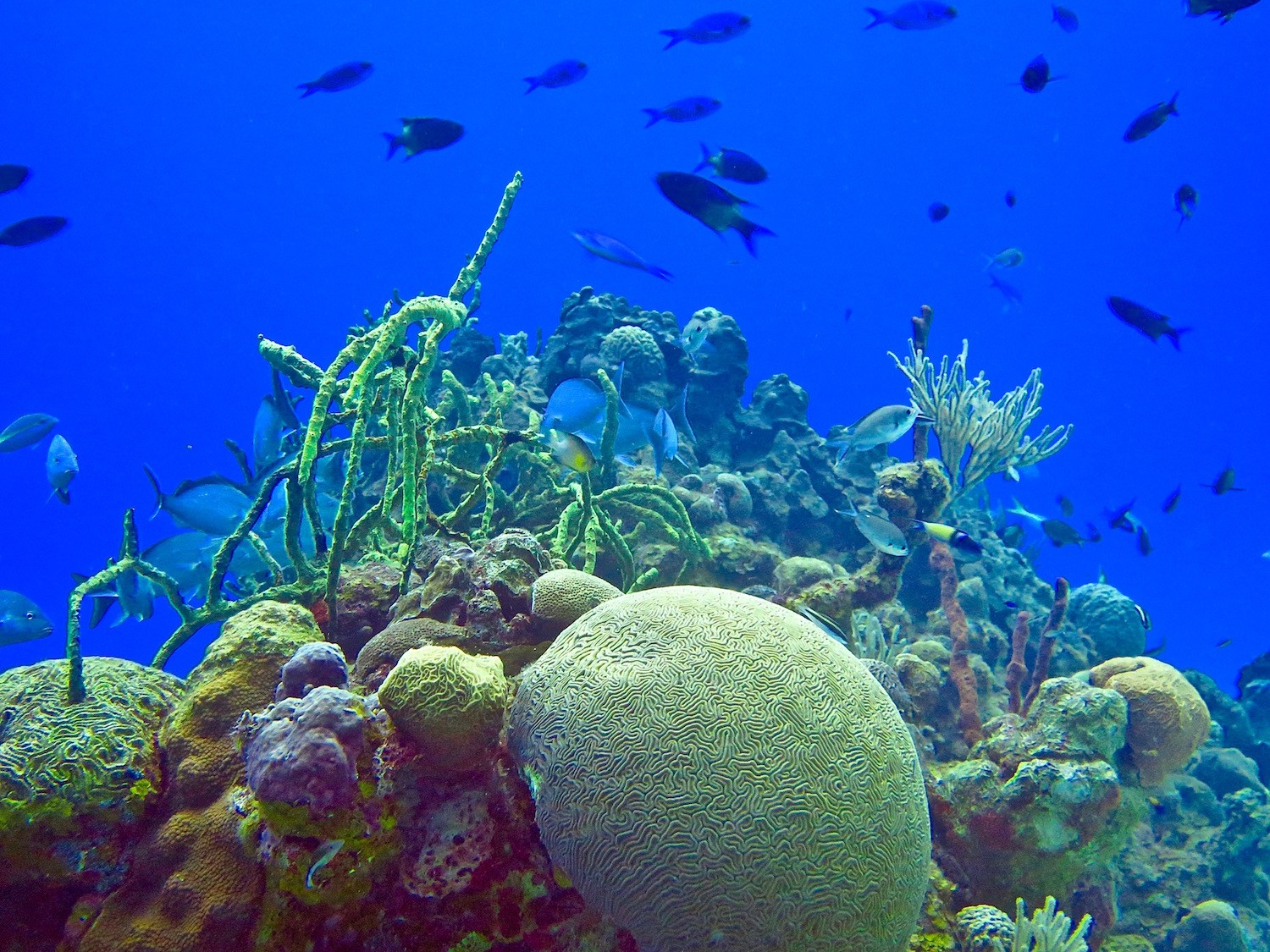
Coral researchers at AOML unveiled a new state of the art experimental laboratory this spring at the University of Miami’s Rosenstiel campus. The new “Experimental Reef Laboratory” will allow NOAA scientists and colleagues to study the molecular mechanisms of coral resiliency. Modeling studies indicate that thermal stress and ocean acidification will worsen in the coming decades. Scientists designed the Experimental Reef Laboratory to study the combined effect of these two threats, and determine if some corals are able to persist in a changing environment.

Read Full Article

Land-Based Mircobes Affecting Coral Reefs

Scientists found that microbes and their genetic material from land-based sources of pollution could be found in reef water and in tissues of corals. This could affect the genomics of the native microbial communities found in coral reefs, which can impact how corals thrive and survive. These new insights highlight an additional potential threat to corals from land-based sources of pollution in southeast Florida, where corals are already under existential threat from warming oceans and resulting coral bleaching, disease and mortality.

Read Full Article

Galapagos Islands: A Telling Study Site for Coral Reef Scientists

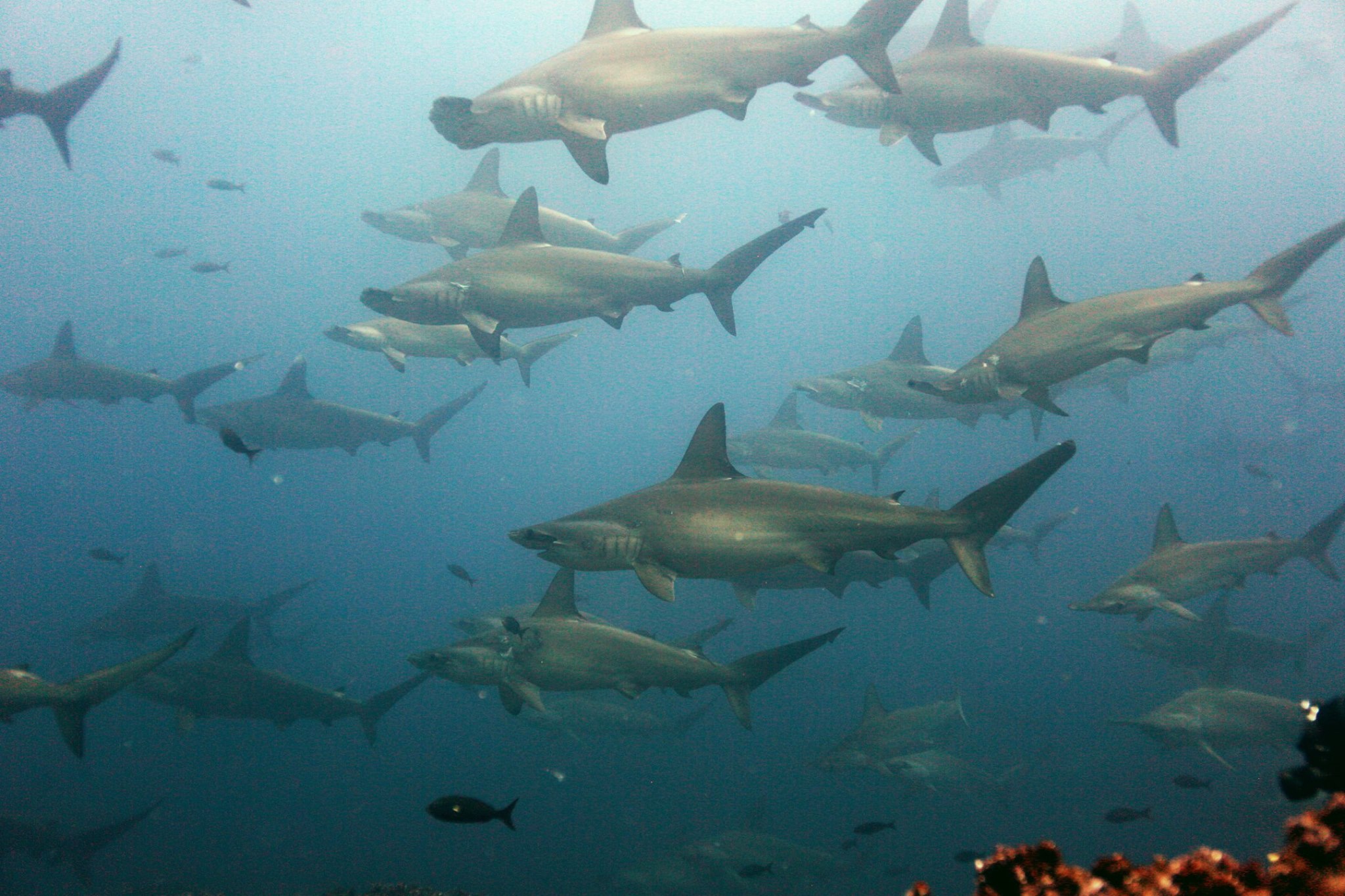
Coral scientists recently traveled to the Galapagos Islands to document coral reef health following the 2016-17 El Niño Southern Oscillation event (ENSO), which bathed the region in abnormally warm waters. Historically, these events have triggered coral bleaching and large-scale mortality, as seen in response to ENSO events of 1982-83 and 1997-98. Interestingly, these same reefs exhibited minimal bleaching in response to this most recent event. Scientists are determining whether this response is due to differing levels of heat stress, or an increased tolerance to warm water in the remnant coral communities.
Read Full Article

Storymap: Gliding Through the Blue Frontier

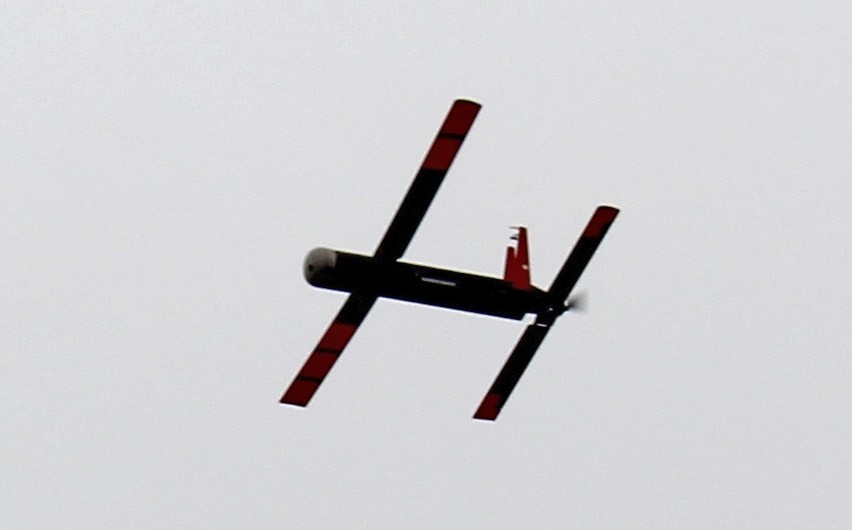
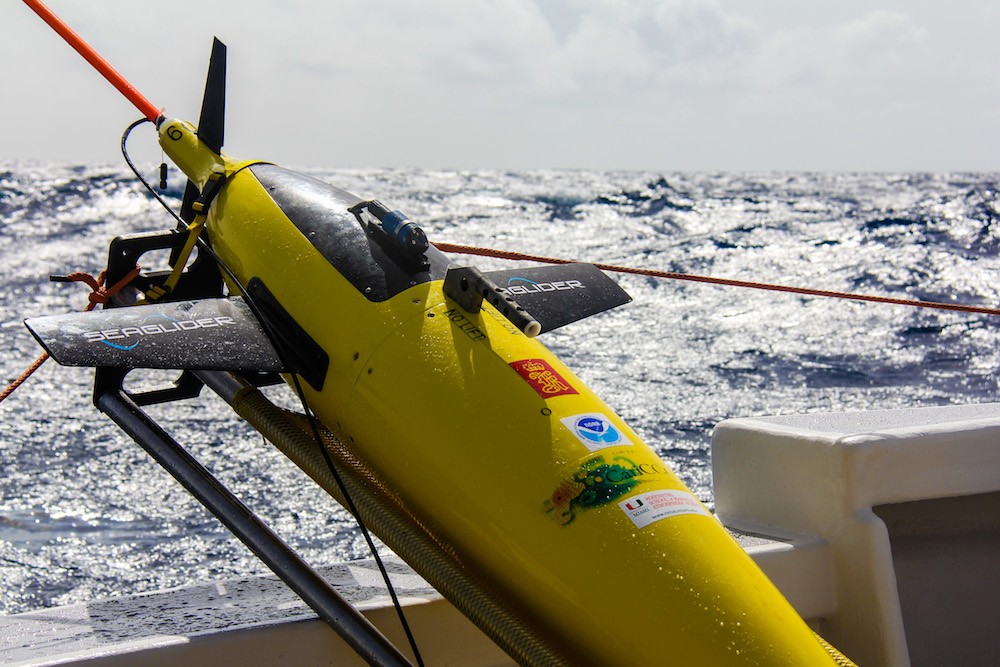
Glider SG609 is one of four gliders that are part of the Hurricane Field Program at NOAA’s Atlantic Oceanographic and Meteorological Laboratory. AOML launched its glider project in 2014 with the goal of enhancing the understanding of air-sea interaction processes during tropical cyclones. Scientists and technicians from AOML and the University of Puerto Rico at Mayagues run the deployments and recoveries out of Isla Magueyes Marine Laboratories in Puerto Rico, which neighbors the colorful coastal island community of La Paguera.

Read Full Article

Technology and Modeling Innovations Usher in the 2016 Hurricane Season

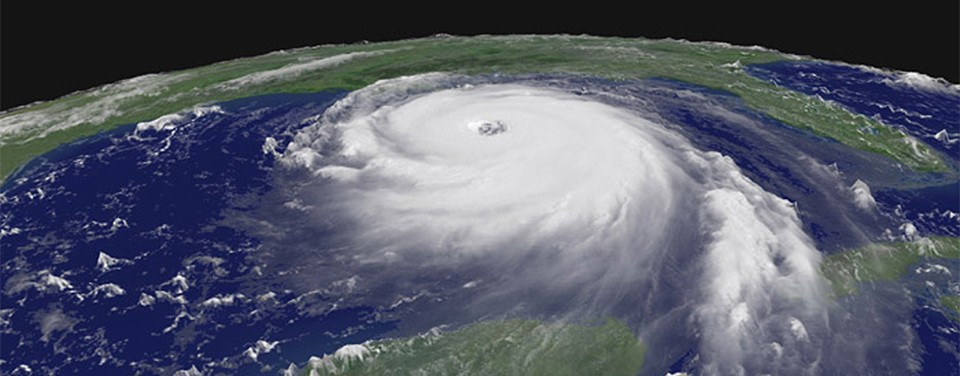
Scientists at NOAA’s Atlantic Oceanographic and Meteorological Laboratory (AOML) are at the vanguard of hurricane research. Each hurricane season we fly into storms, pore over observations and models, and consider new technological developments to enhance NOAA’s observing capacity and improve track and intensity forecasts. The 2016 hurricane season will provide an opportunity for our scientists to test some of the most advanced and innovative technologies and refined forecasting tools to help better predict a storm’s future activity.

Read Full Article

Collaborative NOAA Research Cruise Studies Role of Ocean Currents in Larval Fish Distribution in Gulf of America and Caribbean

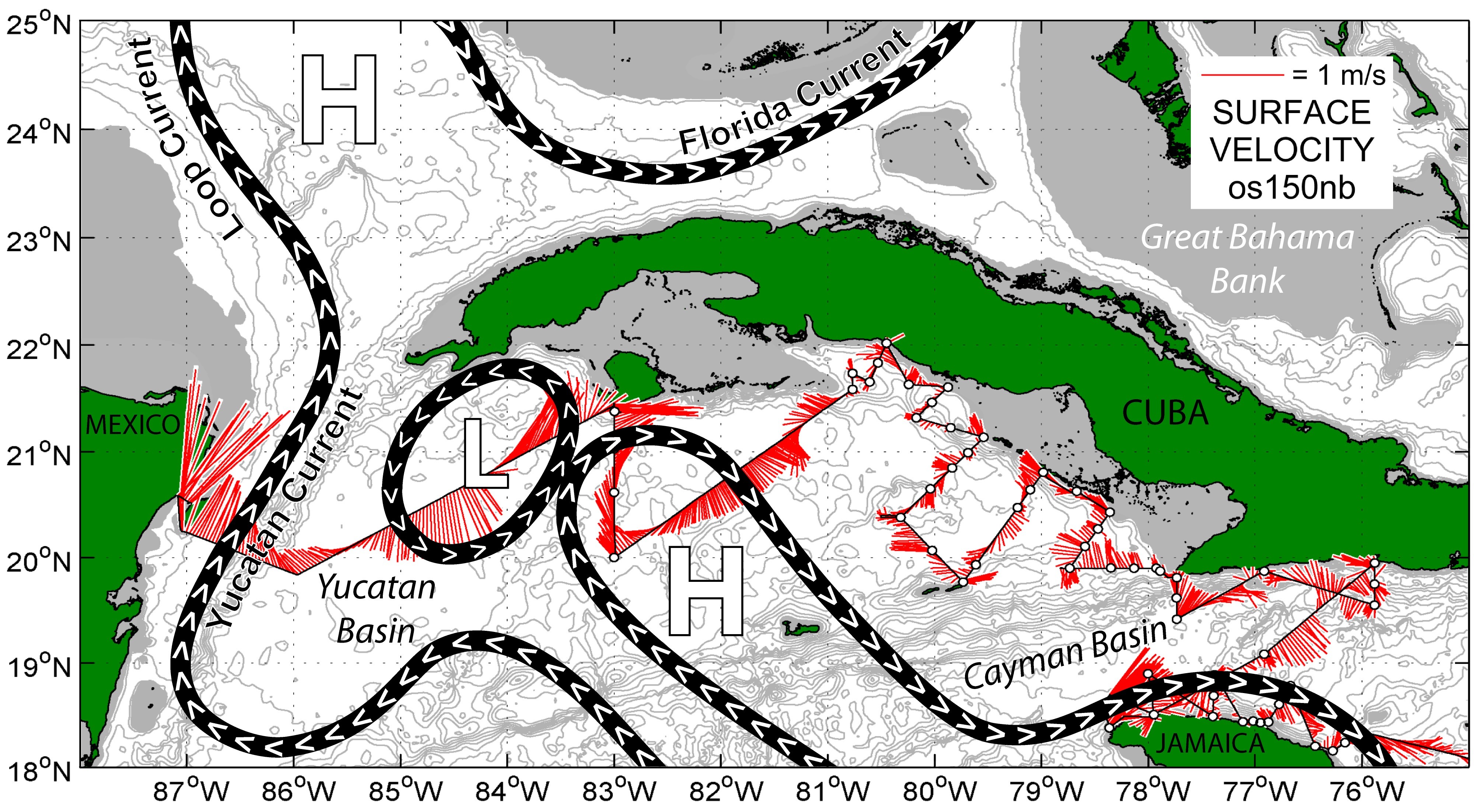
A team of NOAA oceanographers sets sail from Miami aboard the NOAA Ship Nancy Foster on May 7th to investigate ocean currents and fish larvae distribution in the southern Gulf of America and western Caribbean. The joint cruise between NOAA’s Atlantic Oceanographic and Meteorological Laboratory (AOML) and Southeast Fisheries Science Center (SEFSC) is a new chapter in a long-term effort that pools cross-line office resources to better understand the early life history and larval recruitment pathways of important fisheries in the region, including the ecologically important and commercially valuable Atlantic bluefin tuna.

Read Full Article

Ocean Temperatures May Hold Key to Predicting Tornado Outbreaks

Tornadoes are one of nature’s most destructive forces. Recent violent and widespread tornado outbreaks in the United States, such as occurred in the spring of 2011, have caused significant loss of life and property. Currently, our capacity to predict tornadoes and other severe weather risks does not extend beyond seven days. Extending severe weather outlooks beyond seven days will assist emergency managers, businesses, and the public prepare the resources needed to prevent economic losses and protect communities. So how can scientists better predict when and where tornadoes are likely to strike, before the tornado season begins?

Read Full Article