Category: Research Partnerships

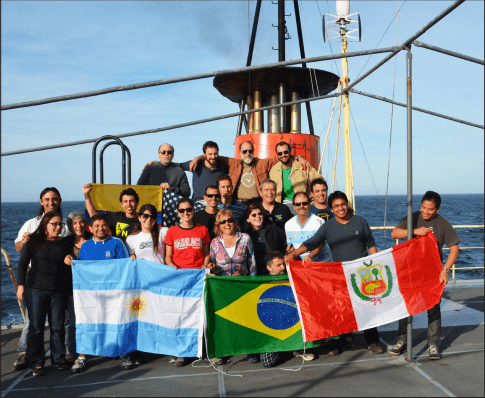
Drifter Program Catches a Lift to the Southern Ocean with the Volvo Ocean Race

If you’ve ever sailed aboard a ship in the coastal ocean, or checked a weather report before going to the beach, then you are one of many millions of people who benefit from ocean observations. NOAA collects ocean observations and weather data to provide mariners with accurate forecasts of seas, as well as coastal forecasts and even regional climate predictions. It takes a lot of effort to maintain observations in all of the ocean basins to support these forecasts, and NOAA certainly can’t do it alone. Partnerships are essential to maintaining a network of free-floating buoys, known as drifters, and NOAA’s latest partner is not your typical research or ocean transportation vessel: the six sailboats and crew currently racing around the world in the Volvo Ocean Race.

Read Full Article

Gulf of America Marine Food Web Changes Over the Decades

Scientists in the Gulf of America now have a better understanding of how naturally-occurring climate cycles–as well as human activities–can trigger widespread ecosystem changes that ripple through the Gulf food web and the communities dependent on it, thanks to a new study published Saturday in the journal Global Change Biology.

Read Full Article

NOAA and Partners Host Open House for 1,300

NOAA’s Atlantic Oceanographic and Meteorological Laboratory (AOML) and the National Marine Fisheries Service/Southeast Fisheries Science Center (SEFSC) partnered with the University of Miami Rosenstiel School for Marine and Atmospheric Science and the Maritime and Science Technology (MAST) Academy to host an open house May 14th-16th.

Read Full Article

Meridional Overturning Circulation: Following the Heat

If you want to understand Earth’s climate and how it changes from year-to-year and decade-to-decade, look to the oceans, and follow the heat. The major driver in the redistribution of heat around the globe in the ocean-climate system is Meridional Overturning Circulation, or MOC. The MOC is a vertical circulation pattern that exchanges surface and deep waters via poleward movement of surface waters. As an example, the well known Gulf Stream on the eastern seaboard of North America carries warm water northward to the Greenland and Norwegian Seas, where it cools and sinks.
Read Full Article

Atlantic Hurricane Season Remains Quiet As Predicted

The Atlantic hurricane season will officially end November 30, and will be remembered as a relatively quiet season as was predicted. Still, the season afforded NOAA scientists with opportunities to produce new forecast products, showcase successful modeling advancements, and conduct research to benefit future forecasts.

Read Full Article

New X/L-Band Satellite Receiving System Premieres at AOML

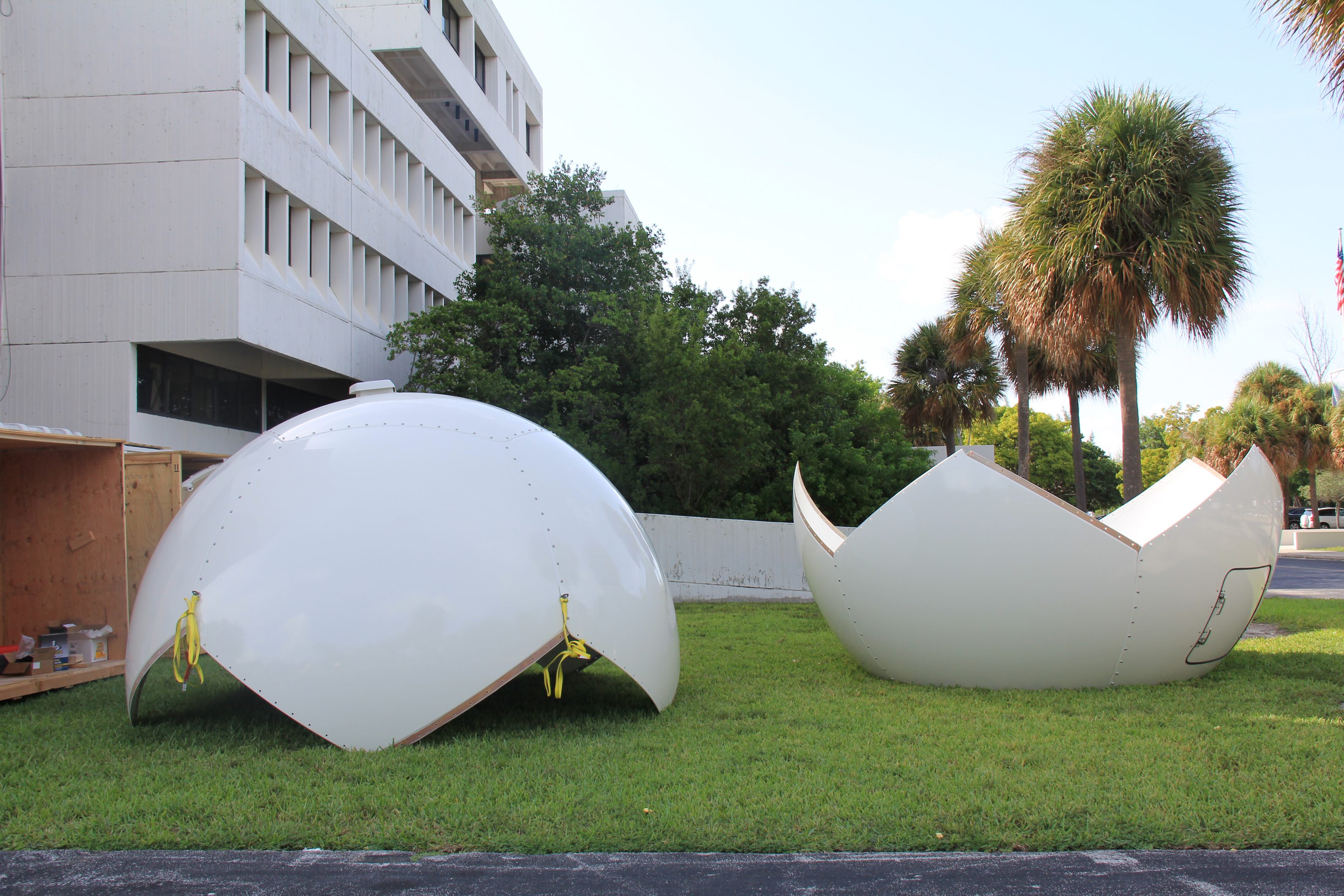
After months of preparation, on September 16th contractors completed the installation of a new X/L-band satellite receiving system on the AOML roof. Funded by the Disaster Relief Appropriations Act of 2013, the new system includes a radome-protected, 2.4-meter antenna and associated data processing and storage equipment. This project is designed to demonstrate the value of improved [...]
Read Full Article

Hurricane Scientists Bring a New Wave of Technology to Improve Forecasts

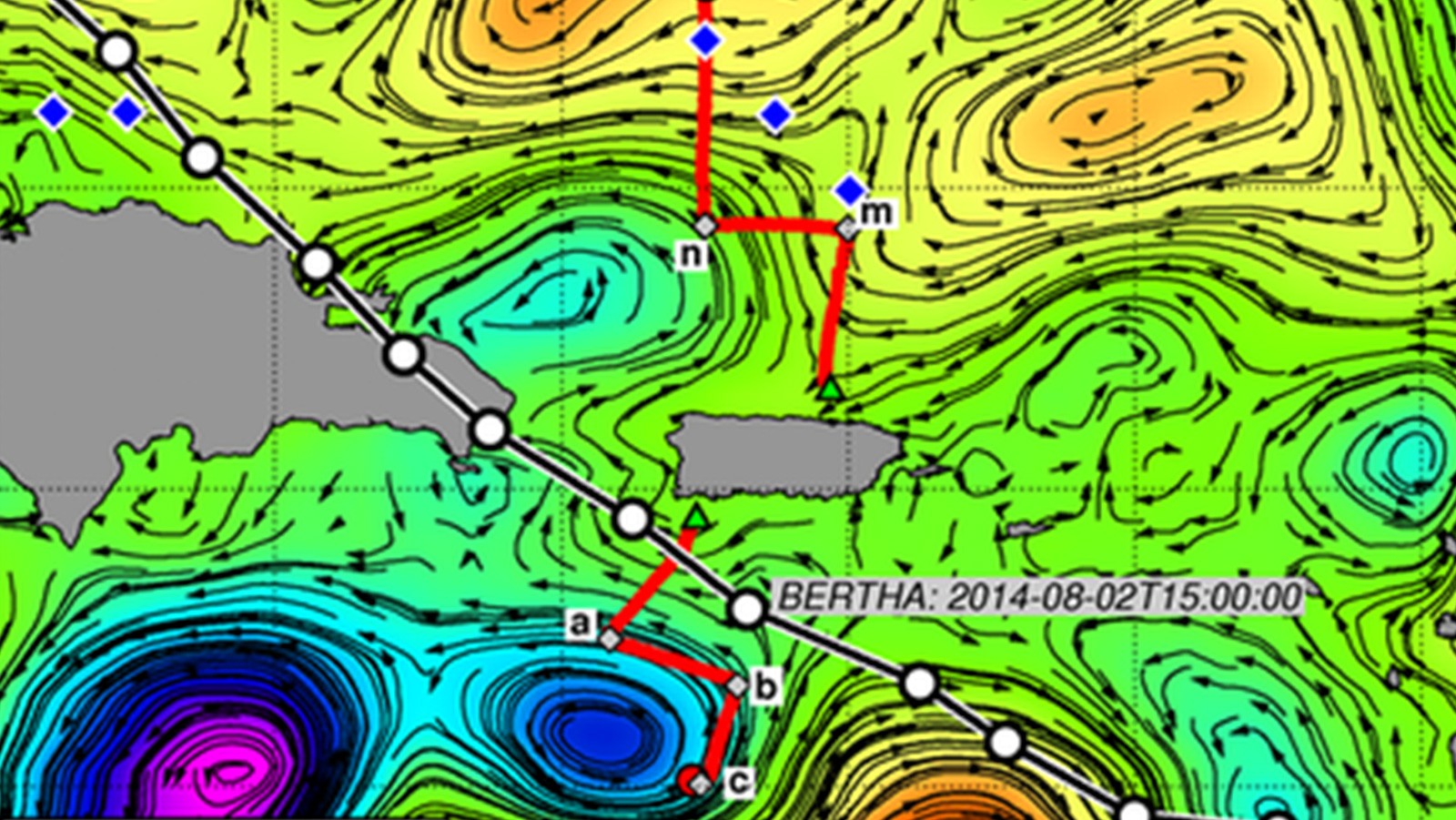
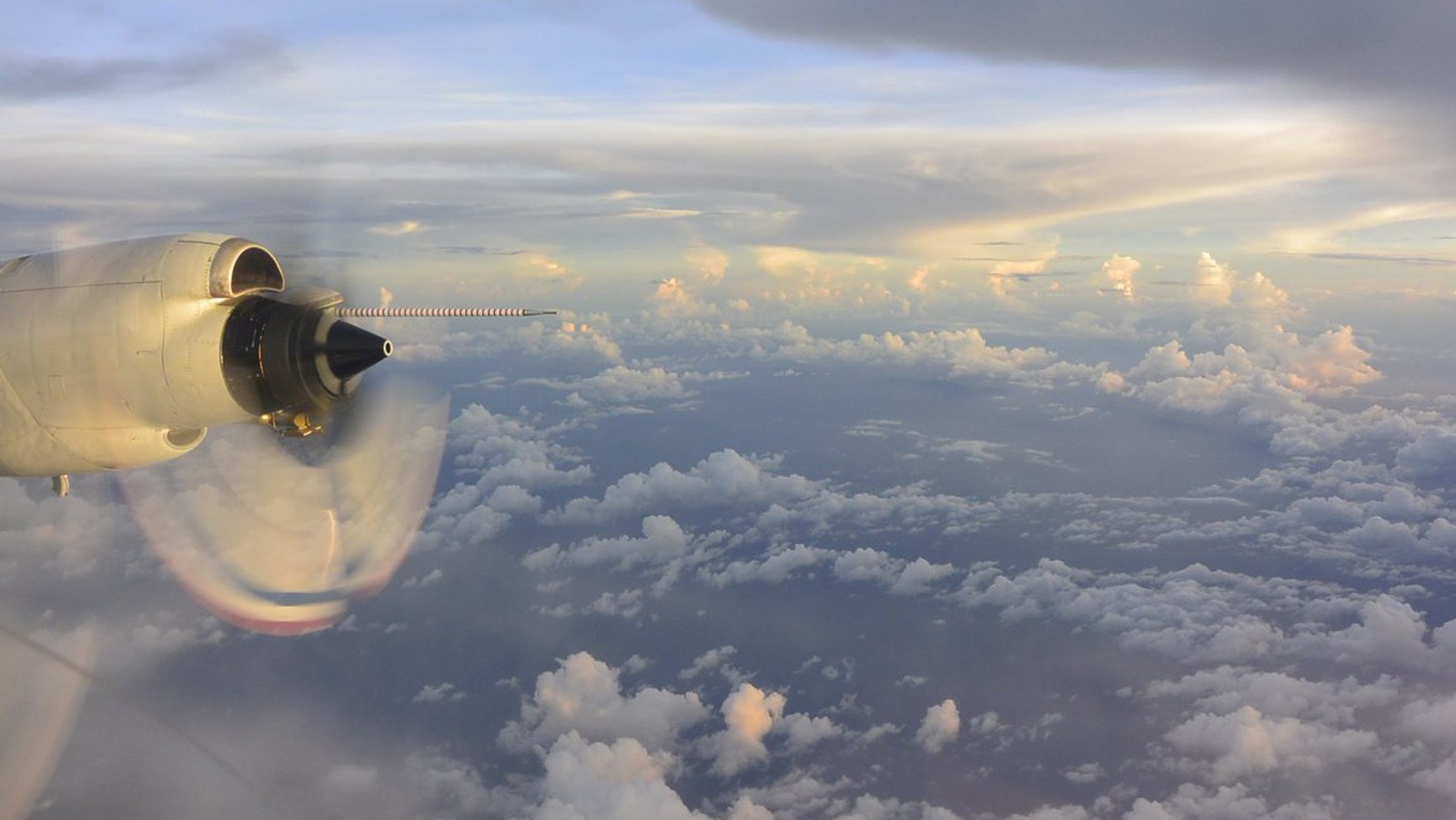
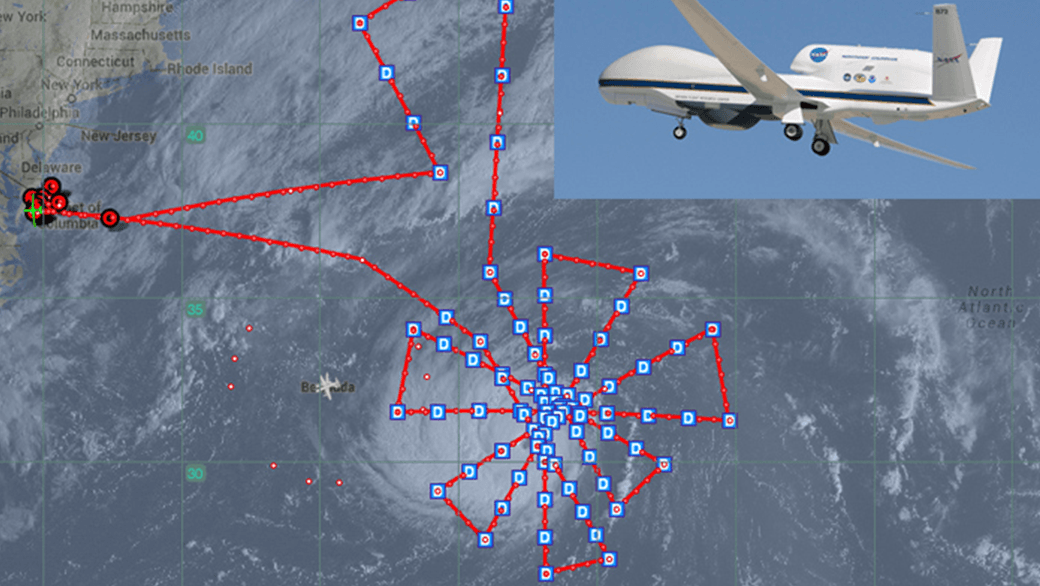
Scientists at NOAA’s Atlantic Oceanographic and Meteorological Laboratory are at the forefront of hurricane research to improve track and intensity forecasts. Every hurricane season they fly into storms, pour over observations and models, and consider new technological developments for how to enhance NOAA’s observing capabilities. The 2014 hurricane season will provide an opportunity to test some of the most advanced and innovative technologies, including unmanned hurricane hunter aircraft and sea gliders, which will help scientists better observe and, eventually, better predict a storm’s future activity.

Read Full Article

NOAA Launches Coyote UAS from P-3 Hurricane Hunter into Hurricane Edouard

NOAA successfully deployed unmanned aircraft from a NOAA P-3 Hurricane Hunter directly into a hurricane for the first time. NOAA deployed four Coyote Unmanned Aircraft Systems (UAS) in Hurricane Edouard during flights conducted September 15-17, 2014 out of Bermuda. Scientists on board the P-3 aircraft received meteorological data from the Coyote UAS in both the eye and surrounding eyewall of Hurricane Edouard.

Read Full Article

NOAA Participates in International Ocean Sampling for Microbes

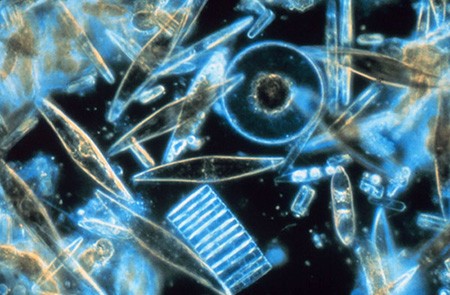
NOAA’s Atlantic Oceanographic and Meteorological Laboratory (AOML) participated in Ocean Sampling Day on June 21, the first global simultaneous sampling for microbes in ocean, coastal and Great Lakes waters. Over time, sampling will support international and NOAA missions to provide a snapshot of the diversity of microbes, their functions, and their potential economic benefits. Among other economic applications, microbes have been used for novel medicines, as biofuels, and to consume spilled oil. Organized and led by the European Union’s MicroB3 organization, NOAA coordinated twelve sampling sites for Ocean Sampling Day 2014 within U.S. coastal waters.

Read Full Article