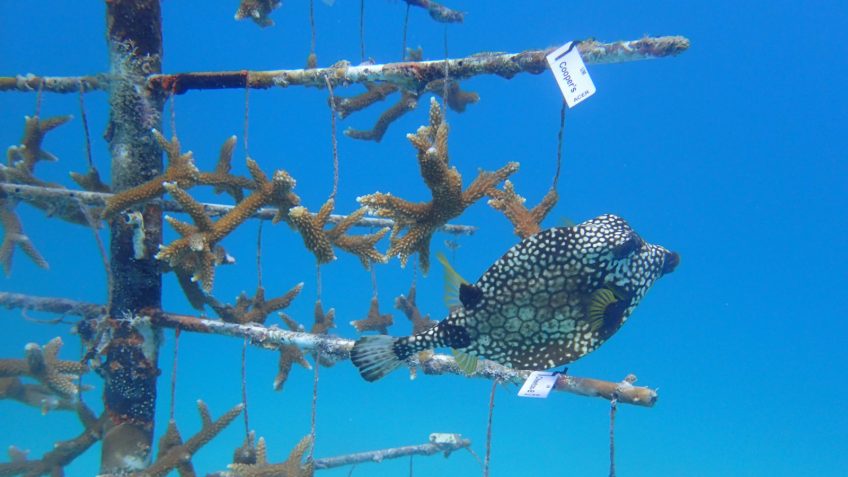
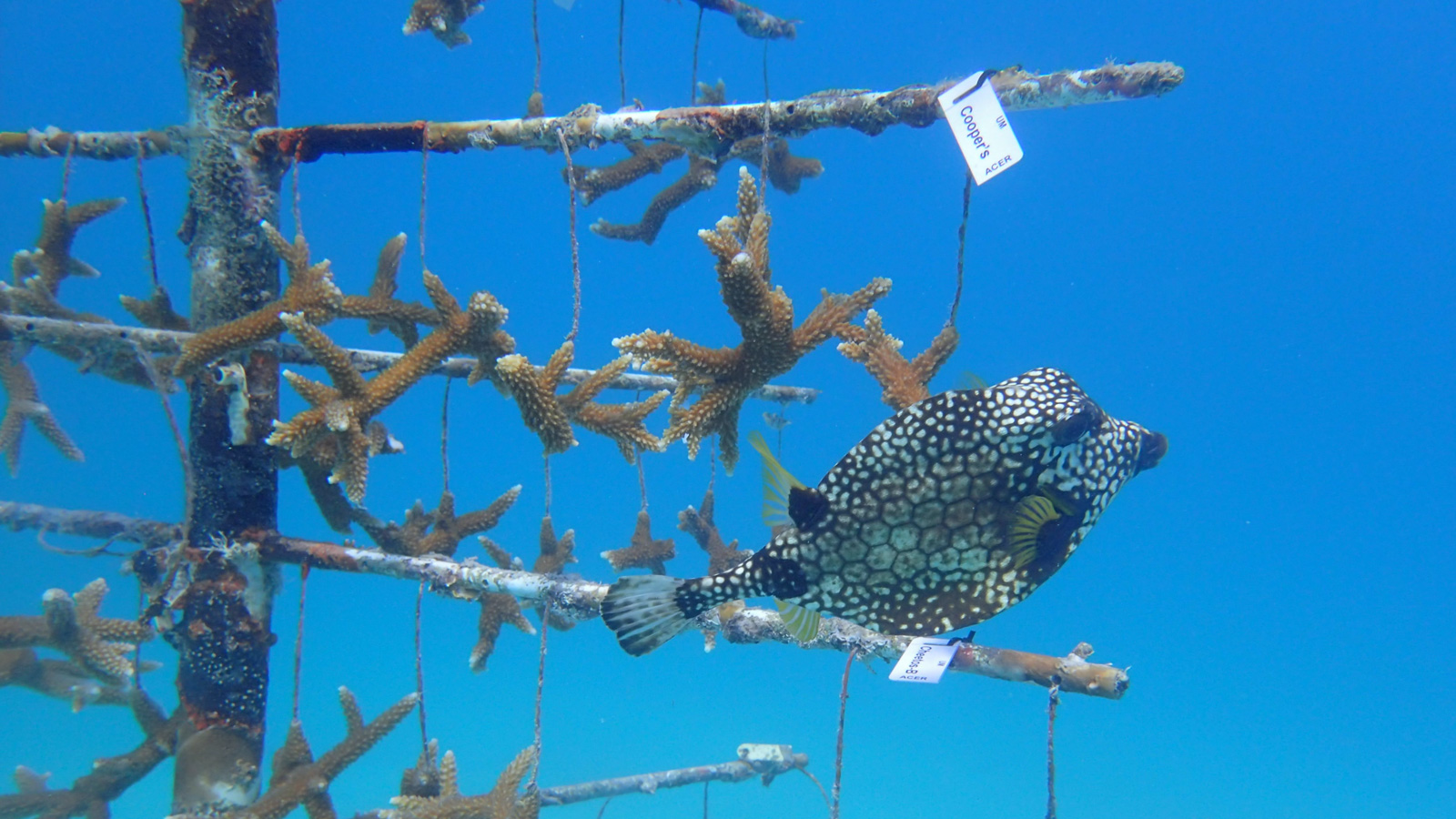
AOML receives coral tree, expanding research capabilities
In collaboration with the Lirman Lab at the University of Miami (UM), NOAA Atlantic Oceanographic and Meteorological Laboratory’s (AOML) Coral Program now has its own coral nursery tree!
In collaboration with the Lirman Lab at the University of Miami (UM), NOAA Atlantic Oceanographic and Meteorological Laboratory’s (AOML) Coral Program now has its own coral nursery tree!
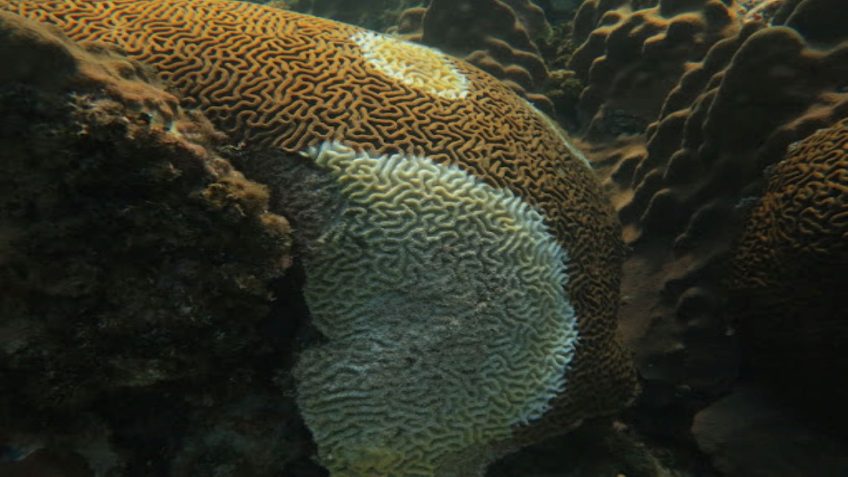
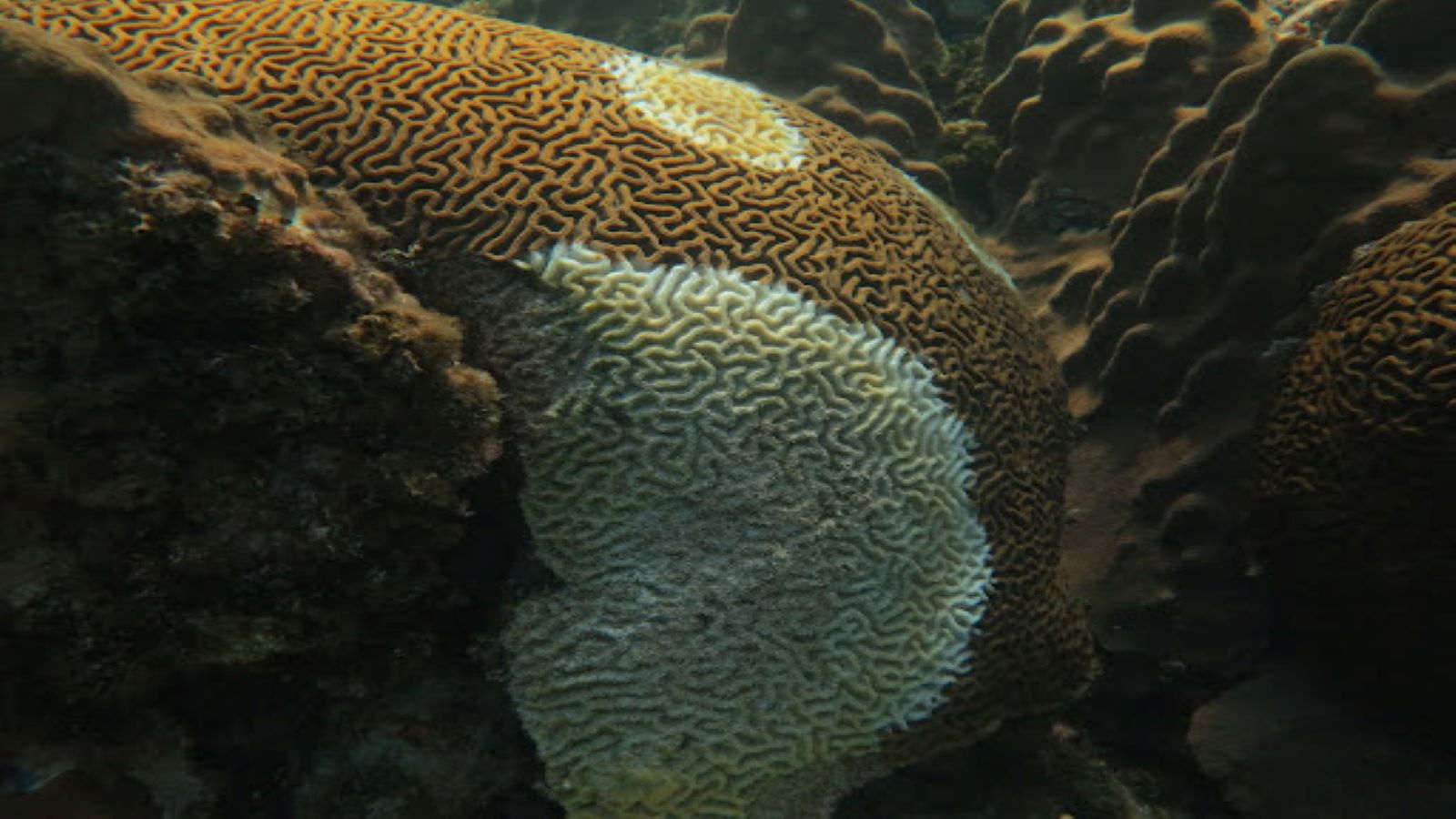
Using a crowdsourcing approach to gather both published and unpublished data, scientists have determined the global bacteria patterns associated with deadly stony coral tissue loss disease (SCTLD).
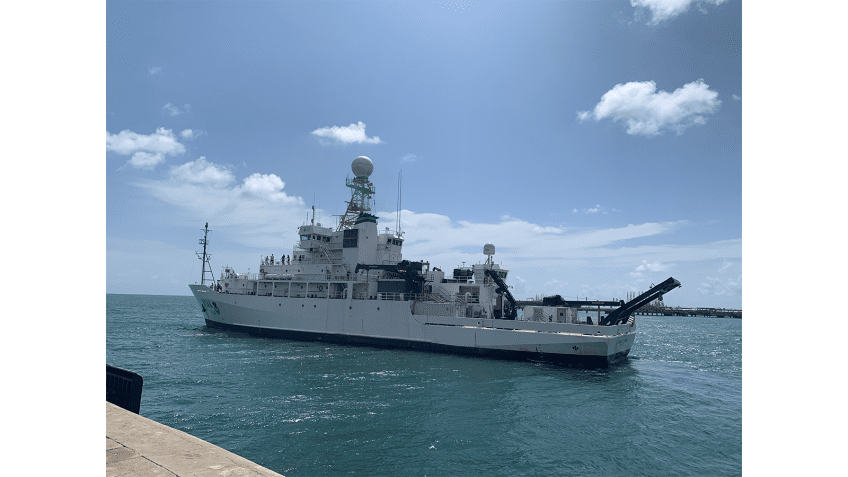
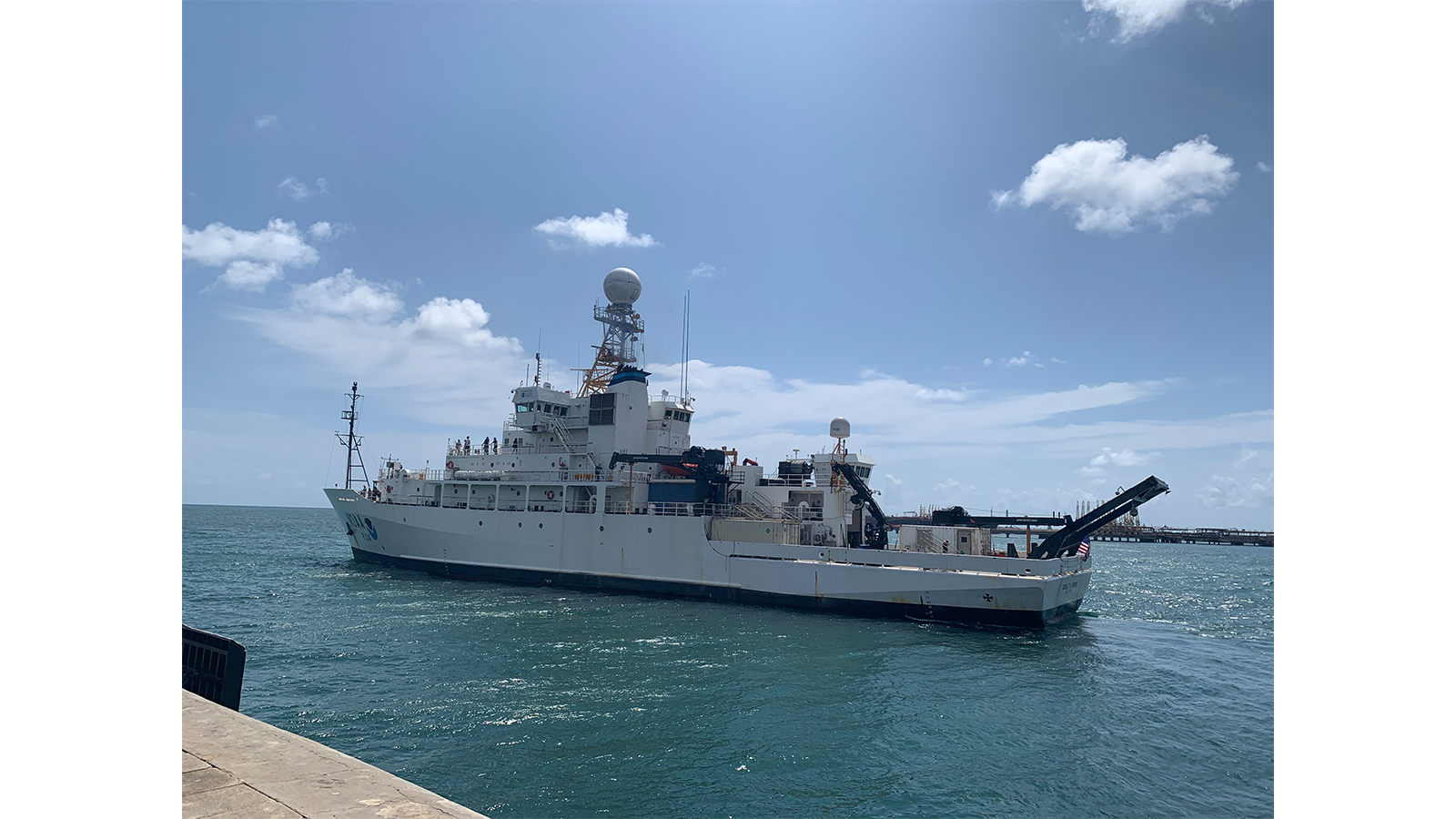
In celebration of Women’s History Month, NOAA’s Atlantic Oceanographic and Meteorological Laboratory (AOML) would like to recognize two female scientists from our Ocean Chemistry and Ecosystems Division who are leaders aboard the A16N GO-SHIP (Global Ocean Ship-based Hydrographic Investigations Program) Repeat Hydrography cruise.
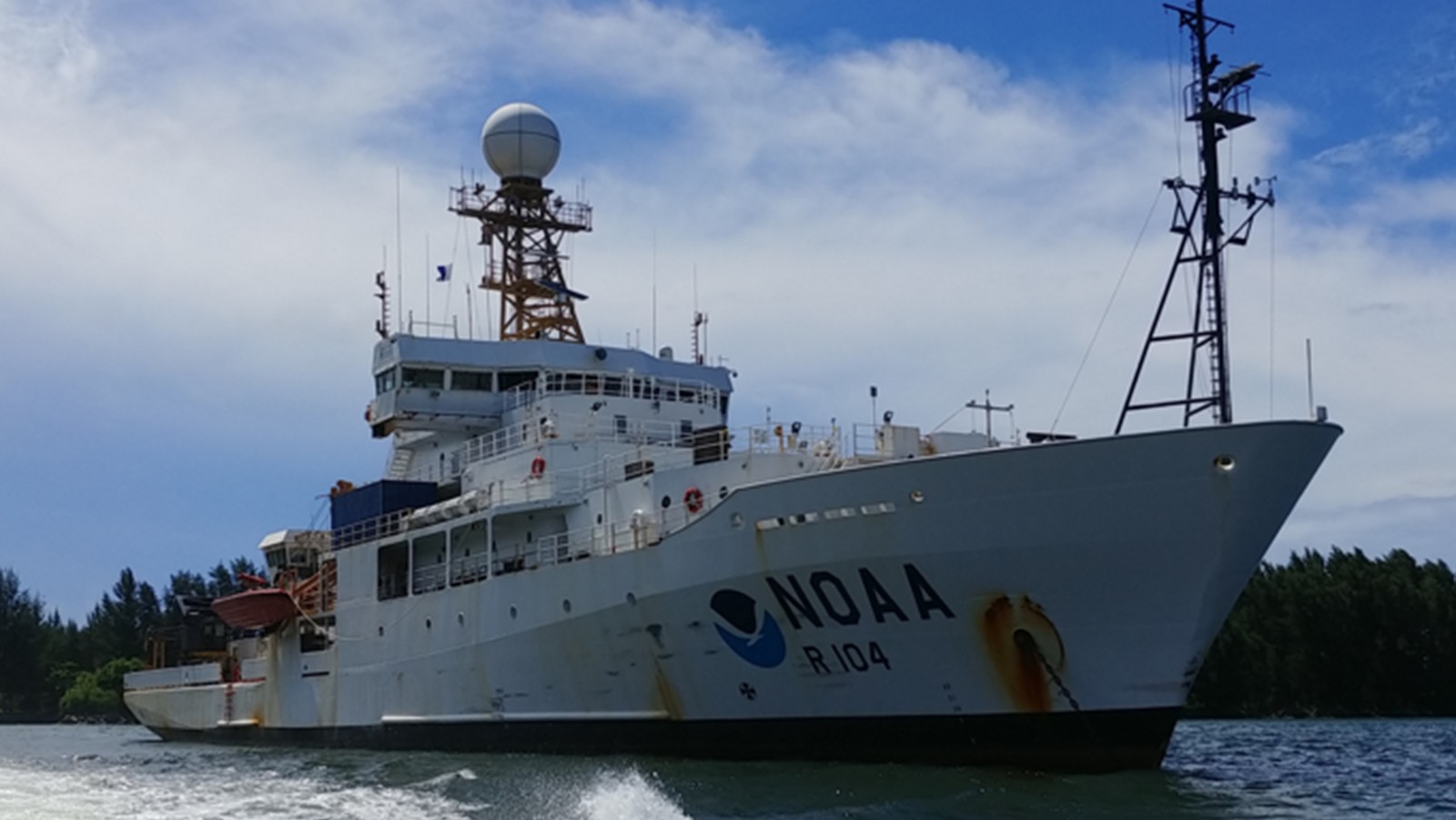
Originally published at NOAA Global Ocean Monitoring & Observing on March 7th, 2023. 30-years of ocean observations provide view into long-term ocean trends On March 6, a team of scientists on the NOAA Ship Ronald H. Brown departed from Suape, Brazil for a 55-day cruise to the northerly waters of Reykjavik, Iceland. With 150 planned stops along this […]
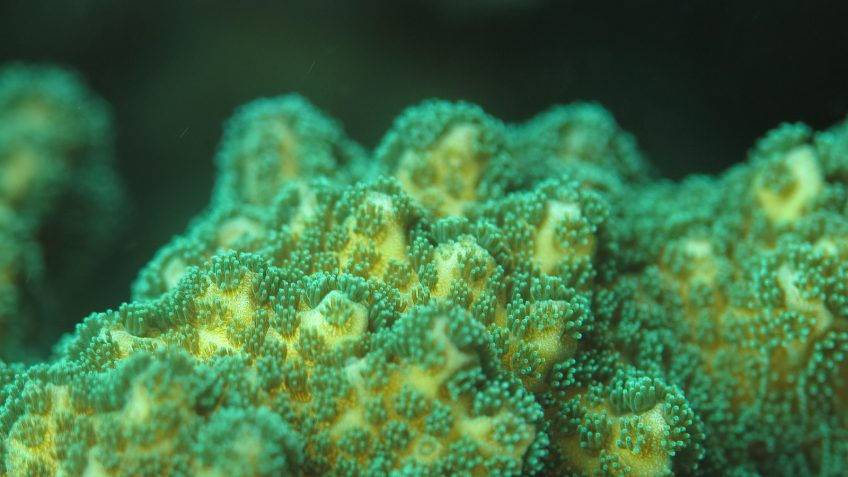
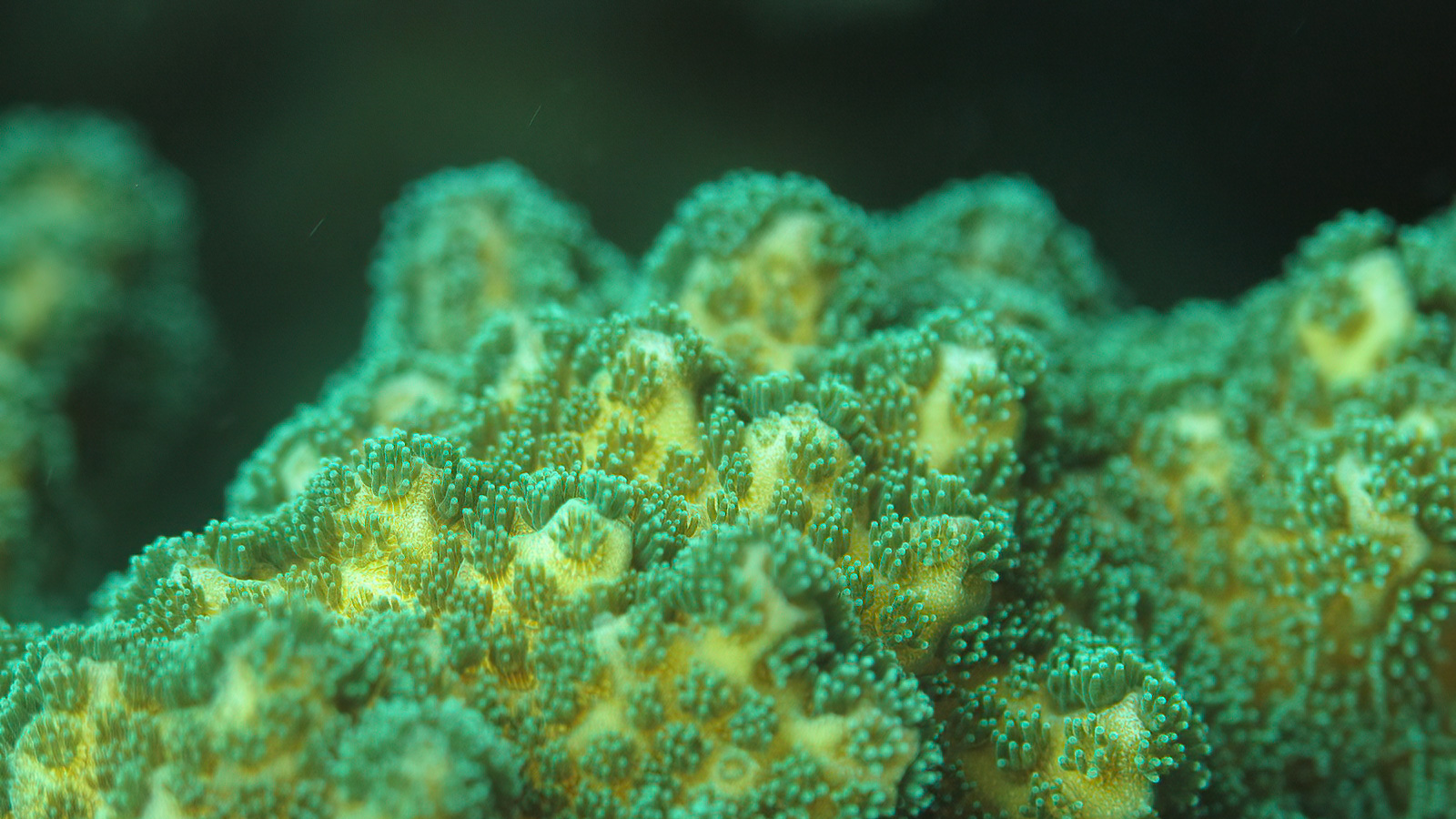
A heat-tolerant algae found in some tropical Pacific corals can make reefs more resilient to heatwave events, according to a new study in the Proceedings of the National Academy of Sciences. Researchers with University of Miami’s Cooperative Institute for Marine and Atmospheric Studies (UM-CIMAS) and NOAA’s Atlantic Oceanographic and Meteorological Laboratory (AOML) examined four decades of temperature, coral cover, bleaching, mortality data from three mass bleaching events, and symbiont community data from the last two, to find that a symbiont algae helped corals better tolerate heat stress, increasing their resilience to warming ocean temperatures.
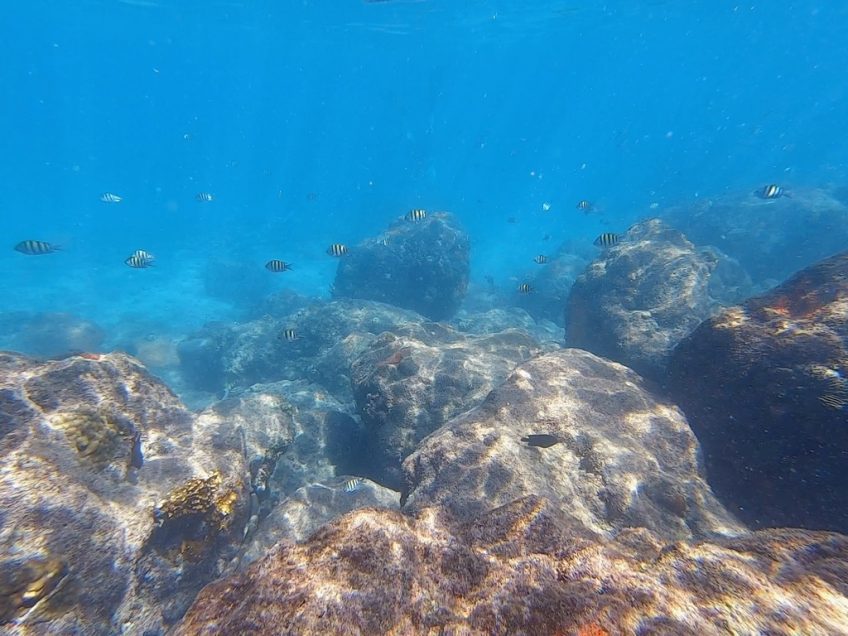
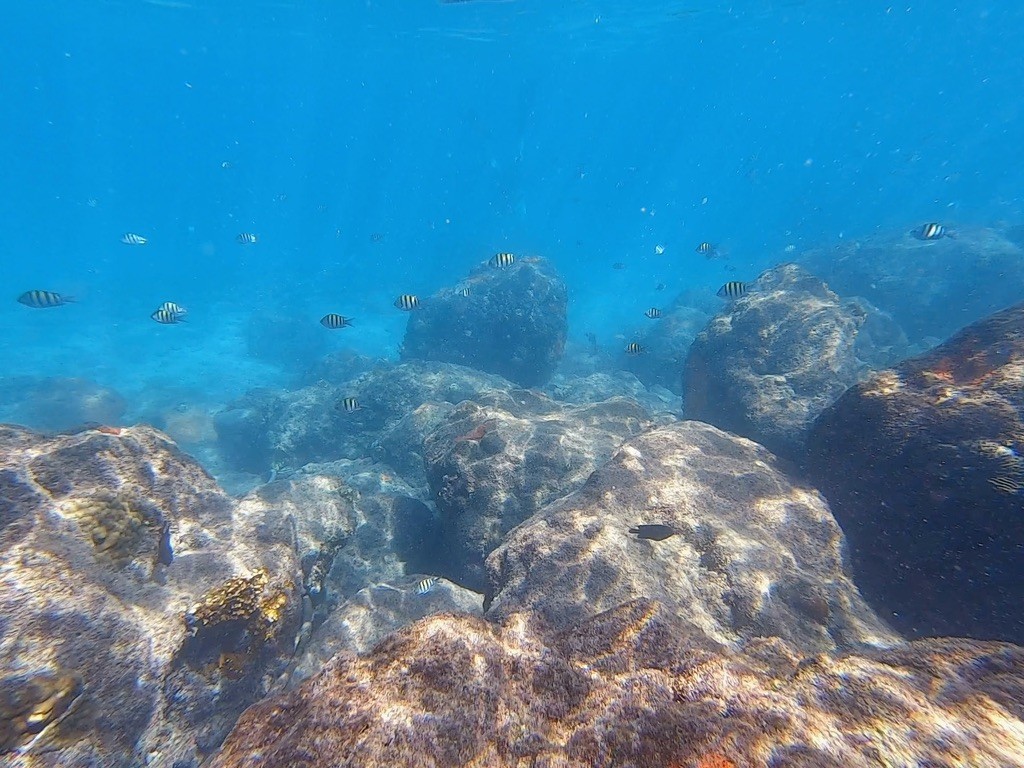
When white lesions began appearing at the famously intact Flower Garden Banks coral reef system, scientists knew a rapid, multi-agency, collaborative response was vital. Scientists from NOAA’s Atlantic Oceanographic and Meteorological Laboratory (AOML) and University of Miami’s Cooperative Institute of Marine and Atmospheric Studies (CIMAS) recently co-authored a publication about rapid tissue loss on the three dominant coral species at Flower Garden Banks National Marine Sanctuary, observed during National Coral Reef Monitoring Program cruises in the fall of 2022.
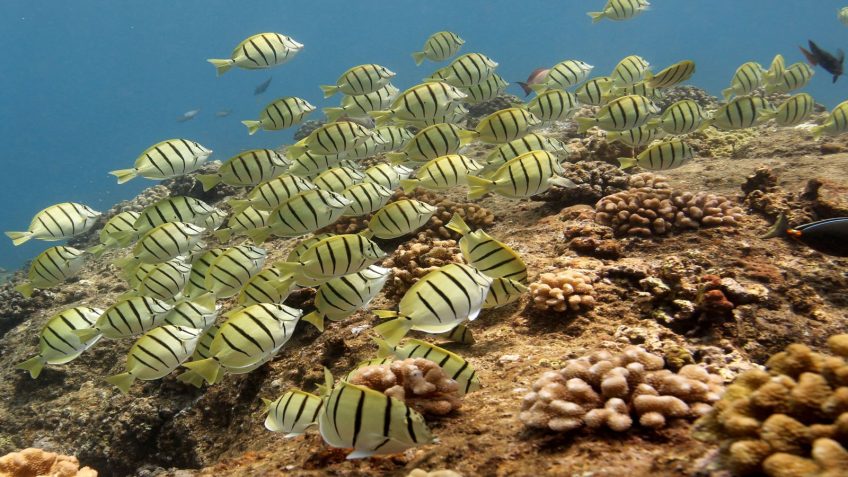
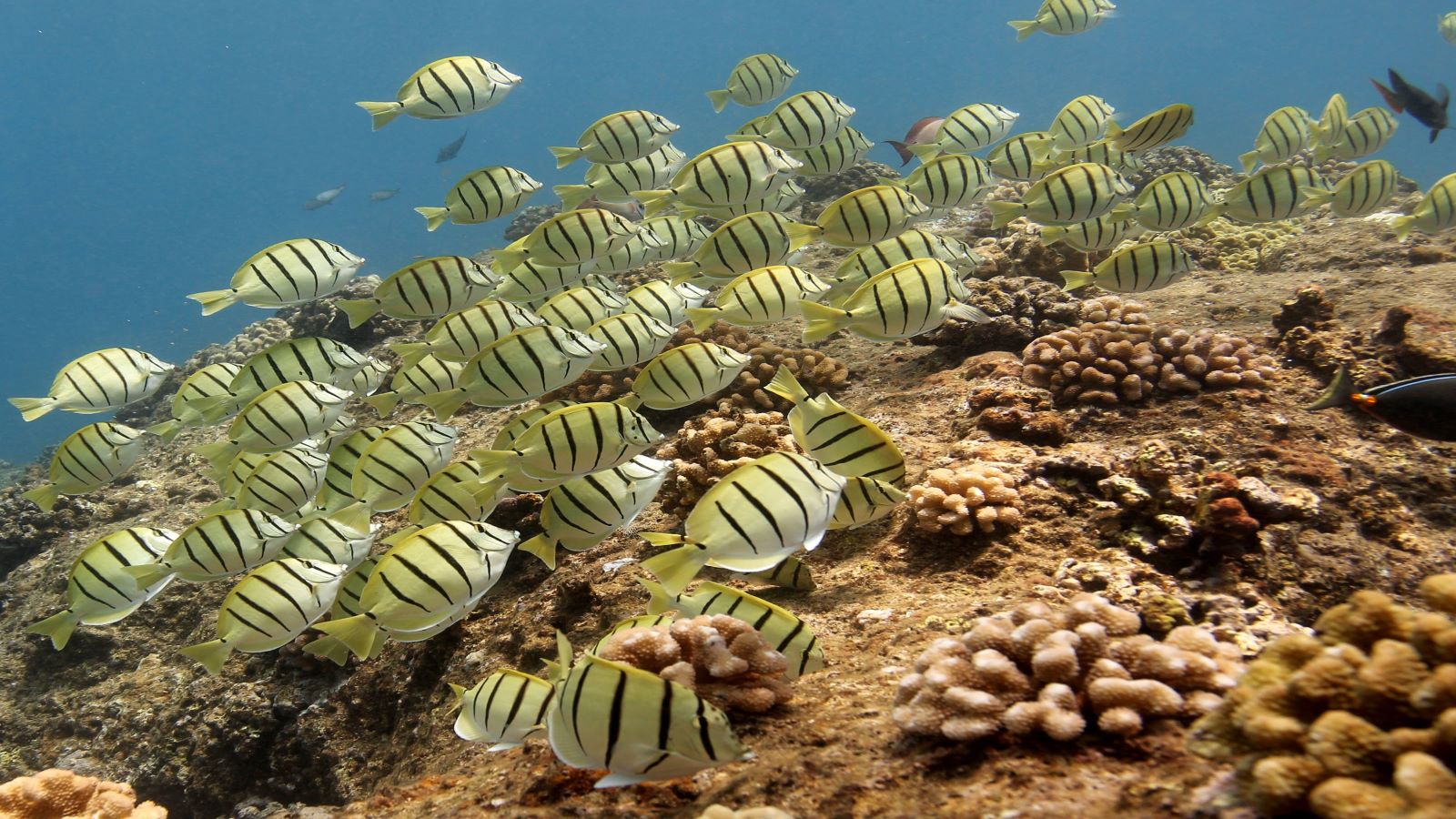
Scientists from NOAA’s Atlantic Oceanographic and Meteorological Laboratory (AOML), and our cooperative institute partners, the University of Miami’s Cooperative Institute of Marine and Atmospheric Studies and the Northern Gulf Institute, recently participated in Ocean Acidification Annual Community Meetings at the Scripps Institute of Oceanography in San Diego, California. Over the course of multiple days, scientists attended various meetings on ocean acidification research topics, visited laboratories, met with fellow scientists, learned about new ocean acidification technologies, and much more.
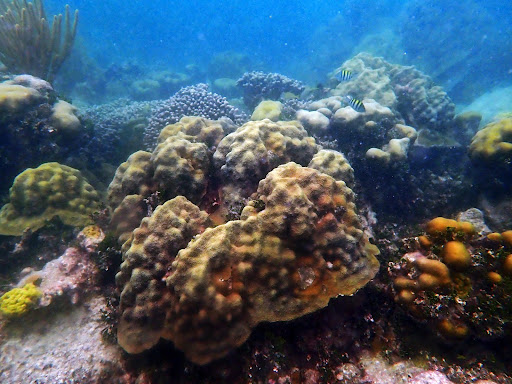
Coral scientists at NOAA’s Atlantic Oceanographic and Meteorological Laboratory (AOML) and University of Miami Cooperative Institute of Marine and Atmospheric Science (CIMAS) developed a new modeling approach, for evaluating coral reef persistence under climate change scenarios. Aiming to improve coral restoration efforts, this new user-friendly framework has been created as a helpful tool for coral reef scientists and managers to address the increasing vulnerability of these vital ecosystems.
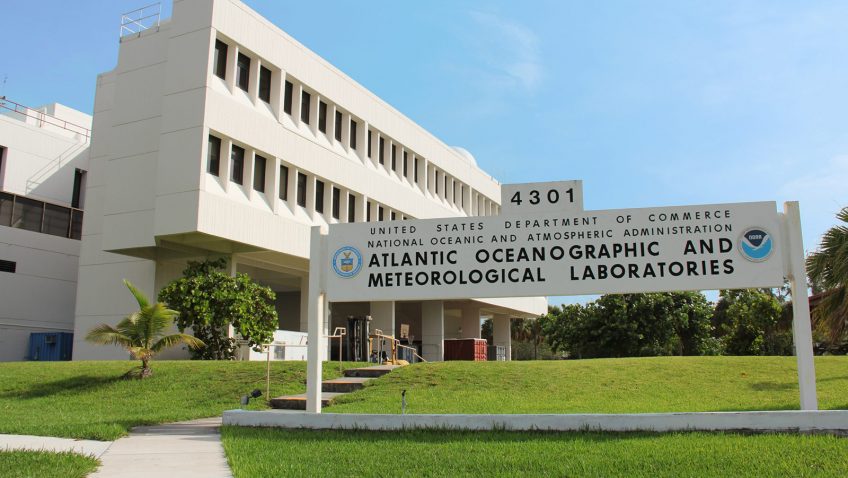
NOAA’s Atlantic Oceanographic and Meteorological Laboratory (AOML) is celebrating New Years with a look back at some of our top stories from 2022!