Top Stories of 2022
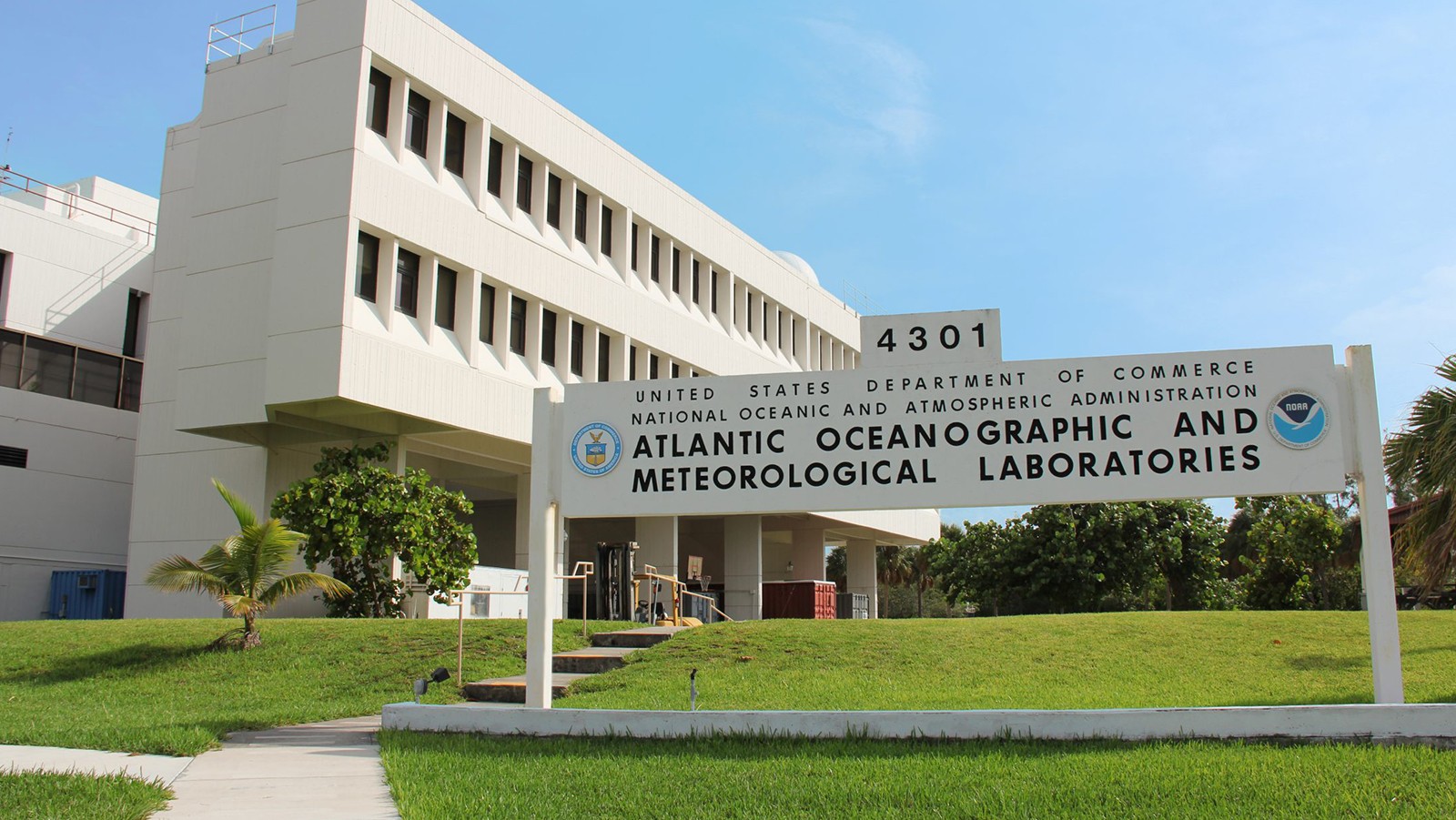
NOAA’s Atlantic Oceanographic and Meteorological Laboratory (AOML) is celebrating New Years with a look back at some of our top stories from 2022!
"
NOAA’s Atlantic Oceanographic and Meteorological Laboratory (AOML) is celebrating New Years with a look back at some of our top stories from 2022!
Scientists at NOAA’s Atlantic Oceanographic and Meteorological Laboratory (AOML) have discovered that “long-read” genetic sequencing can be used to learn more about eukaryotic plankton, including krill and copepods, which are involved in many important marine processes.
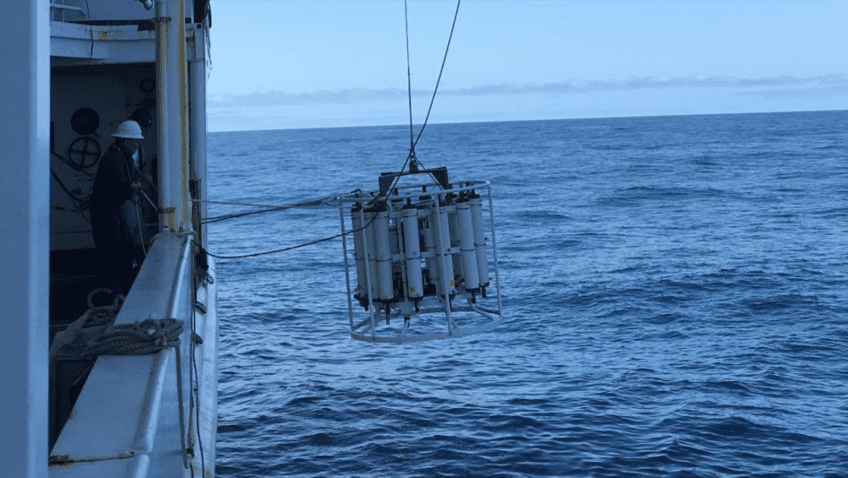
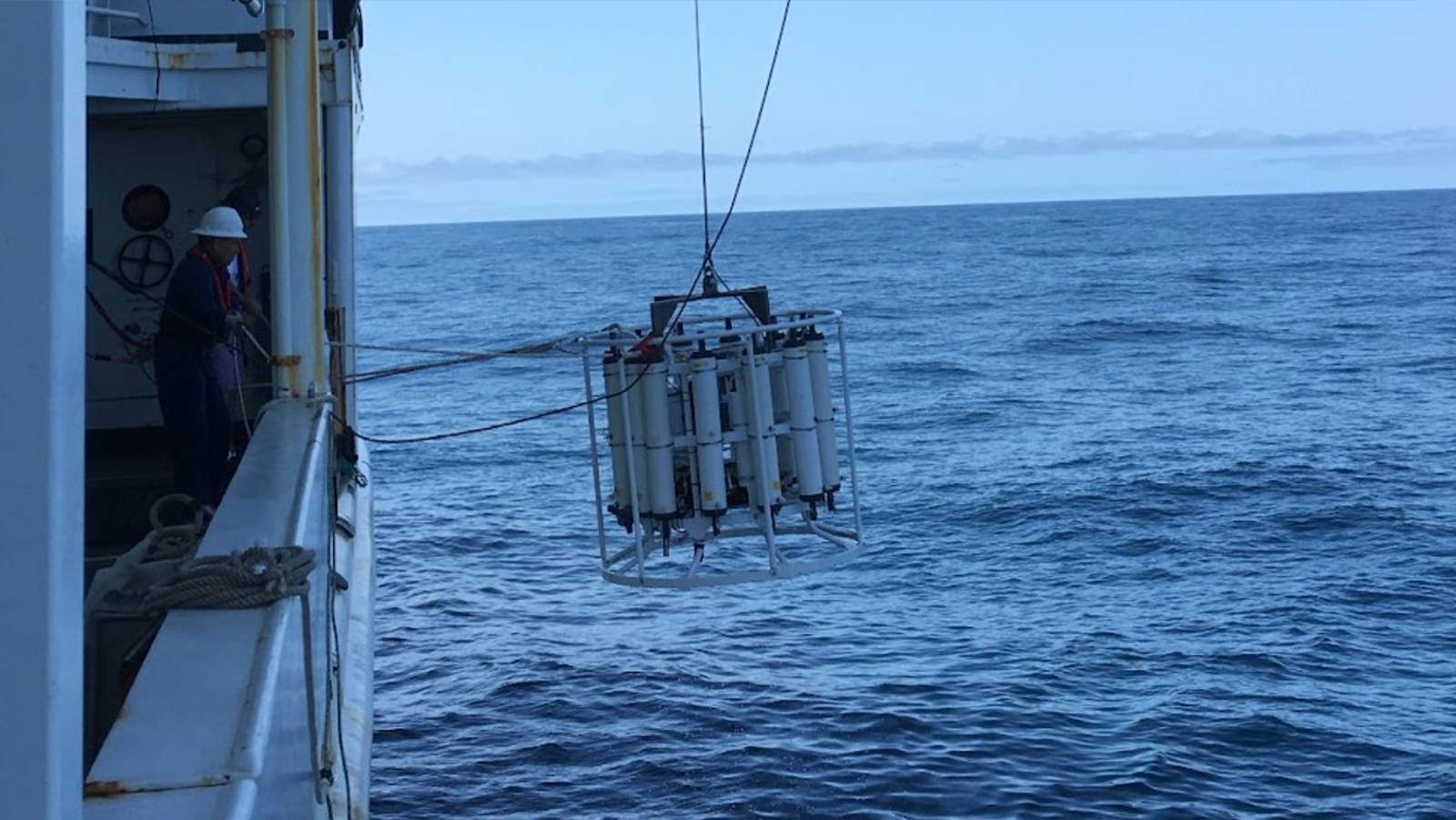
Introducing a new social media series from NOAA’s Atlantic Oceanographic and Meteorological Laboratory (AOML): 12 Days of Instruments!
This series highlights 12 of the many instruments used by our researchers at AOML! Each of these instruments are vital to conducting our groundbreaking research.
NOAA affiliated scientists led a water quality and biodiversity workshop in São Paulo, Brazil, meeting with local leadership to discuss new plans for the sustainable management of an increasingly vulnerable coastal area.
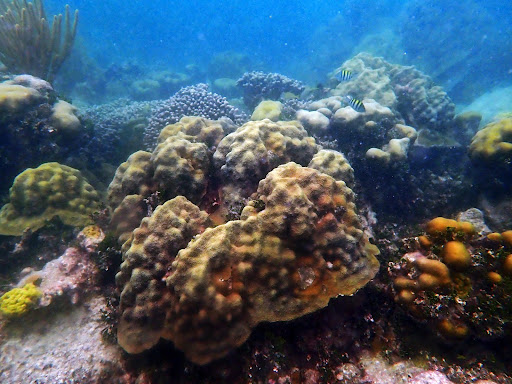
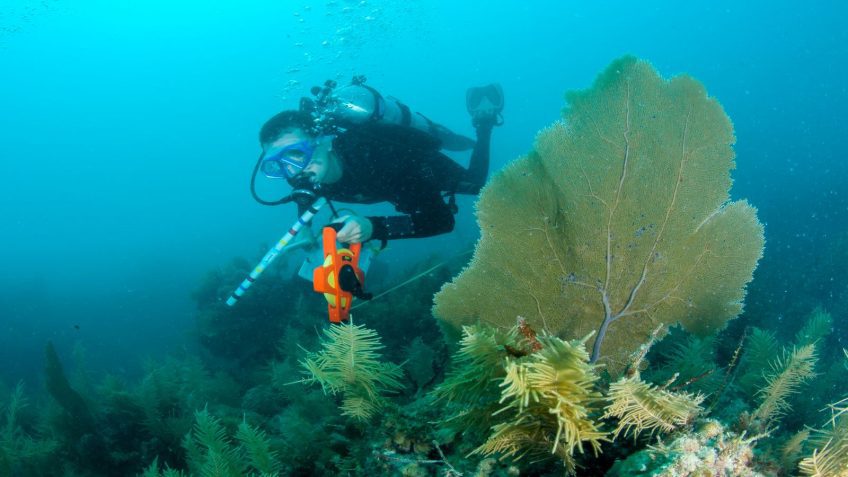
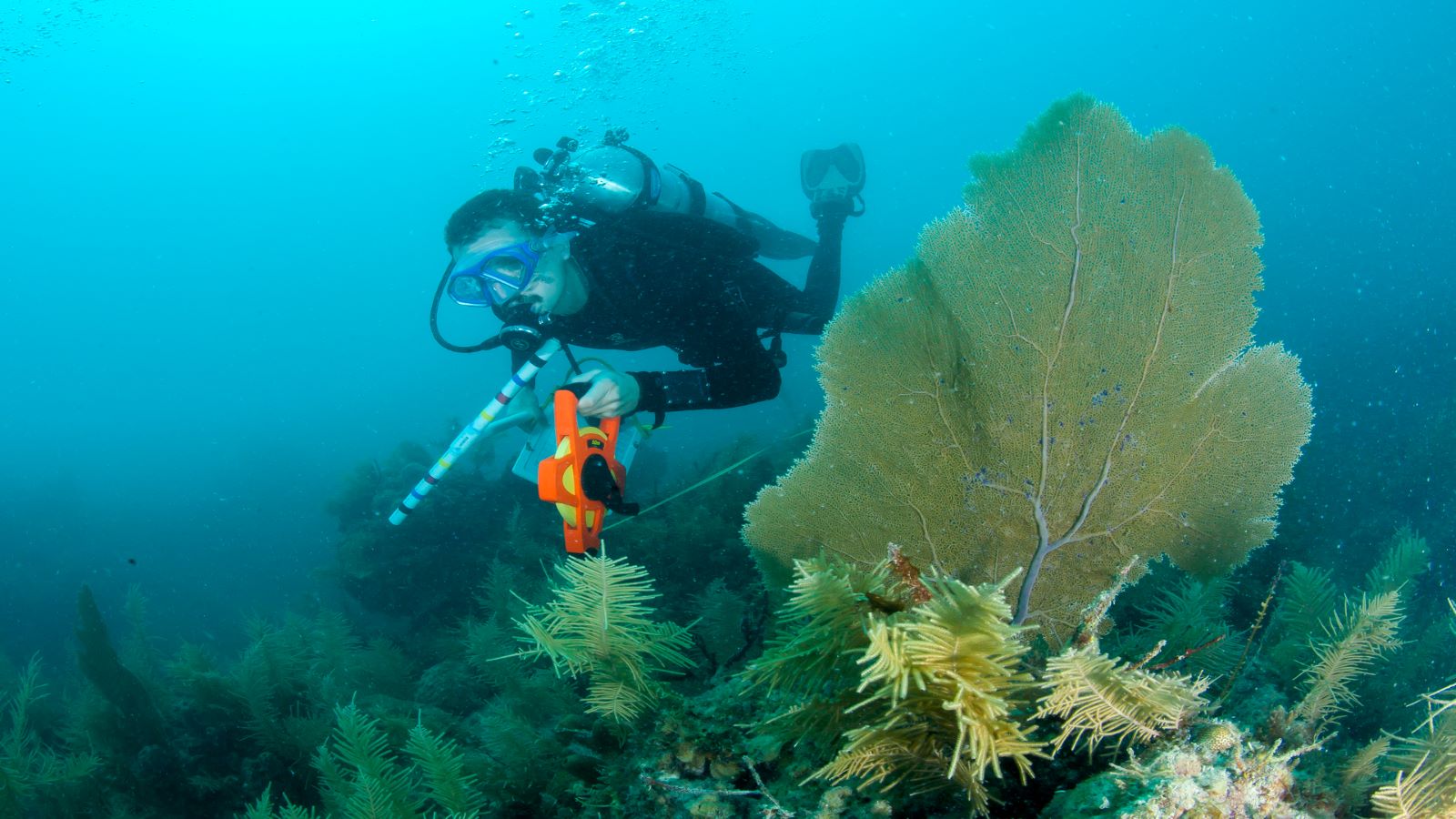
A group of scientists from NOAA’s Atlantic Oceanographic and Meteorological Laboratory and the University of Miami’s Cooperative Institute of Marine and Atmospheric Studies have found that 70 percent of Florida’s coral reefs are experiencing a net loss of reef habitat.
Coral researchers from NOAA’s Atlantic Oceanographic and Meteorological Laboratory (AOML) and the University of Miami Cooperative Institute of Marine and Atmospheric Science (CIMAS) recently organized into three teams and ventured into the field to tackle a multitude of research projects relating to sensitive coral ecosystems in Miami and the Florida Keys. The first project, led […]
This story was adapted from an article by the University of Miami Rosenstiel School of Marine, Atmospheric, and Earth Science. A new study suggests that ships may be spreading a deadly coral disease across Florida and the Caribbean. The findings may help to establish testing and treatment methods to prevent further spread. According to lead […]
Global carbon dioxide emissions in 2022 remain at record levels and natural carbon sinks are being impacted by climate change, according to a report published last week by the Global Carbon Project.
A recent study by scientists at the University of Miami’s Rosenstiel School of Marine, Earth and Atmospheric Science, the Cooperative Institute of Marine and Atmospheric Studies (CIMAS), and NOAA’s Atlantic Oceanographic and Meteorological Laboratory (AOML) identified genetic variants in staghorn coral, Acropora cervicornis, that can tolerate elevated temperatures and nutrient pollution, two environmental stressors that […]
A recent study co-authored by Jean Lim, University of Miami CIMAS scientist working with Kelly Goodwin and Luke Thompson at NOAA’s Atlantic Oceanographic & Meteorological Laboratory, has been selected out of a wide array of publications as a spotlight paper in the latest issue of Applied and Environmental Microbiology. The focus of this special feature […]