New study led by scientists at CIMAS, AOML and NMFS reveals impacts of suspended sediment from Port Miami on early life stages of a threatened Caribbean coral species.
Read Full Article
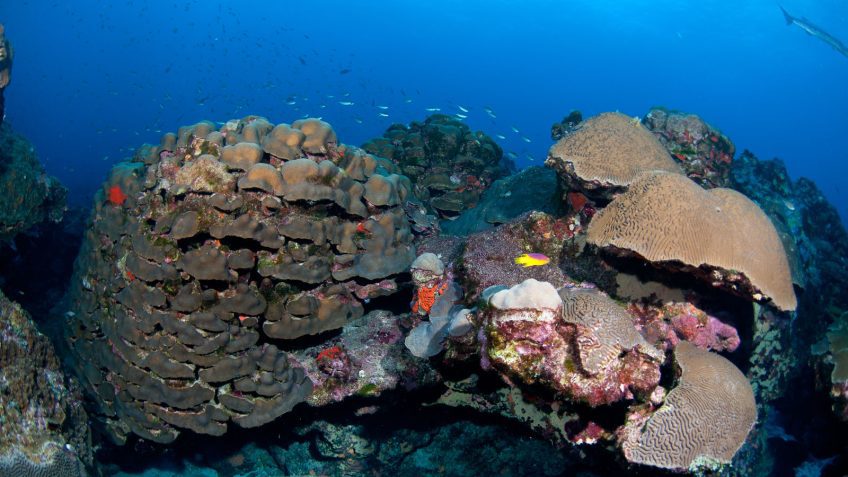
A new study spanning two decades of research may indicate a series of reefs from the surface to 150 meters deep in the Gulf of America are more resilient to warmer oceans as they are exposed to a wider range of temperatures brought on by a physical movement of seawater called “eddies.”
Read Full Article
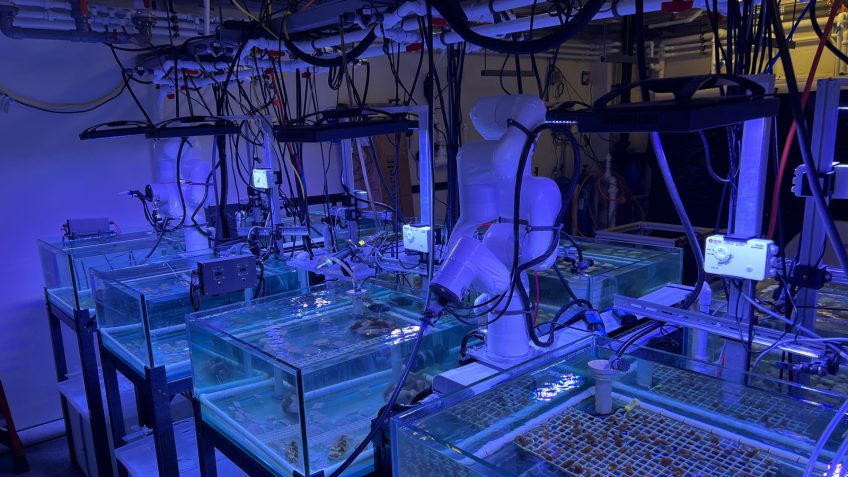
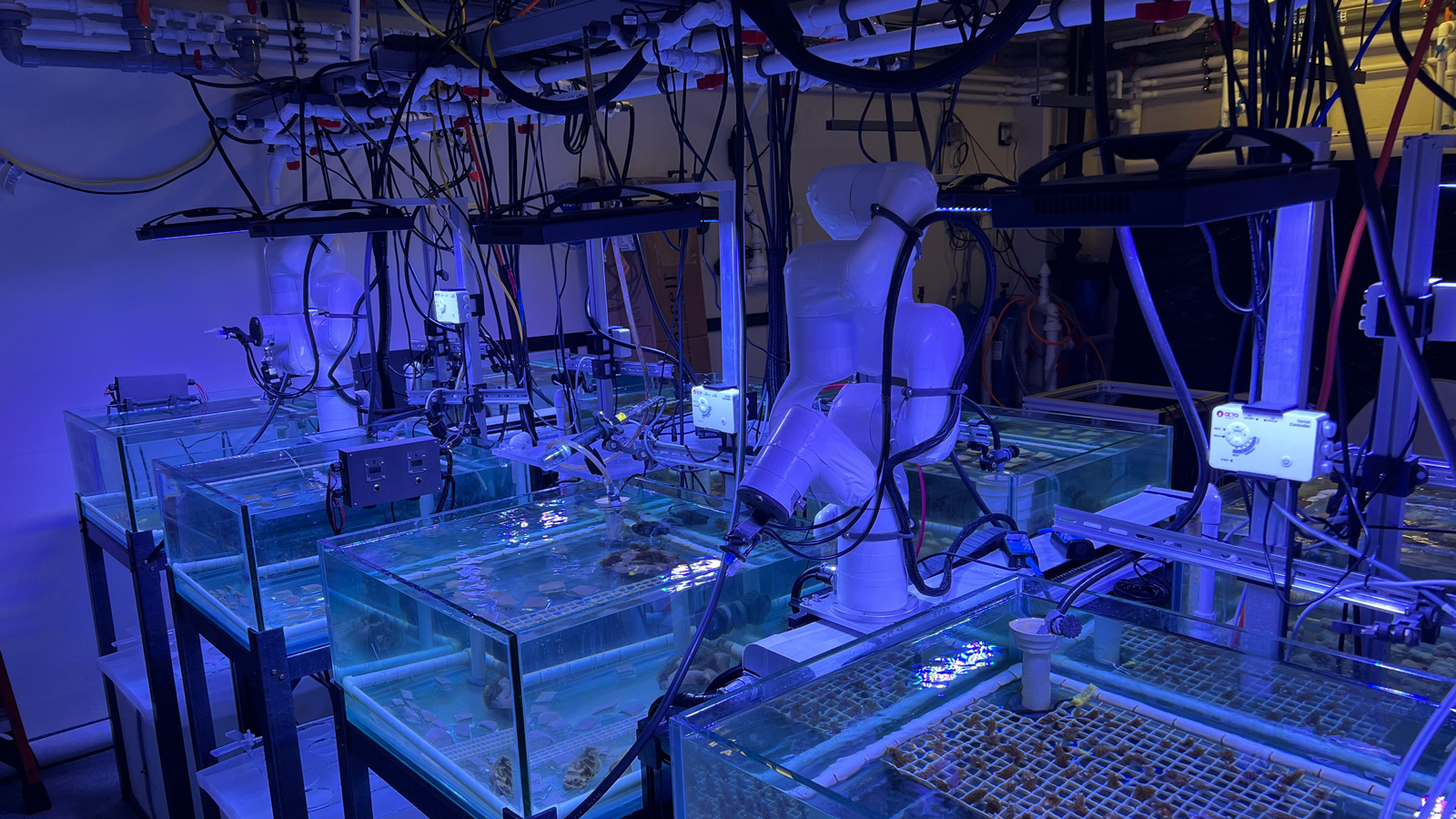
Blue lights fill the room. The faint smell of salt emanates throughout the space as wires and tubes intricately suspended over robotic arms move along custom-built tracks over four rows of tanks filled with seawater – and fragments of critically-endangered corals. In the Experimental Reef Lab, scientists at NOAA’s Atlantic Oceanographic and Meteorological Laboratory (AOML) and the Cooperative Institute for Marine and Atmospheric Studies (CIMAS) are investigating how crucial reef-building coral species are affected by the impacts of climate change using a suite of open-source robotic arms designed and built at AOML.
Read Full Article
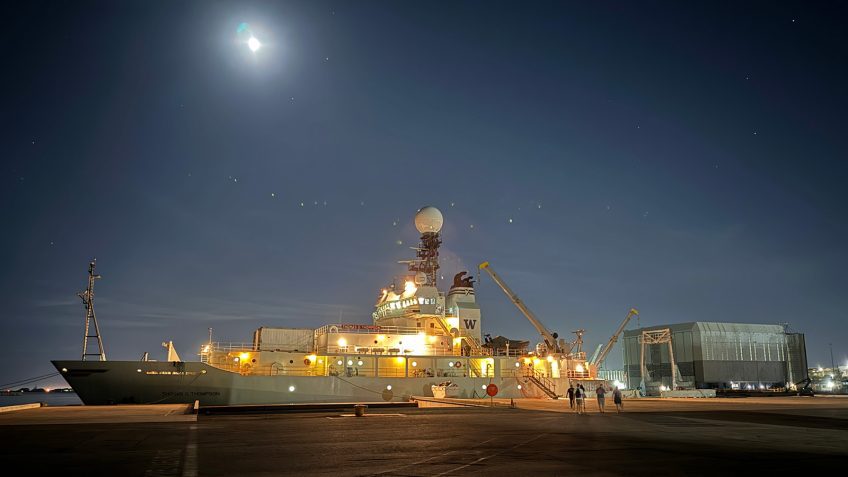
Floating ice, freezing temperatures, and streaks of lights in the night sky. The I08S GO-SHIP cruise successfully concluded on April 1st.
Read Full Article
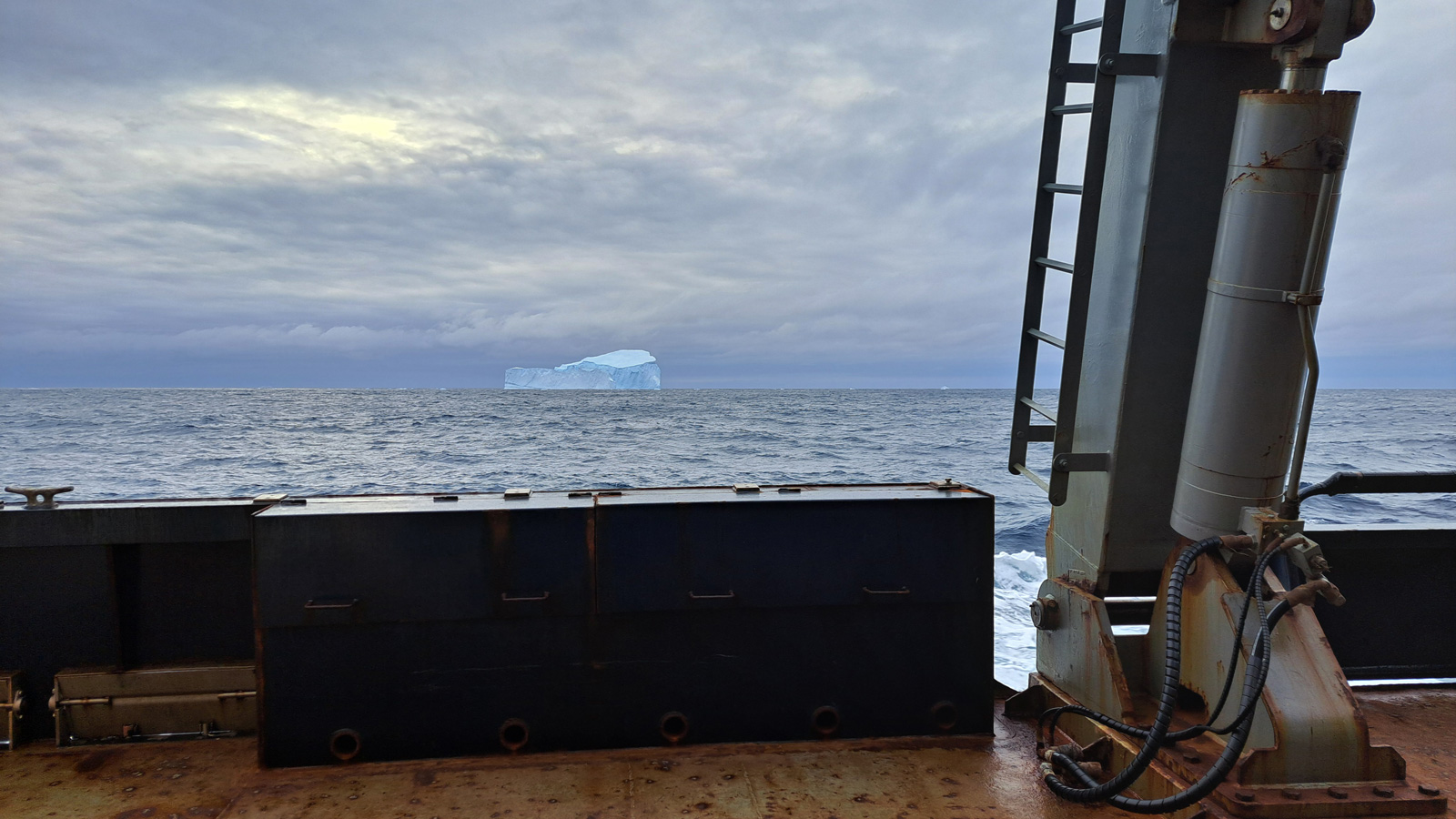
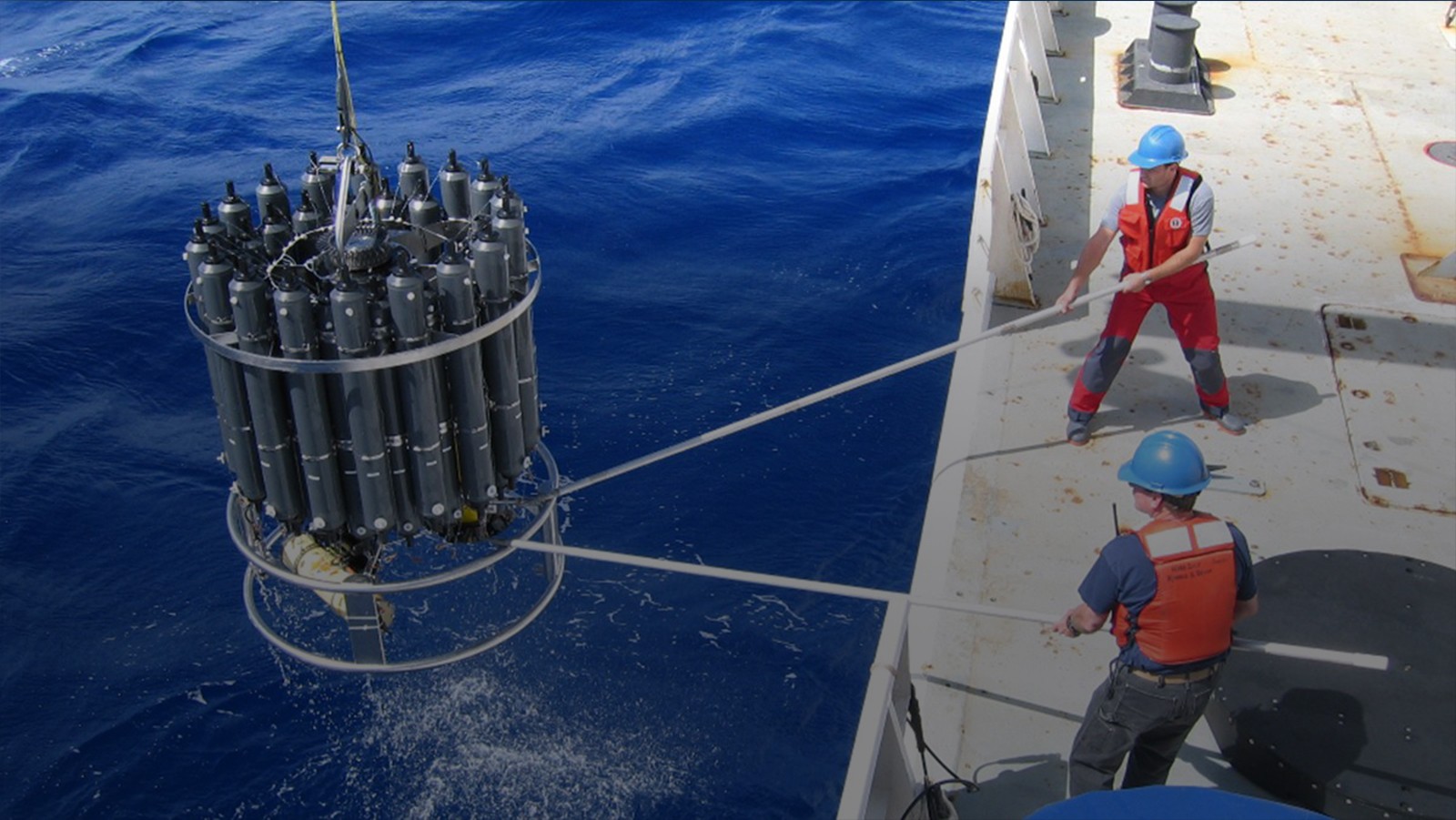
Wind, waves, and icebergs pierced through morning fog – the A13.5 GO-SHIP cruise proved both tumultuous and rewarding with vast amounts of new data that bring the promise of groundbreaking future research. After 52 days at sea, the A13.5 GO-SHIP cruise (short for “Global Ocean Ship-based Hydrographical Investigations Program”) returned to Cape Town, South Africa […]
Read Full Article
Chris Kelble, Ph.D. will serve as a Federal Coordinating Lead Author on first-ever National Nature Assessment (NAA).
Read Full Article
In honor of Black History Month, NOAA’s Atlantic Oceanographic and Meteorological Laboratory (AOML) spoke with Oceanographer Kayelyn Simmons, PhD, about her role at AOML and what Black History Month means to her. Kayelyn is a federal oceanographer at AOML, leading benthic habitat characterization studies using 3D mapping with the Ocean Chemistry and Ecosystems Division. Her […]
Read Full Article
Ship of Opportunity Program (SOOP) <!-- Collecting Upper Ocean Measurements through International Partnerships --> SCROLL TO LEARN MORE What We Do Ships at sea rely on real-time, accurate, and detailed marine forecasts to operate safely and efficiently. These forecasts depend heavily on continuous and precise ocean observations. Commercial mariners play a crucial role in collecting [...]
Read Full Article
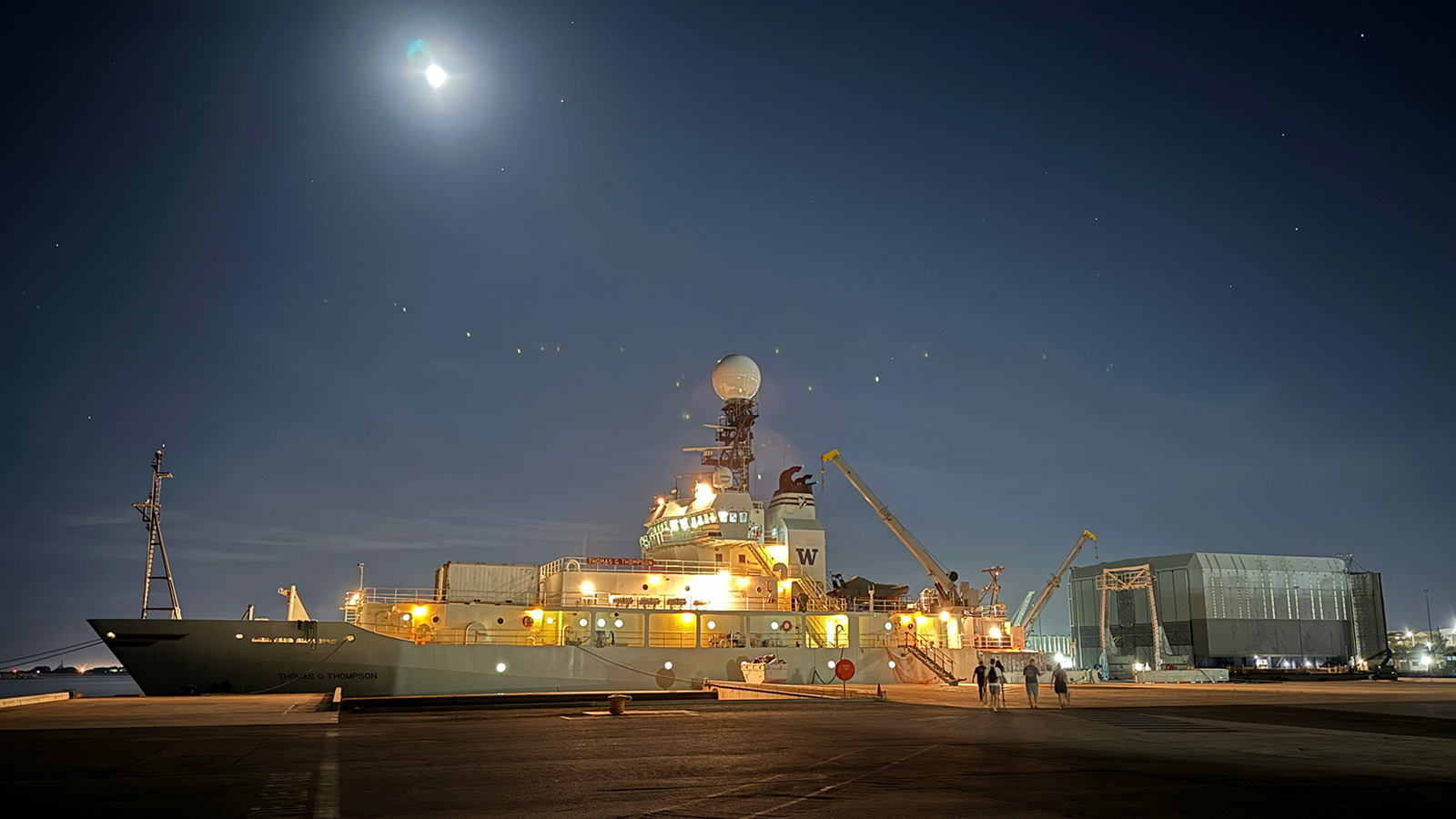
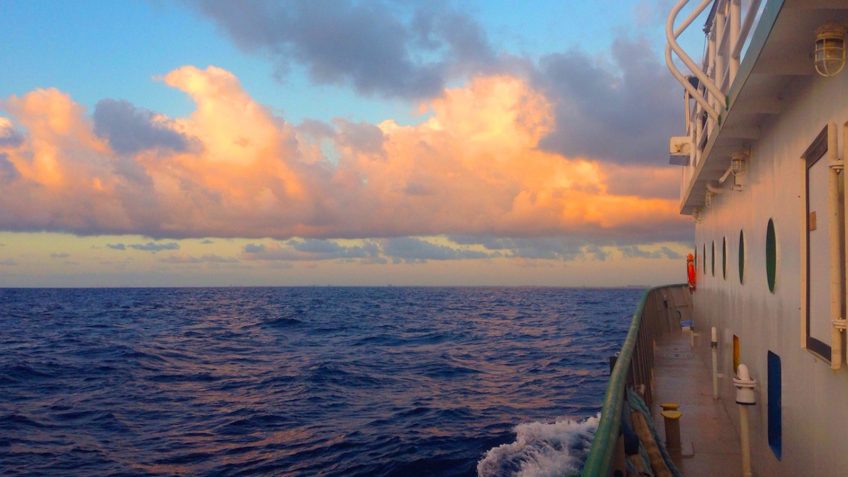
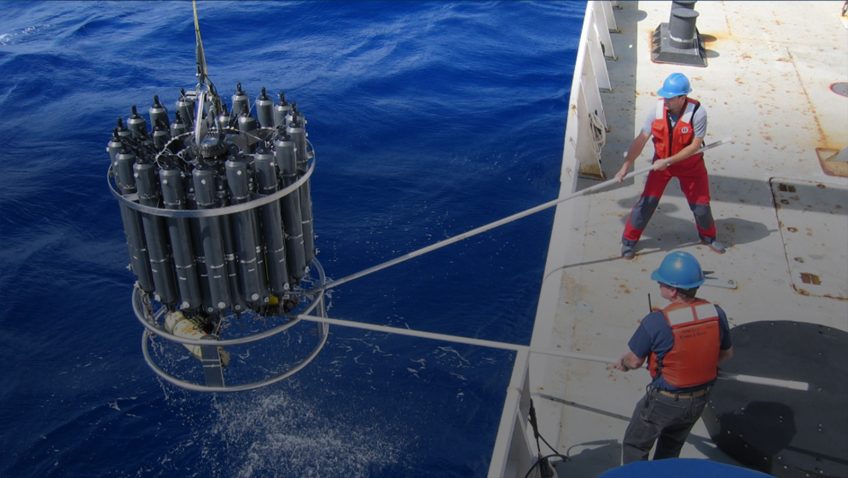
Scientists at NOAA’s Atlantic Oceanographic and Meteorological Laboratory (AOML) are gearing up for a busy season at sea with three research cruises departing in the month of February. The A13.5 Global Ocean Ship-based Hydrographic Investigations Program (GO-SHIP) cruise, the I08S GO-SHIP cruise, and the Prediction and Research Moored Array in the Tropical Atlantic (PIRATA) Northeast Extension cruise will all depart in February to collect samples from the surface to the depths of the ocean and improve our understanding of ocean circulation, carbon uptake, biological conditions, and climate variability.
Read Full Article
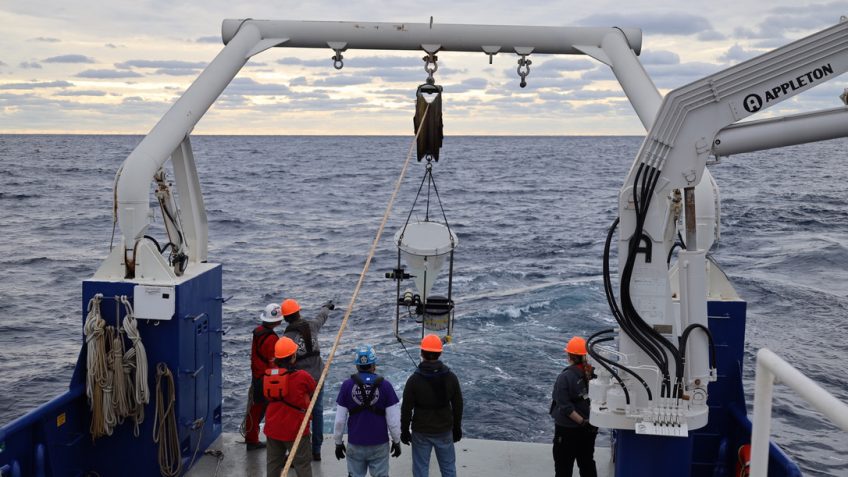
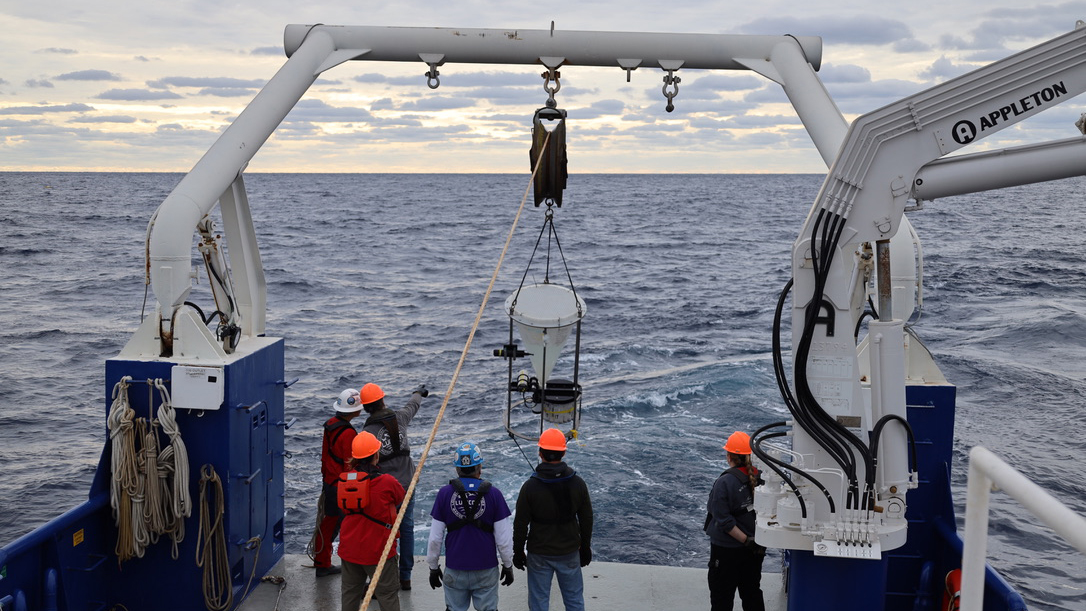
A team of scientists from AOML, the U.S. Geological Survey (USGS), and the University of South Carolina retrieve a sediment trap from the Gulf of America, spending months processing and examining the flurry of microscopic shells and environmental DNA (eDNA) of biological debris collected by the trap, known as “marine snow.” This collaborative NOAA–USGS research project uses these sediment trap samples to investigate the biological carbon pump, the ocean’s role in removing atmospheric carbon, and climate change patterns.
Read Full Article