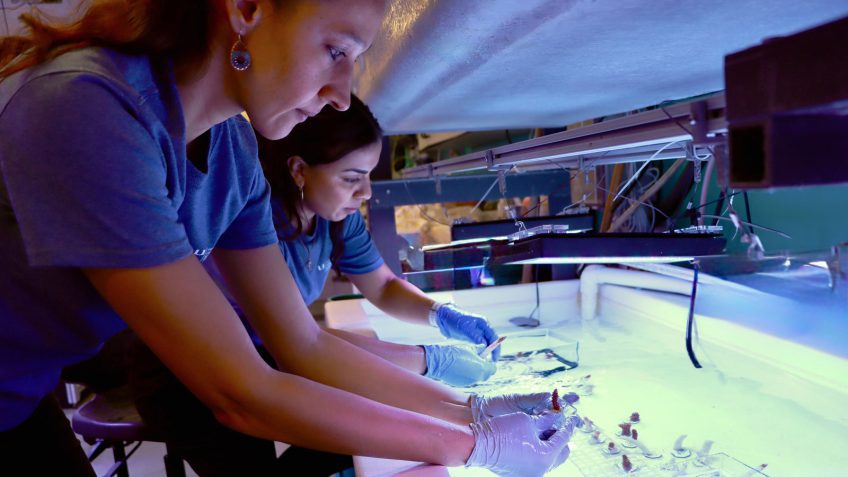
In a new study, scientists at AOML and the University of Miami’s Cooperative Institute for Marine and Atmospheric Sciences (CIMAS) demonstrated how some genotypes of the reef-building coral Acropora cervicornis (Staghorn Coral), listed on the Endangered Species Act, proved resilient when exposed to high nutrient levels or disease, but not when the two stressors were […]
Read Full Article
Diver’s drop over the gunnel. Tanks, weights, divers, and a mesh bag full of tools all descend in emerald waters beneath grey skies. Off the vessel’s bow, a yellow beacon blinks with a red flashing light and a thin data cable stretching to the seafloor, all connected to a suite of sensors twenty feet below […]
Read Full Article
A new study by scientists at the Atlantic Oceanographic and Meteorological Laboratory (AOML) and the Cooperative Institute for Marine and Atmospheric Sciences (CIMAS) provides new insights for effective restoration of the crucial reef-building coral species Acropora palmata, or Elkhorn coral. Applying ‘Omics techniques to investigate how habitat and coral microbiomes influence ongoing restoration efforts, this […]
Read Full Article
Every year, scientists at AOML participate in the international effort led by the University of Exeter’s Global Systems Institute in developing the annual Global Carbon Budget Report, an assessment of global carbon emissions and the progress towards achieving the climate goals set by the 2016 Paris Agreement. The 2024 Global Carbon Budget Report now indicates […]
Read Full Article
The air and surface temperature tip just above freezing. Cruiseliner Ponant’s 492-ft vessel Le Commandant Charcot floats idle at marked coordinates in the Arctic tundra between Alaska and Norway. On the aft deck, a team of scientists deploys Niskin bottles using a handcrank to the depths, collecting water samples 900 meters below an ocean blanketed […]
Read Full Article
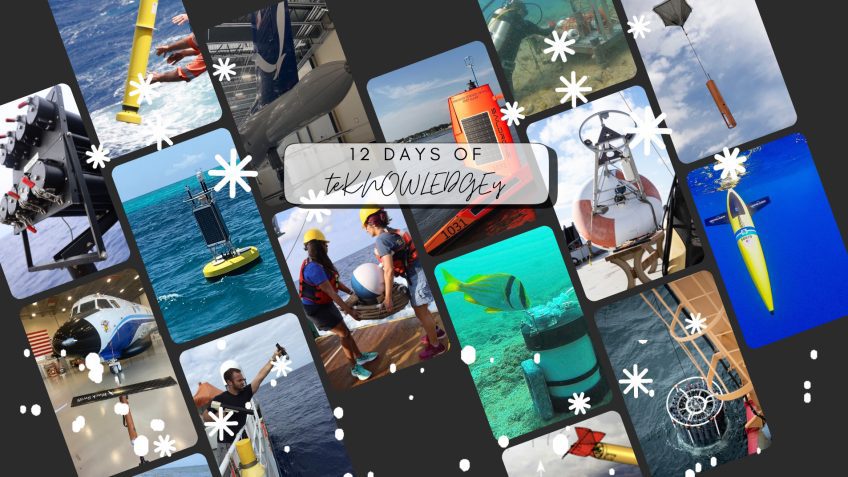
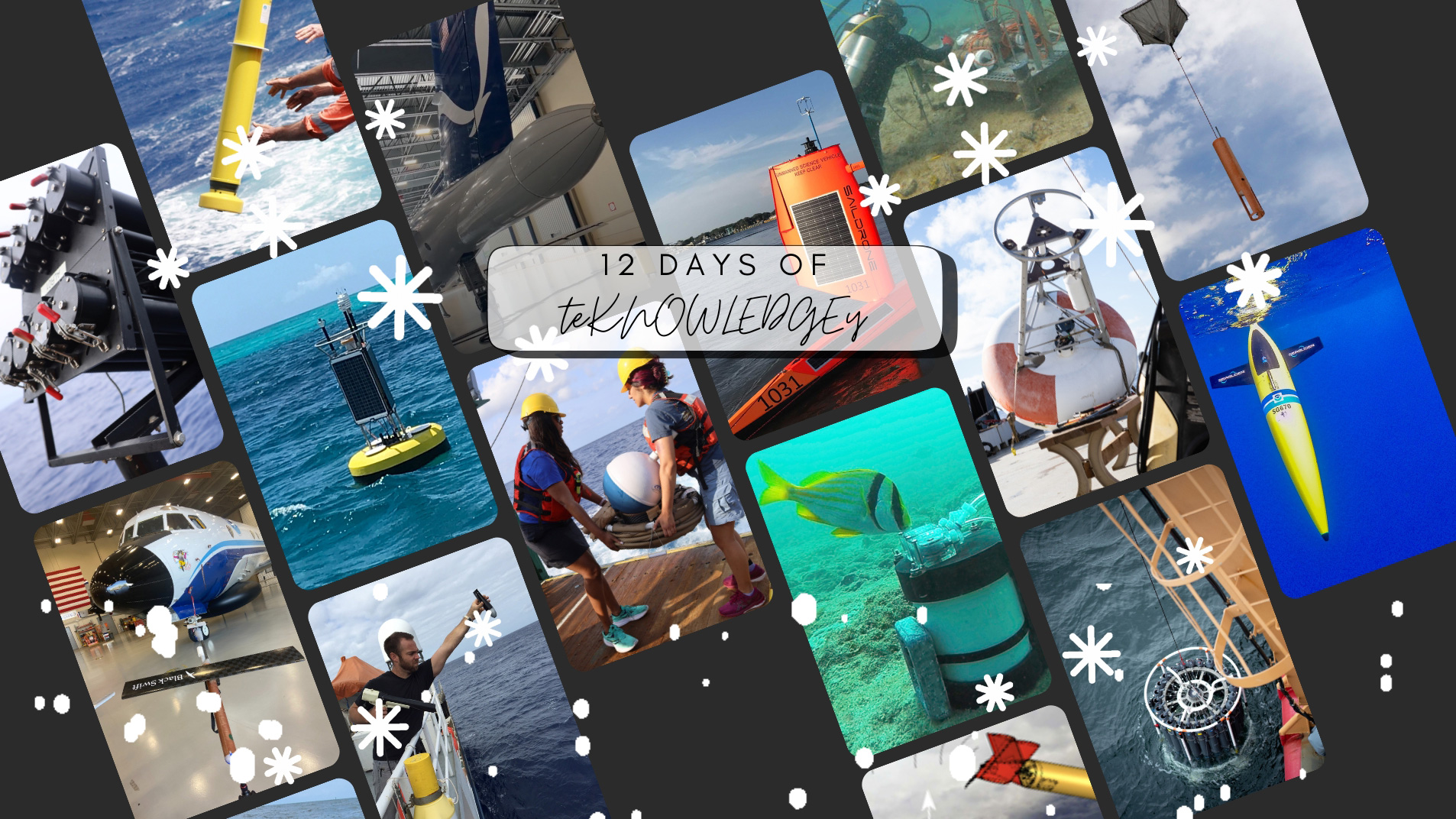
Behind every research project at NOAA’s Atlantic Oceanographic and Meteorological Laboratory (AOML) are a suite of instruments. Whether descending to depths or weathering storms, these technologies are paramount to oceanic and atmospheric observations. Get to know 12 of these instruments with a new social media series: 12 Days of teKNOWLEDGEy! On the 1st day of […]
Read Full Article
AOML scientists, staff, and team members were recognized this year for their outstanding contributions and dedication to NOAA’s mission. The following individuals and teams are recipients of prestigious awards that acknowledge their dedication to sharing our mission and initiatives with the community, fostering deeper connections and leaving a lasting, positive impact on the lives of those we serve.
Read Full Article
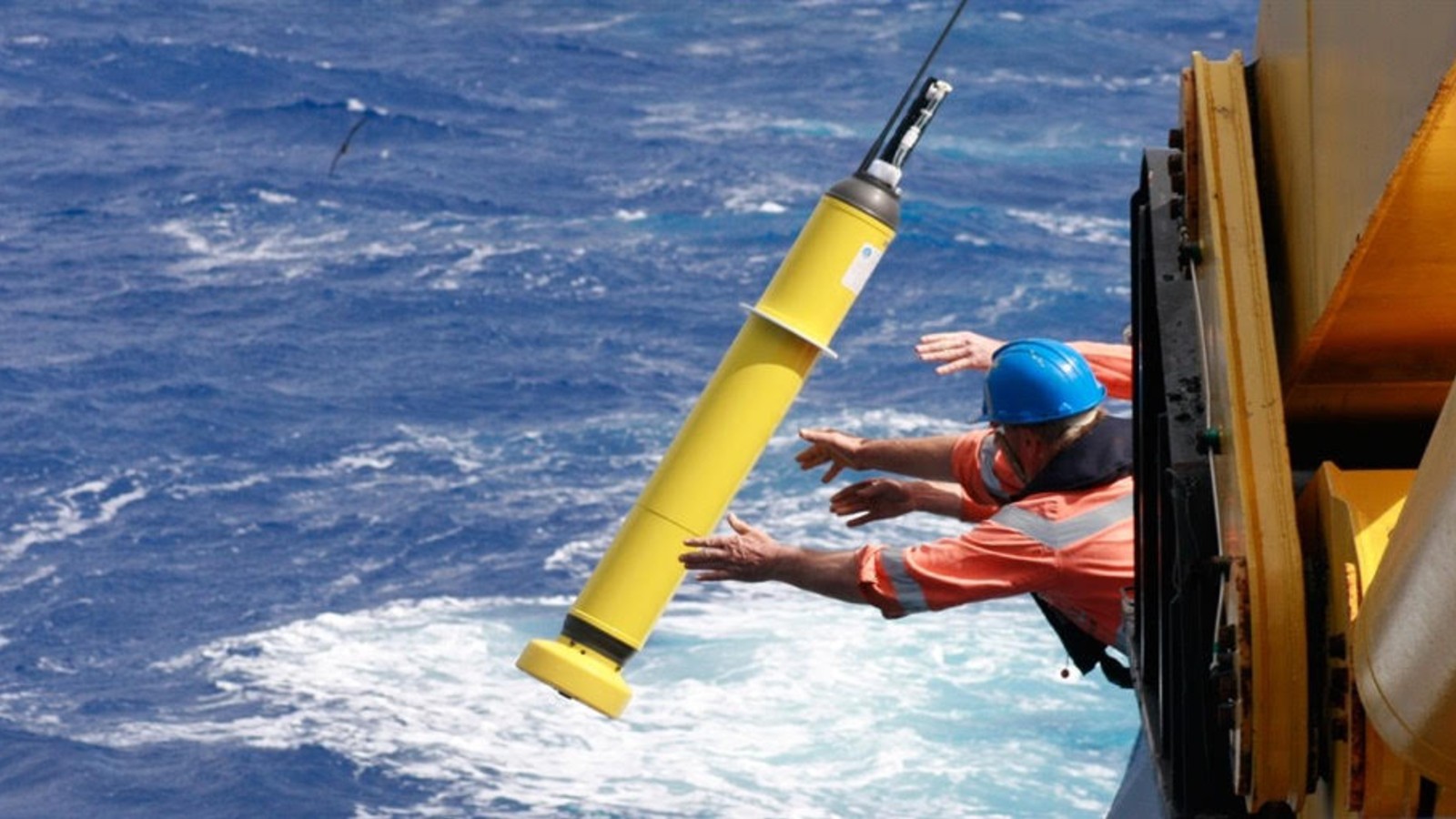
Originally published on noaa.gov on December 11, 2024. Somewhere in the middle of the ocean, a merchant mariner lowers a cylindrical robotic ocean observing instrument from a ship into the sea to record ocean temperature and salinity. Another instrument is deployed from a plane into the eye of a hurricane to take the pulse of […]
Read Full Article
Mission: Iconic Reefs Environmental Monitoring Monitoring Impacts of Changing Ocean Conditions on US Coral Reefs SCROLL TO LEARN MORE What We Do Monitoring Coral Reefs in Real-Time AOML Coral Program scientists are assessing the impacts of ocean acidification and rising sea surface temperatures on coral reef ecosystems within the Florida Keys National Marine Sanctuary in [...]
Read Full Article
The waves lap at the bow of the RV Cable while glimmers of Cheeca Rocks, a bustling inshore patch reef, ebb and flow into focus below the surface. For eleven consecutive weeks, the Coral Program at NOAA’s Atlantic Oceanographic and Meteorological Laboratory (AOML) laid anchor at this long-term monitoring site to deploy and maintain Benthic […]
Read Full Article