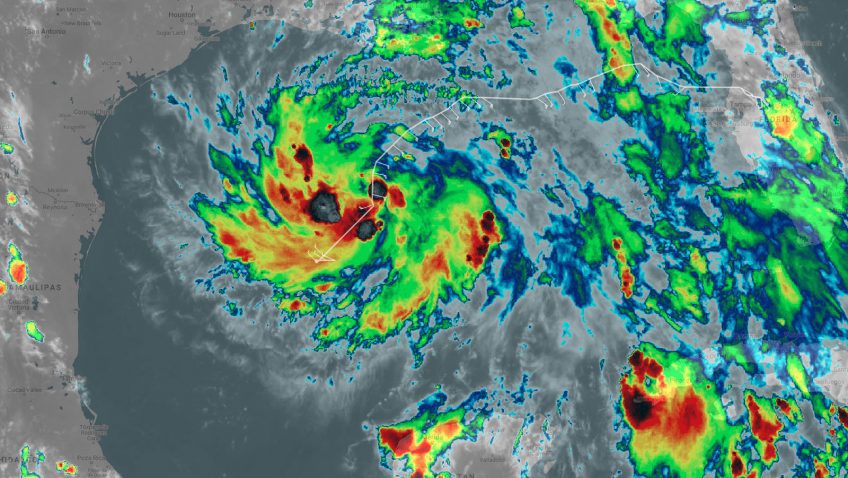
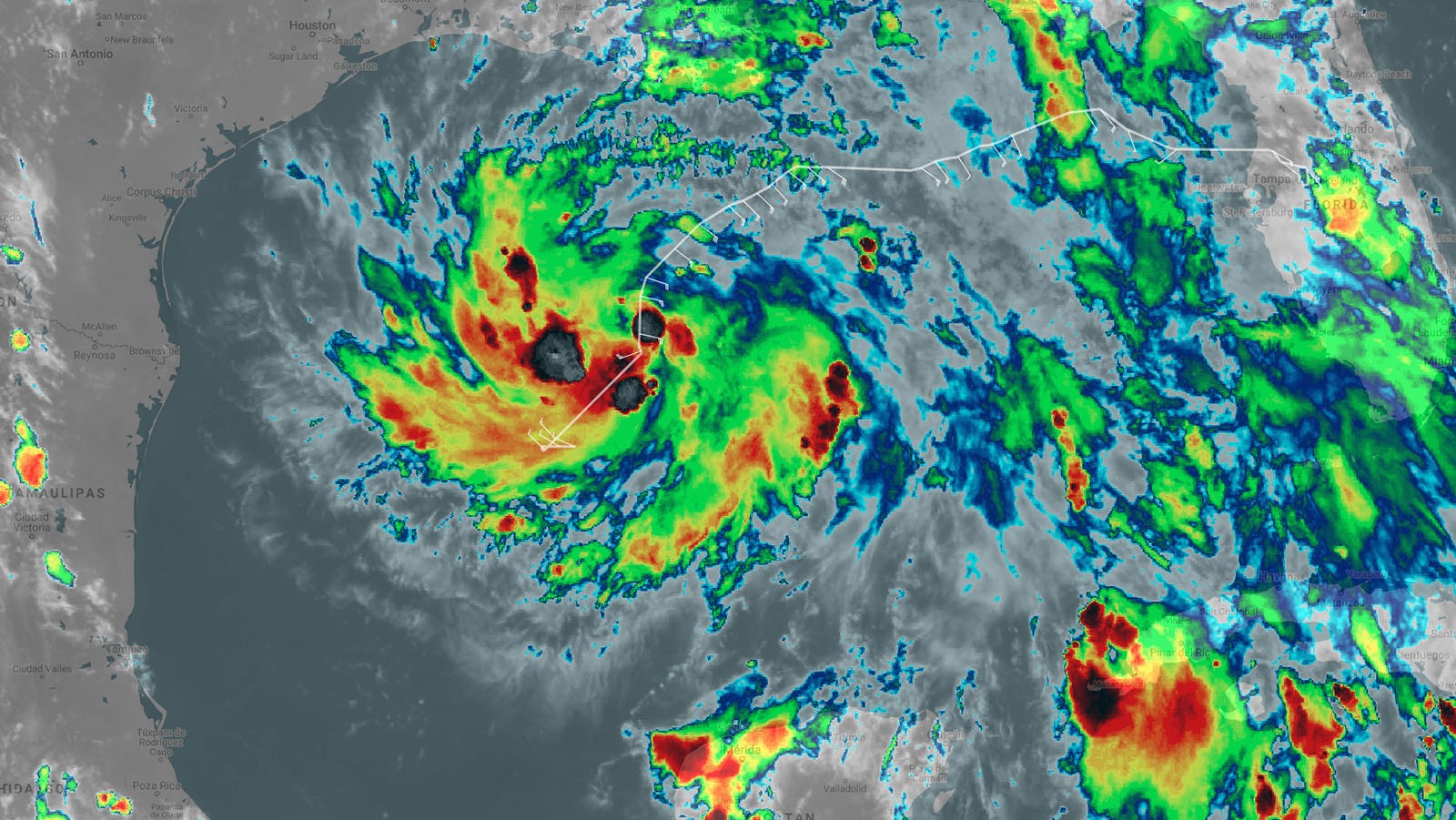
AOML Supports Operational Missions into Gulf of America Tropical Storm
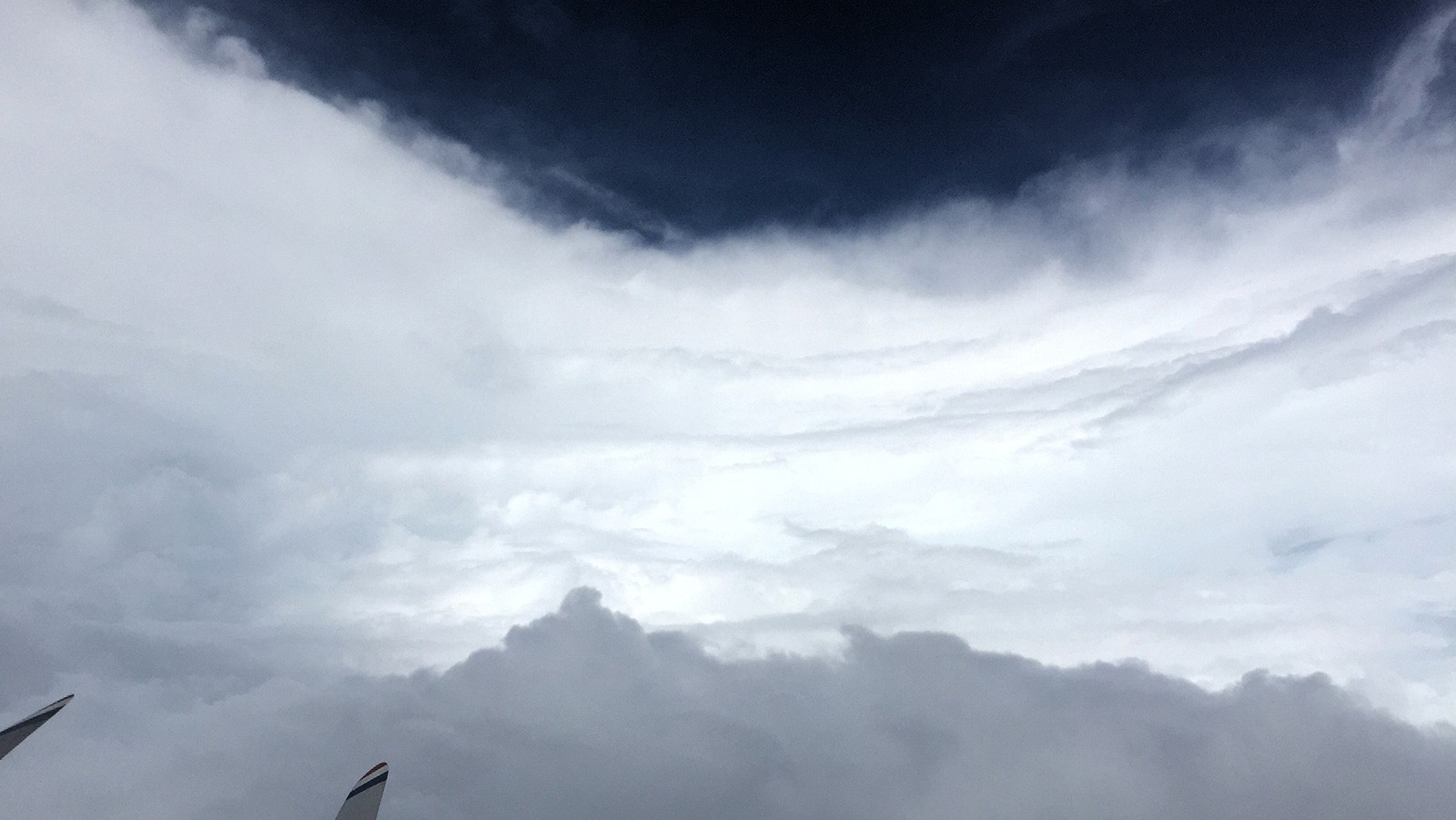
The National Hurricane Center tasked NOAA’s Hurricane Hunter aircraft to investigate Tropical Depression Eight in the Gulf of America Thursday, July 23, 2020.
The National Hurricane Center tasked NOAA’s Hurricane Hunter aircraft to investigate Tropical Depression Eight in the Gulf of America Thursday, July 23, 2020.
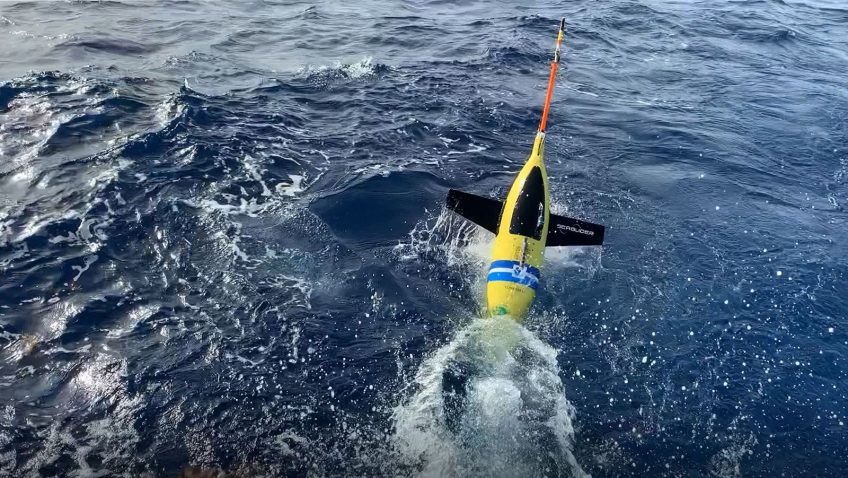
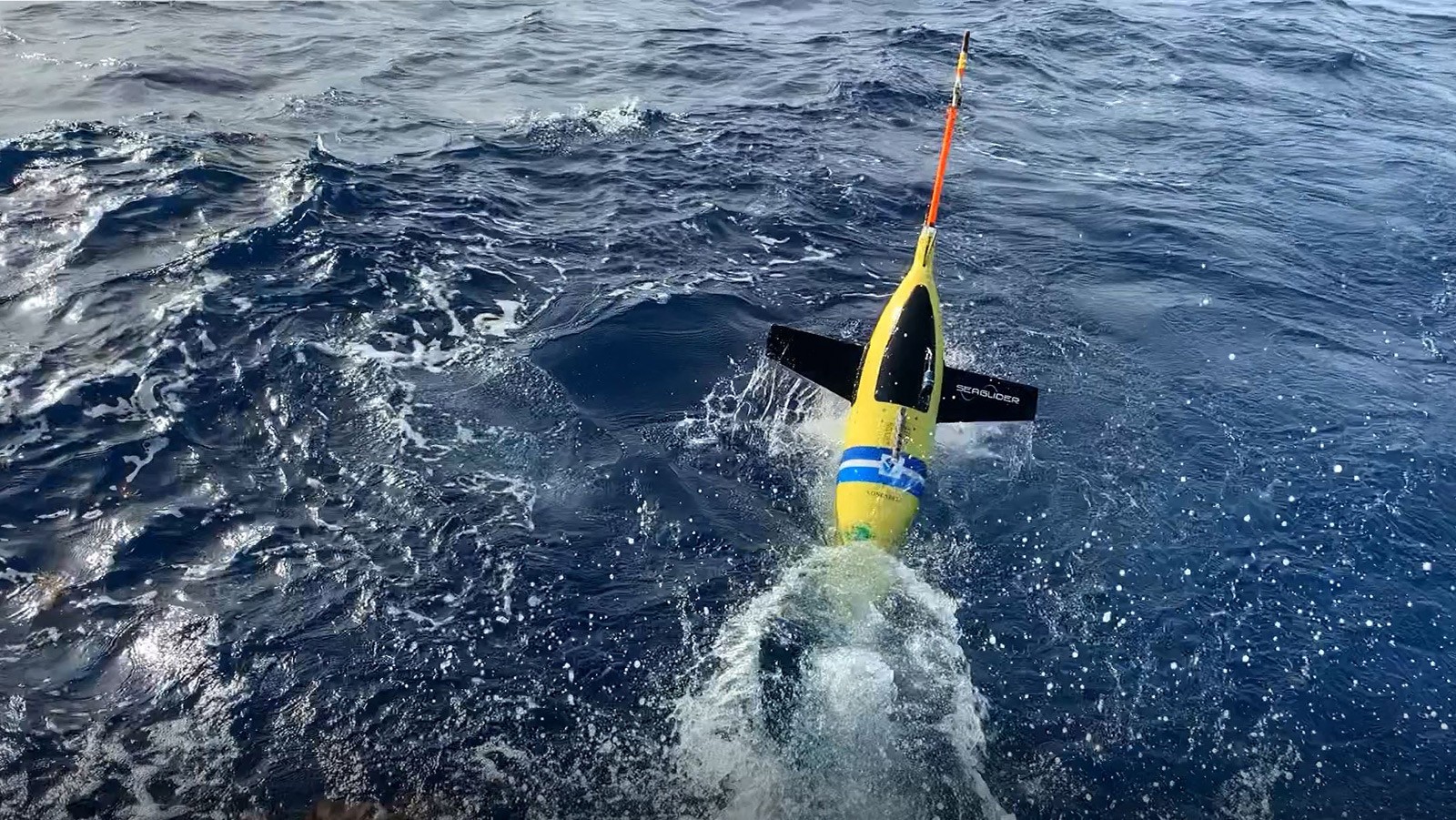
NOAA’s hurricane gliders are heading to sea this week off the coasts of Puerto Rico, the Gulf of America and the eastern U.S. to collect data that scientists will use to improve the accuracy of hurricane forecast models.
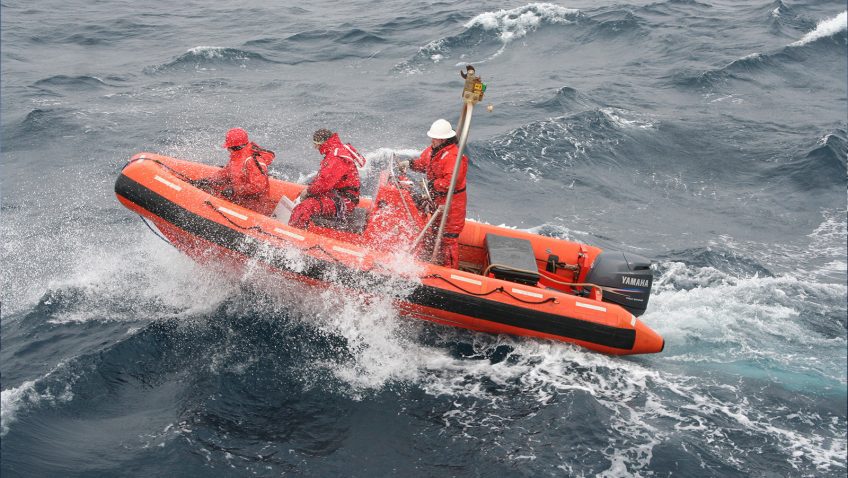
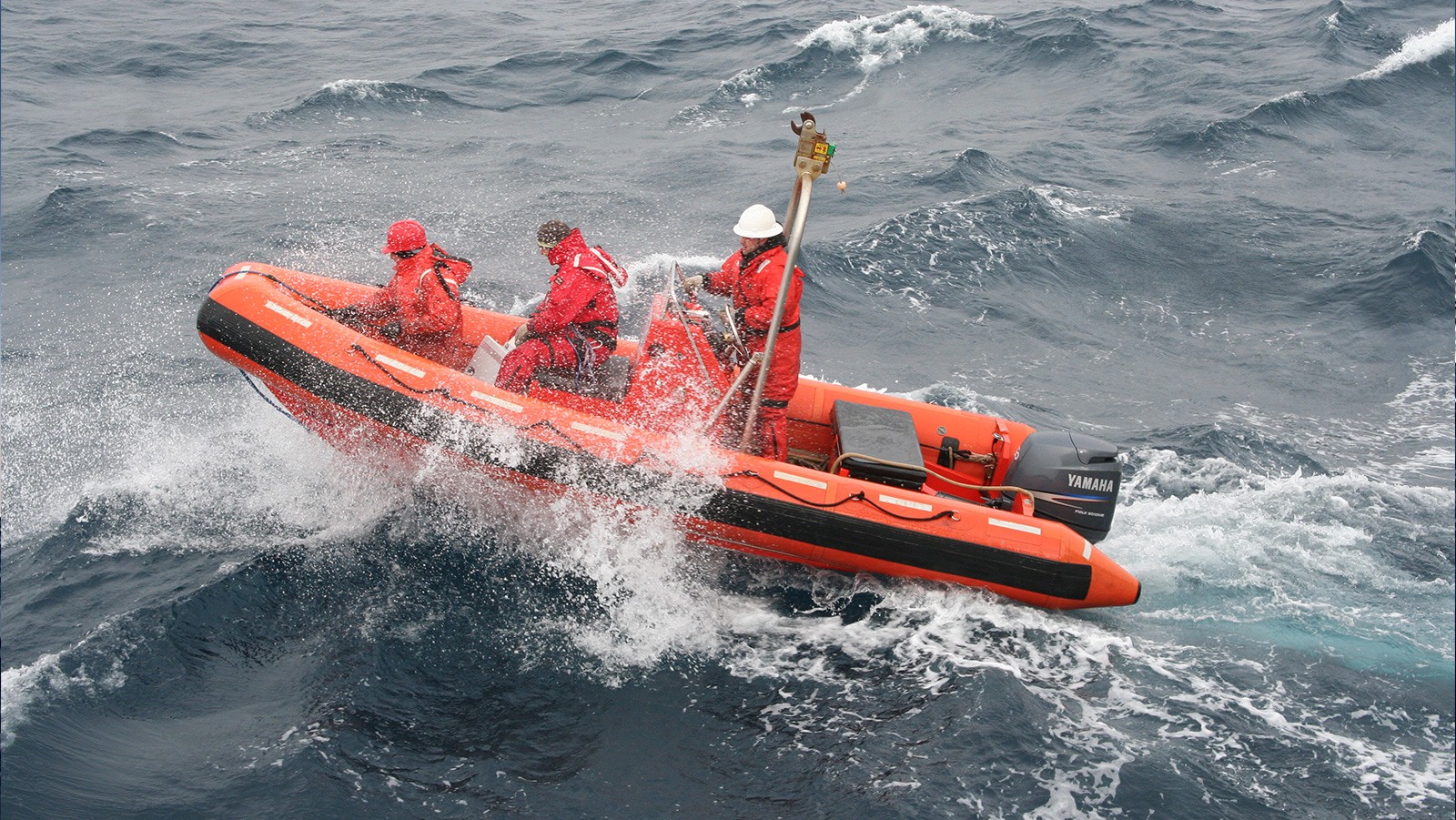
NOAA’s Global Ocean Monitoring and Observation Division and Global Drifter Program recently extended a helping hand to support deployment of commercial Spotter drifters, supported by the U.S. Navy’s Office of Naval Research. These specialized drifters are designed to measure waves, in addition to winds and sea surface temperature, providing valuable data to scientists to be used in hurricane forecast models.
A recent study published in the journal Atmosphere evaluated for the first time, how well NOAA’s regional hurricane model was able to forecast the location and amount of devastating rainfall in 2017’s Hurricane Harvey. The Hurricane Weather Research and Forecasting (HWRF) model predicted the realistic total rainfall and the location of the maximum rainfall of Hurricane Harvey, which were the most devastating impacts of the storm’s landfall in coastal Texas.
Originally Published Wednesday, June 24, 2020 at NOAA NESDIS
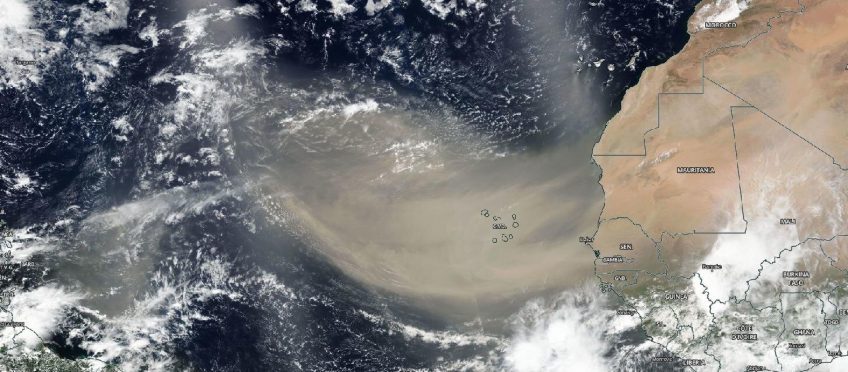
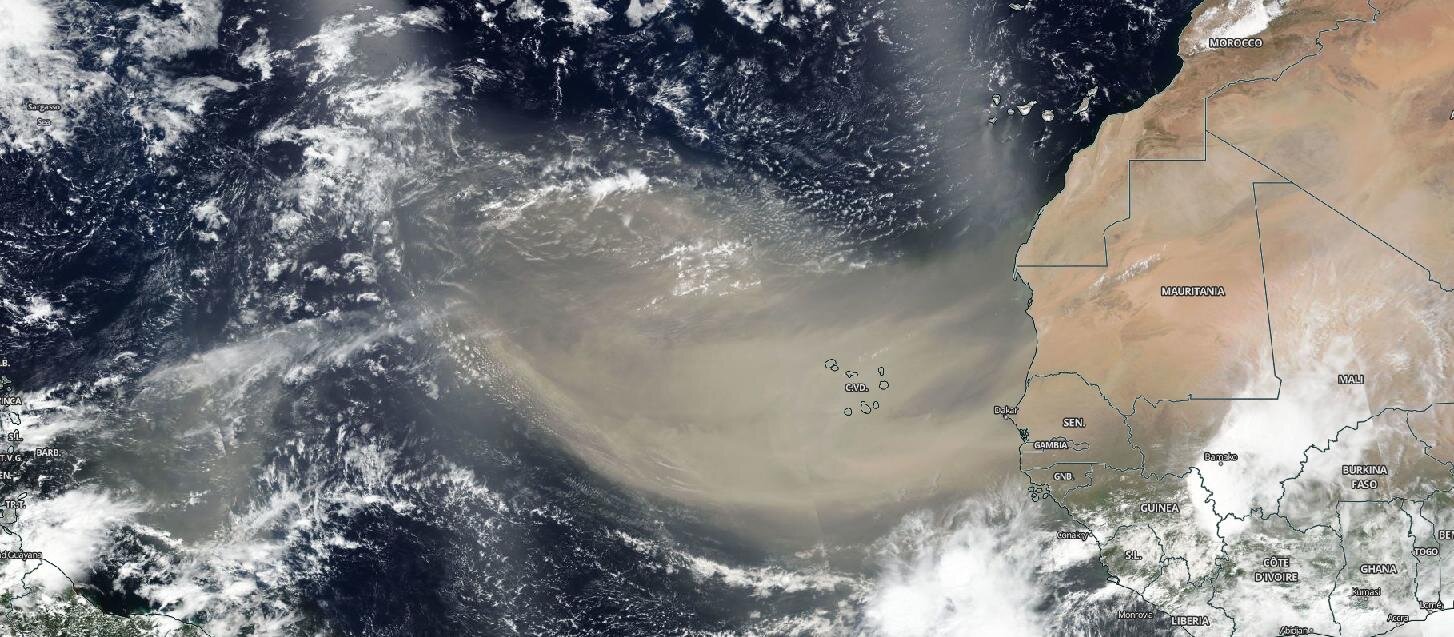
As we move through the 2020 Atlantic Hurricane Season, you will no doubt hear a lot about the Saharan Air Layer—a mass of very dry, dusty air that forms over the Sahara Desert during the late spring, summer and early fall. This layer can travel and impact locations thousands of miles away from its African origins, which is one reason why NOAA uses the lofty perspective of its satellites to track it.
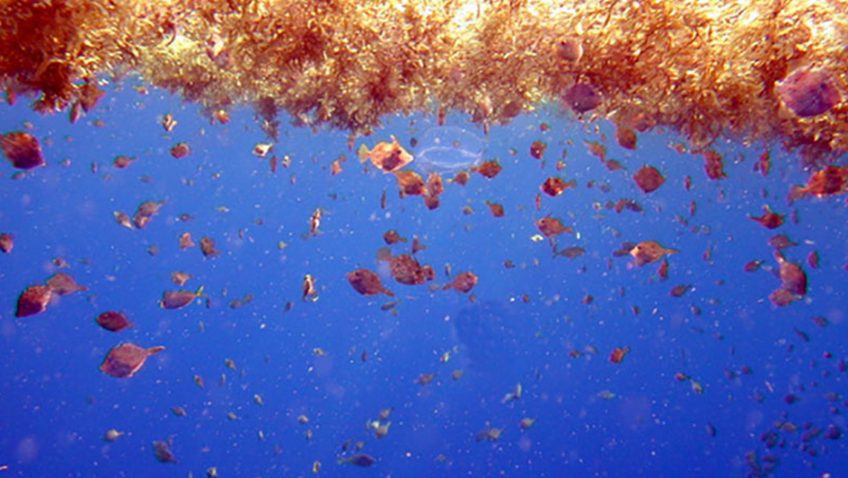
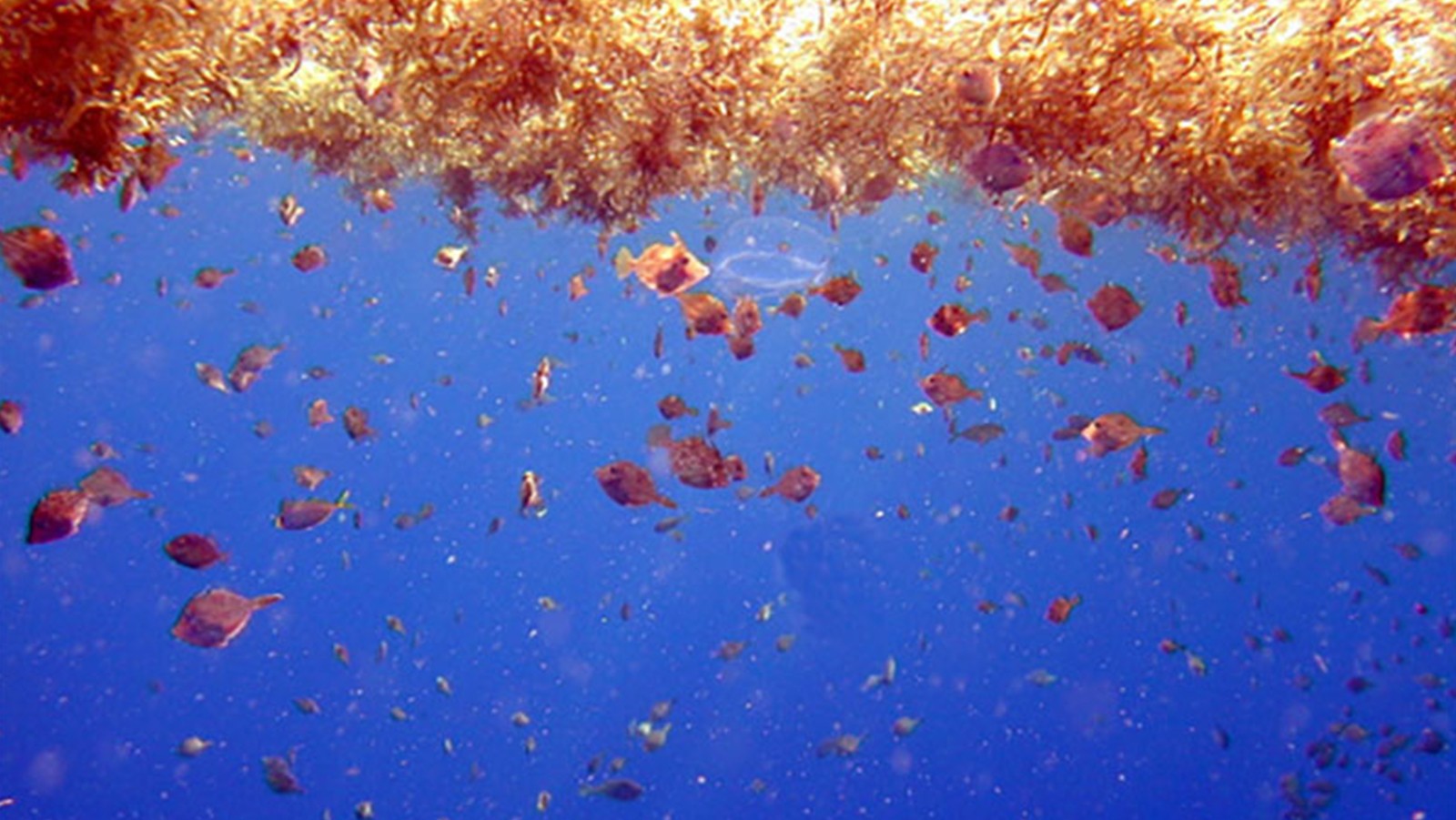
Coastal communities surrounding the northern Caribbean Sea have experienced an abundance of brown algae, known as pelagic Sargassum, washing up along their beaches since 2011. In a recent study conducted by AOML scientists, it was found that Sargassum beaching predictions can be improved by accounting for windage in models.
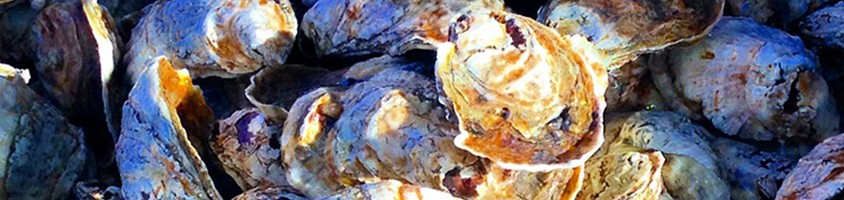
According to AOML scientists, the advancements made in genomics and whole genome sequencing has completely redefined the understanding of Vibrio. These advances have helped provide a clearer picture of how bacteria spread, emerge, and cause disease. Vibrio is a genus of bacteria that has a strong affinity for the environmental conditions in freshwater and marine […]
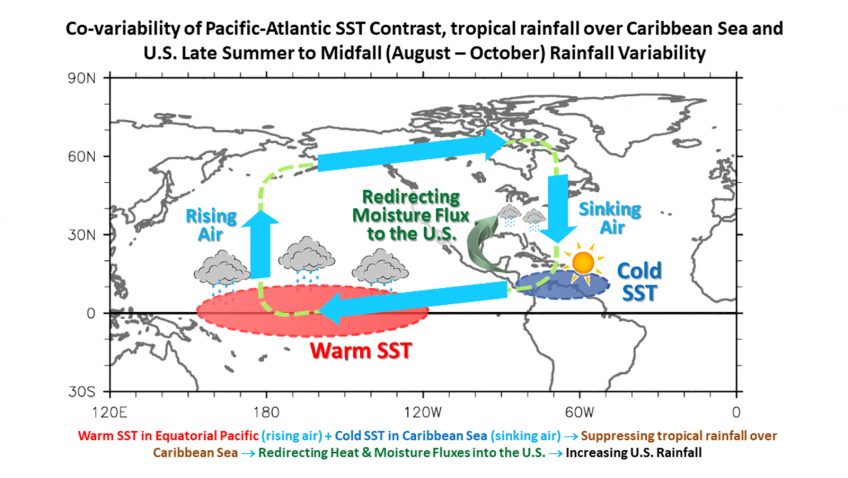
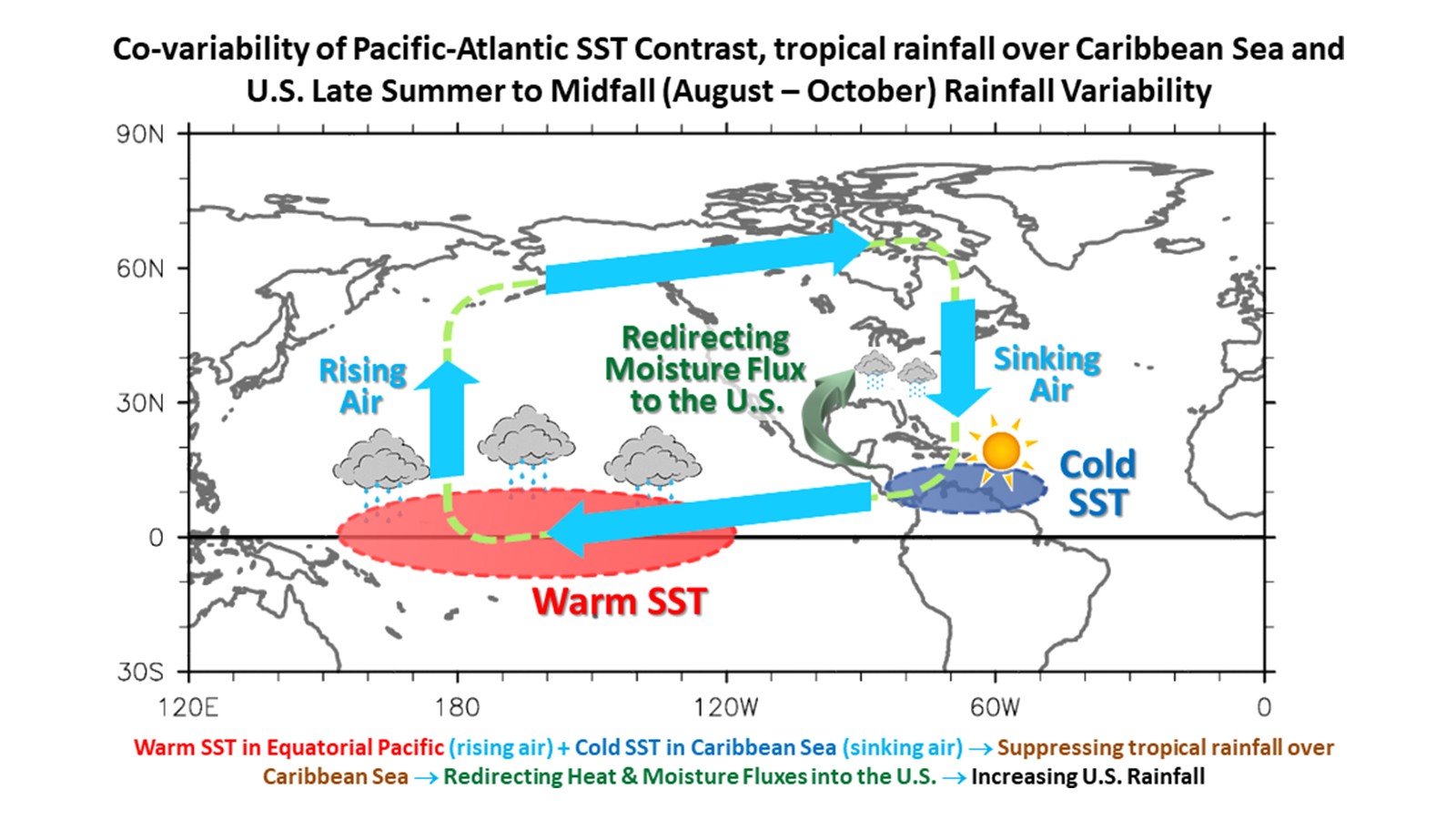
In a recent article published in Geophysical Research Letters, AOML and CIMAS scientists investigated U.S. rainfall variability, focusing on the late summer to mid-fall (August-October) season. The main goal of the study was to identify potential predictors of U.S. precipitation during August-October and to explore the underlying physical mechanisms.
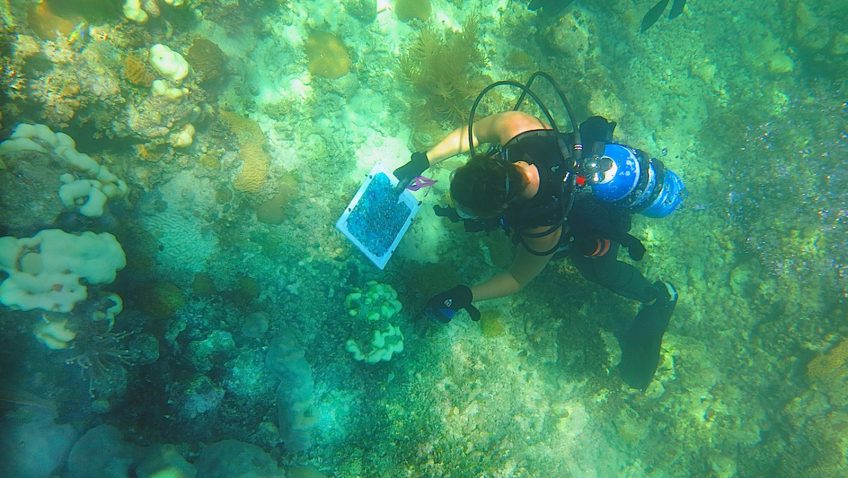
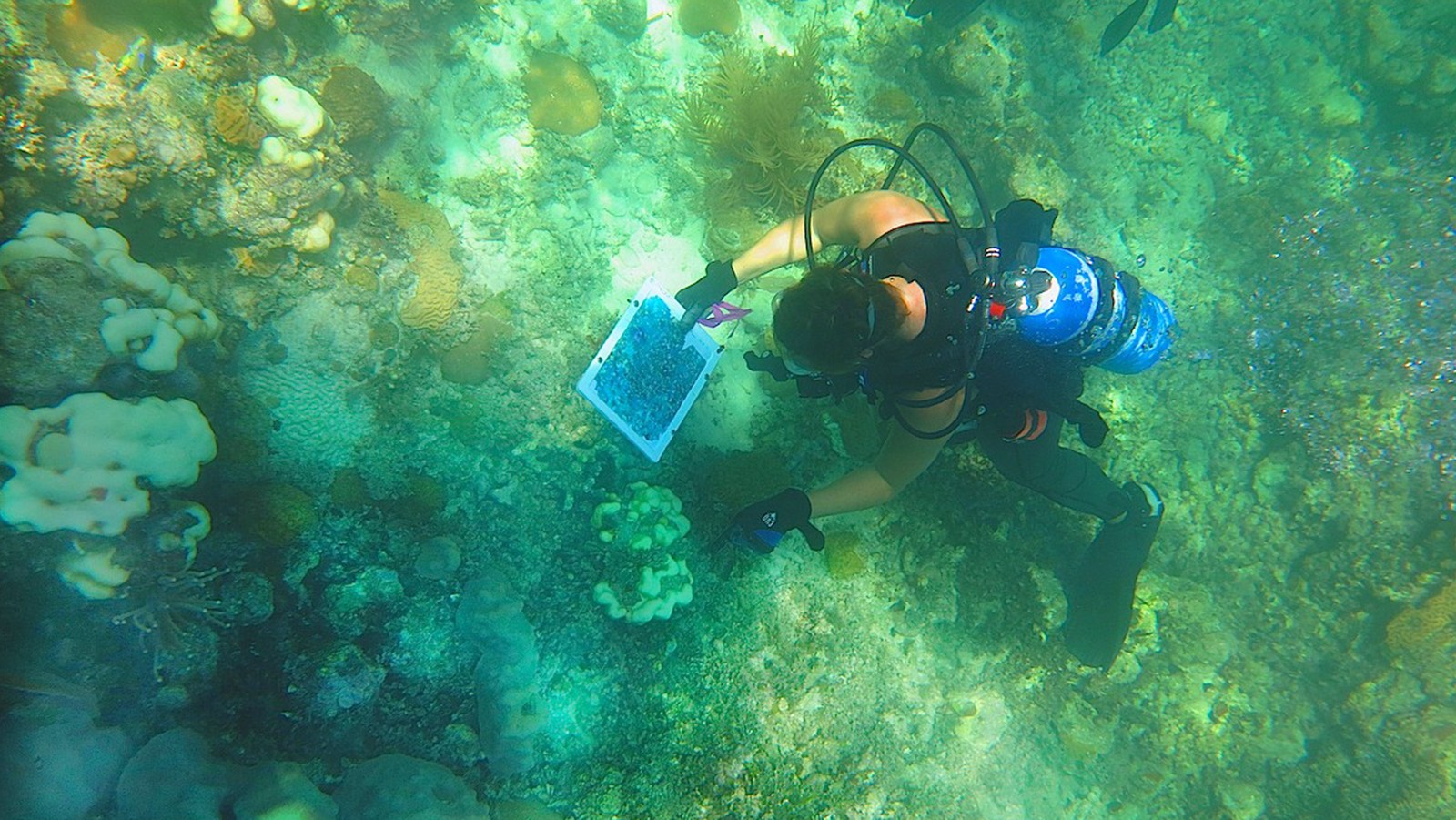
AOML is proud to recognize the recent achievements of our outstanding scientists who were recently awarded the Department of Commerce Bronze Medal for outstanding contributions which have increased the efficiency and effectiveness of NOAA. Kelly Goodwin was honored for her Leadership in the development of the Omics program in NOAA. Ian and Derek are honored for their contributions to addressing Stoney Coral Tissue Loss Disease in the FL Keys.
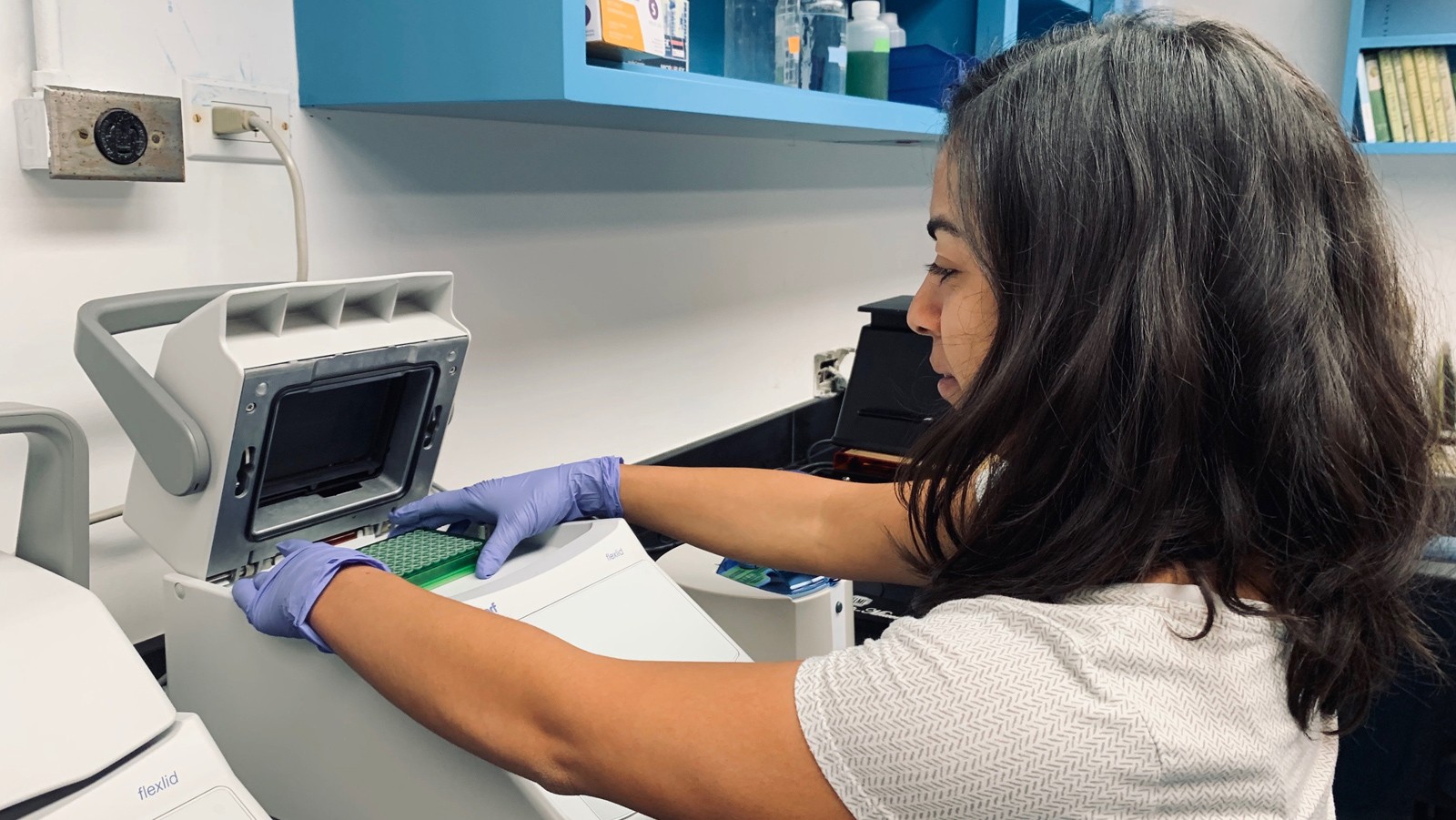
New research on stony coral tissue loss disease reveals similar “bacterial signatures” among sick corals and nearby water and sediments for the first time. Results hint at how this deadly disease might spread, and which bacteria are associated with it, on Florida’s Coral Reef.