Category: Ocean Chemistry and Ecosystems

UN Ocean Decade Endorses Several AOML Collaborative Initiatives

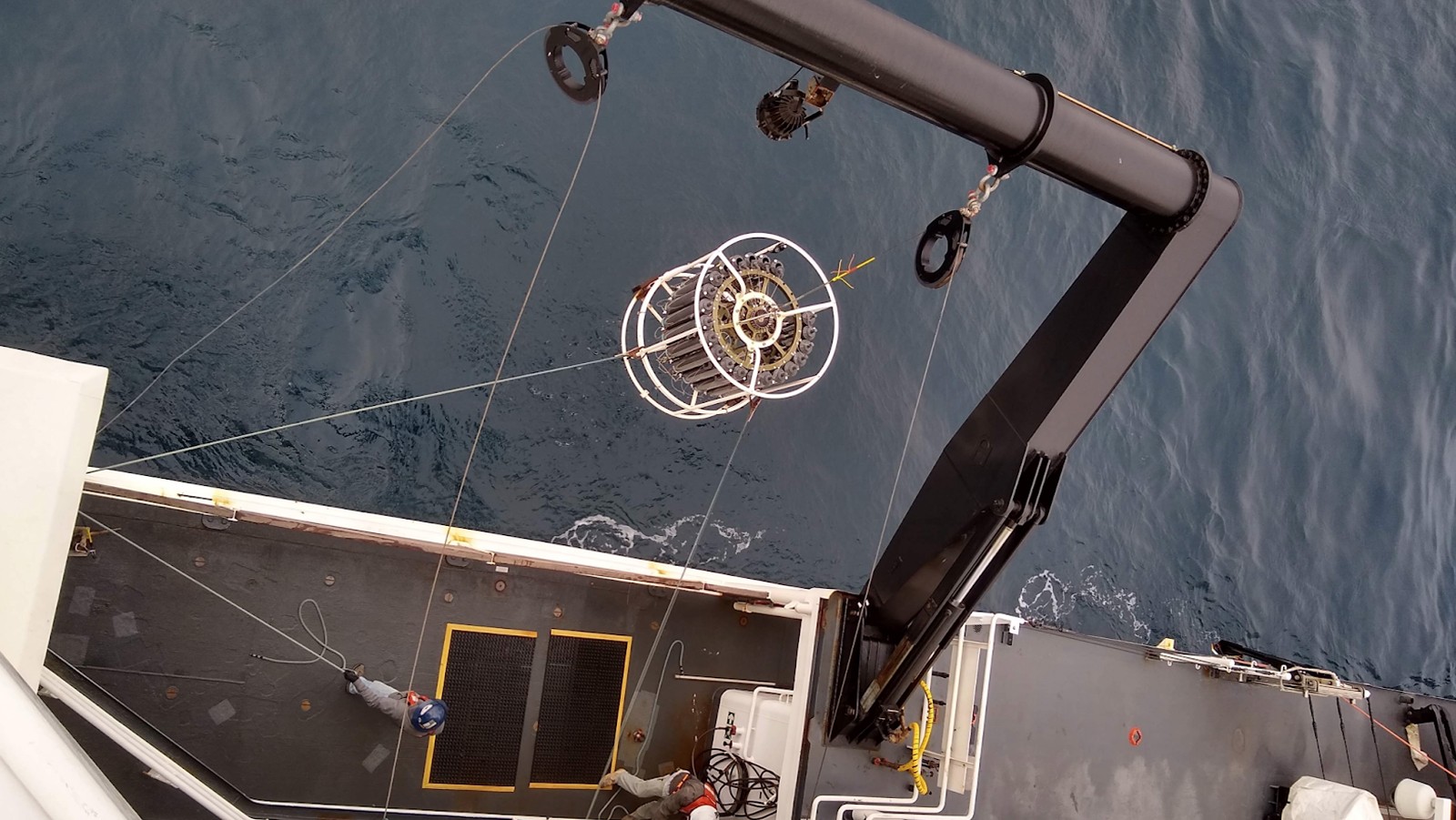
In 2017, the United Nations General Assembly proclaimed the time frame of 2021-2030 as the UN Decade of Ocean Science for Sustainable Development, also known as the “Ocean Decade,” to address the degradation of the ocean and encourage innovative science initiatives to better understand and ultimately reverse its declining health.
Read Full Article

Coral Growth in Flower Garden Banks Approaches Threshold As Sea Temperatures Rise

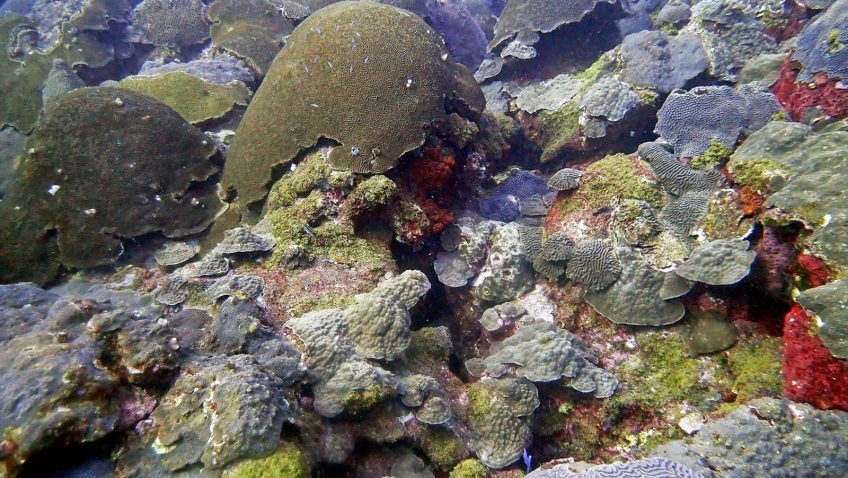
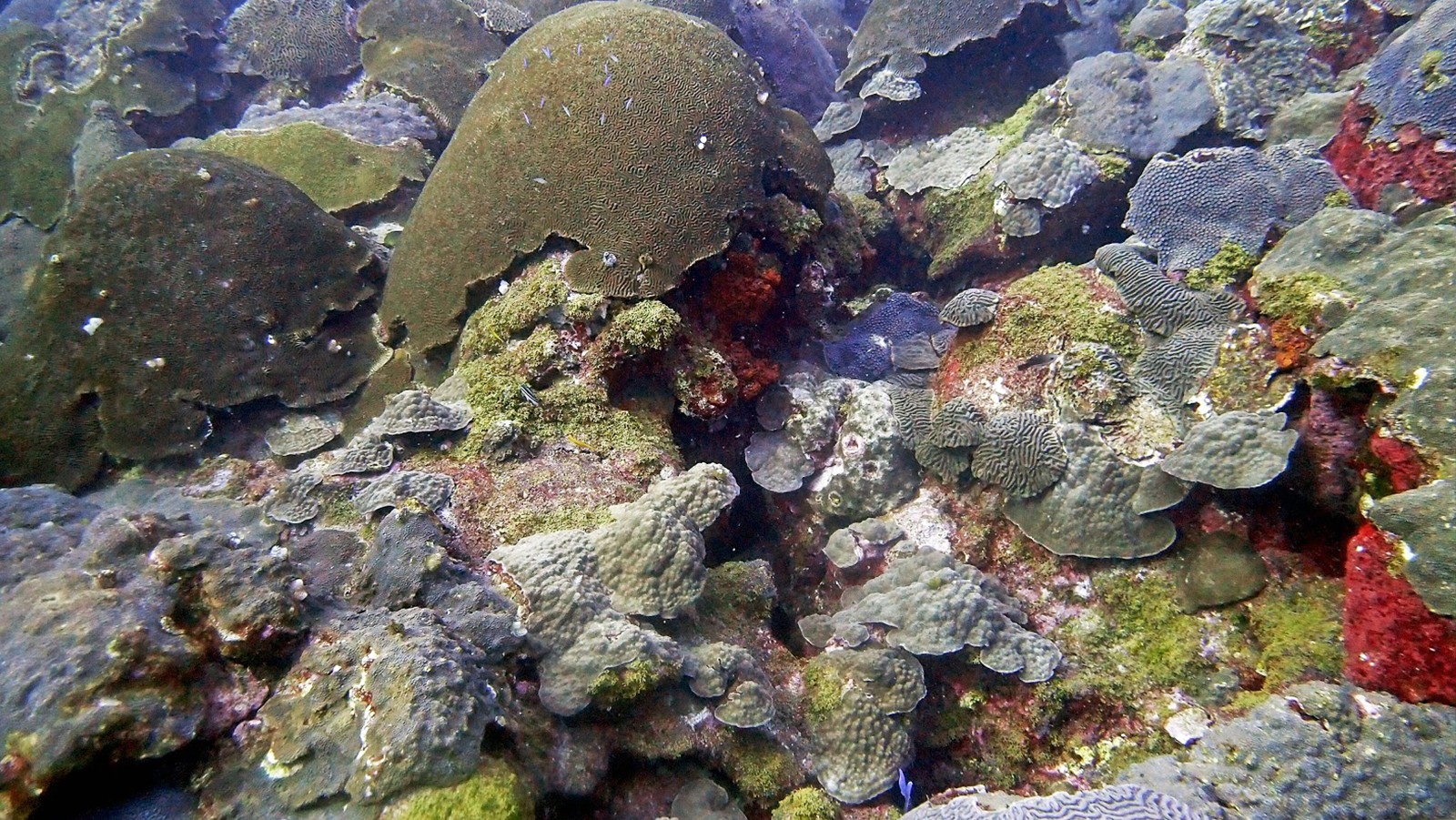
A recent study by researchers at NOAA’s Atlantic Oceanographic and Meteorological Laboratory shows that coral growth observed in symmetrical brain corals (Pseudodiploria strigosa) and mountainous star corals (Orbicella faveolata) in the Flower Garden Banks reefs, in the Gulf of America, are linked to warming sea surface temperatures.

Read Full Article

Heat Tolerant Corals May Be the Key to Improving Restoration Efforts

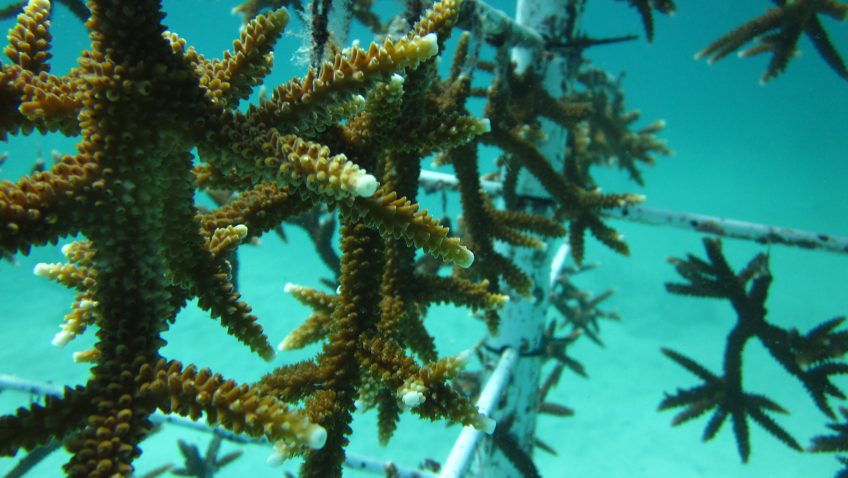
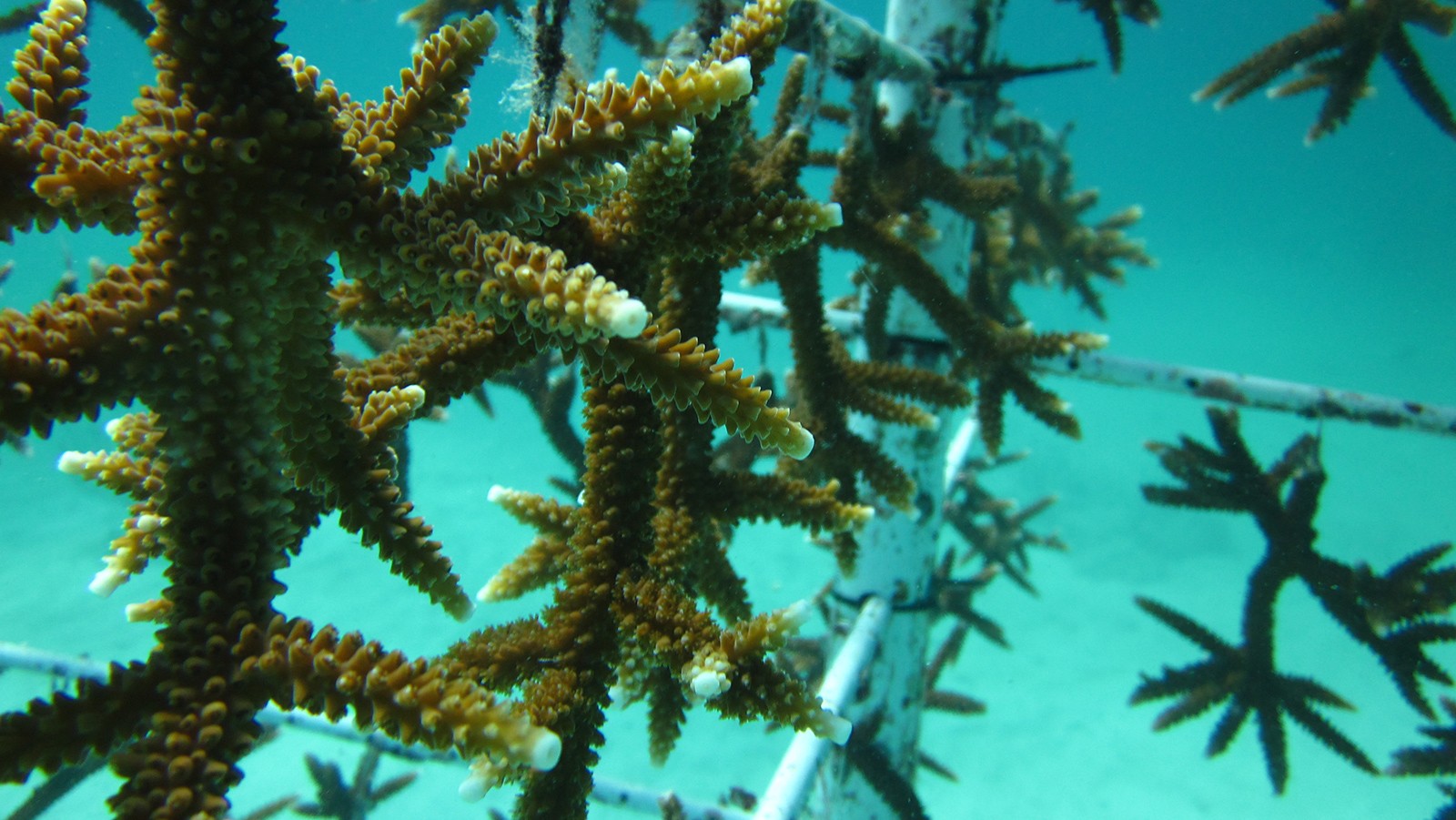
A new study by researchers at the University of Miami’s Rosenstiel School of Marine and Atmospheric Science and NOAA’s Atlantic Oceanographic and Meteorological Laboratory suggests that outplanting corals, specifically staghorn coral (Acropora cervicornis) from higher temperature waters to cooler waters, may be a better strategy to help corals recover from certain stressors. The researchers found that corals from reefs with higher average water temperatures showed greater healing than corals from cooler waters when exposed to heat stress.

Read Full Article

New Experimental Tool Has the Potential to Improve Restoration Efforts for Coral Reefs

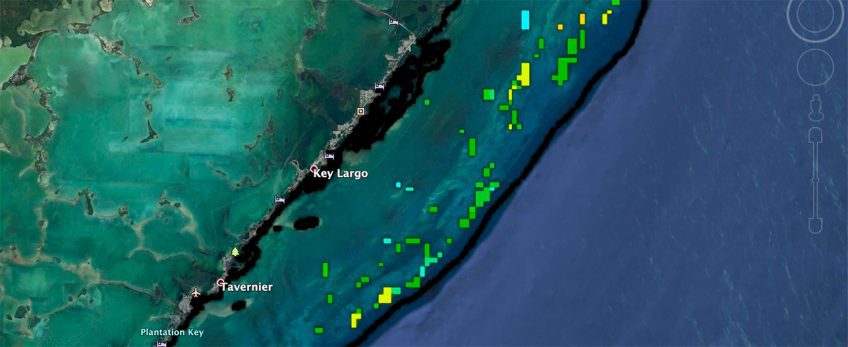
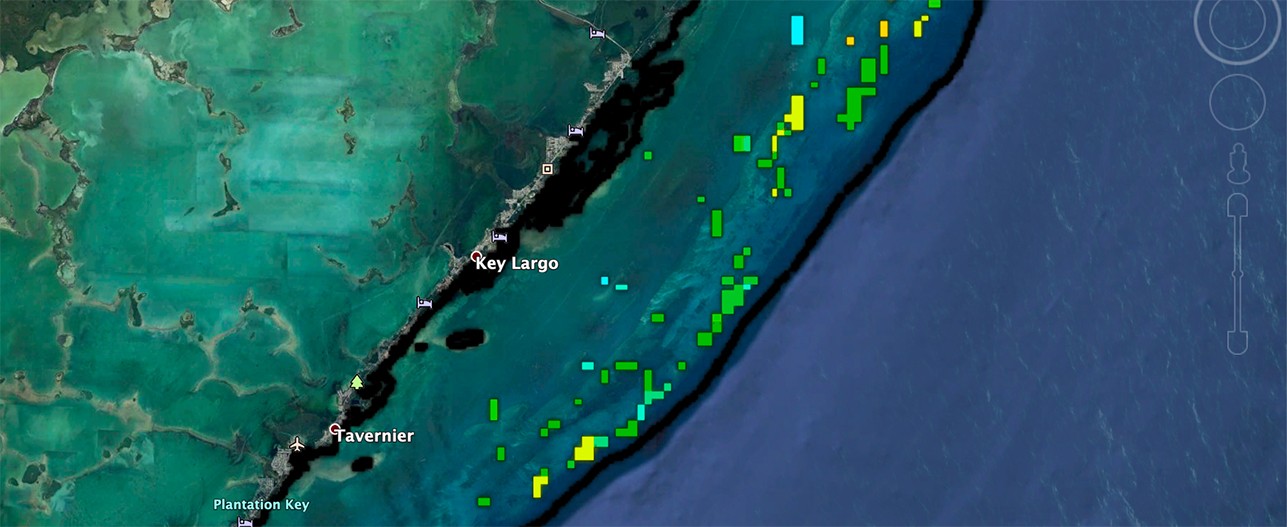
To help improve the long term survival of nursery raised staghorn coral (Acropora cervicornis), Ruben van Hooidonk, a coral scientist with NOAA’s Atlantic Oceanographic and Meteorological Laboratory and the Cooperative Institute for Marine and Atmospheric Studies has developed a new experimental mapping tool i that ranks suitable outplant locations. There are currently at least seven coral nurseries in Florida that cultivate staghorn coral, representing one of the best opportunities to maintain resilient populations of this species.

Read Full Article

AOML Scientist Contributes to New UNESCO Report on Ocean Carbon

In absorbing carbon dioxide (CO2), the oceans play a crucial role in regulating the climate, a role yet to be fully understood. However, the oceans’ ability to contribute to climate regulation may decline and even be reversed in the future. The oceans that are now the blue lungs of our planet, could end up contributing to global warming.

Read Full Article

Solving an eDNA Mystery with the Northern Gulf Institute

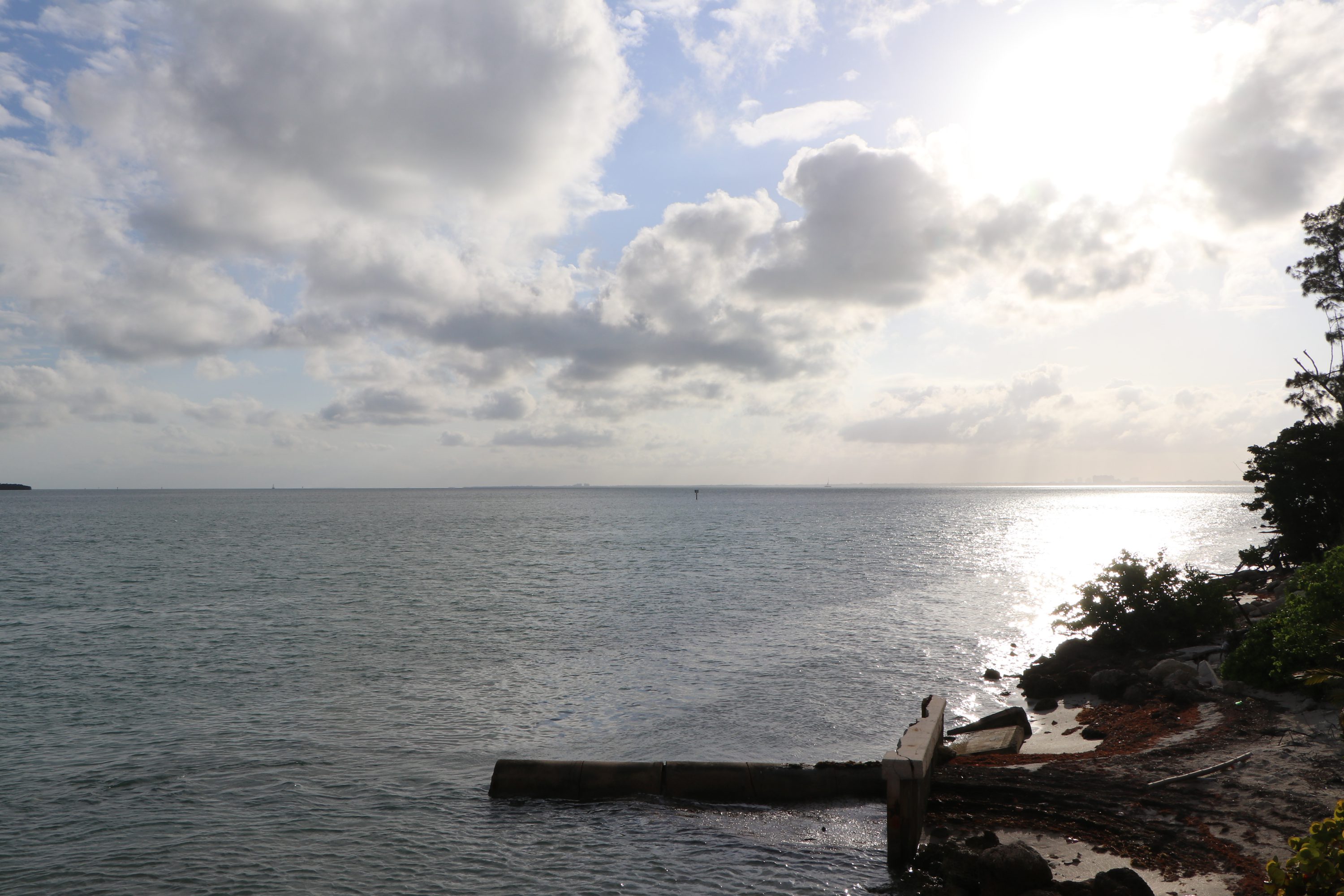
From the desk of CSI: Miami (Fish Edition): Solving an eDNA mystery. NGI Associate Research Professor Luke Thompson and NGI Postdoctoral Associate Sean Anderson have been studying the environmental DNA (eDNA) left behind by fish at the University of Miami dock (pictured), near the NOAA Atlantic Oceanographic and Meteorological Laboratory in Miami, Florida. When they analyzed the data, while many of the fish species detected were expected for the area, they were surprised by several unexpected species, such as rainbow trout. To help solve this mystery, Luke and Sean sent out a survey to fish biologists with expertise in this region.

Read Full Article

Bringing New Technologies to Fisheries Surveys with the Northern Gulf Institute

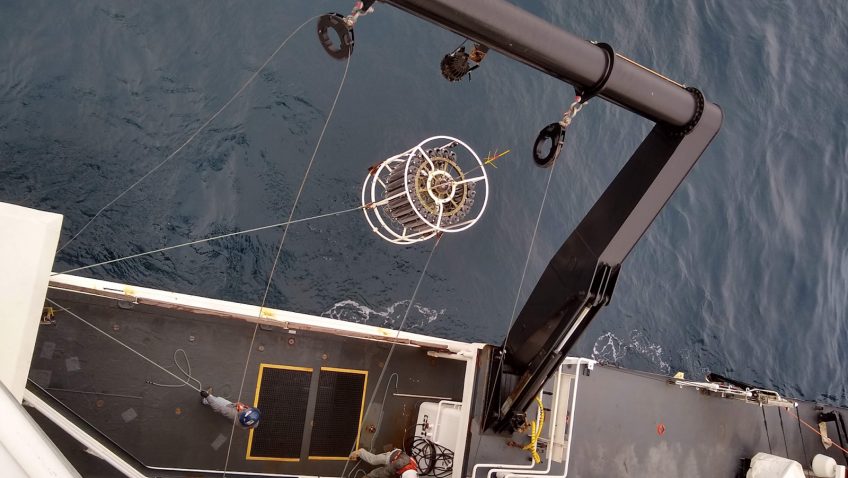
From March to May, NGI Postdoctoral Associate Sean Anderson is taking part in two legs of a NOAA Fisheries survey in the Gulf of America on board NOAA Ship Pisces. The NOAA project, “Environmental DNA Enhancement of Fisheries Independent Monitoring Cruises for Ecosystem Based Fisheries Management”, seeks to improve ecosystem-based fisheries management (EBFM) with the use of environmental DNA (eDNA) sequencing. Camera traps (pictured) placed at the seafloor in the Gulf of America capture video of passing fish, while bottles collect seawater that the fish have passed through, leaving behind DNA traces.

Read Full Article

NOAA Celebrates 10 Years of Integrated Ecosystem Assessments

Over the past 10 years, scientists from all over the world and in the United States have achieved incremental successes in using the Integrated Ecosystem Assessment approach. This approach allows them to build relationships with scientists, stakeholders, and managers and balance the needs of nature and society for current and future generations.

Read Full Article

Increasing Red Tide Sampling off the West Florida Shelf

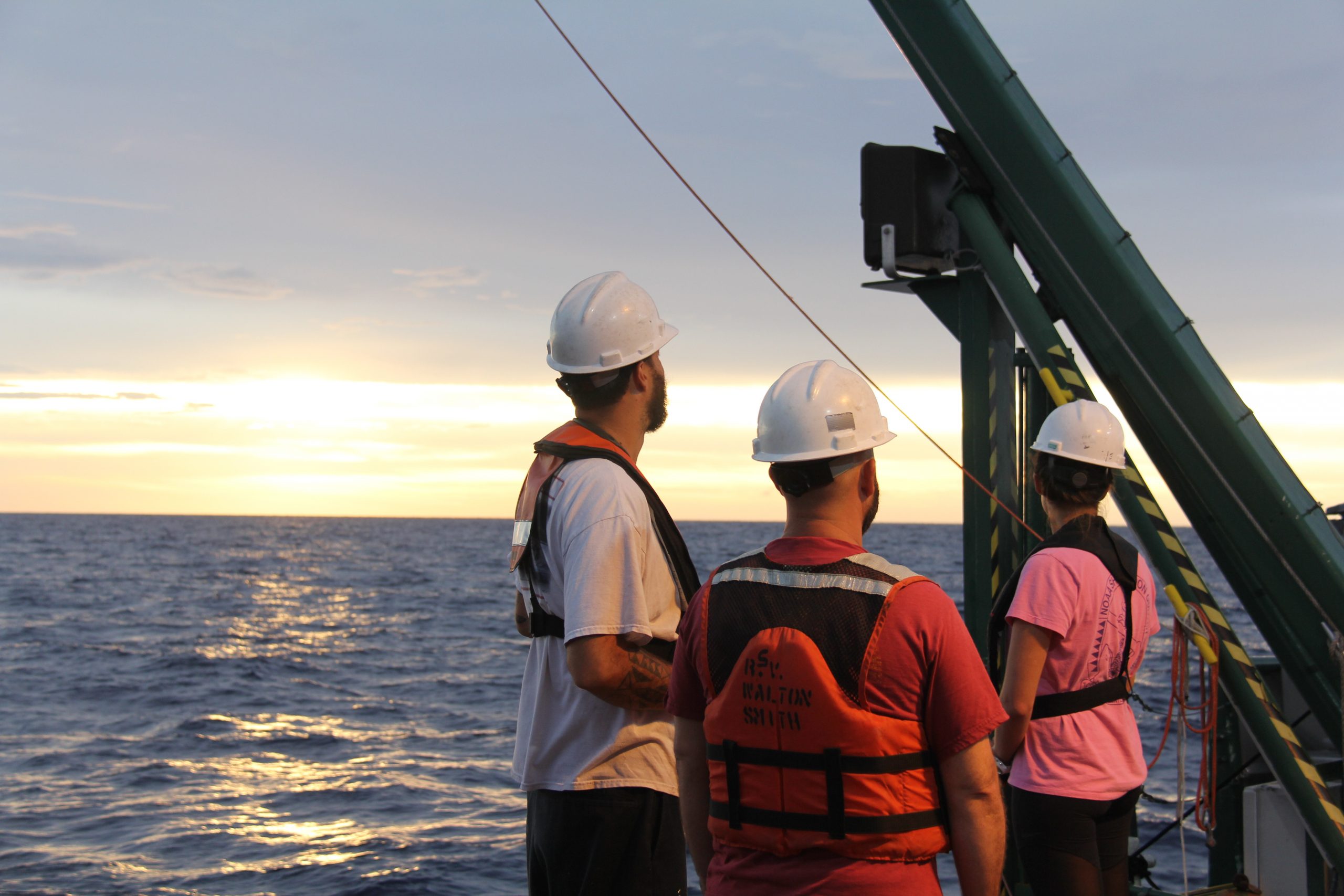
Scientists are heading to sea on the R/V Walton Smith to sample areas where red tide blooms are commonly present off the west Florida coast. Karenia brevis, the organism that causes red tide, forms blooms when elevated concentrations (>100,000 cells per liter) are present in the water. K. brevis produces toxins called brevetoxins that can cause massive fish kills, weaken or kill marine mammals, and (if the toxin becomes aerosolized and inhaled) cause respiratory distress in humans and marine mammals. The team of scientists will be comprehensively sampling a series of transects along the West Florida Shelf.

Read Full Article