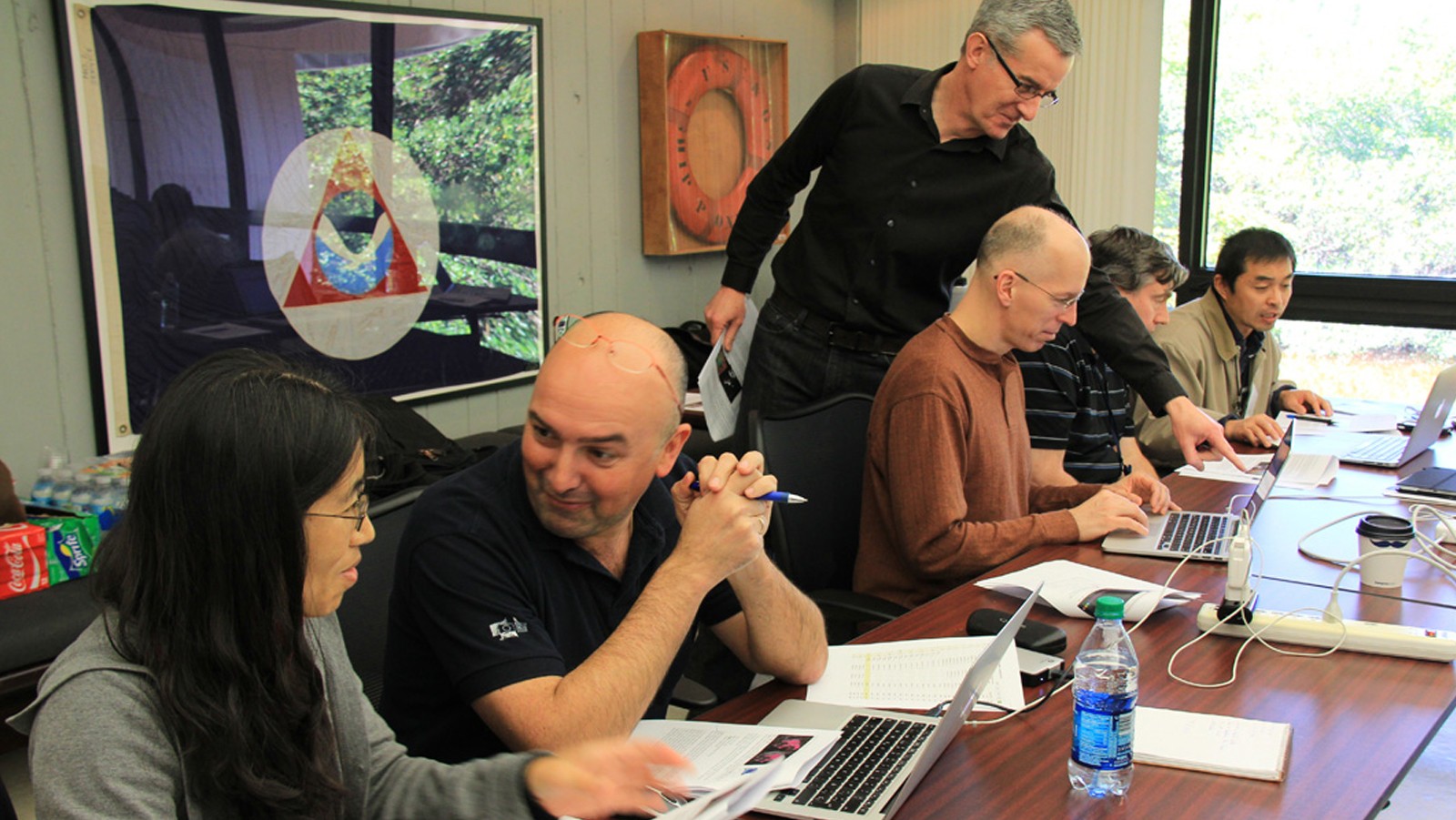
Scientists from University of Wisconsin-Madison Space Science and Engineering Center (SSEC) and the Cooperative Institute for Meteorological Satellite Studies visited AOML to provide training on how to use direct broadcast polar-orbiting satellite data for the enhancement of environmental forecasting and decision making. The course focused on the use of data from the new AOML antenna, including SuomiNPP and Aqua/Terra instrument observations and products.
AOML is proud to announce the selection of Dr. James “Jim” Hendee as the director of its Ocean Chemistry and Ecosystems Division. Internationally recognized for his expertise in coral observing systems and data management, Jim’s almost 25-year tenure with AOML began in 1990 as a data manager for several ocean chemistry programs. Jim is well known for his ability to leverage resources to innovatively develop and inspire productive research teams. Jim steps into the role of director after serving in an acting capacity since June 2013.
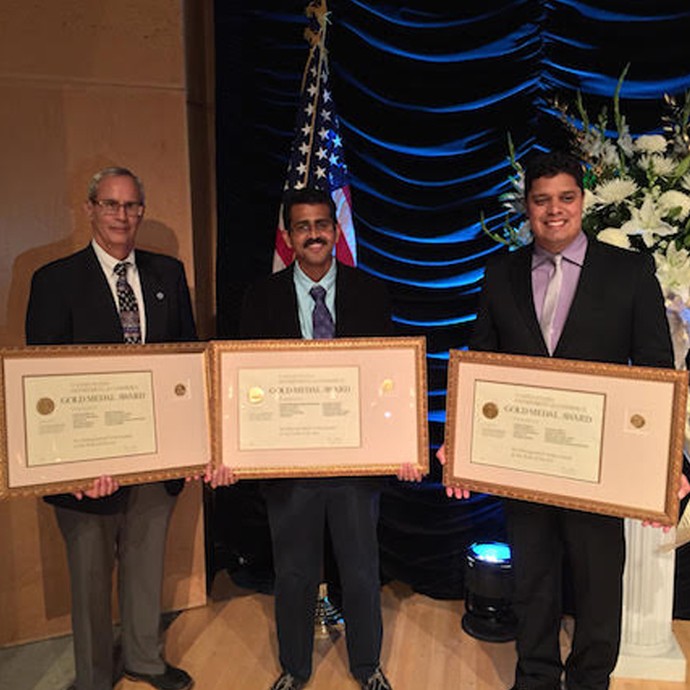
Congratulations to the Hurricane Research Division and the Hurricane Weather Research & Forecast System modeling team for receiving DOC Gold Medal and aiding in the advancement of hurricane intensity prediction.
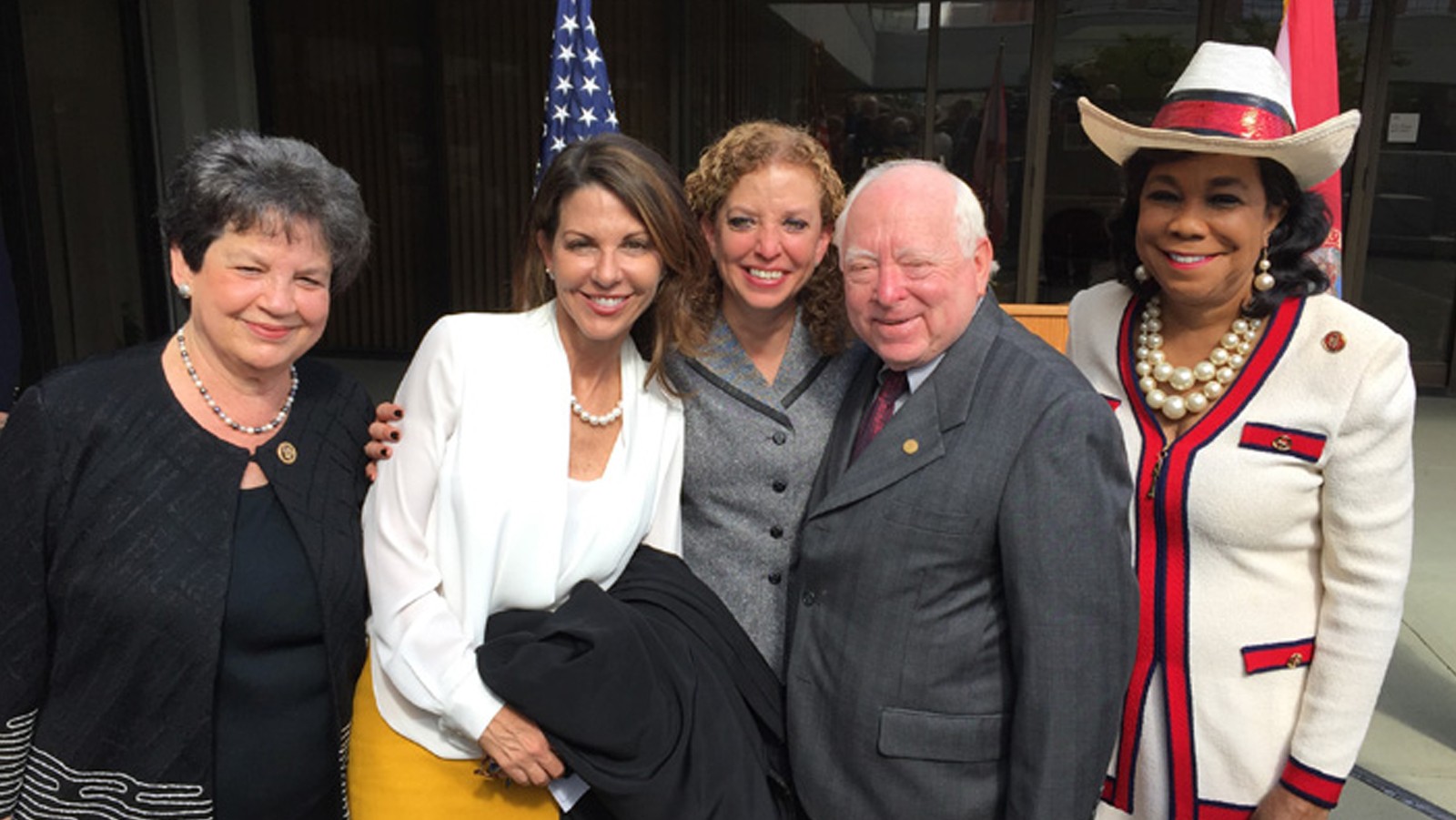
Dr. Robert Atlas was a guest at the swearing-in ceremony for U.S. Representatives Wasserman Schultz, Frederica Wilson, and Lois Frankel at the Fort Lauderdale Federal Courthouse on January 23, 2015. Pictured at left (L to R) are Congresswoman Lois Frankel, Judge Beth Bloom Congresswoman Wasserman Schultz, Dr. Fred Lippman, and Congresswoman Wilson. Pictured at right are Dr. Robert Atlas and Congresswoman Debbie Wasserman Schultz.
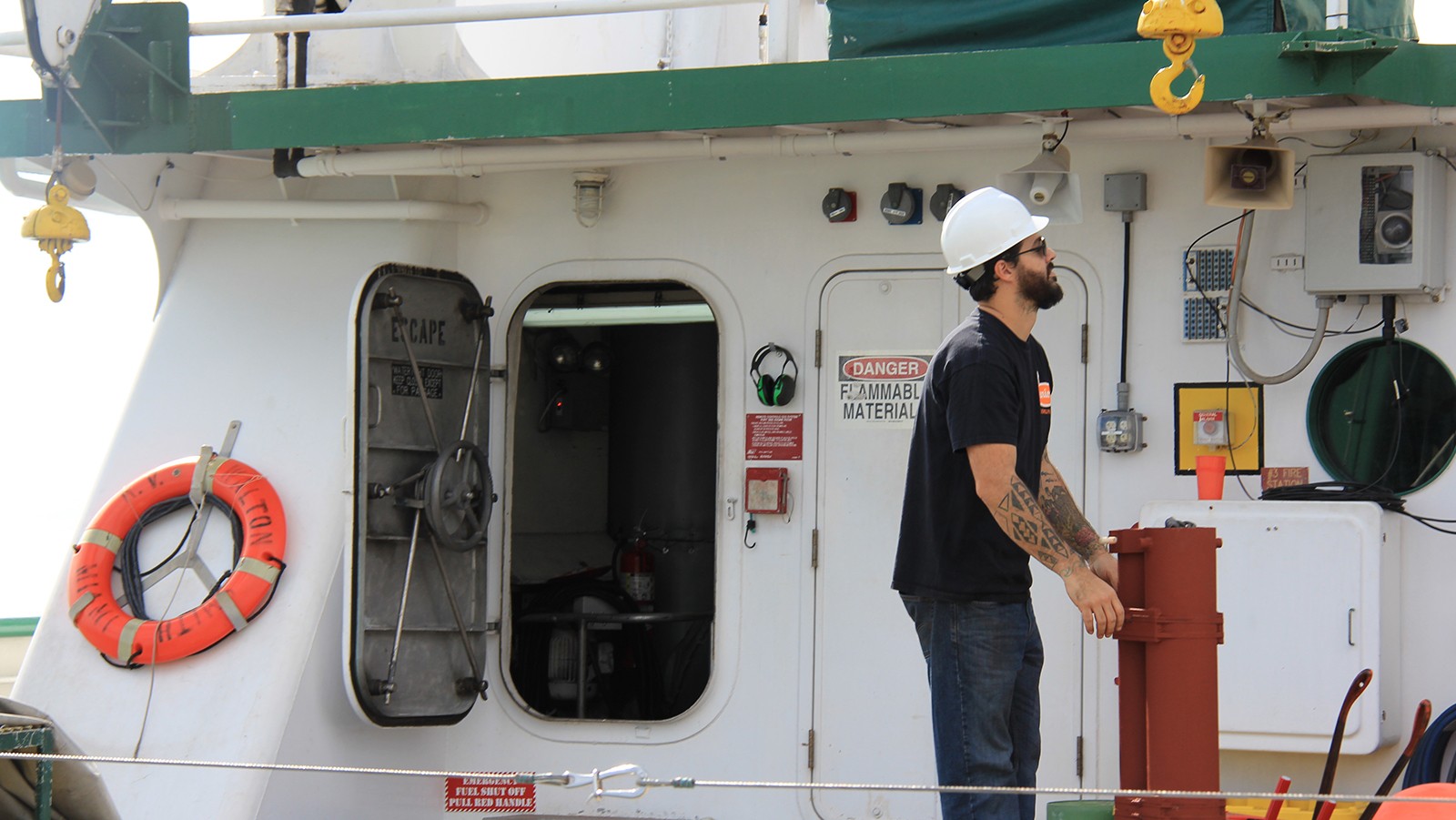
PhOD personnel Ryan Smith, Grant Rawson, and Jay Hooper conducted a hydrographic survey along 27N in the Florida Straits aboard the R/V F.G. Walton Smith on January 12-13, 2015. The cruise was part of the Western Boundary Time Series project, which is designed to quantify Florida Current volume transport and water mass changes. This survey and others help to calibrate daily estimates of the Florida Current volume transport derived from a submarine telephone cable deployed across the Straits. Divers also exchanged a project pressure gauge on the west side of the 27N section.
A study of Galápagos’ coral reefs provides evidence that reefs exposed to lower pH and higher nutrient levels may be the most affected and least resilient to changes in climate and ocean chemistry.
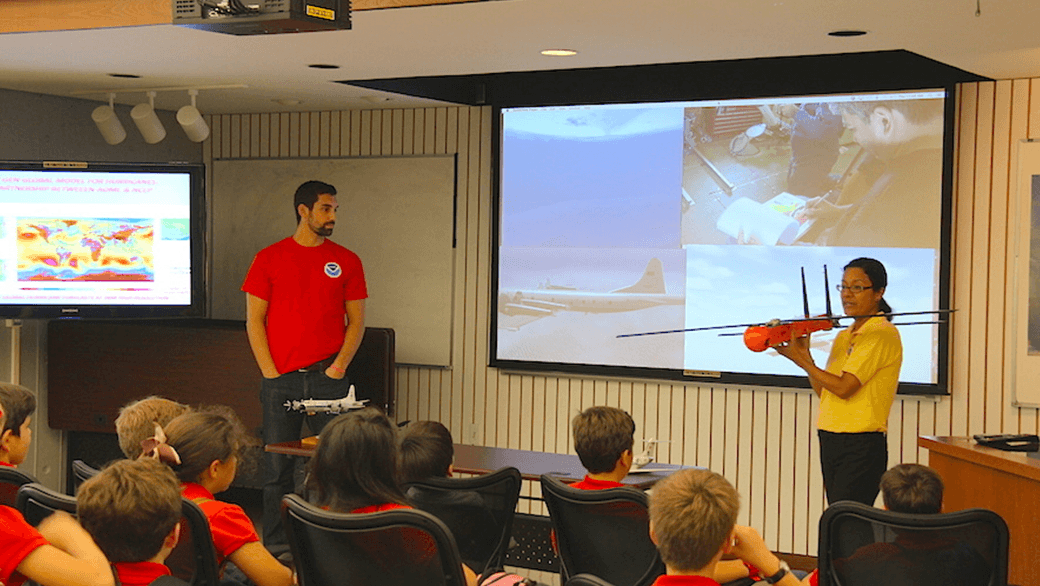
NOAA’s Atlantic Oceanographic and Meteorological Laboratory (AOML) and the National Marine Fisheries Service/Southeast Fisheries Science Center (SEFSC) partnered with the University of Miami Rosenstiel School for Marine and Atmospheric Science and the Maritime and Science Technology (MAST) Academy to host an open house May 14th-16th.
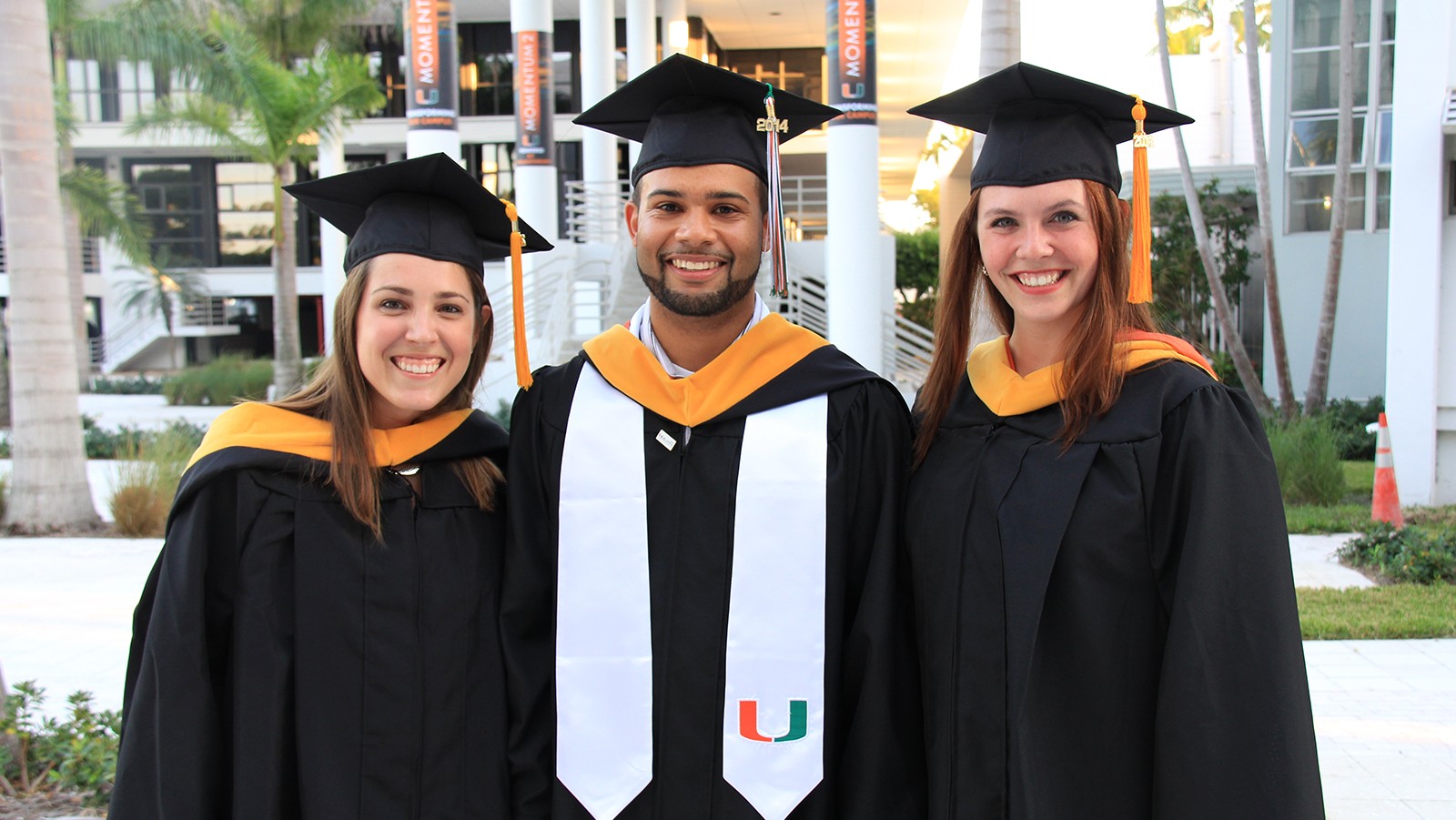
Shannon Jones, Austin Flinn, and Chloe Fleming celebrated their graduation from the University of Miami’s Rosenstiel School of Marine and Atmospheric Science. All three worked with NOAA in south Florida as part of their graduate research. Austin Flinn also received funding for his degree from NOAA’s Environmental Partnership Program (EPP). Congratulations to all graduates!