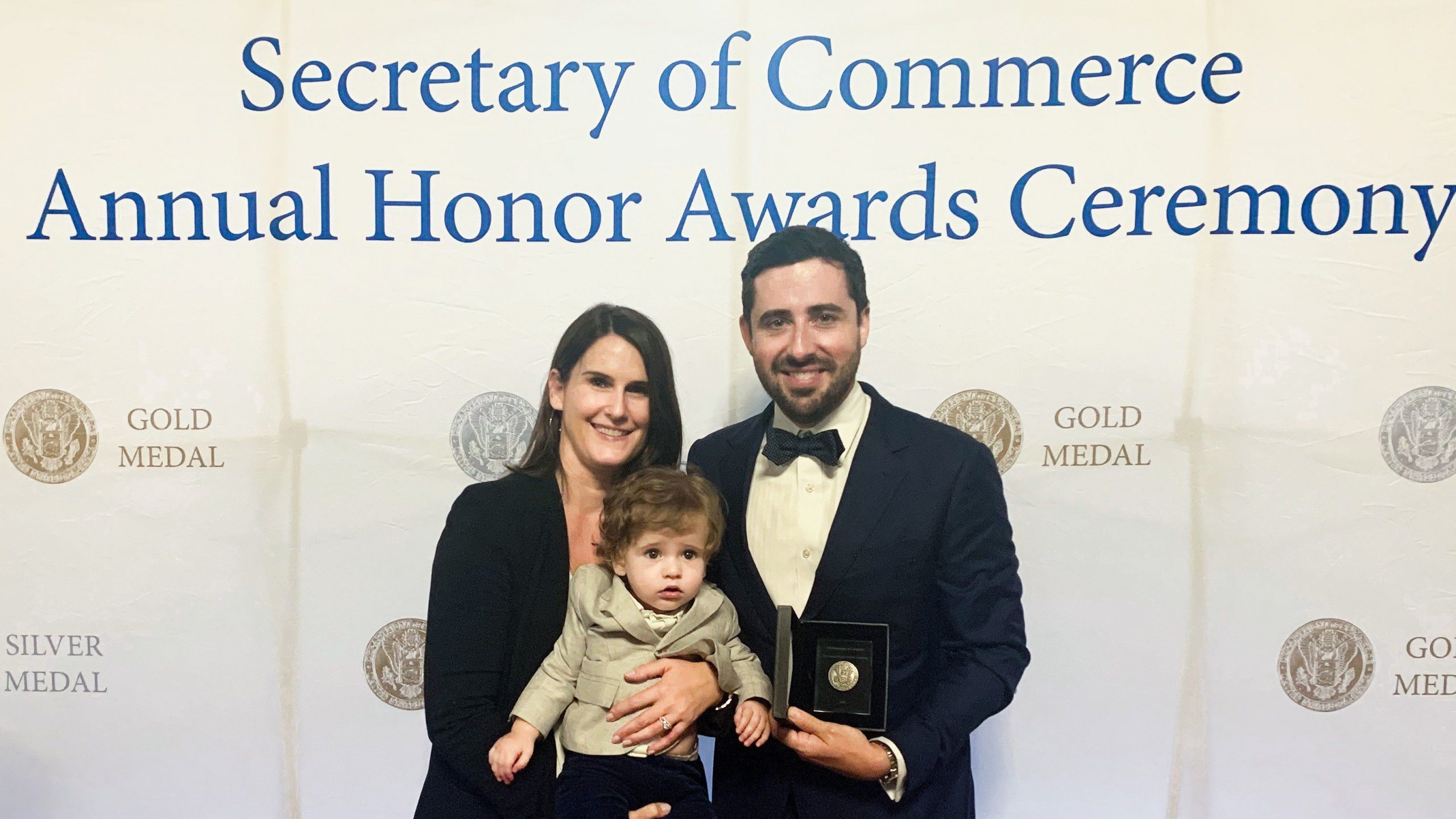
AOML’s Ian Enochs Awarded DOC Silver Medal Award

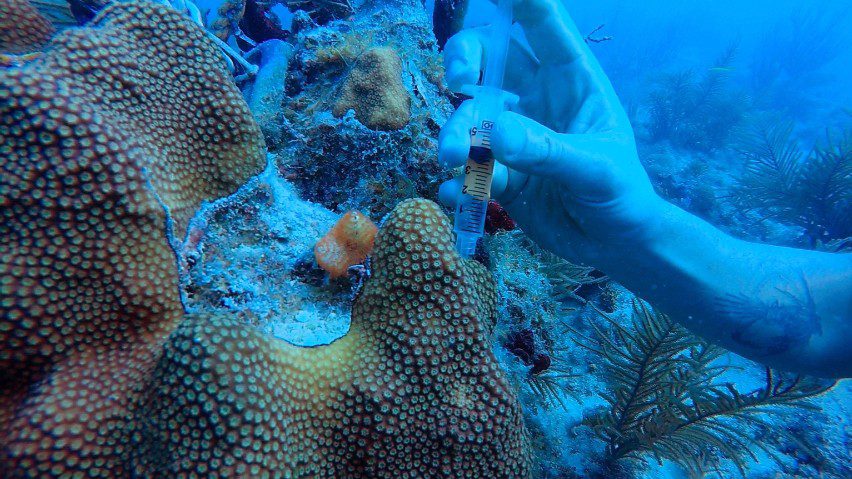
AOML coral ecologist, Ian Enochs, was recently awarded with the Department of Commerce Silver Medal Award for his leadership in developing and implementing the Sub-Surface Automated Sampler (SAS).  The DOC Silver Medal is awarded to federal employees for exceptional performance characterized by noteworthy contributions which have a direct and lasting impact.

Read Full Article

Location, Location, Location: How Habitat and Microbiomes May Contribute to Coral Outplant Success

A new study by coral researchers from the University of Miami’s Cooperative Institute for Marine and Atmospheric Studies (CIMAS) and NOAA’s Atlantic Oceanographic and Meteorological Laboratory suggests that the physical oceanographic habitat characteristics-such as, temperature, light availability, and water flow, of corals, may influence microbe communities and health of coral reefs.  The results showed a link between physical habitat and coral microbiology in coral reefs in southeast Florida. 

Read Full Article

AOML & Norwegian Scientists use eDNA to Survey Mesopelagic Fishes

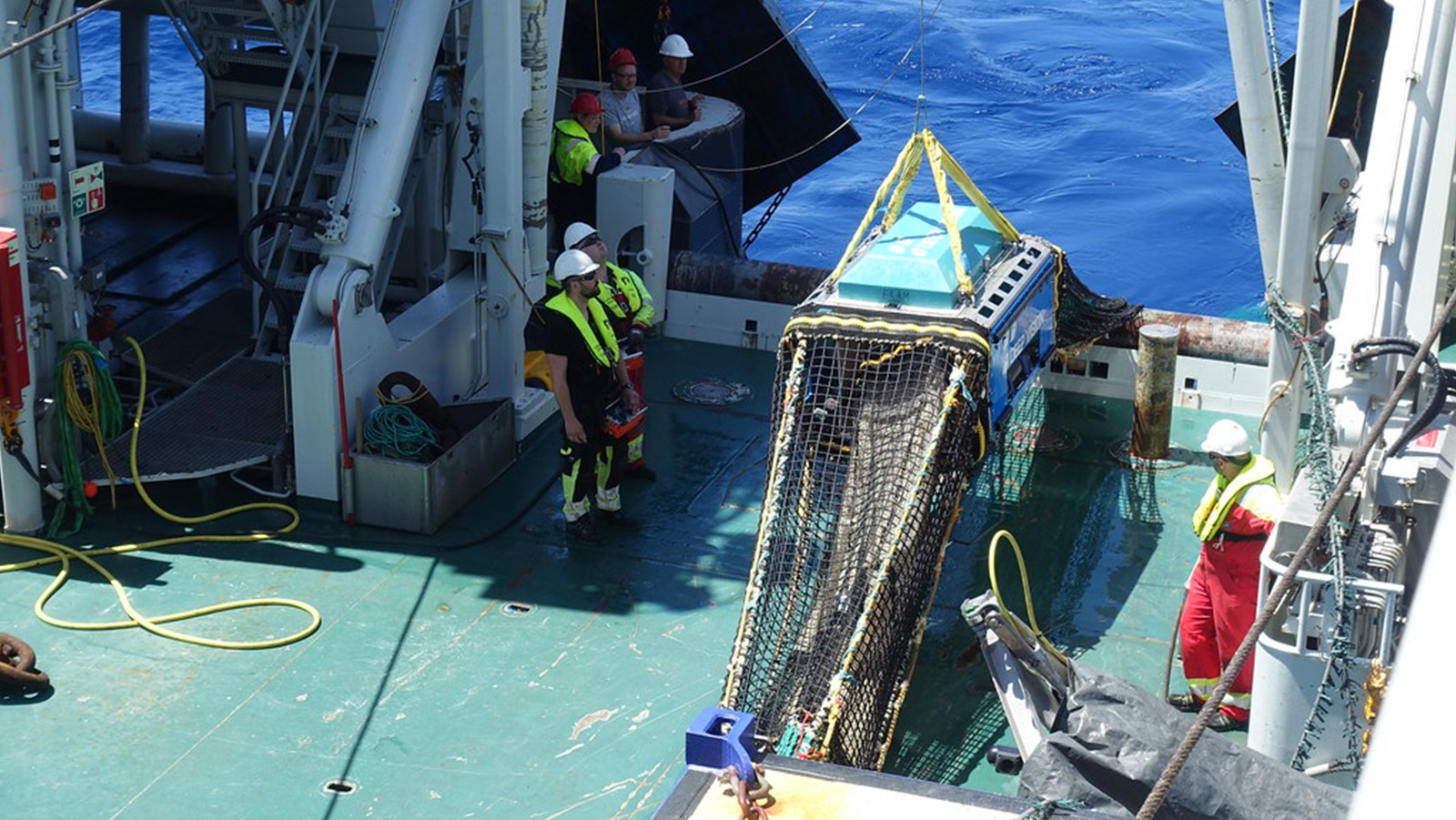
Dr. Luke Thompson, a Northern Gulf Institute Assistant Research Professor at AOML, sailed aboard the Norwegian icebreaker RV Kronprins Haakon in May as part of a research effort focused on characterizing species that dwell in the mesopelagic zone—the region of the ocean 200–1000 meters below the surface. The cruise was undertaken to explore the potential for developing a new fishery based on ­mesopelagic fish.

Read Full Article

11 Days in Dorian: AOML Hurricane Scientists Gather Data in Catastrophic Category 5 Storm

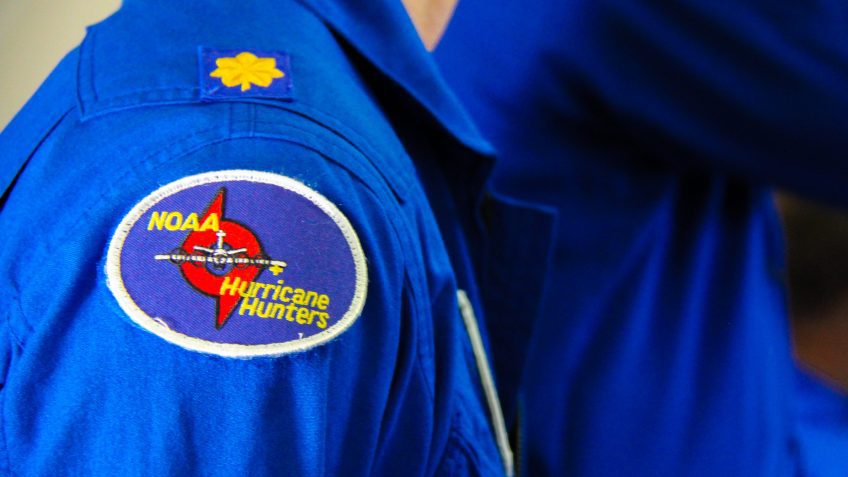
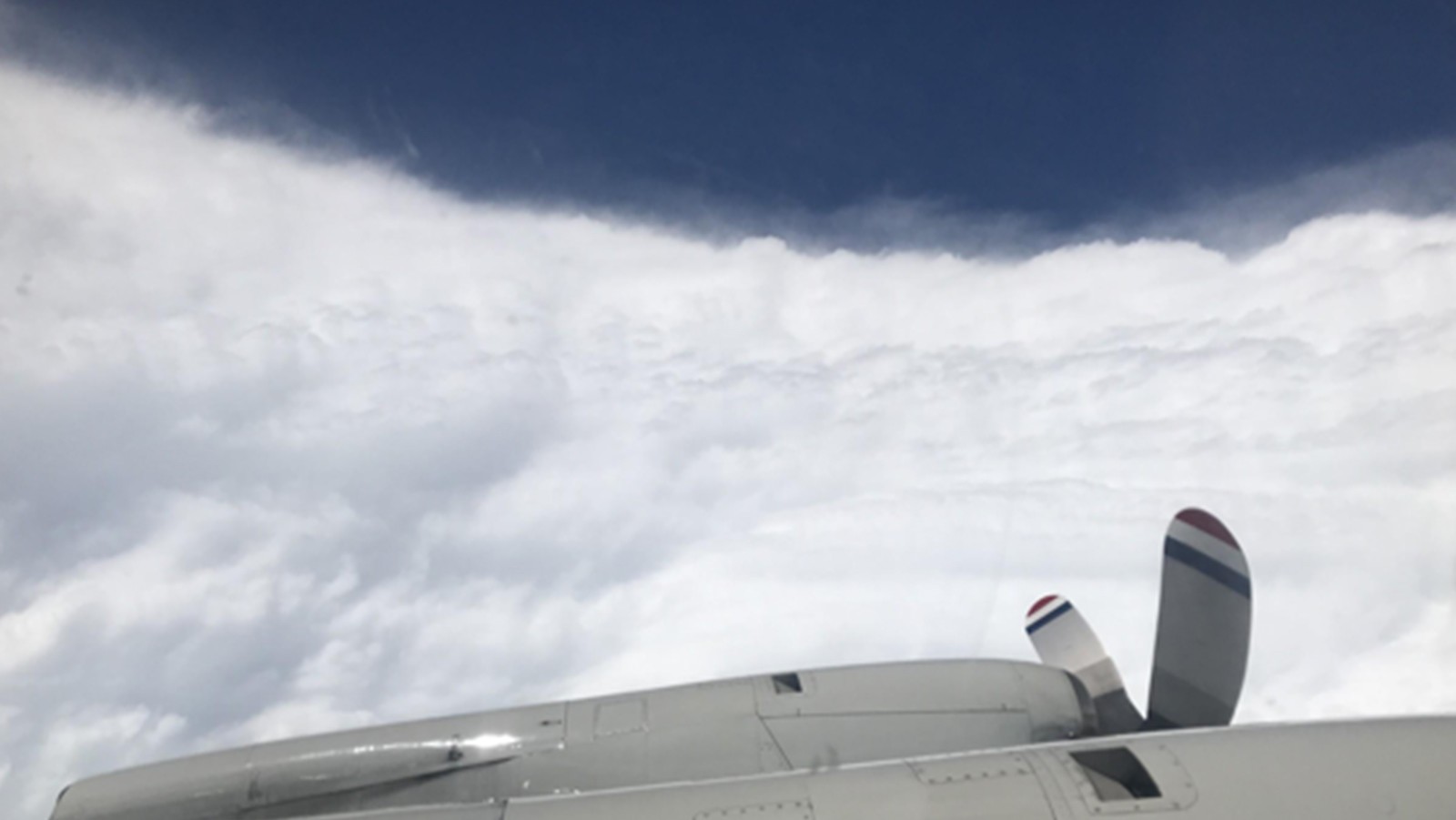
Catastrophic Hurricane Dorian will be long remembered as one of the Atlantic basin’s most powerful landfalling hurricanes.  NOAA Hurricane Hunters measured Dorian’s intensification from a weak tropical storm in the Caribbean to one of the Atlantic’s fiercest hurricanes.  The data they gathered were vital to protecting life and property, supporting NOAA’s efforts to warn vulnerable communities of approaching severe weather through accurate forecasts.

Read Full Article

Follow the Sargassum: Tracking algae in the Atlantic , Caribbean, and Gulf of America

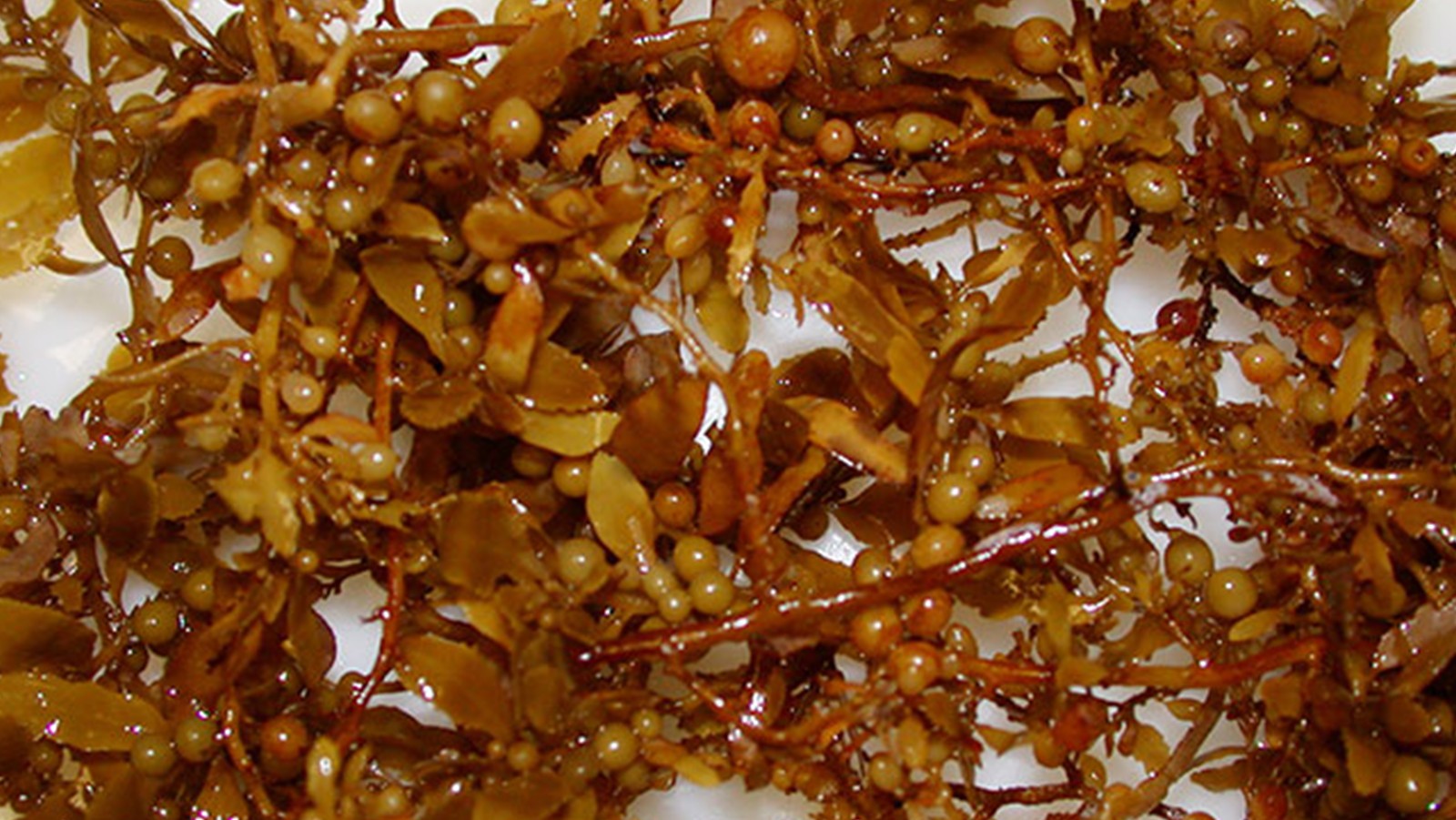
AOML researchers released an assortment of GPS equipped drifters into the tropical Atlantic Ocean and Caribbean Sea to study how ocean currents and winds play a role in the distribution of Sargassum.  With the data obtained from the sargassum drifters along with satellite data from the University of South Florida, AOML researchers now have the ability to distribute weekly experimental Sargassum Index Reports. 

Read Full Article

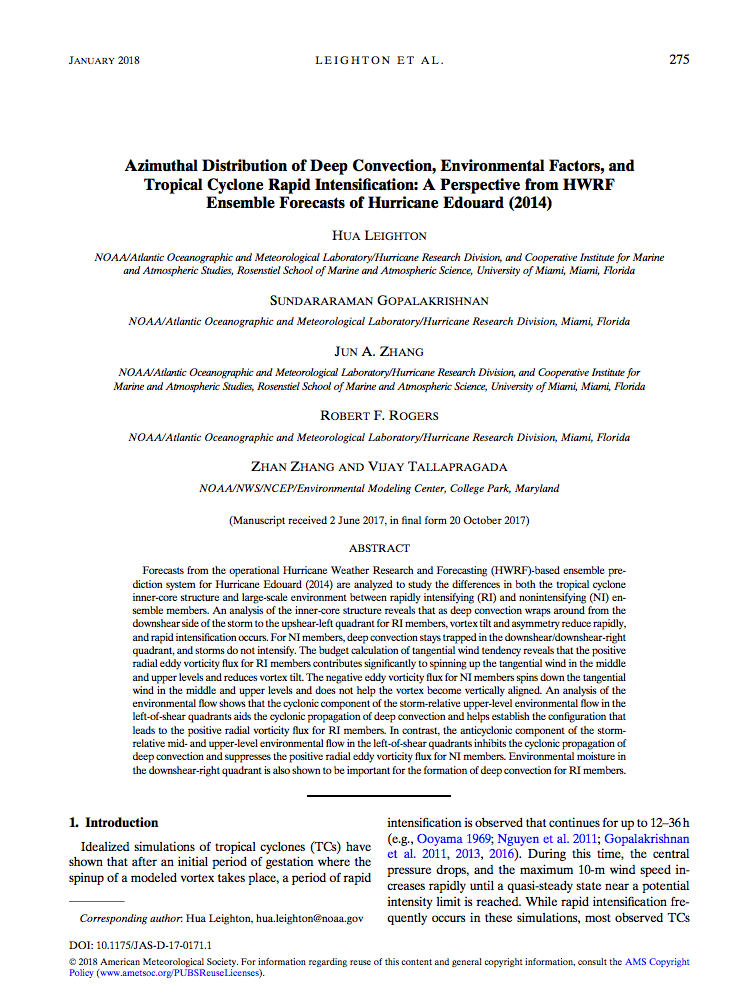
Azimuthal Distribution of Deep Convection, Environmental Factors, and Tropical Cyclone Rapid Intensification: A Perspective from HWRF Ensemble Forecasts of Hurricane Edouard (2014)

Leighton, H., Gopalakrishnan, S., Zhang, J. A., Rogers, R. F., Zhang, Z., & Tallapragada, V. (2018). Azimuthal distribution of deep convection, environmental factors, and tropical cyclone rapid intensification: A perspective from HWRF ensemble forecasts of Hurricane Edouard (2014). Journal of the Atmospheric Sciences, 75(1), 275-295.

Abstract: Forecasts from the operational Hurricane Weather Research and Forecasting (HWRF)-based ensemble prediction system for Hurricane Edouard (2014) are analyzed to study the differences in both the tropical cyclone inner-core structure and large-scale environment between rapidly intensifying (RI) and non intensifying (NI) ensemble members. An analysis of the inner-core structure reveals that as deep convection wraps around from the downshear side of the storm to the upshear-left quadrant for RI members, vortex tilt and asymmetry reduce rapidly, and rapid intensification occurs…

Download Full PDF

Read Full Article

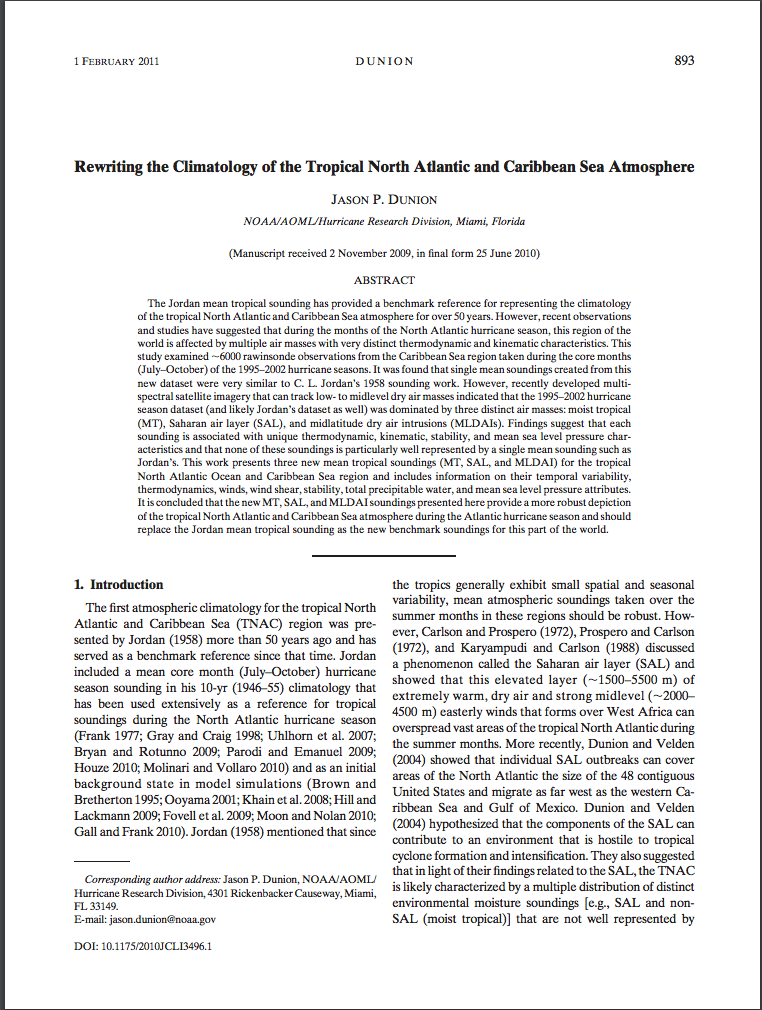
Rewriting the Climatology of the Tropical North Atlantic and Caribbean Sea Atmosphere

Dunion, J.P., 2011: Re-writing the climatology of the tropical North Atlantic and Caribbean Sea atmosphere. J. Climate, 24(3), 893-908, doi:10.1175/2010JCLI3496.1

Abstract: The Jordan mean tropical sounding has provided a benchmark reference for representing the climatology of the tropical North Atlantic and Caribbean Sea atmosphere for over 50 years. However, recent observations and studies have suggested that during the months of the North Atlantic hurricane season, this region of the world is affected by multiple air masses with very distinct thermodynamic and kinematic characteristics. This study examined ;6000 rawinsonde observations from the Caribbean Sea region taken during the core months (July–October) of the 1995–2002 hurricane seasons. It was found that single mean soundings created from this new dataset were very similar to C. L. Jordan’s 1958 sounding work. However, recently developed multispectral satellite imagery that can track low- to midlevel dry air masses indicated that the 1995–2002 hurricane season dataset (and likely Jordan’s dataset as well) was dominated by three distinct air masses: moist tropical (MT), Saharan air layer (SAL), and midlatitude dry air intrusions (MLDAIs). Findings suggest that each sounding is associated with unique thermodynamic, kinematic, stability, and mean sea level pressure…
Download PDF

Read Full Article

AOML Hurricane Researchers Capture Hurricane Dorian’s Eye During Rapid Intensification

NOAA researchers have been working around the clock to collect vital data during Hurricane Dorian which is being used to improve present and future forecasts to protect and save vulnerable lives and property. Using technology aboard the NOAA Hurricane Hunter P-3 aircraft, AOML hurricane researchers were able to document the rapid intensification of Dorian as it approached the Bahamas.

Read Full Article

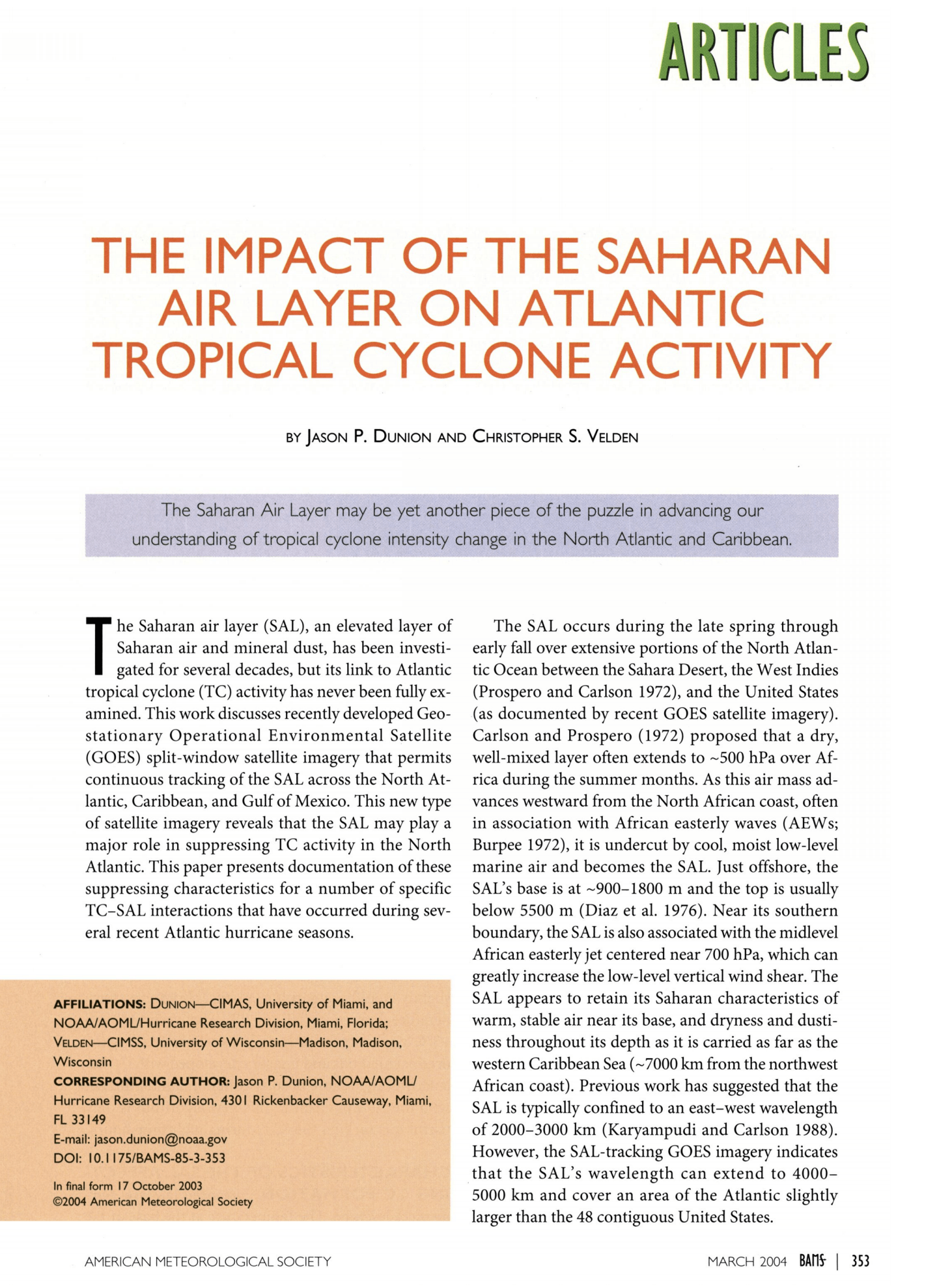
The Impact of the Saharan Air Layer on Atlantic Tropical Cyclone Activity

Dunion, J. P., & Velden, C. S. (2004). The impact of the Saharan air layer on Atlantic tropical cyclone activity. Bulletin of the American Meteorological Society, 85(3), 353-366.

Abstract: A deep well-mixed, dry adiabatic layer forms over the Sahara Desert and Shale regions of North Africa during the late spring, summer, and early fall. As this air mass advances westward and emerges from the northwest African coast, it is undercut by cool, moist low-level air and becomes the Saharan air layer (SAL). The SAL contains very dry air and substantial mineral dust lifted from the arid desert surface over North Africa, and is often associated with a midlevel easterly jet. A temperature inversion occurs at the base of the SAL where very warm Saharan air overlies relatively cooler air above the ocean surface. Recently developed multispectral Geostationary Operational Environmental Satellite (GOES) infrared imagery detects the SAL’s entrained dust and dry air as it moves westward over the tropical Atlantic. This imagery reveals that when the SAL engulfs tropical waves, tropical disturbances, or preexisting tropical cyclones (TCs), its dry air, temperature inversion…
Download PDF

Read Full Article

Moonlit coral spawning event will shed light on coral resilience in the Florida Keys

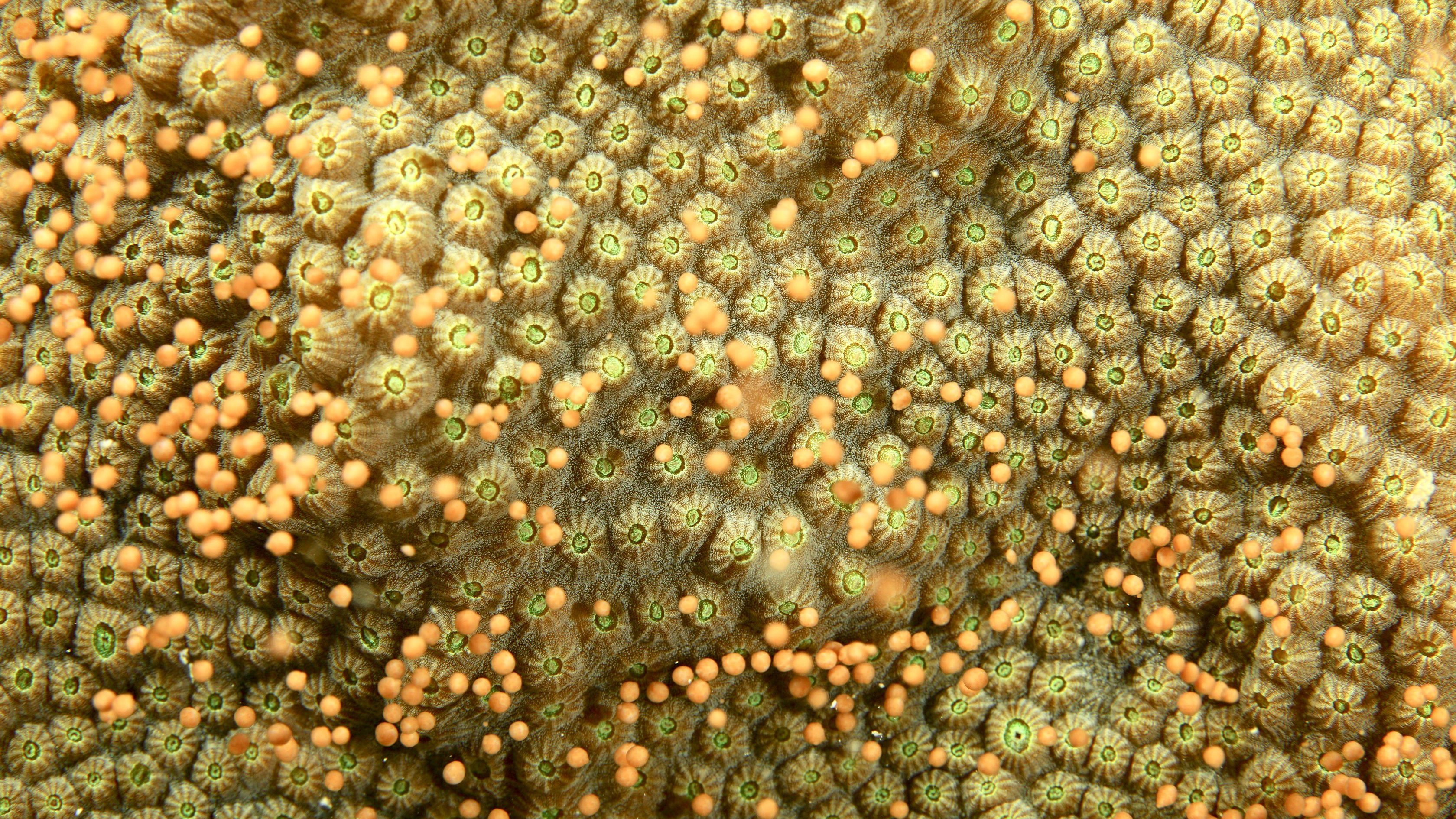
Last week AOML and CIMAS coral researchers, Graham Kolodziej, Anderson Mayfield, and Derek Manzello, entered the ocean off of the Upper Florida Keys to collect tiny floating balls being released from the protected mountainous star coral (Orbicella faveolata). Taking place shortly after moonrise, the spawning process is a visually beautiful part of the circle of life for corals, releasing gametes into the ocean water to become fertilized and eventually settle to create new corals stony coral colonies.

Read Full Article