Category: Physical Oceanography

Drifters to Help Recover Lost Aircraft

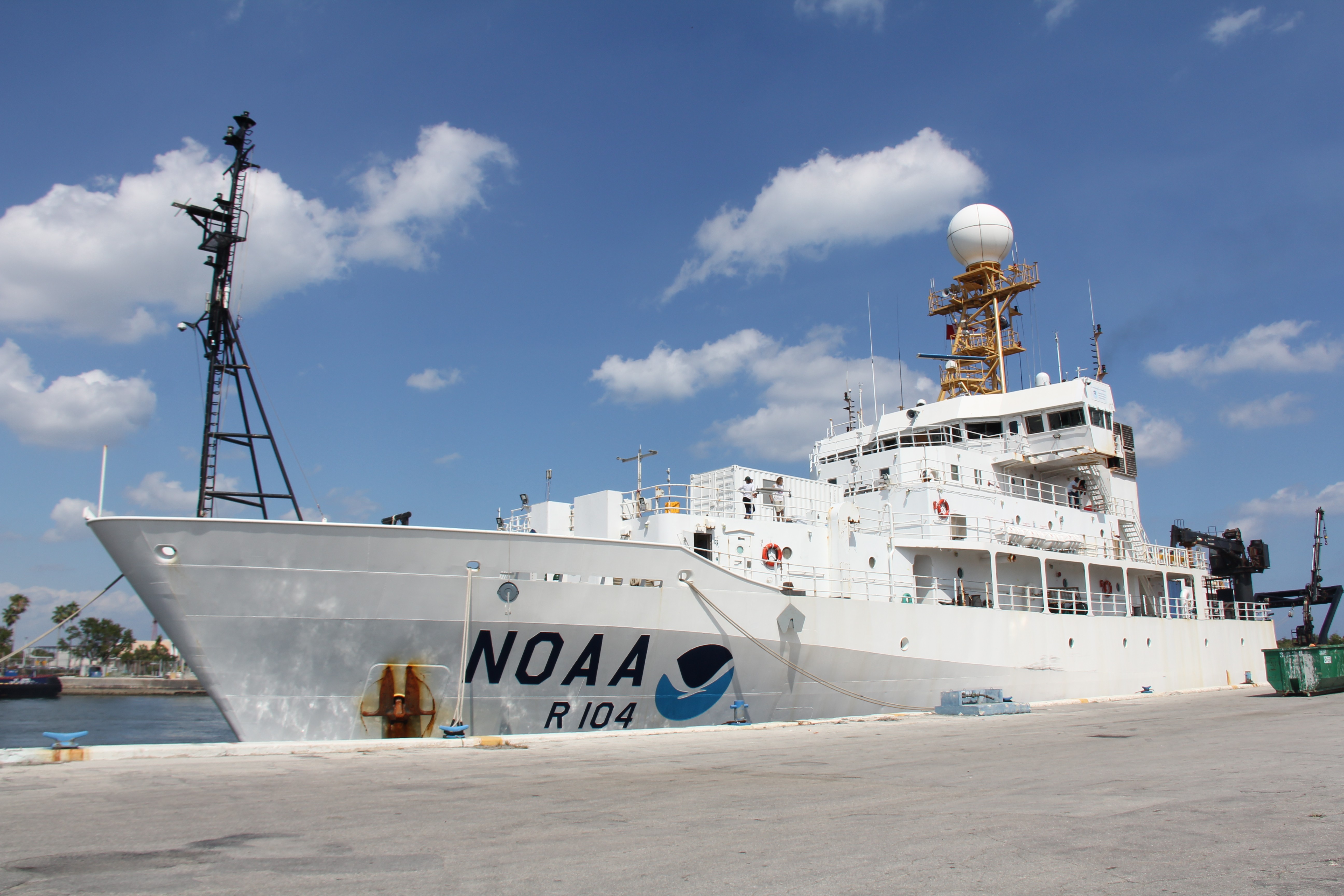
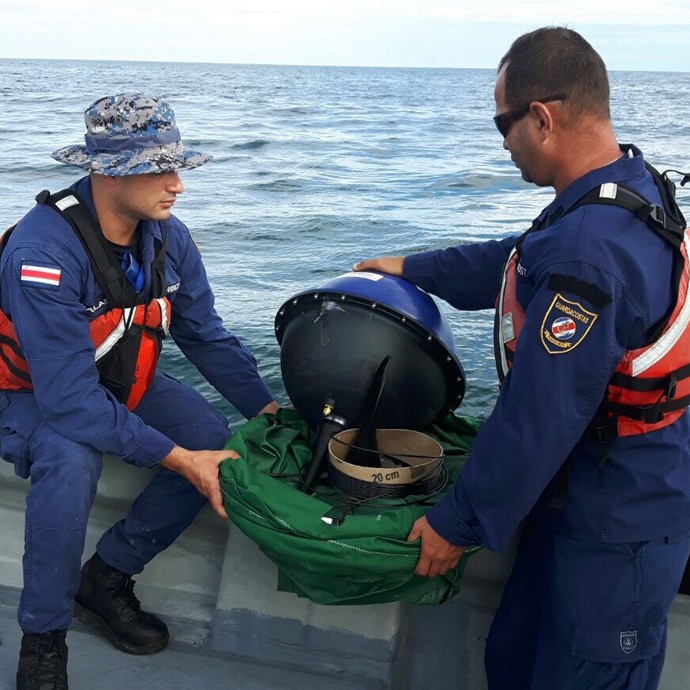
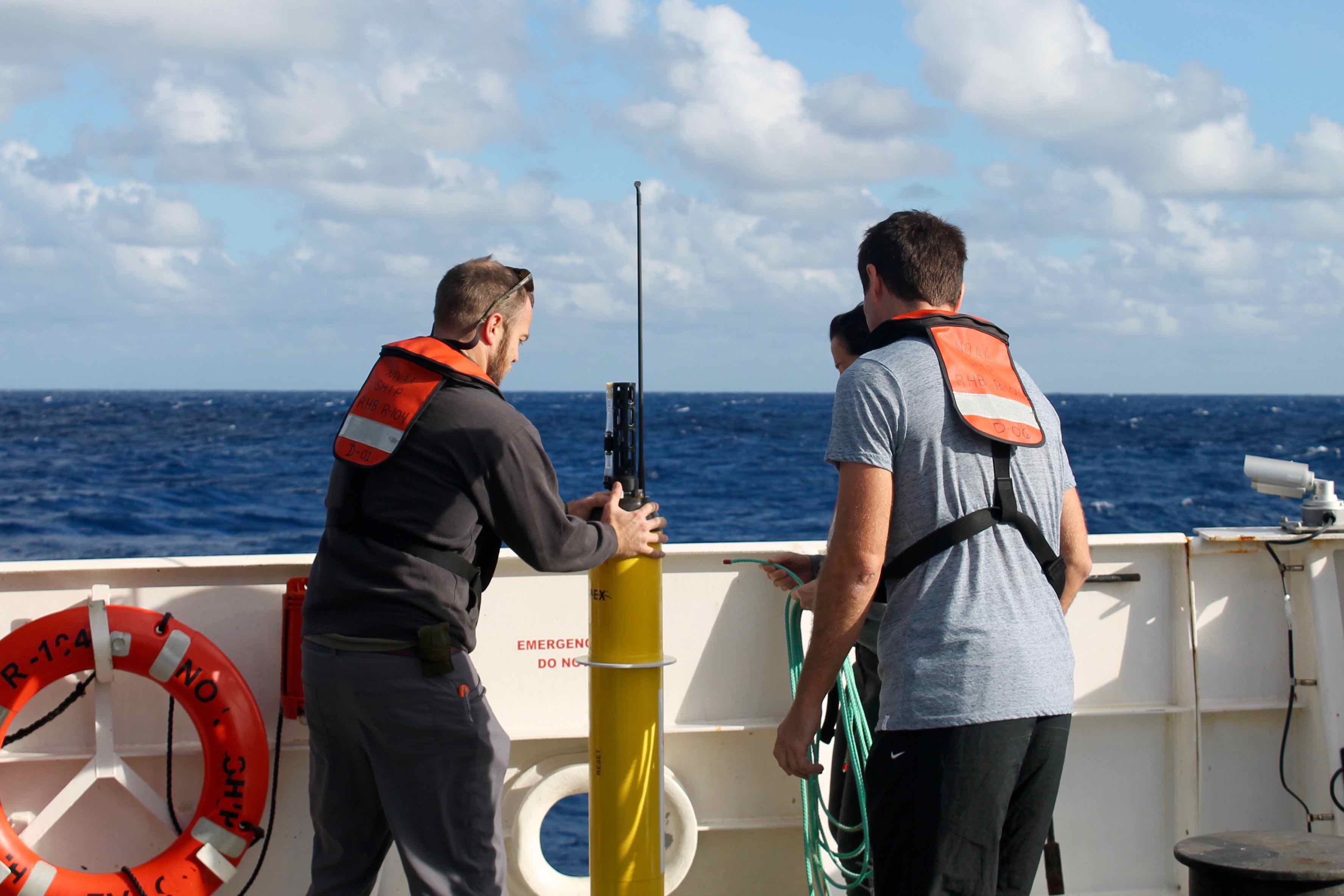
Researchers from AOML’s Physical Oceanography Division recently deployed three surface drifters and ten special spot trace drift buoys, all contributed by NOAA, in the Caribbean Sea to help to identify the site of where an Argentine Air Force C-54E Skymaster aircraft crashed in 1965. The data gathered by the drifters will help back track the possible location of the lost aircraft based on the location of life vests recovered during search operations after the crash. These deployments are part of a larger effort in support of the Argentine Air Force and search and rescue operations professionals from the US, Costa Rica, Panama and Argentina to locate the remains of the flights. Mr. Jose Rivera of NOAA, Captain Marcelo Covelli from Perfectura Naval Argentina and Licenciado Mariano Torres Garcia, representing the Argentine Air Force, are closely coordinating the 4th Expedition in the Caribbean Sea to locate the remains of TC48 and its 68 crew members on April 2018.
Read Full Article

Early Emergence of Anthropogenically Forced Heat Waves in the Western United States and Great Lakes

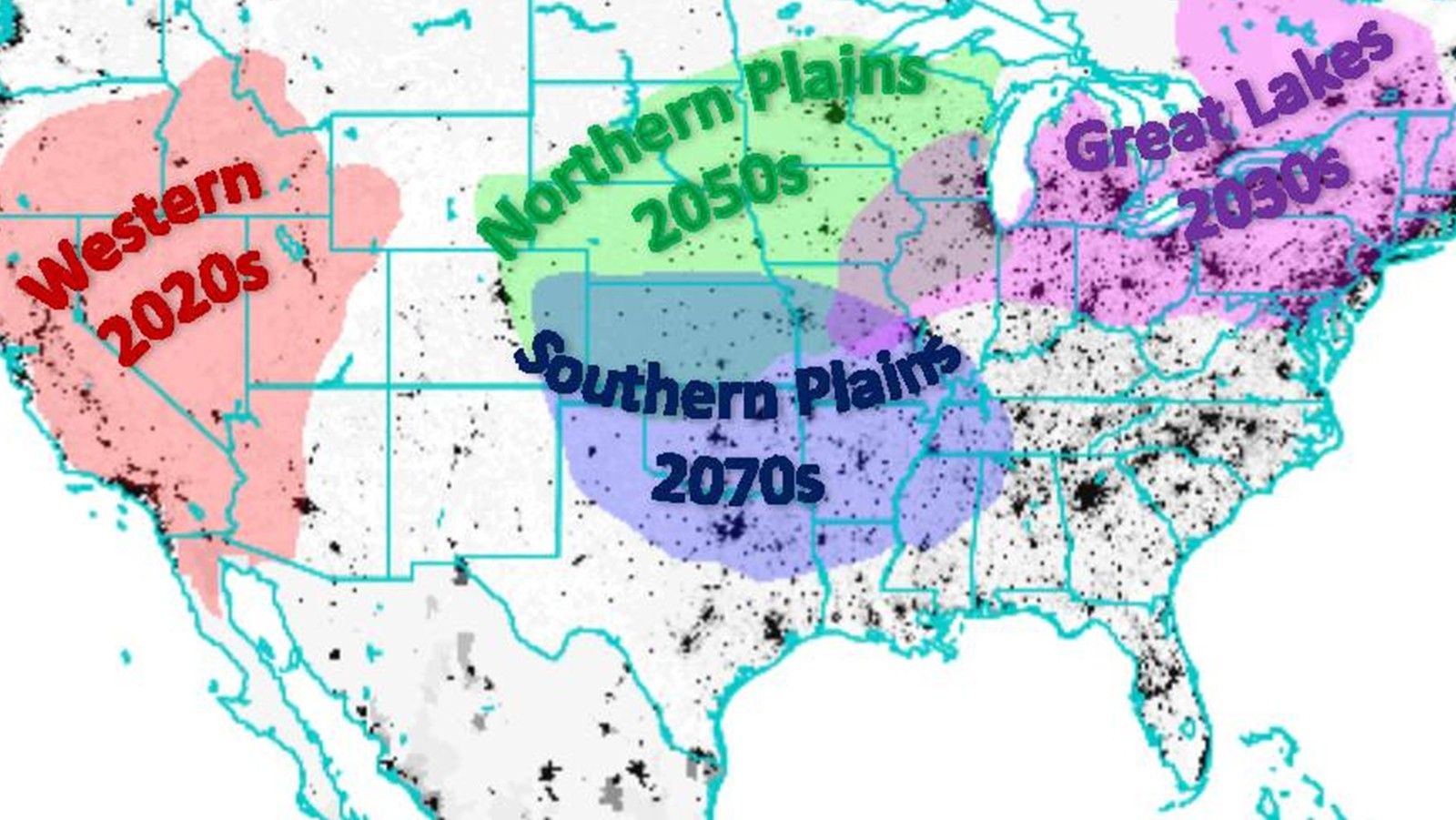
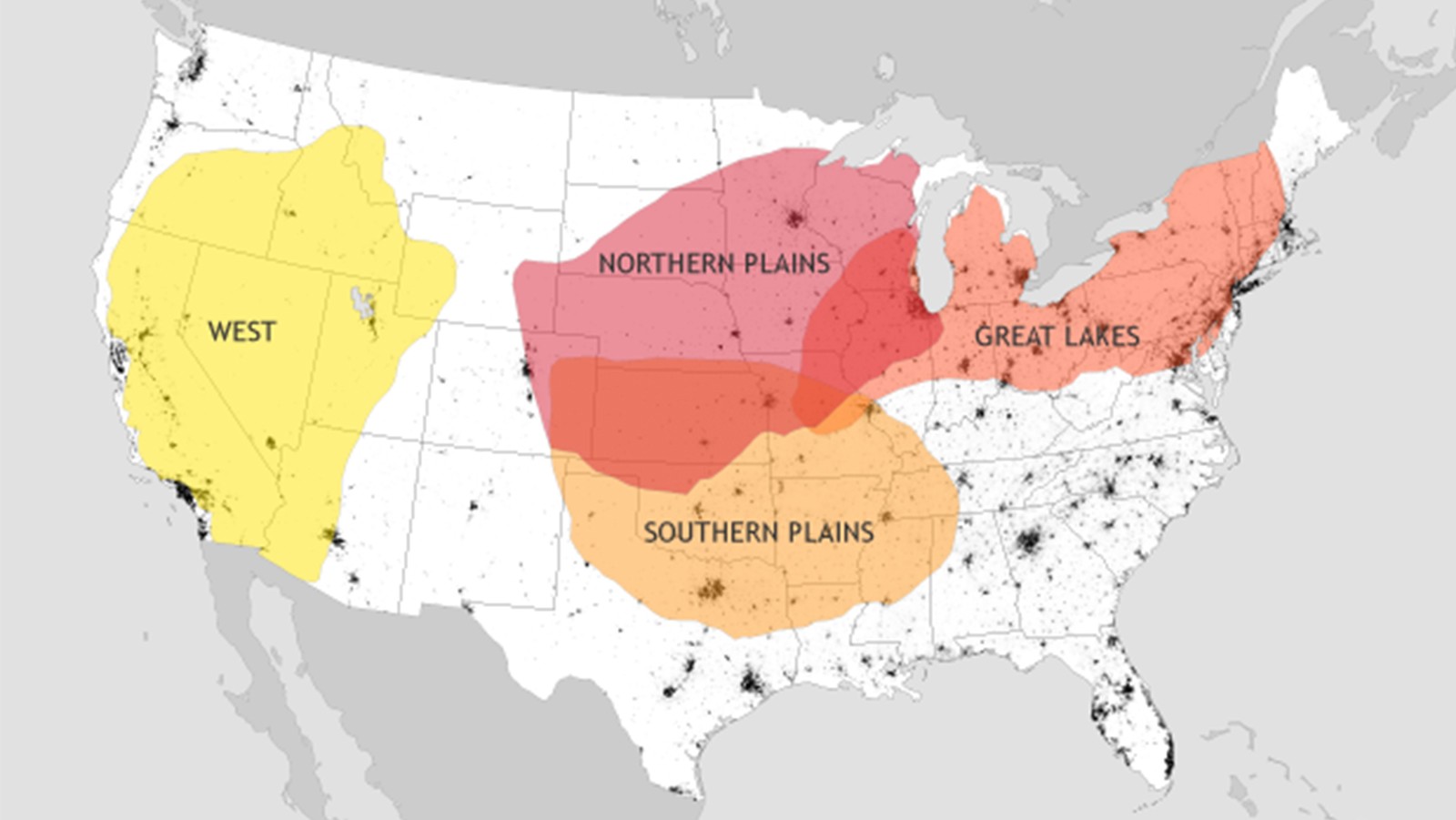
Climate projections for the twenty-first century suggest an increase in the occurrence of heat waves. However, the time at which externally forced signals of anthropogenic climate change (ACC) emerge against background natural variability (time of emergence (ToE)) has been challenging to quantify, which makes future heat-wave projections uncertain. In a new article published in Nature Climate Change (Lopez et al., 2018), Hosmay Lopez and his team combine observations and model simulations under present and future forcing to assess how internal variability and ACC modulate US heat waves.

Read Full Article

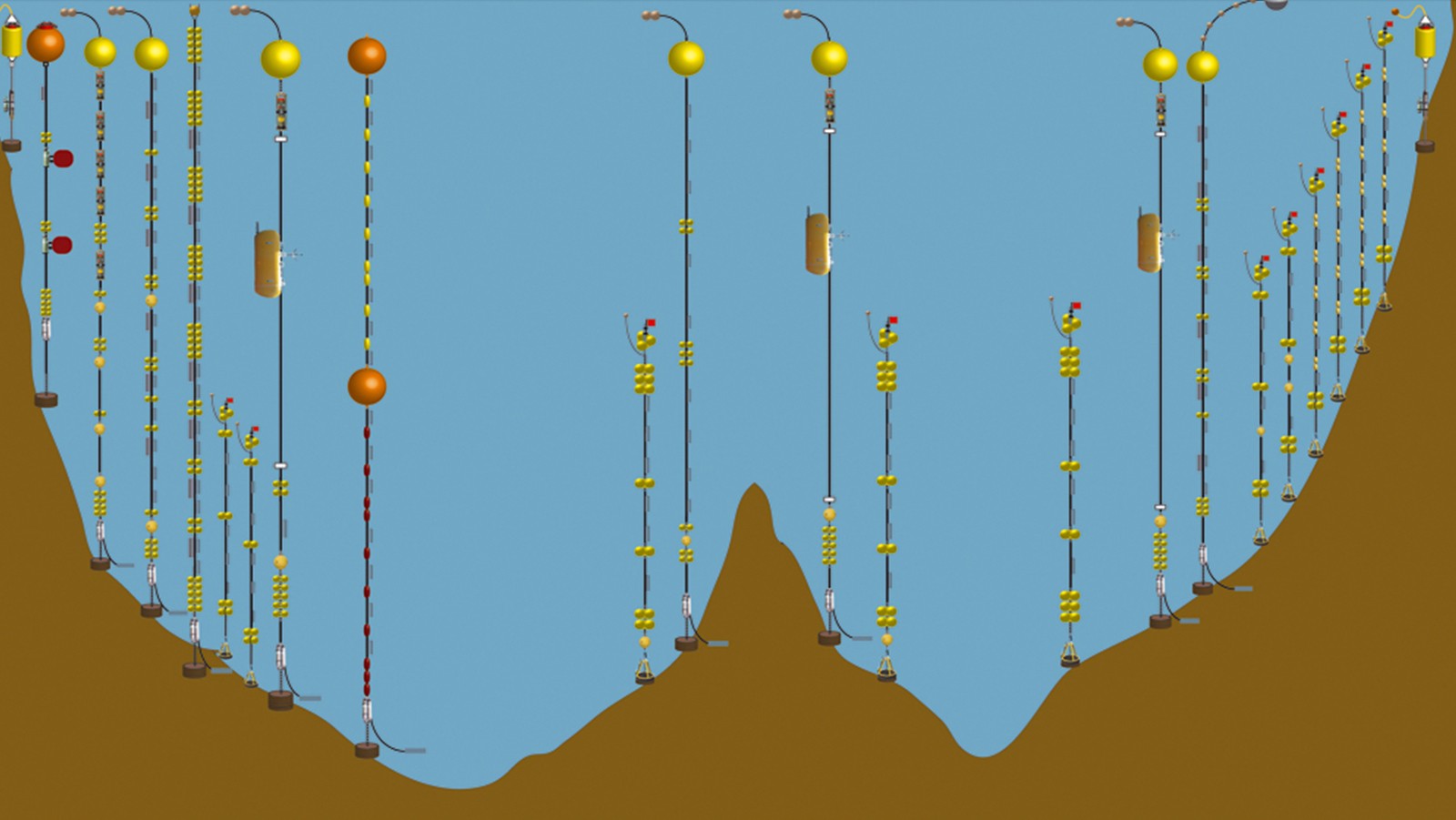
RAPID-MOCHA-WBTS array suggests that the Atlantic circulation has changed

AOML oceanographers Christopher Meinen and Molly Baringer participated in the development of a new thirteen-year-long record of the daily Atlantic ocean overturning that has recently been released. This project is a collaboration between a large team of researchers at NOAA, at the University of Miami ,and at the National Oceanography Centre in Southampton, United Kingdom.

Read Full Article

Underwater Gliders Contribute to Atlantic Hurricane Season Operational Forecasts

Scientists strategically deployed the gliders during the peak of hurricane season, from July through November 2017, collecting data in regions where hurricanes commonly travel and intensify. The gliders continually gathered temperature and salinity profile data, generating more than 4,000 profiles to enhance scientific understanding of the air-sea interaction processes that drive hurricane intensification.

Read Full Article

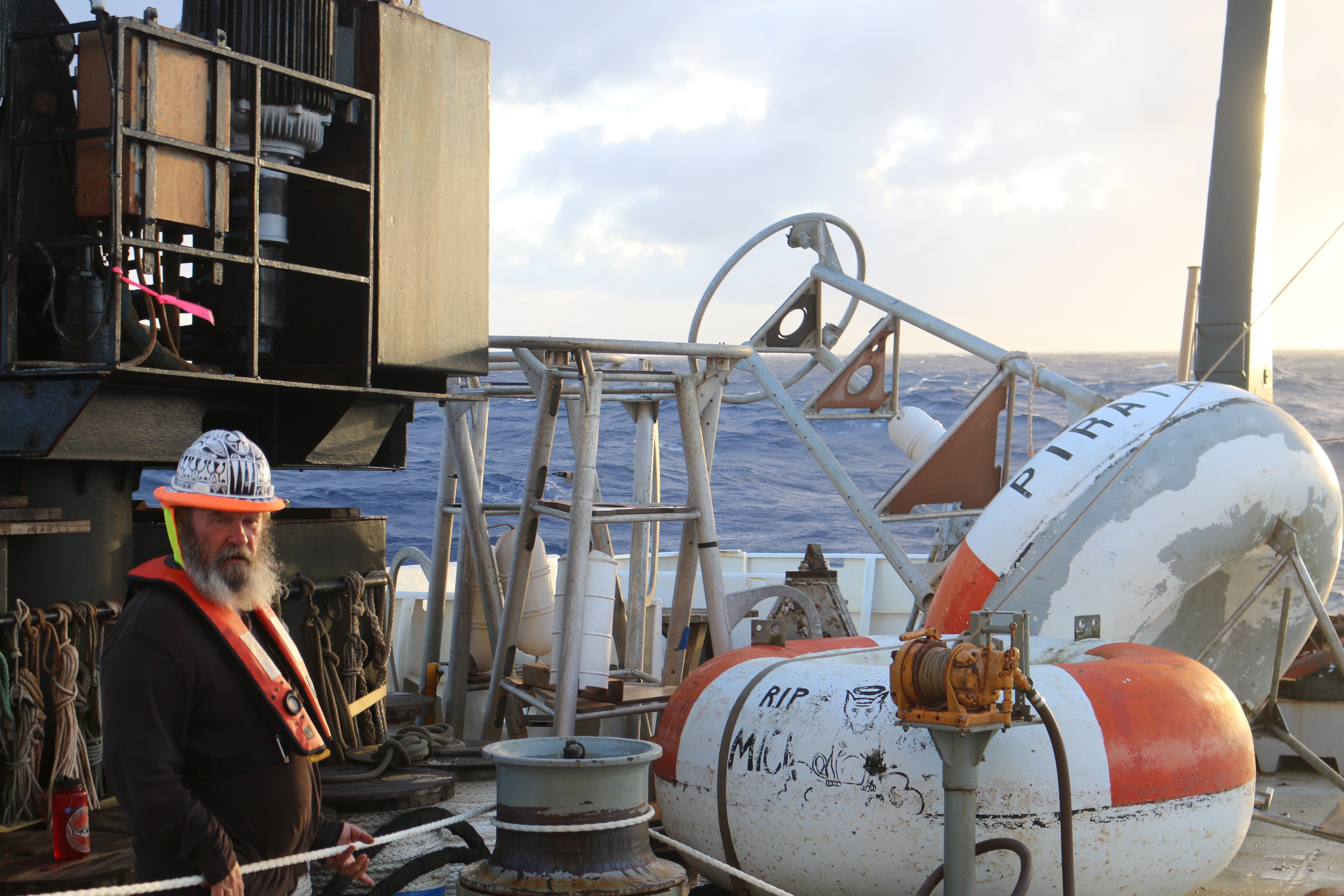
An Enhanced PIRATA Data Set for Tropical Atlantic Ocean-Atmosphere Research

The manuscript “An enhanced PIRATA data set for tropical Atlantic ocean-atmosphere research”, by Greg Foltz, Claudia Schmid, and Rick Lumpkin, was accepted for publication in Journal of Climate. It describes a new set of daily time series (ePIRATA) that is based on the measurements from 17 moored buoys of the Prediction and Research Moored Array in the Tropical Atlantic (PIRATA).

Read Full Article

Tracking Marine Debris

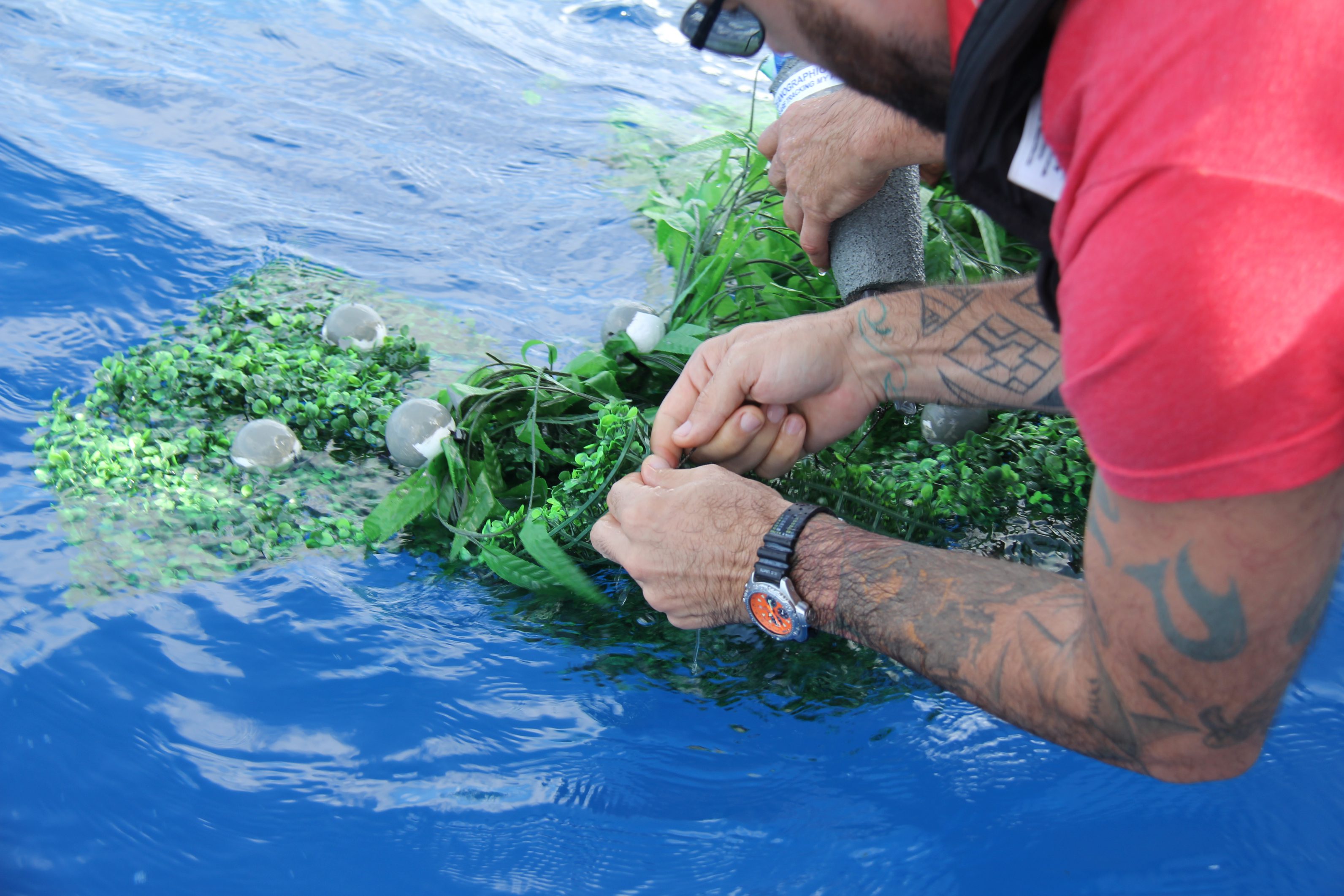
Researchers at AOML, NESDIS CoastWatch, and the University of Miami are currently exploring how the distribution of marine debris is affected by both ocean currents and wind. During a recent experiment, scientists deployed several prototype drifters in the Florida Current off the coast of Miami to simulate commonly found debris of varying weights and shapes. These drifters carry GPS transmitters that provide their location four times per day. 

Read Full Article

New Data Set to Improve Tropical Atlantic Ocean and Atmospheric Research

Researchers at NOAA AOML have released a new tropical Atlantic data set that includes several enhancements to improve data accuracy and data collection in the tropical Atlantic. The new data set is called enhanced PIRATA, or ePIRATA, and provides continuous records of upper-ocean temperature, salinity, and currents, together with meteorological data such as winds, humidity, and solar radiation. ePIRATA should prove valuable in better analyzing ocean and atmospheric processes in the tropical Atlantic.

PIRATA, the Prediction and Research Moored Array in the Tropical Atlantic, is a multinational observation network, established to improve knowledge and understanding of ocean-atmosphere variability in the tropical Atlantic. It is a joint project of Brazil, France and the United States of America, motivated by fundamental scientific issues and by societal needs for improved prediction of climate variability and its impact on the countries surrounding the tropical Atlantic basin. PIRATA provides measurements at 18 locations throughout the tropical Atlantic

Read Full Article

Decadal Modulations of Global Monsoons and Extreme Weather Events by SAMOC

There have been many efforts to understand the role of the Atlantic Meridional Overturning Circulation (AMOC) as a potential predictor of decadal climate variability, motivated partly by its inherent relationship with North Atlantic sea surface temperature. In contrast, there is currently limited knowledge about the underlying mechanisms that govern the South Atlantic Meridional Overturning Circulation (SAMOC) variability and how it might feedback into climate, partly due to the small number of direct observations in this ocean basin.

Read Full Article

Interannual-to-Decadal Variability of the SAMOC

Recent studies have suggested the possibility of the southern origin of the Atlantic MHT anomalies. These studies have used General Circulation Models (GCMs) to demonstrate covariability between the South Atlantic MOC (SAMOC) and the Southern Hemisphere westerlies at interannual to longer time scales. However, it has been pointed out that the sensitivity of the SAMOC to the changes in the Southern Hemisphere westerlies depends critically on the representation of mesoscale eddies in those models.

Read Full Article