
Author: AOML Communications

Four decades of coral research lead to an exciting discovery for tropical pacific corals

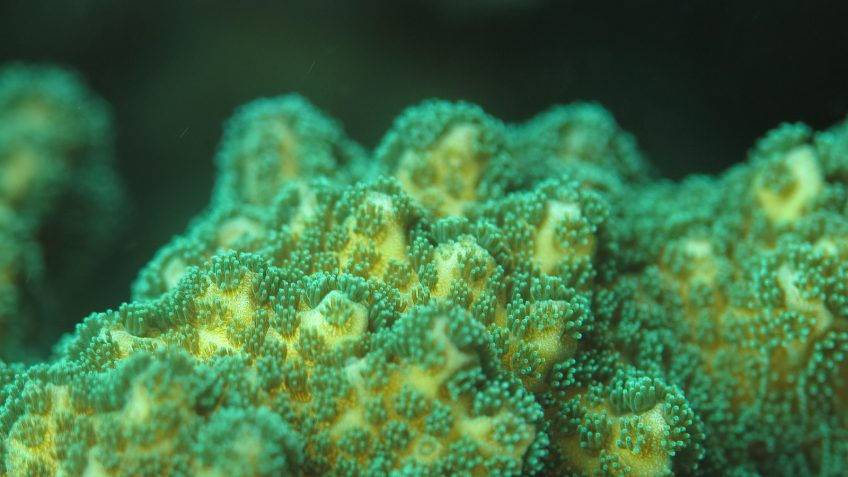
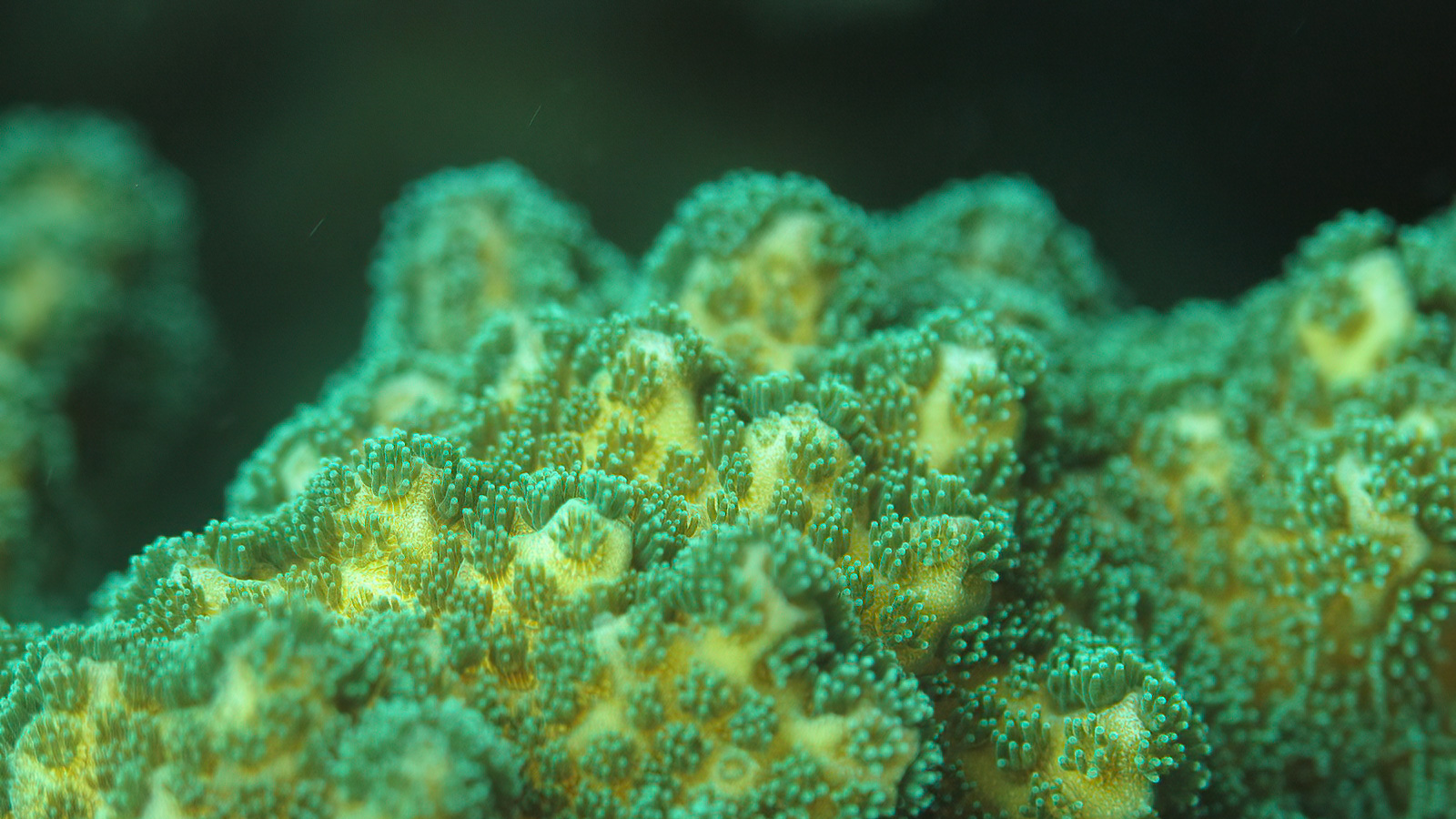
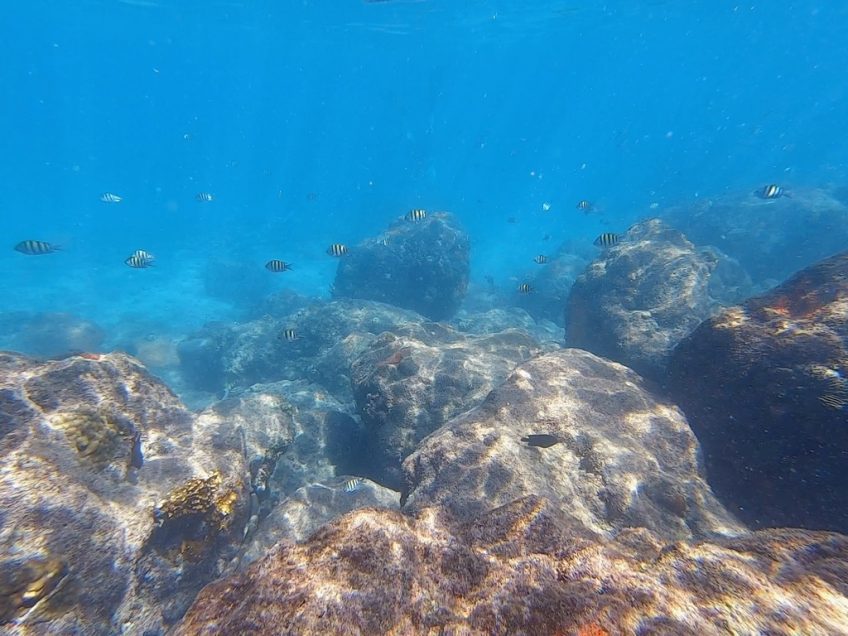
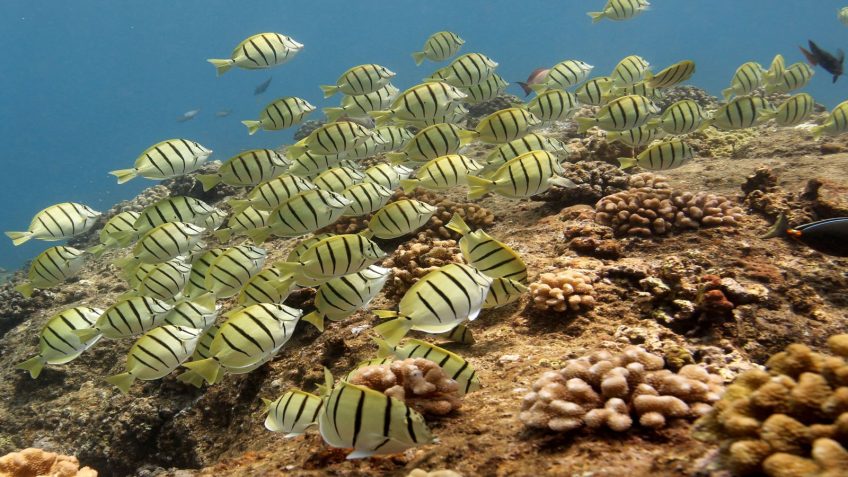
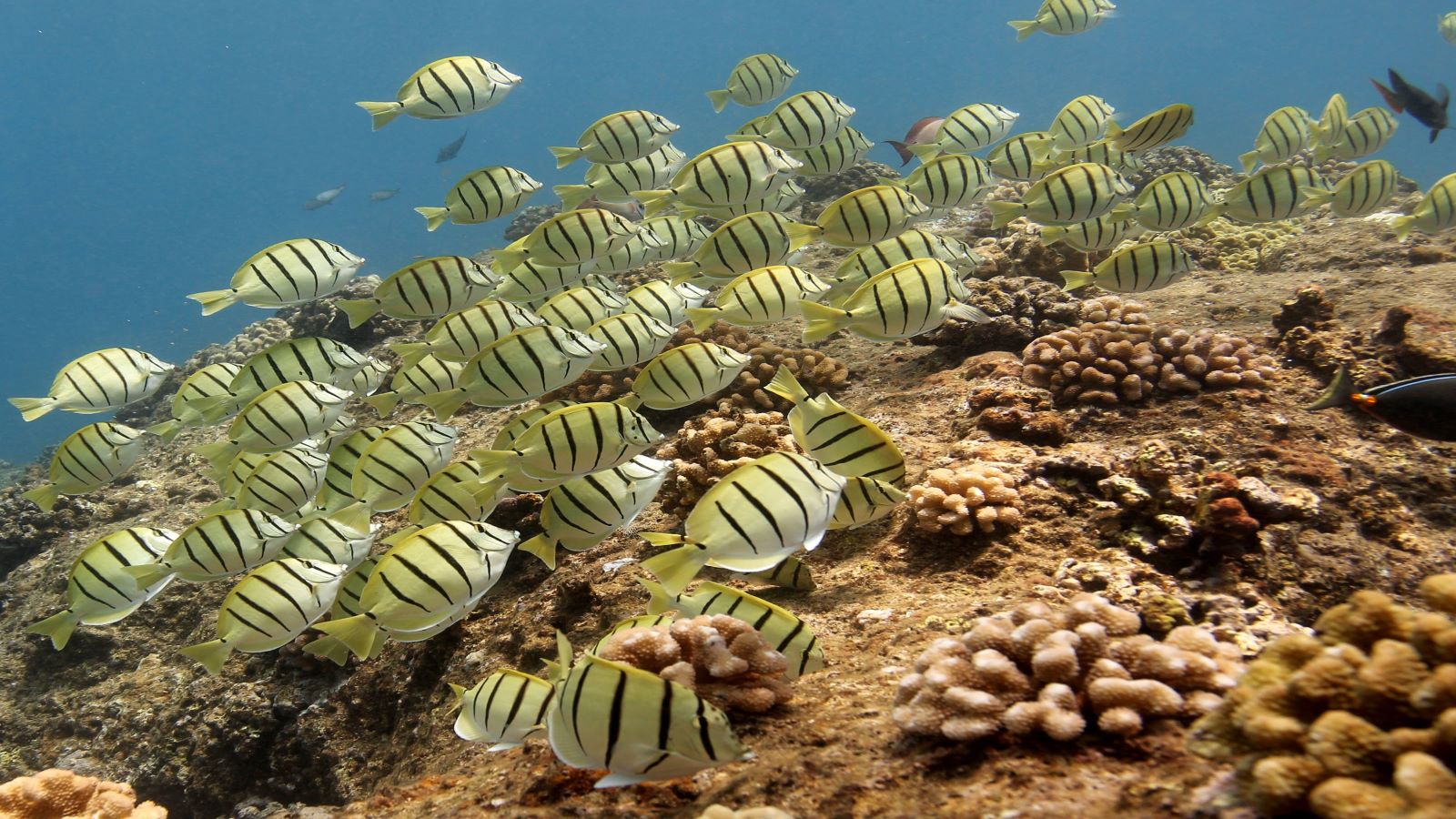
A heat-tolerant algae found in some tropical Pacific corals can make reefs more resilient to heatwave events, according to a new study in the Proceedings of the National Academy of Sciences. Researchers with University of Miami’s Cooperative Institute for Marine and Atmospheric Studies (UM-CIMAS) and NOAA’s Atlantic Oceanographic and Meteorological Laboratory (AOML) examined four decades of temperature, coral cover, bleaching, mortality data from three mass bleaching events, and symbiont community data from the last two, to find that a symbiont algae helped corals better tolerate heat stress, increasing their resilience to warming ocean temperatures.

Read Full Article

Experts Learn from Coral Disease Outbreak

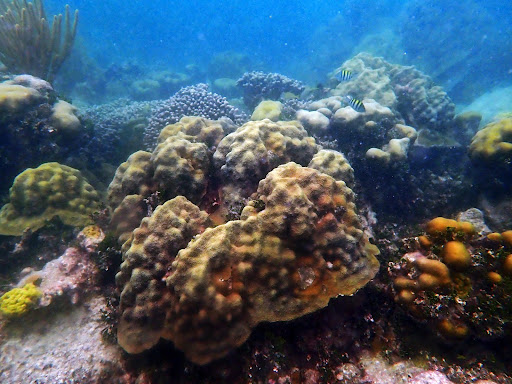
When white lesions began appearing at the famously intact Flower Garden Banks coral reef system, scientists knew a rapid, multi-agency, collaborative response was vital. Scientists from NOAA’s Atlantic Oceanographic and Meteorological Laboratory (AOML) and University of Miami’s Cooperative Institute of Marine and Atmospheric Studies (CIMAS) recently co-authored a publication about rapid tissue loss on the three dominant coral species at Flower Garden Banks National Marine Sanctuary, observed during National Coral Reef Monitoring Program cruises in the fall of 2022.

Read Full Article

Celebrating 50 Years of AOML

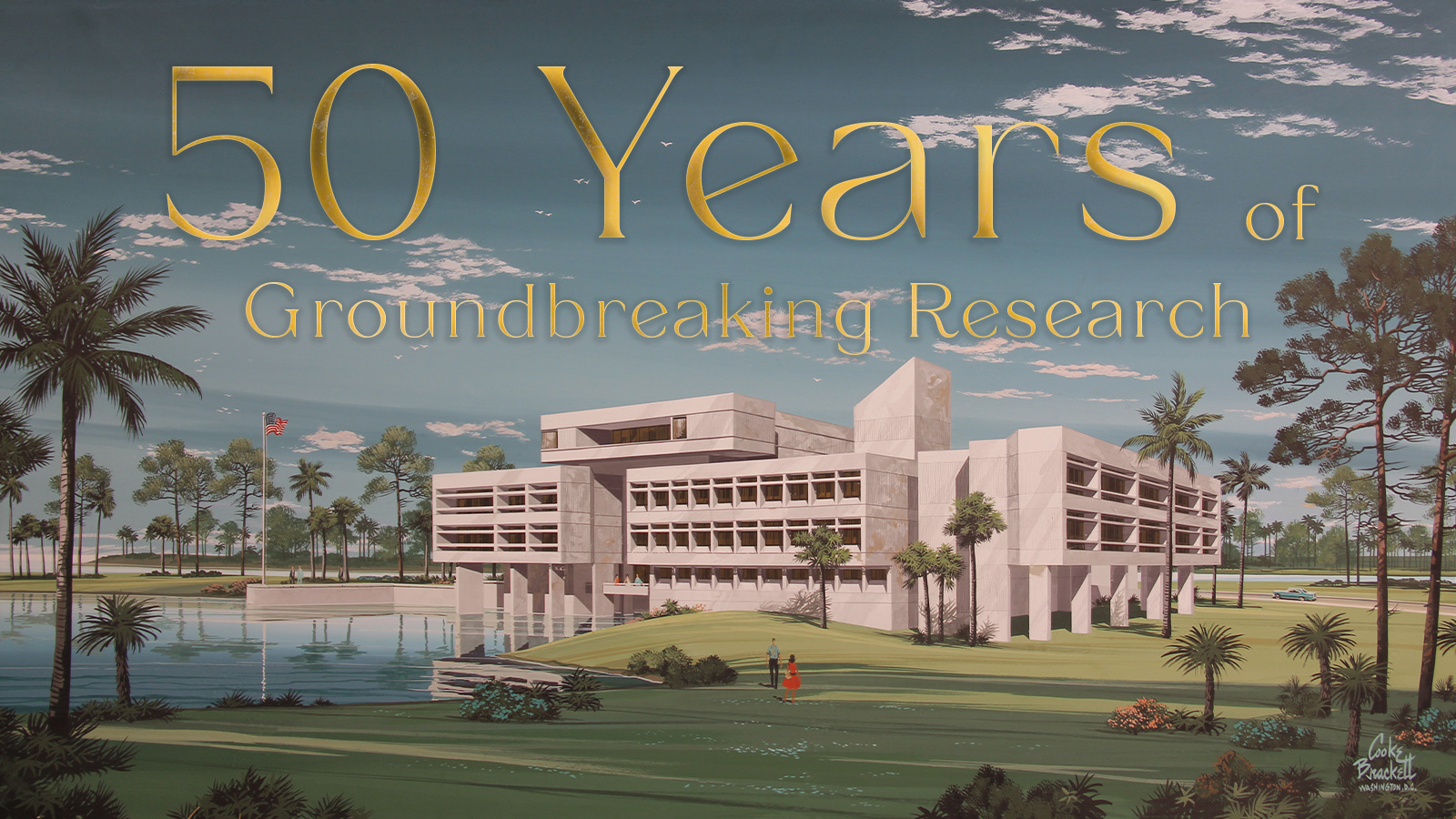
  Fifty years ago, NOAA opened the Atlantic Oceanographic & Meteorological Laboratories (AOML) on Virginia Key in Miami, Florida. Since its inception on February 9, 1973, AOML has been a leader in Earth system research, providing trusted scientific data and knowledge to predict changes in weather, climate, oceans, and marine ecosystems. From entering measurements on [...]
Read Full Article

NOAA Cruise Ensures Flow of Critical Climate and Weather Data and Supports Collaborative Science

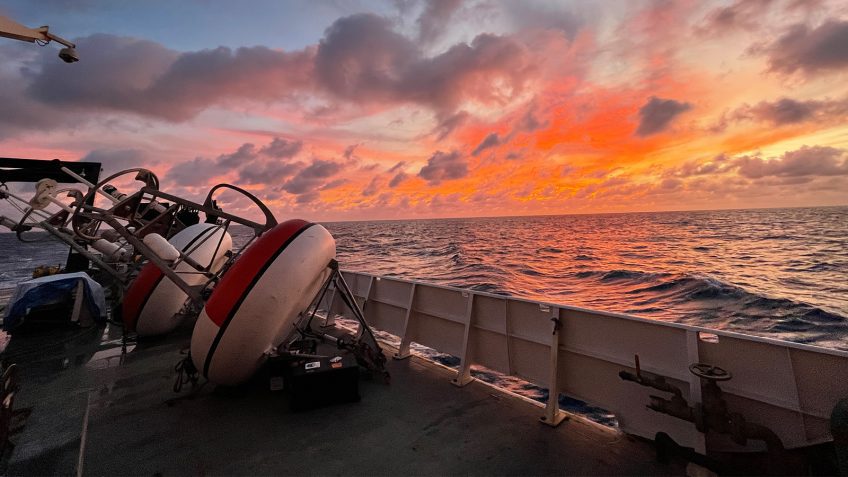
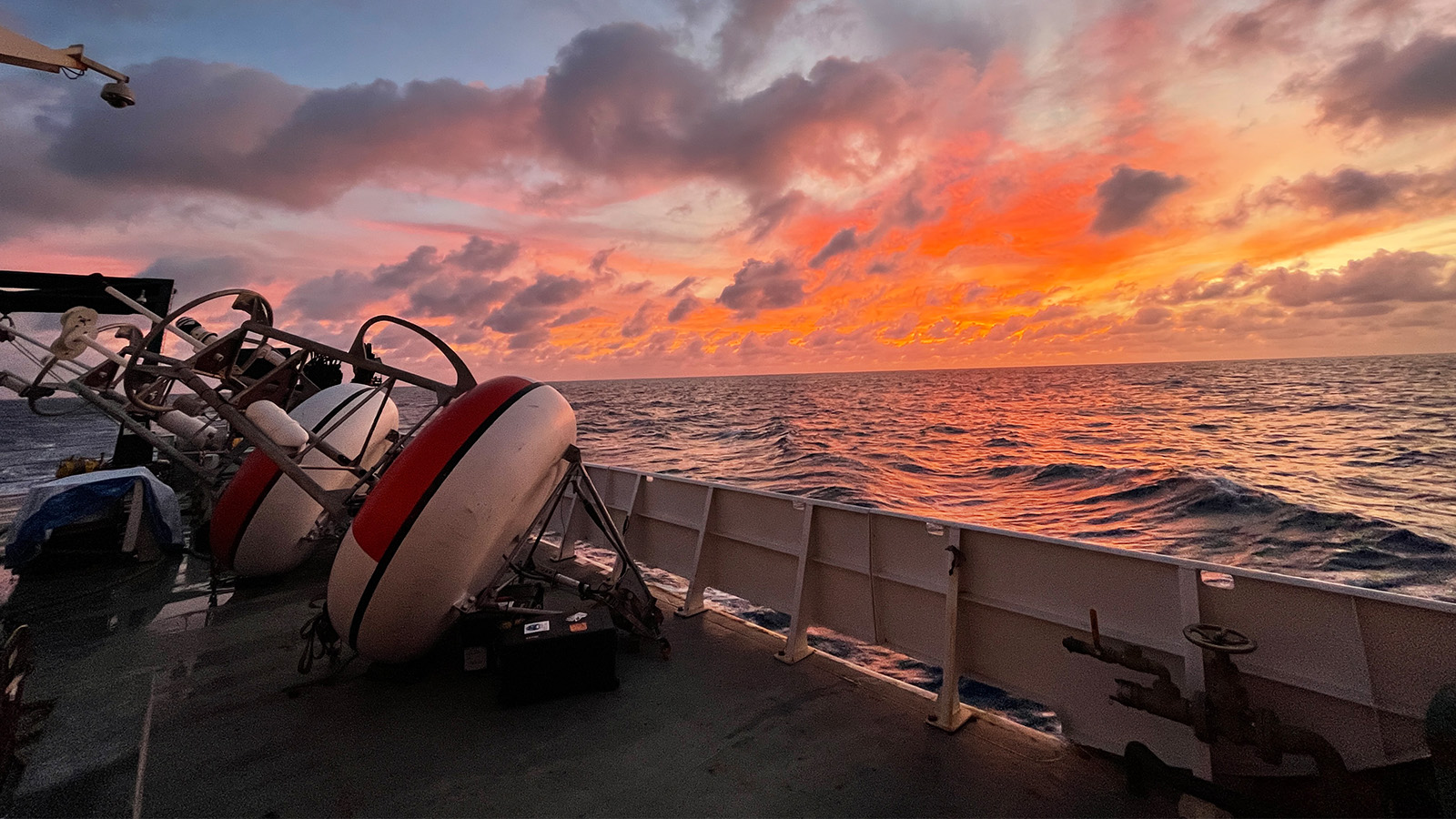
Researchers with NOAA’s Atlantic Oceanographic and Meteorological Laboratory (AOML), NOAA’s Pacific Marine Environmental Laboratory (PMEL), NOAA’s National Environmental Satellite, Data and Information Service, and partners set sail from Bridgetown, Barbados aboard NOAA Ship Ronald H. Brown on November 1st, 2022. Over the next 40 days, the crew and scientists recovered and redeployed key moorings in the Prediction and Research Moored Array in the Tropical Atlantic (PIRATA), deployed an additional mooring, and serviced two equatorial PIRATA buoys in support of the PIRATA Northeast Extension project and broader PIRATA objectives. They also conducted a number of research projects on the ocean and atmosphere that advance our understanding of carbon absorption in the ocean and atmospheric pollution.

Read Full Article

Scientists participate in Ocean Acidification Annual Community Meetings in San Diego, California

Scientists from NOAA’s Atlantic Oceanographic and Meteorological Laboratory (AOML), and our cooperative institute partners, the University of Miami’s Cooperative Institute of Marine and Atmospheric Studies and the Northern Gulf Institute, recently participated in Ocean Acidification Annual Community Meetings at the Scripps Institute of Oceanography in San Diego, California. Over the course of multiple days, scientists attended various meetings on ocean acidification research topics, visited laboratories, met with fellow scientists, learned about new ocean acidification technologies, and much more.

Read Full Article

New study establishes monitoring framework for evaluating reef persistence under climate change and ocean acidification

Coral scientists at NOAA’s Atlantic Oceanographic and Meteorological Laboratory (AOML) and University of Miami Cooperative Institute of Marine and Atmospheric Science (CIMAS) developed a new modeling approach, for evaluating coral reef persistence under climate change scenarios. Aiming to improve coral restoration efforts, this new user-friendly framework has been created as a helpful tool for coral reef scientists and managers to address the increasing vulnerability of these vital ecosystems.

Read Full Article

AOML Scientists Present at the 103rd Annual AMS Meeting

The world’s largest yearly gathering for the weather, water and climate community took place earlier this month in Denver, Colorado. Scientists from NOAA’s Atlantic Oceanographic and Meteorological Laboratory (AOML) participated in the 103rd annual American Meteorological Society (AMS) meeting from January 8 – 12, both virtually and in-person. Formal presentations, posters, panel discussions and town hall meetings were all featured during the meeting.

Read Full Article

SAMOC Initiative Advances Understanding of the South Atlantic’s Unique Role in Global Overturning Circulation

Since the inception of the international South Atlantic Meridional Overturning Circulation (SAMOC) initiative in 2007, substantial advances have been made in observing and understanding the South Atlantic component of the Atlantic Meridional Overturning Circulation (AMOC). The goals of the SAMOC initiative are to monitor climatically relevant oceanic fluxes of mass, heat, and freshwater, provide observations to validate and improve numerical models and climate predictions, and understand the impacts of the SAMOC on climate and weather.

Read Full Article