Tag: Global Ocean Observing System

Argo Data Acquisition Center at AOML Surpasses One Million Profile Benchmark

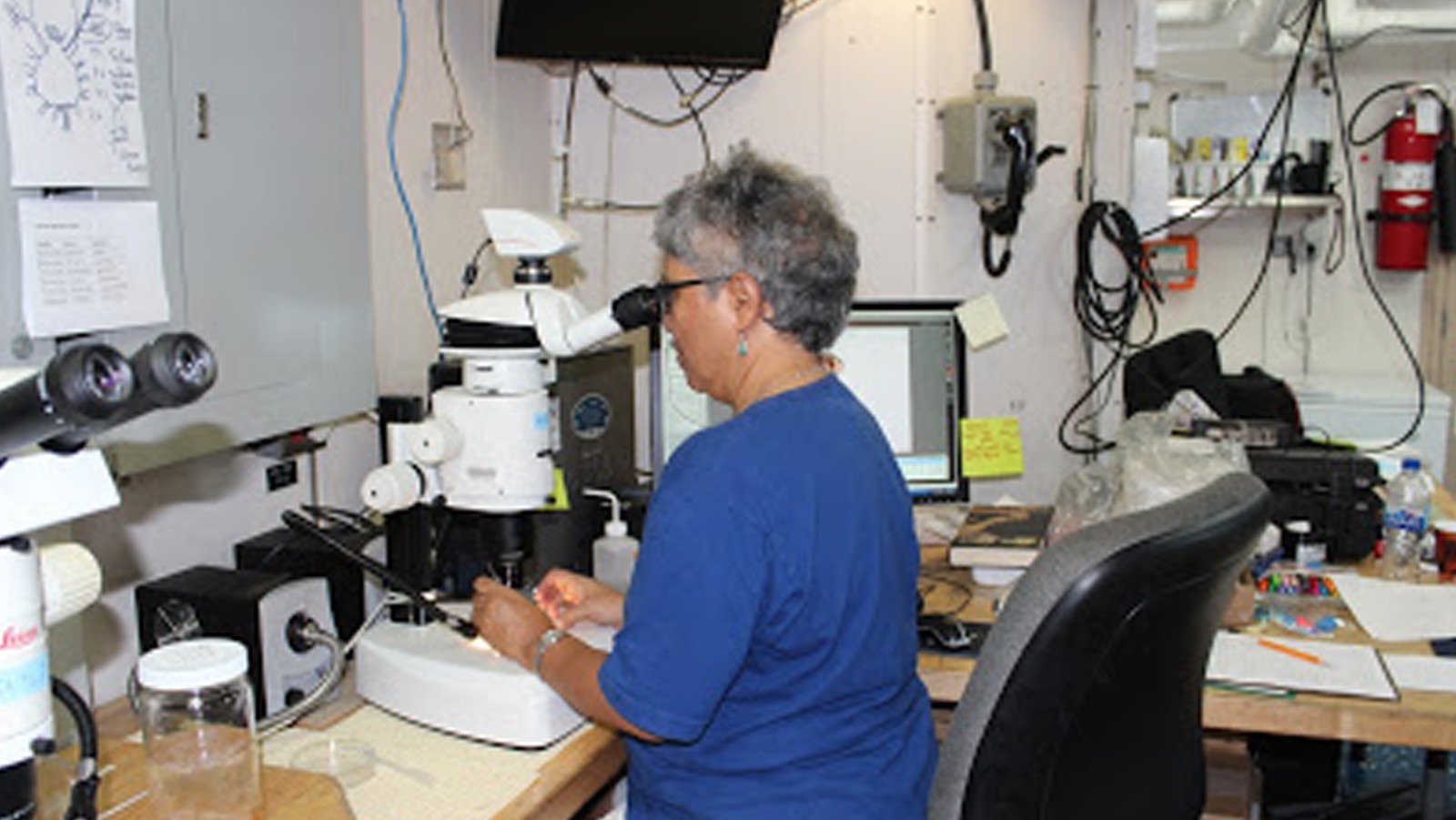
Staff with the US Argo Data Acquisition Center (DAC) at AOML marked an important milestone this past February by processing the one millionth profile from Argo floats. The DAC team has been processing and quality controlling all of the raw data obtained from US-deployed Argo floats since 2001, with about 90,000 temperature-salinity profiles processed annually since 2007. These profiles have provided the global scientific community with an unprecedented record of the evolving state of the upper ocean, advancing understanding of the ocean’s role in world climate.

Read Full Article

Drifters to Help Recover Lost Aircraft

Researchers from AOML’s Physical Oceanography Division recently deployed three surface drifters and ten special spot trace drift buoys, all contributed by NOAA, in the Caribbean Sea to help to identify the site of where an Argentine Air Force C-54E Skymaster aircraft crashed in 1965. The data gathered by the drifters will help back track the possible location of the lost aircraft based on the location of life vests recovered during search operations after the crash. These deployments are part of a larger effort in support of the Argentine Air Force and search and rescue operations professionals from the US, Costa Rica, Panama and Argentina to locate the remains of the flights. Mr. Jose Rivera of NOAA, Captain Marcelo Covelli from Perfectura Naval Argentina and Licenciado Mariano Torres Garcia, representing the Argentine Air Force, are closely coordinating the 4th Expedition in the Caribbean Sea to locate the remains of TC48 and its 68 crew members on April 2018.

Read Full Article

RAPID-MOCHA-WBTS array suggests that the Atlantic circulation has changed

AOML oceanographers Christopher Meinen and Molly Baringer participated in the development of a new thirteen-year-long record of the daily Atlantic ocean overturning that has recently been released. This project is a collaboration between a large team of researchers at NOAA, at the University of Miami ,and at the National Oceanography Centre in Southampton, United Kingdom.

Read Full Article

Underwater Gliders Contribute to Atlantic Hurricane Season Operational Forecasts

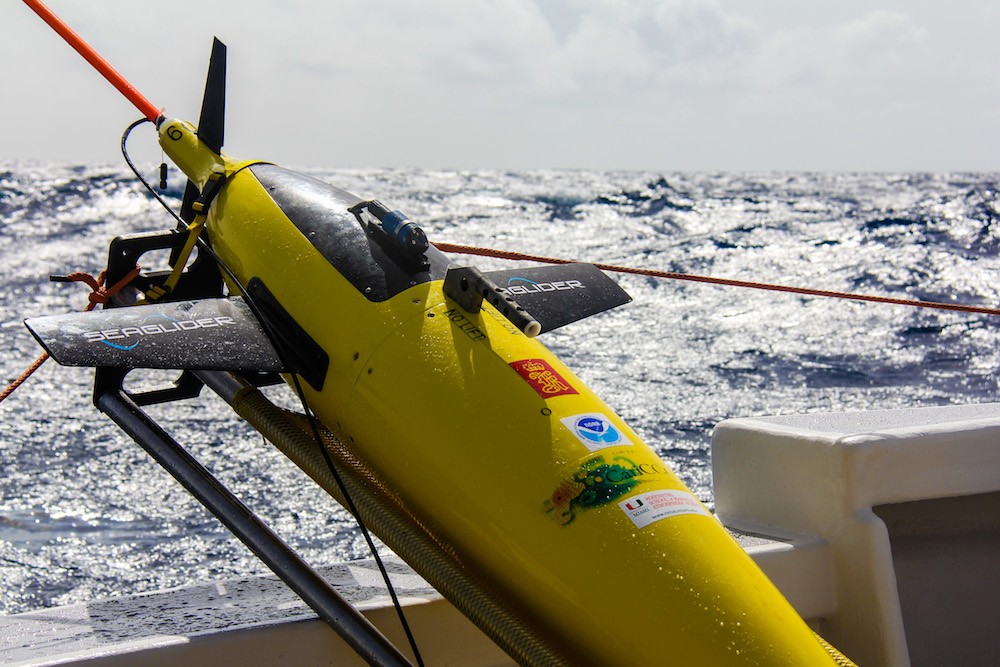
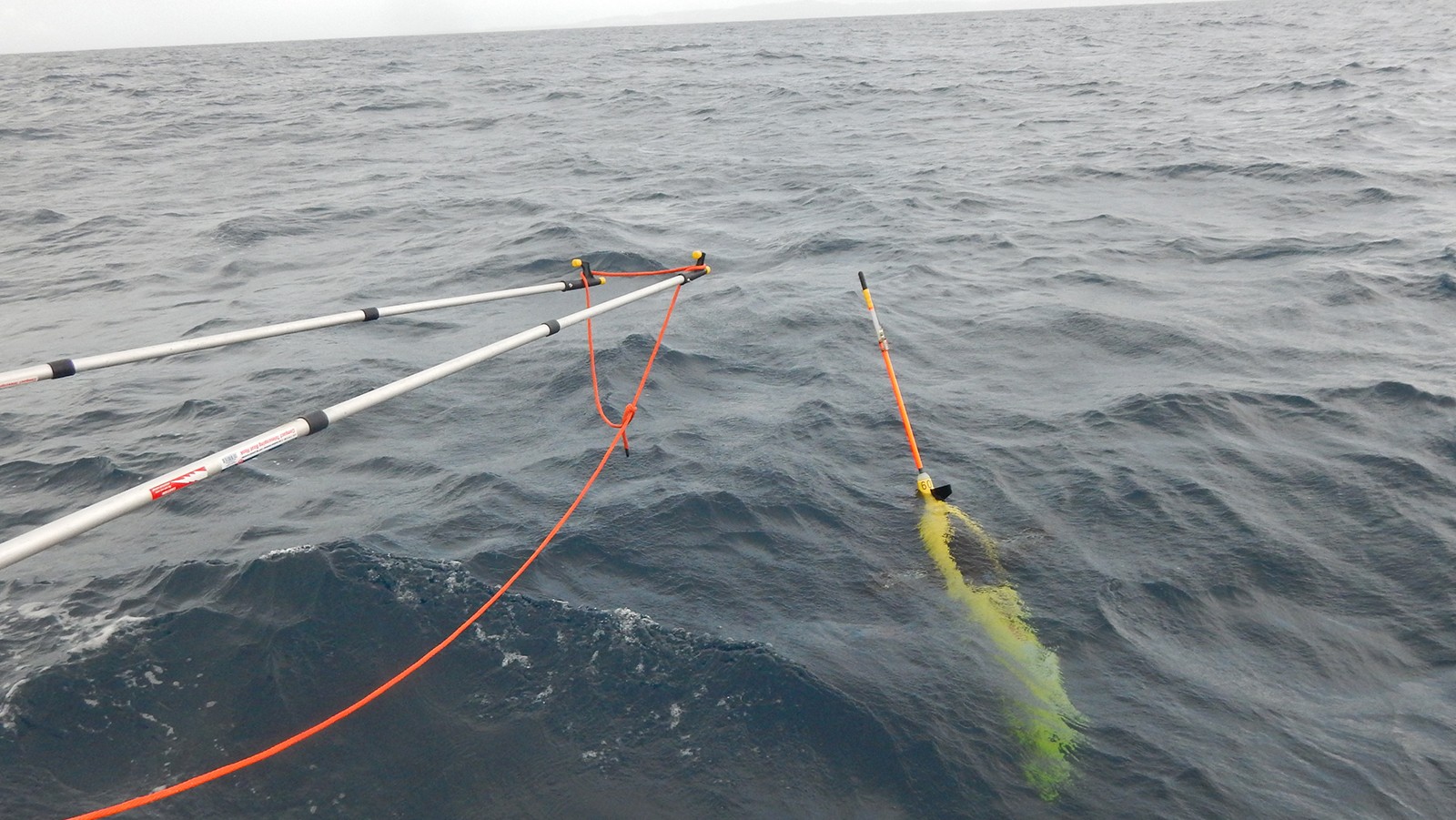
Scientists strategically deployed the gliders during the peak of hurricane season, from July through November 2017, collecting data in regions where hurricanes commonly travel and intensify. The gliders continually gathered temperature and salinity profile data, generating more than 4,000 profiles to enhance scientific understanding of the air-sea interaction processes that drive hurricane intensification.

Read Full Article

An Enhanced PIRATA Data Set for Tropical Atlantic Ocean-Atmosphere Research

The manuscript “An enhanced PIRATA data set for tropical Atlantic ocean-atmosphere research”, by Greg Foltz, Claudia Schmid, and Rick Lumpkin, was accepted for publication in Journal of Climate. It describes a new set of daily time series (ePIRATA) that is based on the measurements from 17 moored buoys of the Prediction and Research Moored Array in the Tropical Atlantic (PIRATA).

Read Full Article

Underwater Glider Data Improved Intensity Forecasts of Hurricane Gonzalo

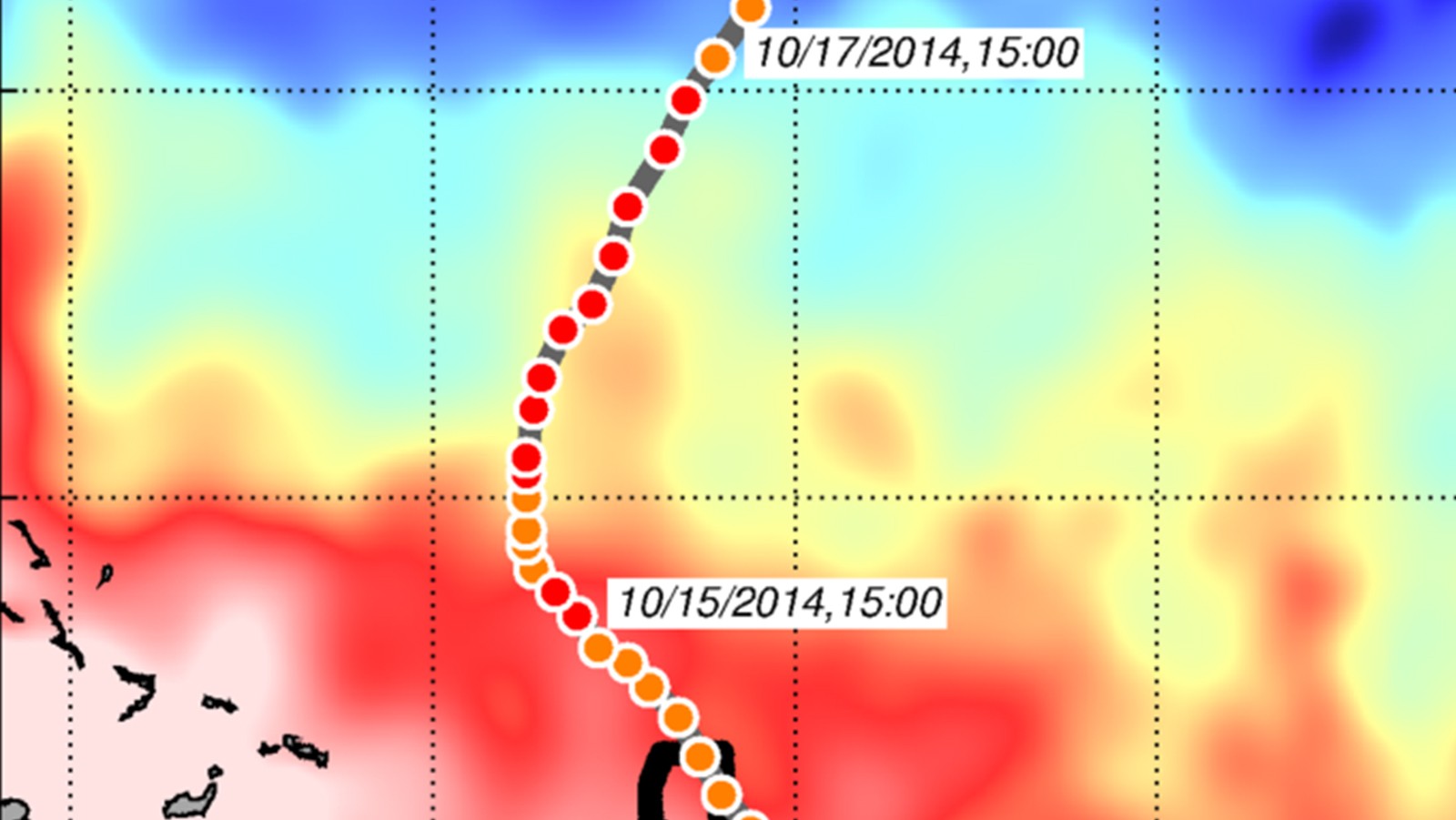
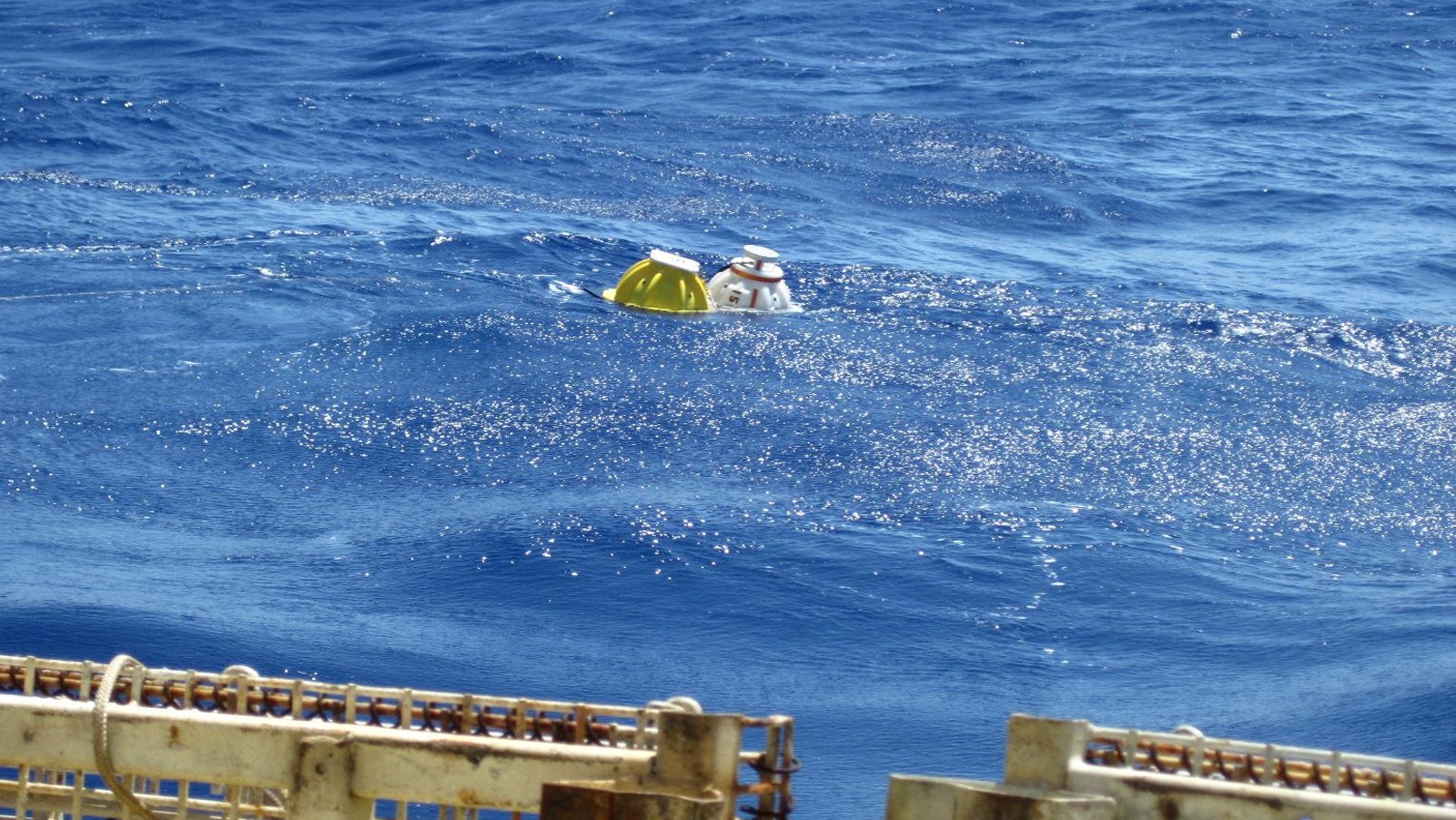
In a recent study published in Weather and Forecasting,* AOML researchers and their colleagues used NOAA’s HWRFHYCOM operational hurricane forecast model to quantify the impact of assimilating underwater glider data and other ocean observations into the intensity forecasts of Hurricane Gonzalo (2014). Gonzalo formed in the tropical North Atlantic east of the Lesser Antilles on October […]
Read Full Article

Storymap: Gliding Through the Blue Frontier

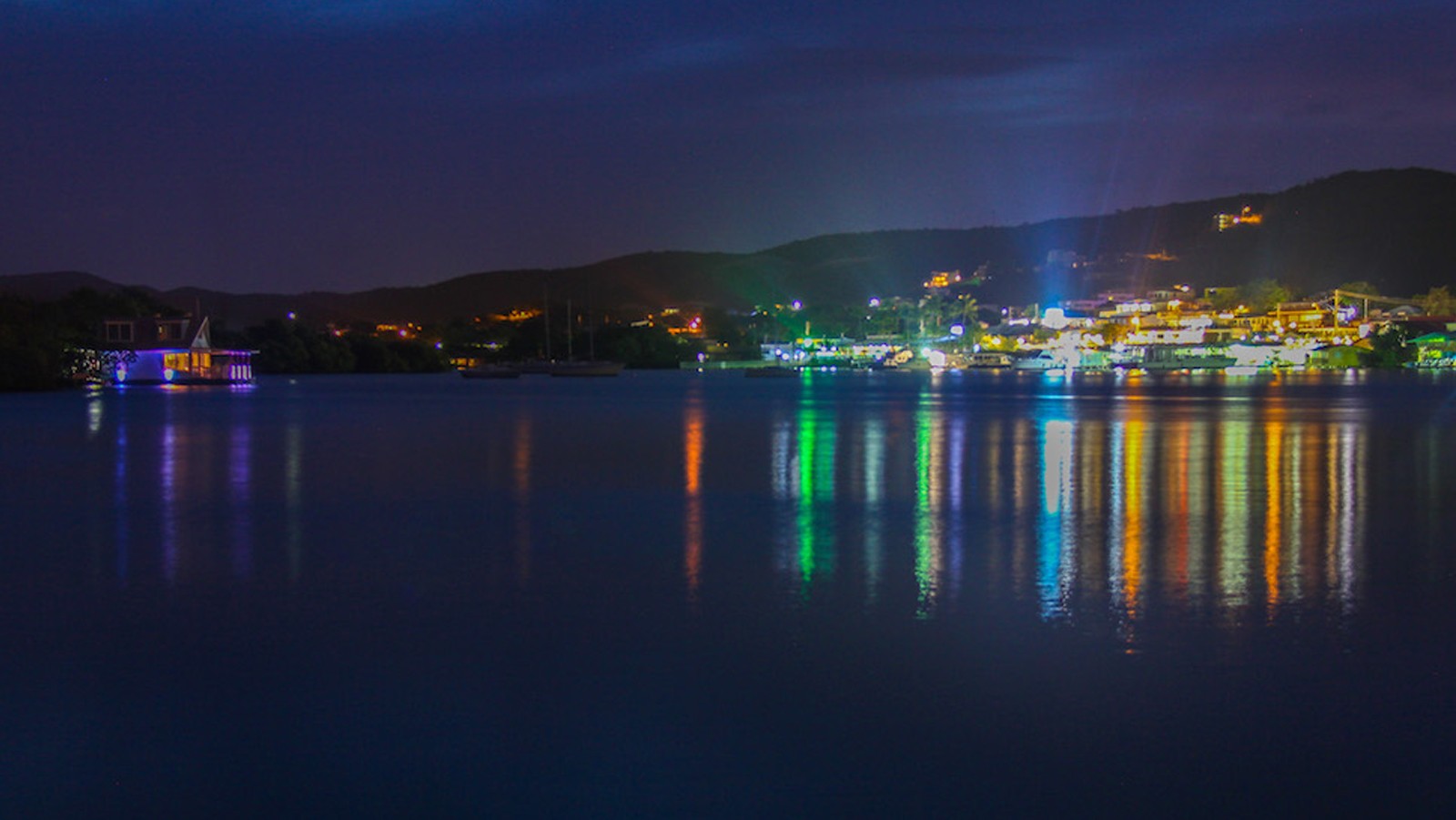
Glider SG609 is one of four gliders that are part of the Hurricane Field Program at NOAA’s Atlantic Oceanographic and Meteorological Laboratory. AOML launched its glider project in 2014 with the goal of enhancing the understanding of air-sea interaction processes during tropical cyclones. Scientists and technicians from AOML and the University of Puerto Rico at Mayagues run the deployments and recoveries out of Isla Magueyes Marine Laboratories in Puerto Rico, which neighbors the colorful coastal island community of La Paguera.

Read Full Article