Tag: ARGO

Subsurface biogeochemical response to Hurricane Idalia within a cyclonic eddy and river plume–stratified environment

Jennifer K. McWhorter, Lev B. Looney, et al.

Satellite observations can reveal chlorophyll blooms in the wake of hurricane disturbances but their subsurface biogeochemical anomalies remain poorly described due to limited in situ observations. Here, we quantify the biogeochemical response across the ocean water column to Hurricane Idalia (2023) in the Gulf of America (also known as the Gulf of America). We compile observations across the eastern Gulf using satellite data and two autonomous platforms: a profiling Biogeochemical-Argo (BGC-Argo) float and saildrone. Prior to the formation of Hurricane Idalia, an anomalously large extension of the Mississippi River plume spanned much of the eastern Gulf, contributing low-salinity and high-chlorophyll conditions. Following Idalia’s passage, the saildrone observed surface chlorophyll increases in the river plume extension, while the BGC-Argo float observed subsurface nitrate depletion and oxygen enrichment. These changes occurred as the float measured background ocean conditions evolving from the edge of the Loop Current to a cyclonic eddy, influenced by the river plume extension. Increases in chlorophyll concentration, decreases in nitrate, and elevated dissolved oxygen levels suggested increased primary production. BGC-Argo float observations revealed enhanced upwelling below the surface layer (~22 m) that shoaled the nitracline, fueling the increase in subsurface primary production (20–50 m depth). Our study provides a glimpse on the surface and subsurface ocean-biogeochemical changes associated with the Hurricane Idalia passage, highlighting the importance of the background mesoscale seascape on shaping the phytoplankton response to hurricane-induced disturbances. The combination of observations underscores the value of continuous in situ monitoring to better understand hurricane-driven impacts on the full ocean water column and the impacts these dynamics have on the base of the marine food web.

Download the full paper

Read Full Article

In the wake of hurricanes: satellites and robots reveal an altered biogeochemical landscape

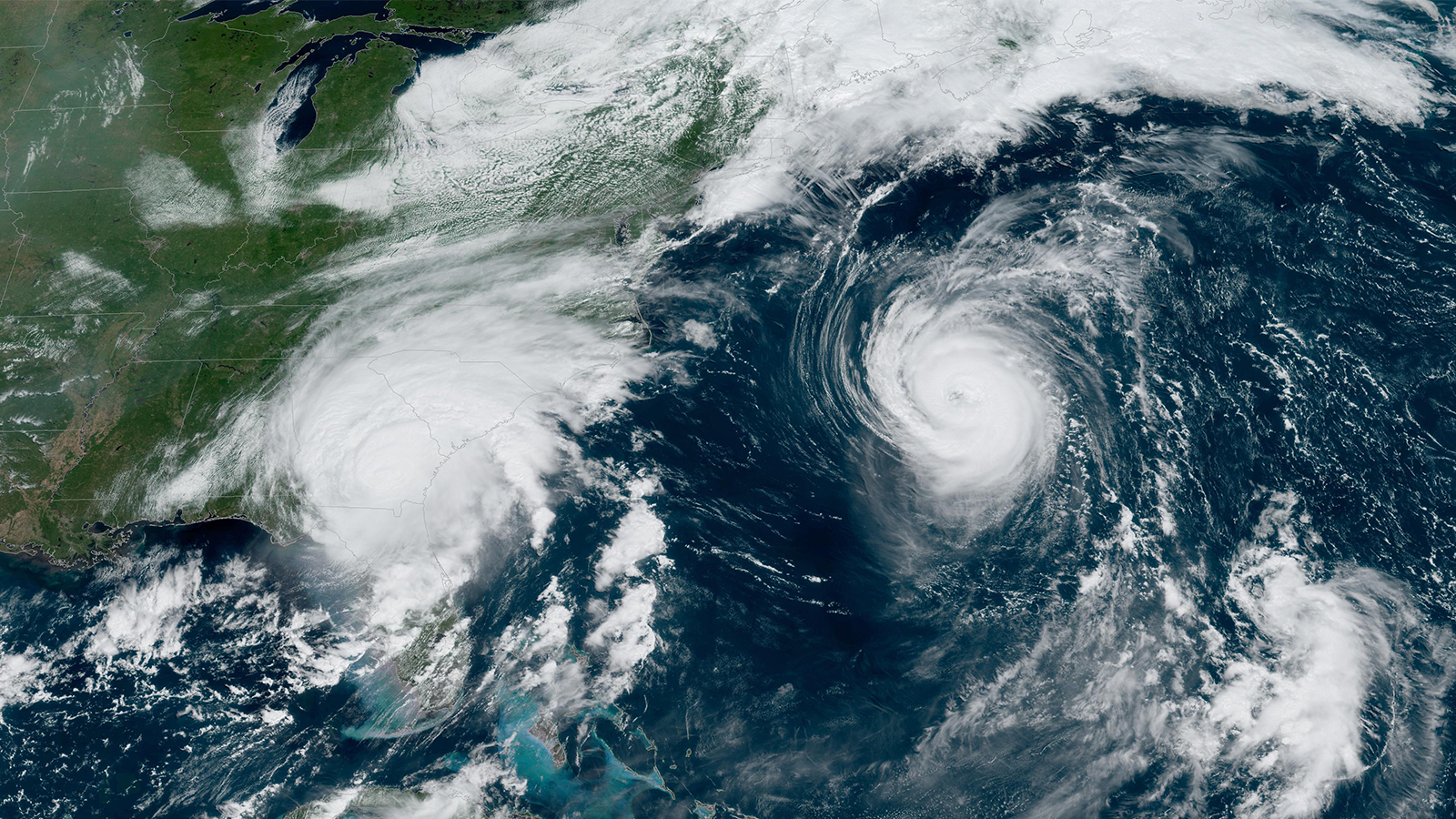
On August 30, 2023, Hurricane Idalia made landfall as a major Hurricane in Florida’s Big Bend after meandering through the northwestern Caribbean and intensifying over the warm waters of the Gulf of America. In its aftermath, damage on land was immediately visible, but observations from satellites and ocean-going robots revealed that the ocean was also […]

Read Full Article

Monitoring vital signs: Tools and technologies at the heart of physical oceanography

In 2018, an Australian couple curiously stumbled upon a bottle of gin washed ashore in Wedge Island, Australia. Yet, there was no gin inside. Rather, preserved within the bottle was a note with the date June 12th, 1886; the name of a German barque, Paula; the ship’s departure and arrival ports; and the exact coordinates […]

Read Full Article

Argo, the ‘crown jewel’ of ocean observing systems, turns 25

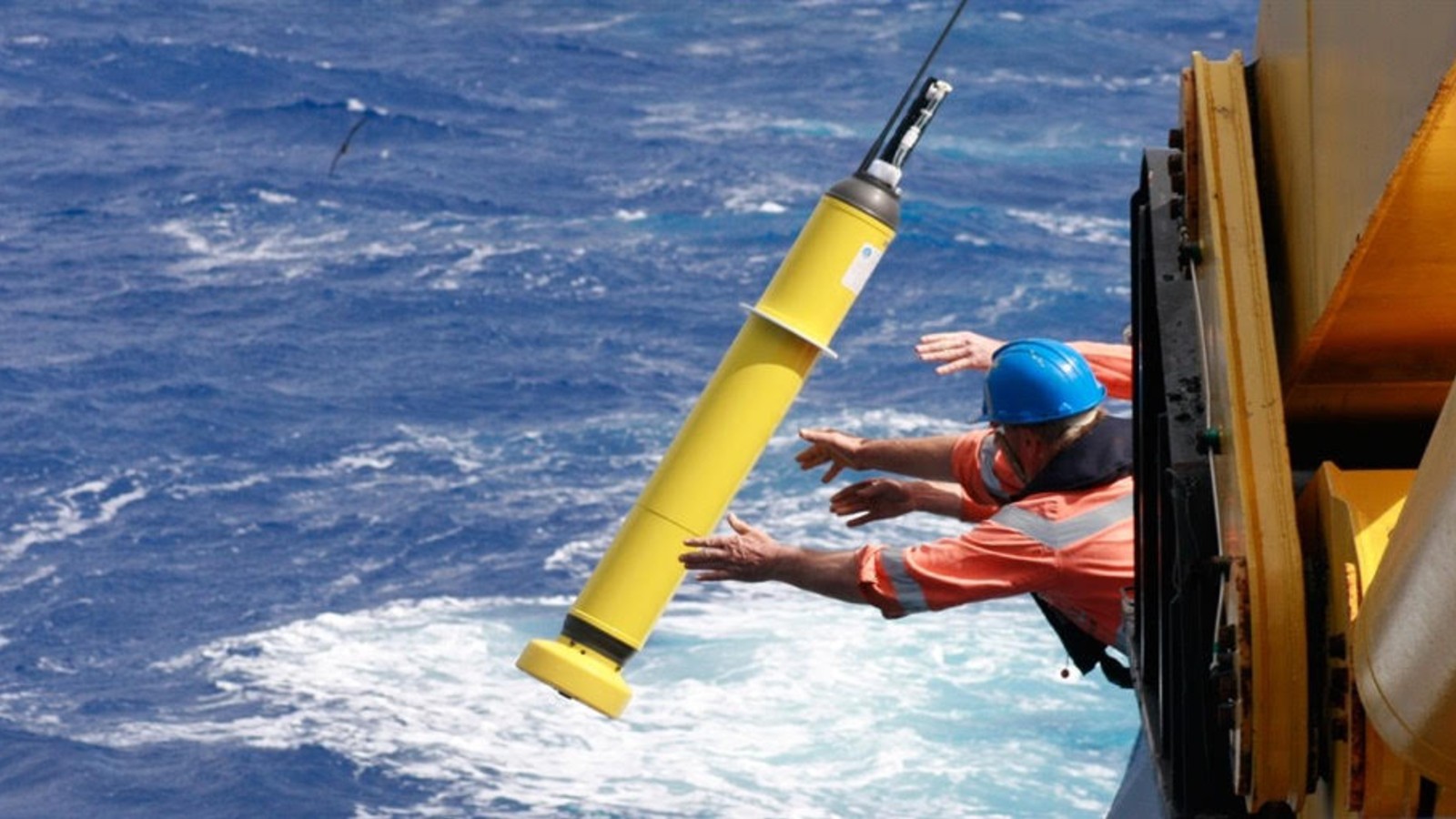
Originally published on noaa.gov on December 11, 2024. Somewhere in the middle of the ocean, a merchant mariner lowers a cylindrical robotic ocean observing instrument from a ship into the sea to record ocean temperature and salinity. Another instrument is deployed from a plane into the eye of a hurricane to take the pulse of […]

Read Full Article

NOAA research cruise supports key tropical Atlantic observing system

There and back again: NOAA Ship Gordon Gunter journeyed away from Pascagoula, Mississippi for 90+ days and 12,700+ nautical miles to conduct the PIRATA Northeast Extension cruise. A NOAA ship that traditionally sails in the Gulf of America embarked on a 90+ day journey into international waters and successfully completed its mission in support of […]

Read Full Article

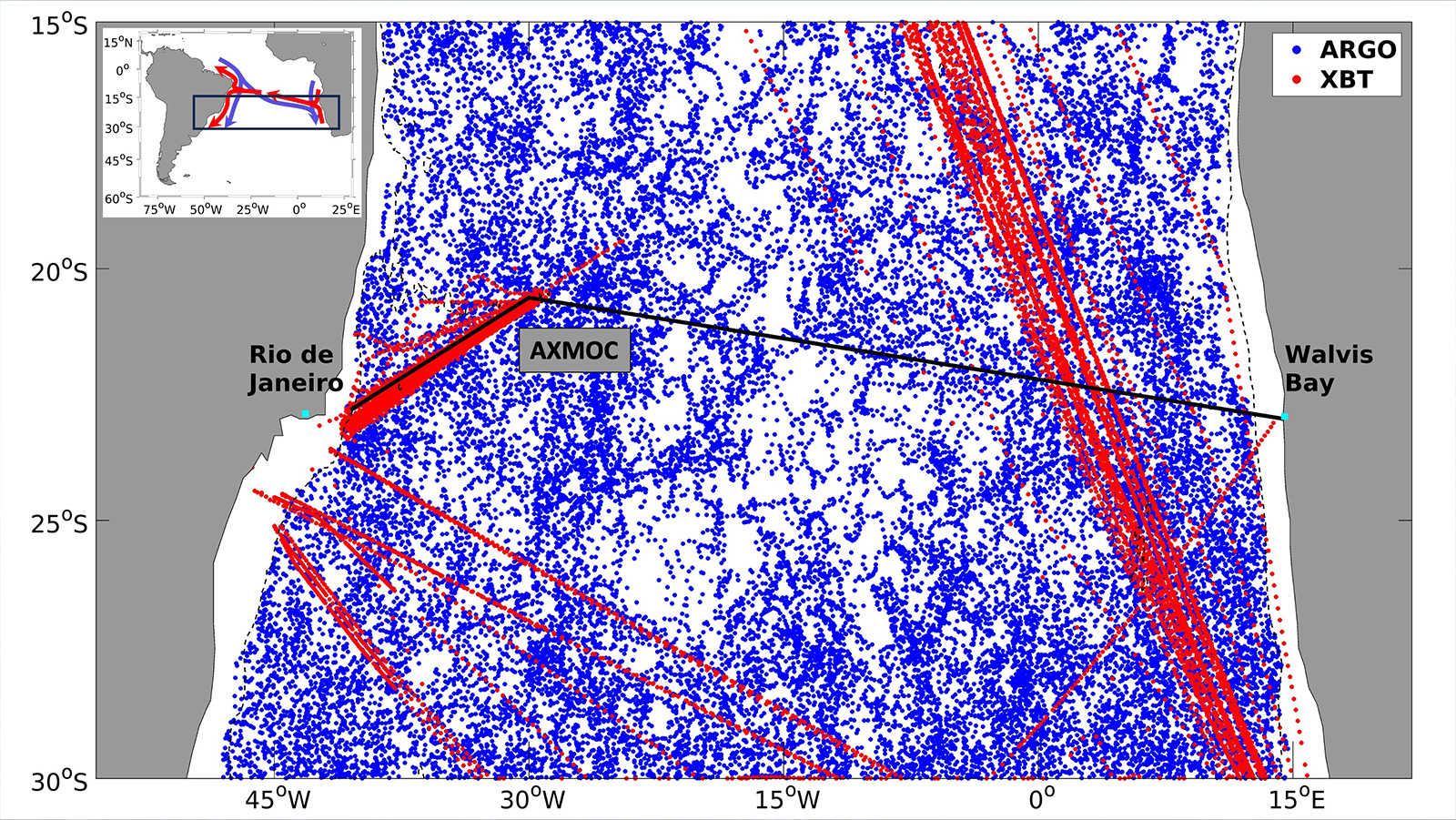
New Mapping Method Uses Sustained Observations to Estimate AMOC at 22.5°S

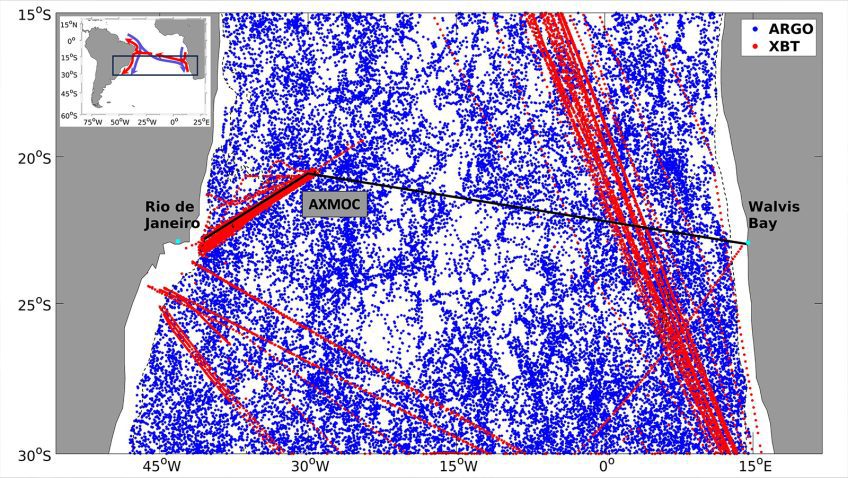
Changes in the Atlantic Meridional Overturning Circulation (AMOC) and its transport of heat can affect climate and weather patterns, regional sea levels, and ecosystems. A new study led by Ivenis Pita, a University of Miami PhD student working at NOAA’s Atlantic Oceanographic and Meteorological Laboratory/ the Cooperative Institute of Marine and Atmospheric Studies (CIMAS), is the first to estimate the AMOC and heat transport at 22.5°S in the South Atlantic, demonstrating the importance of sustained in situ observations to monitor the state of the AMOC. 

Read Full Article

NOAA’s Multi-Faceted Hurricane Data Collection Efforts Provide a Detailed View of Hurricanes Franklin and Idalia

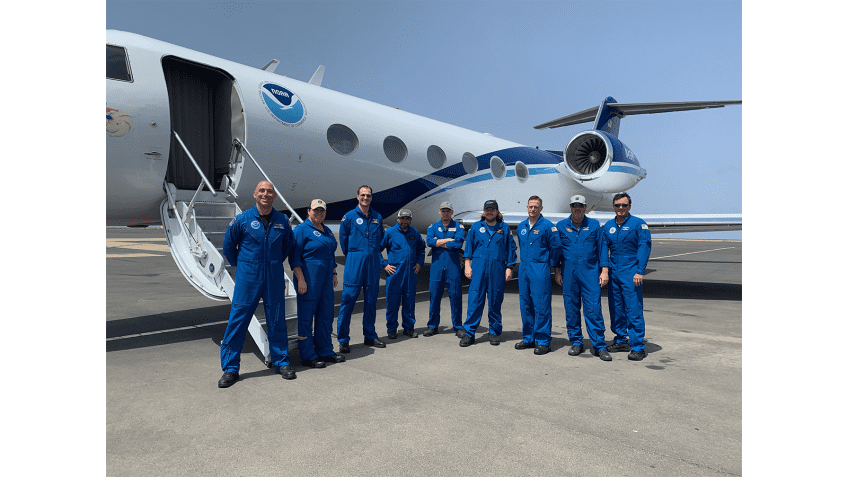
As Hurricanes Franklin and Idalia strengthened in late August, NOAA scientists collected critical data from the air, sea surface, and underwater to enhance forecasts and increase scientific knowledge.  In less than two weeks, a fleet of strategically placed oceanographic instruments gathered temperature, salinity, and surface wind speed data, while NOAA’s Hurricane Hunter aircraft repeatedly flew […]

Read Full Article

Five ways NOAA’s research improves hurricane forecasts

Researchers at NOAA seek new techniques to advance hurricane forecasts to better protect life and property. In preparation for the upcoming 2023 hurricane season, which begins June 1, scientists are accelerating the use of small uncrewed aircraft technologies and the collocation of observational ocean assets, among other advancements. Here are five ways that NOAA researchers are improving hurricane track and intensity forecasts:

Read Full Article

12 Days of Instruments

Introducing a new social media series from NOAA’s Atlantic Oceanographic and Meteorological Laboratory (AOML): 12 Days of Instruments! 

This series highlights 12 of the many instruments used by our researchers at AOML! Each of these instruments are vital to conducting our groundbreaking research.

Read Full Article