AOML Scientists Present at the 103rd Annual AMS Meeting

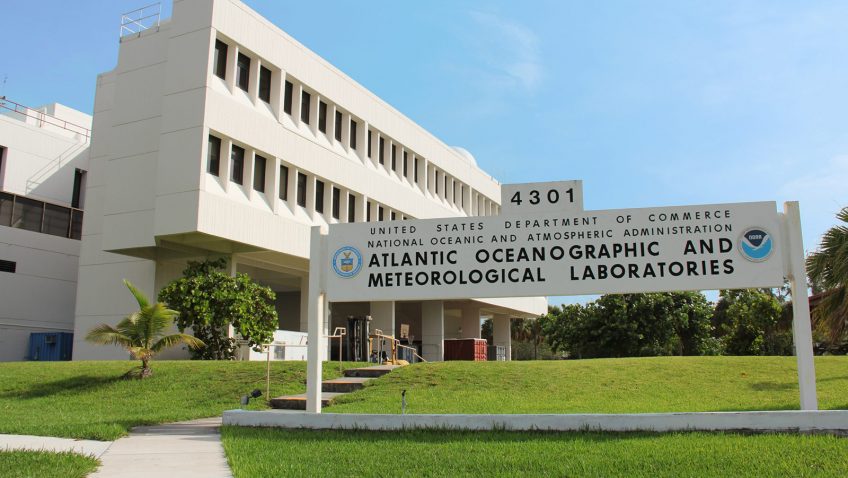
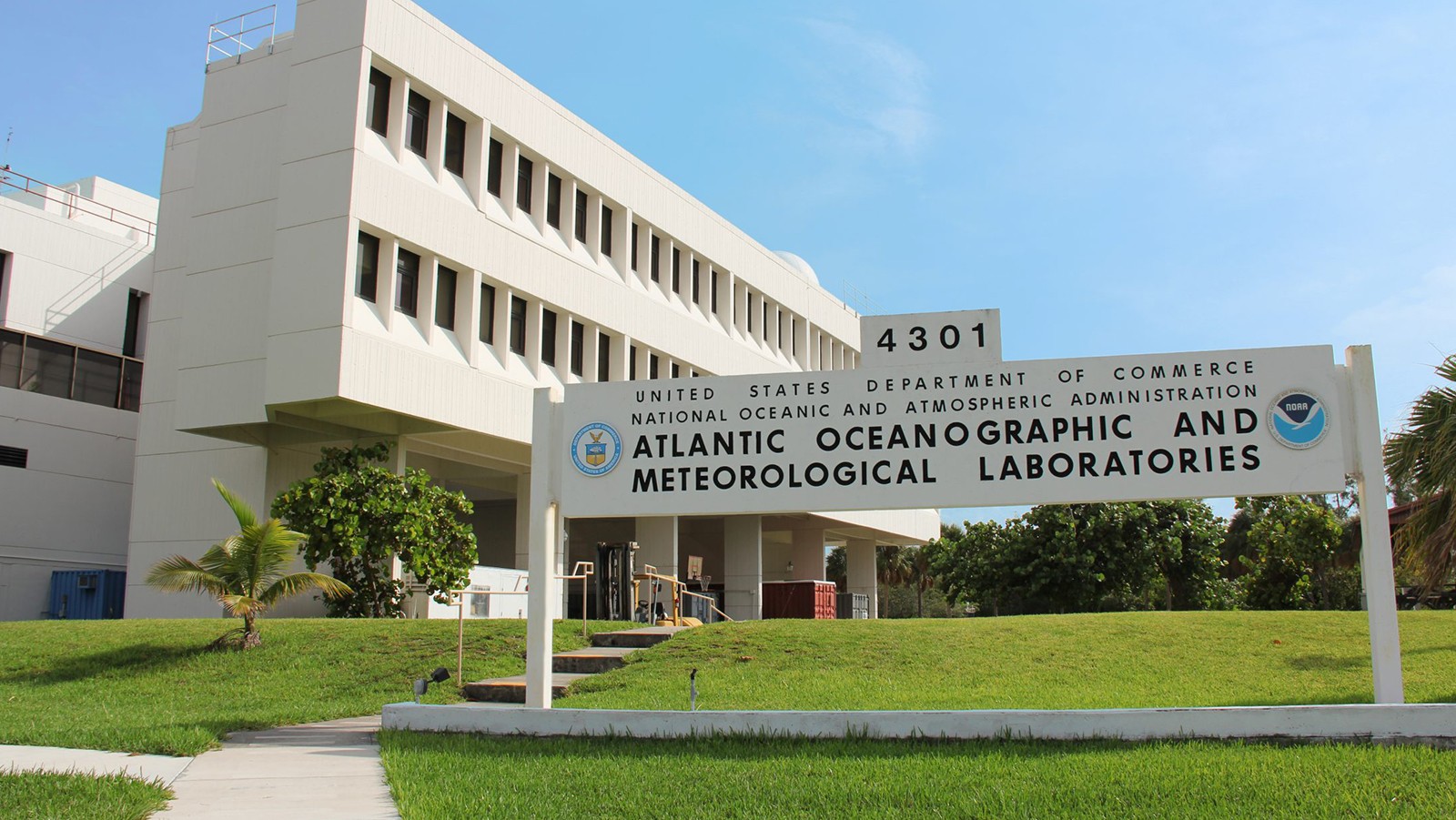
The world’s largest yearly gathering for the weather, water and climate community took place earlier this month in Denver, Colorado. Scientists from NOAA’s Atlantic Oceanographic and Meteorological Laboratory (AOML) participated in the 103rd annual American Meteorological Society (AMS) meeting from January 8 – 12, both virtually and in-person. Formal presentations, posters, panel discussions and town hall meetings were all featured during the meeting.
Read Full Article

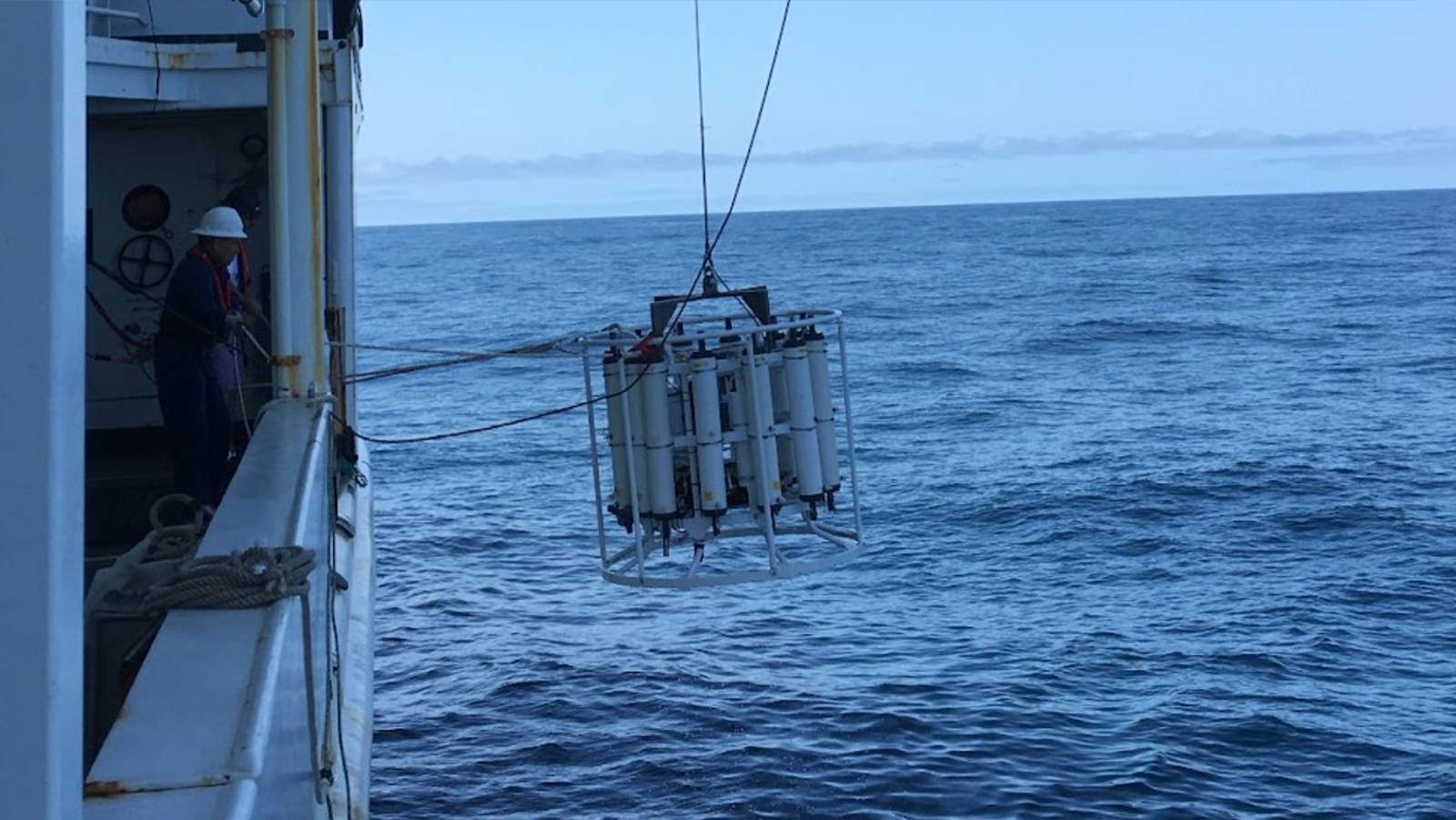
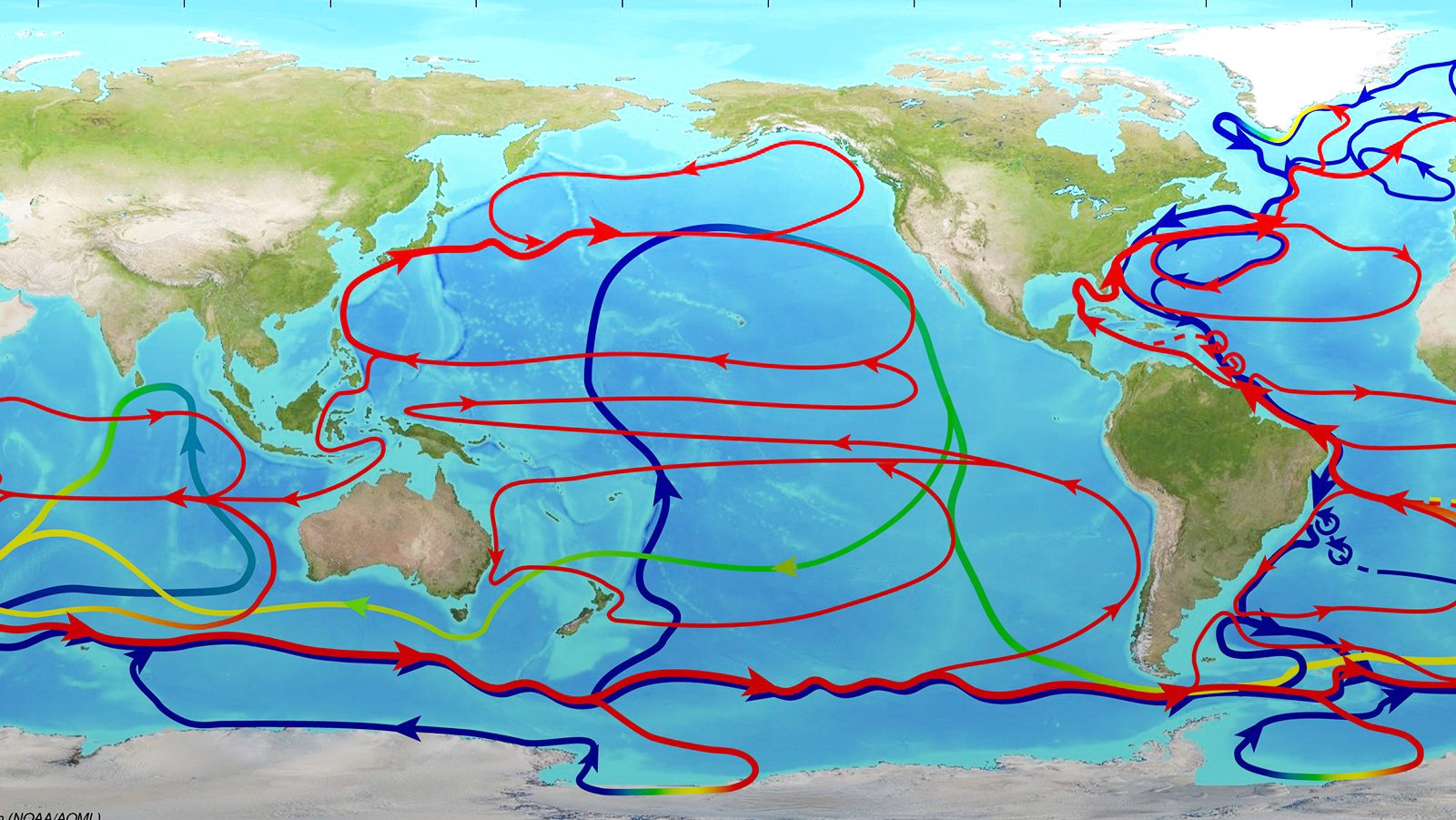
SAMOC Initiative Advances Understanding of the South Atlantic’s Unique Role in Global Overturning Circulation

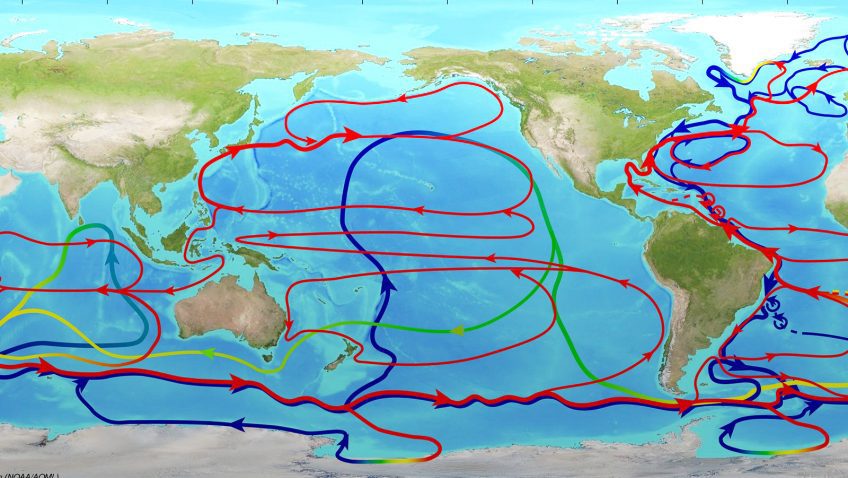
Since the inception of the international South Atlantic Meridional Overturning Circulation (SAMOC) initiative in 2007, substantial advances have been made in observing and understanding the South Atlantic component of the Atlantic Meridional Overturning Circulation (AMOC). The goals of the SAMOC initiative are to monitor climatically relevant oceanic fluxes of mass, heat, and freshwater, provide observations to validate and improve numerical models and climate predictions, and understand the impacts of the SAMOC on climate and weather.

Read Full Article

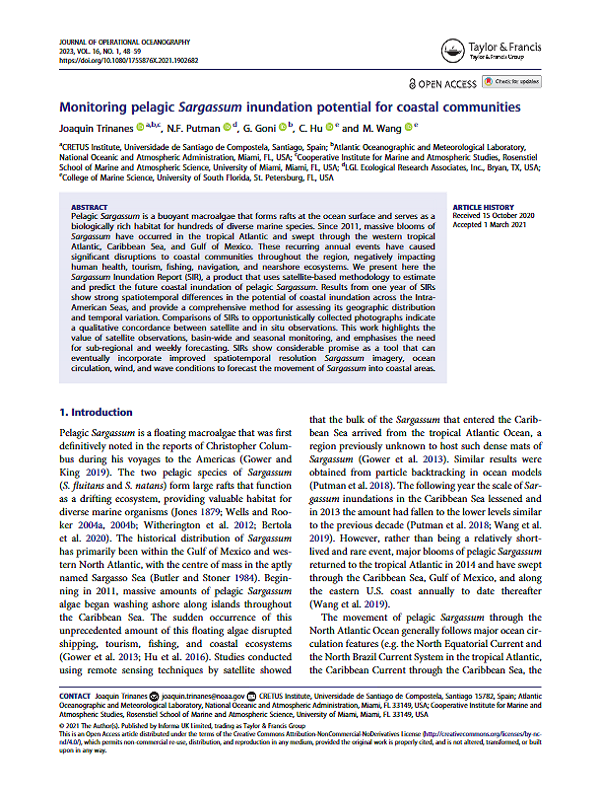
Monitoring pelagic Sargassum inundation potential for coastal communities

Joaquin Trinanes, N.F. Putman, G. Goni, C. Hu & M. Wang (2023) Monitoring pelagic Sargassum inundation potential for coastal communities, Journal of Operational Oceanography, 16:1, 48-59, DOI: 10.1080/1755876X.2021.1902682

Abstract: Pelagic Sargassum is a buoyant macroalgae that forms rafts at the ocean surface and serves as a biologically rich habitat for hundreds of diverse marine species. Since 2011, massive blooms of Sargassum have occurred in the tropical Atlantic and swept through the western tropical Atlantic, Caribbean Sea, and Gulf of America. These recurring annual events have caused significant disruptions to coastal communities throughout the region, negatively impacting human health, tourism, fishing, navigation, and nearshore ecosystems. We present here the Sargassum Inundation Report (SIR), a product that uses satellite-based methodology to estimate and predict the future coastal inundation of pelagic Sargassum.

Download PDF

Read Full Article

12 Days of Instruments

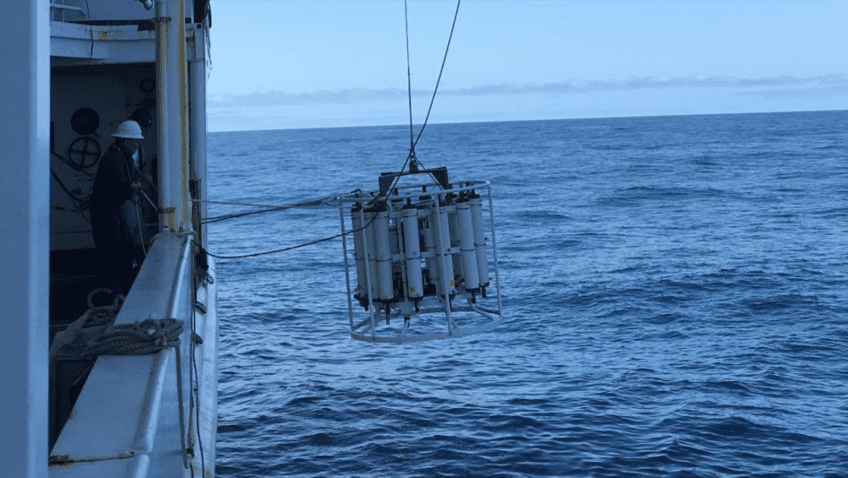
Introducing a new social media series from NOAA’s Atlantic Oceanographic and Meteorological Laboratory (AOML): 12 Days of Instruments! 

This series highlights 12 of the many instruments used by our researchers at AOML! Each of these instruments are vital to conducting our groundbreaking research.

Read Full Article

Wrapping up the 2022 Atlantic Hurricane Season

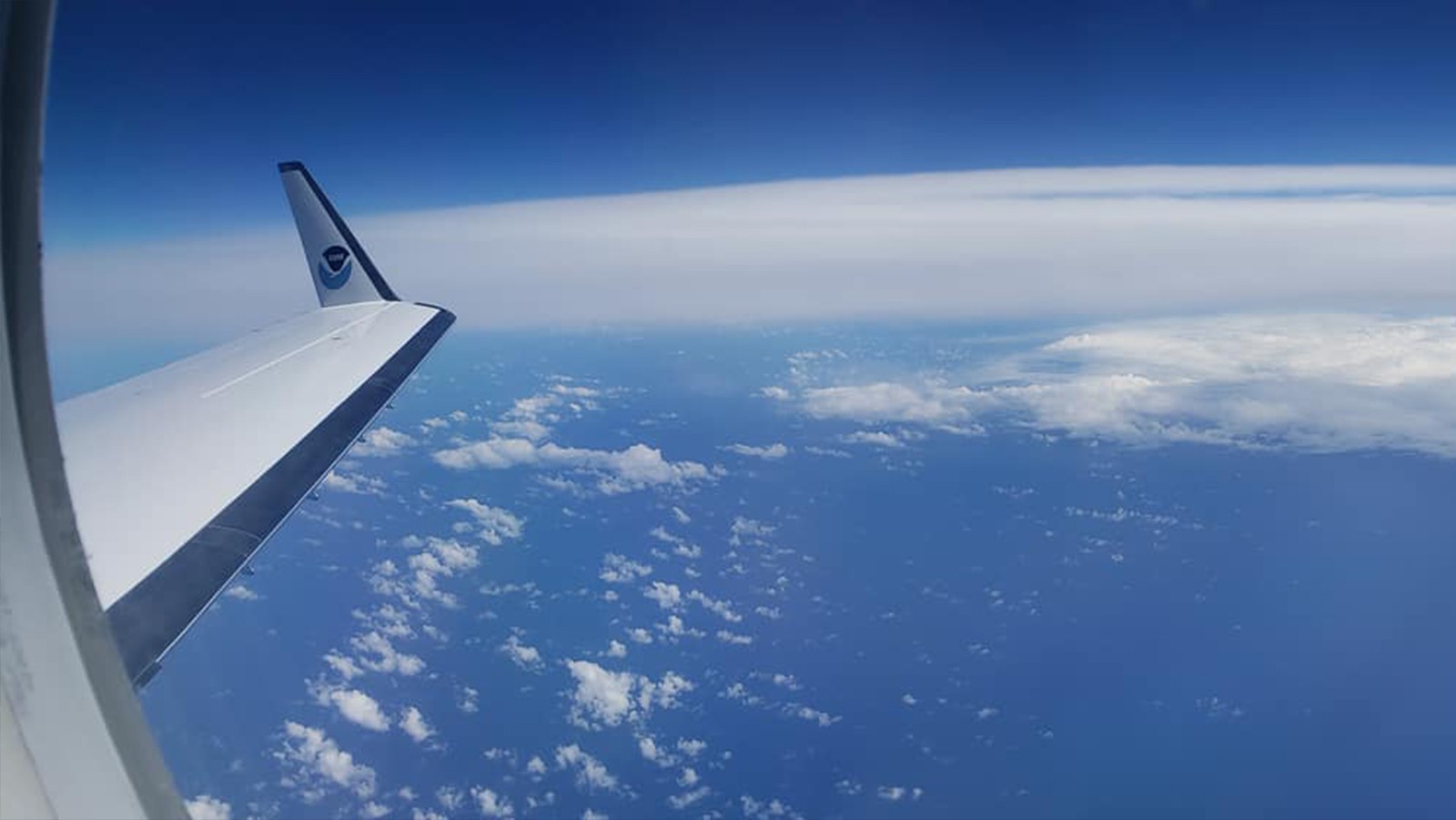
November 30th marked the official end to the 2022 Atlantic hurricane season. Scientists and forecasters from across NOAA worked tirelessly throughout the season to conduct critical tropical cyclone research. This year, NOAA’s Atlantic Oceanographic and Meteorological Laboratory (AOML) coordinated the longest series of missions into a single tropical system, arranged multiple observing assets for simultaneous data collection, deployed new sUAS technology, and included a novel “moving nest” to our next-generation hurricane model.

Read Full Article

AOML Coral Program demonstrate the importance of teamwork, tackling coral conservation from various angles

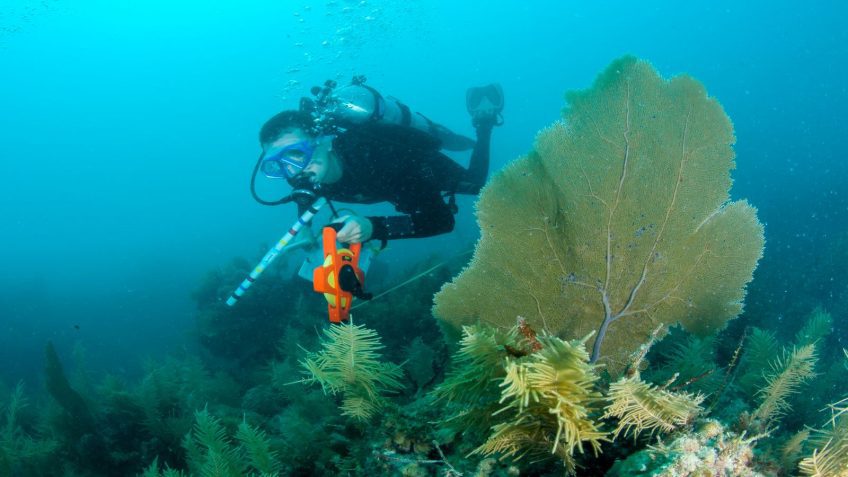
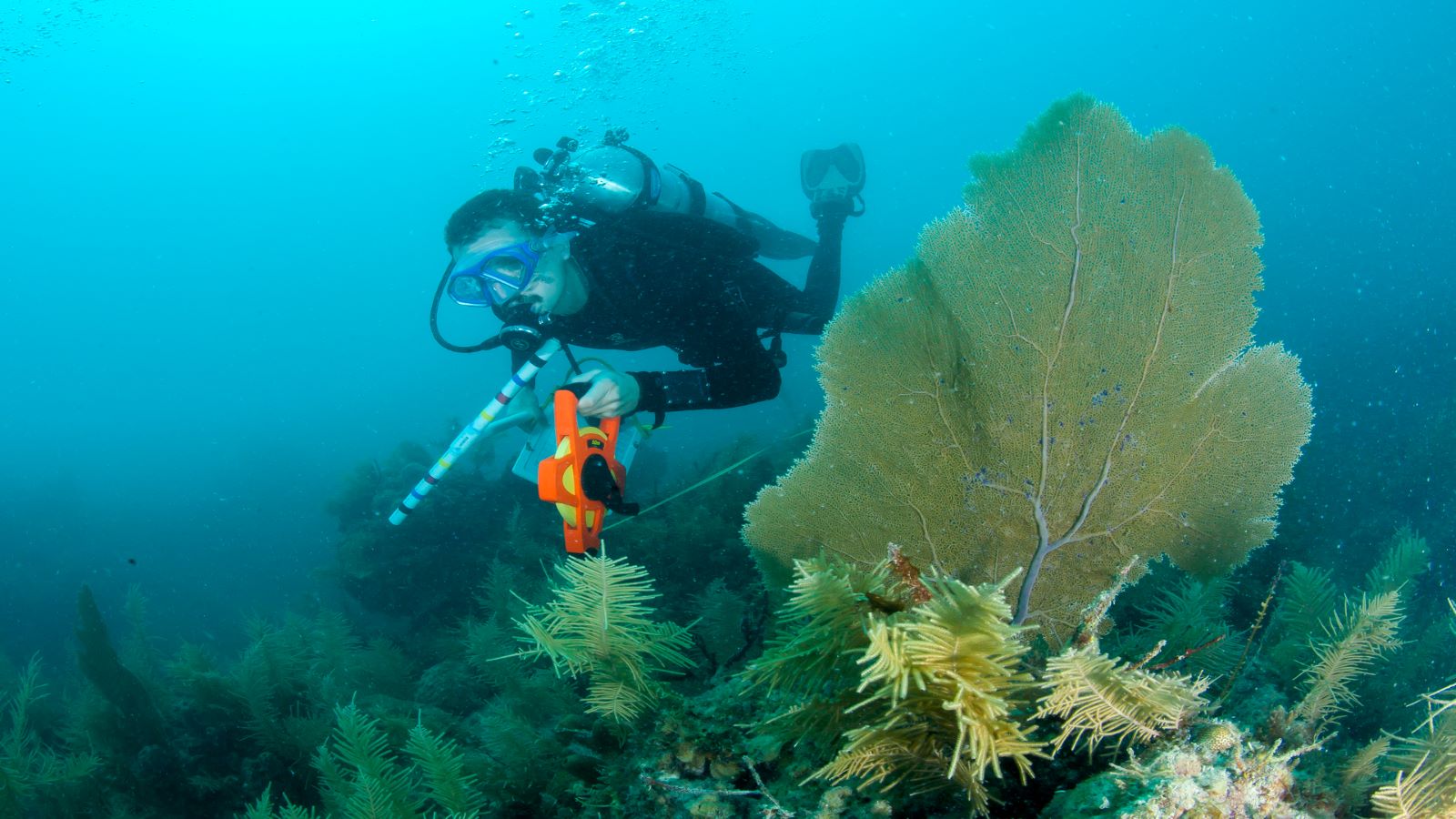
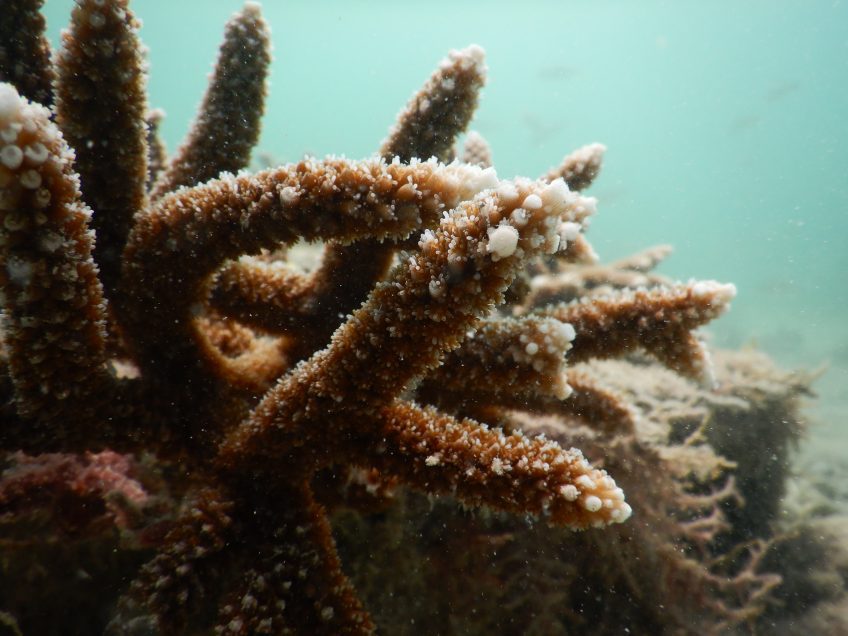
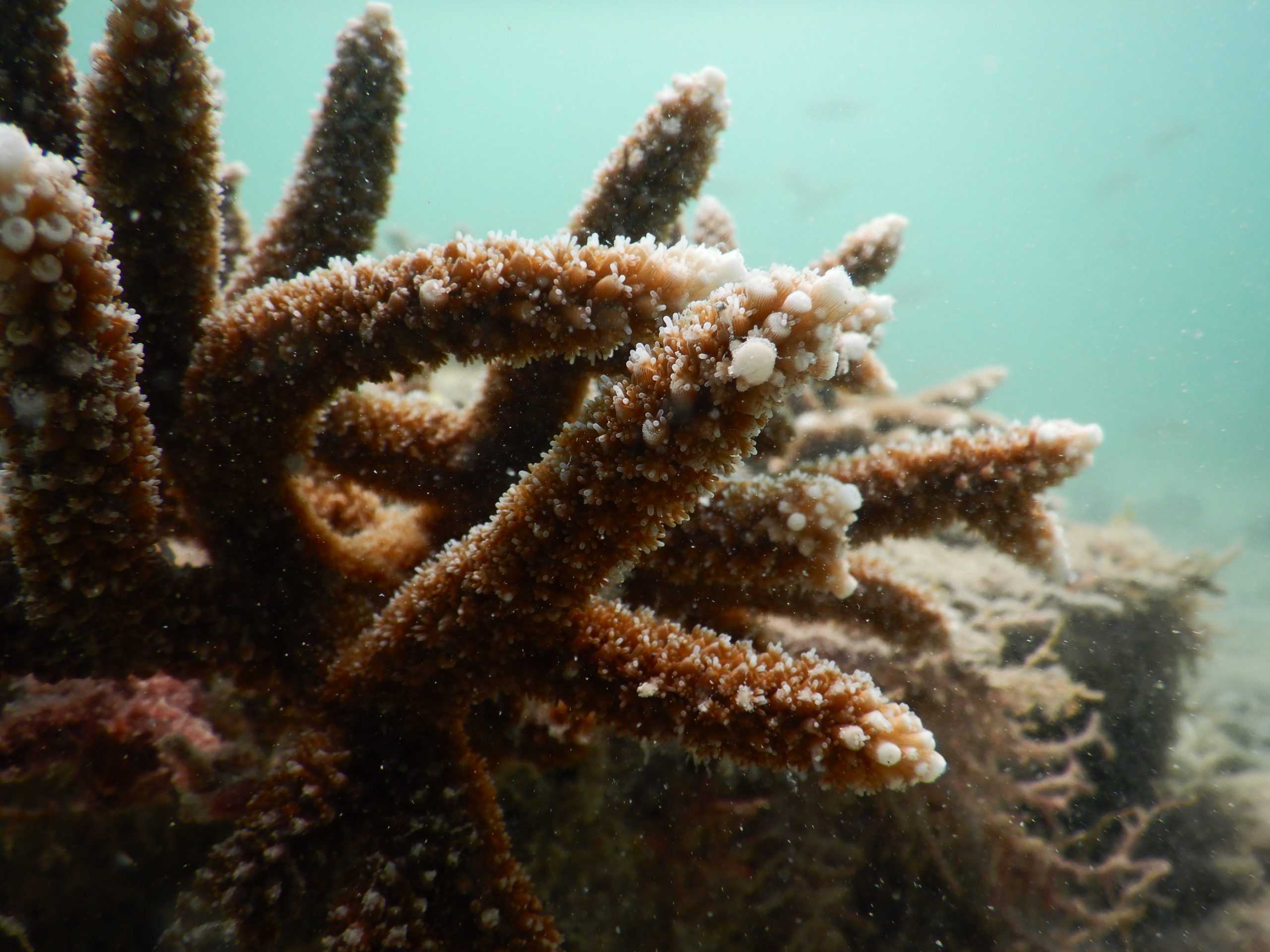
Coral researchers from NOAA’s Atlantic Oceanographic and Meteorological Laboratory (AOML) and the University of Miami Cooperative Institute of Marine and Atmospheric Science (CIMAS) recently organized into three teams and ventured into the field to tackle a multitude of research projects relating to sensitive coral ecosystems in Miami and the Florida Keys.  The first project, led […]

Read Full Article