Category: Research Partnerships

The robot and the reef: Can enriched seawater fast-track coral restoration?

Alkalinity enrichment in the lab may be the key to more effective reef restoration. An innovative Ph.D. student puts this hypothesis to the test using cutting-edge technology. In a tank filled with glass jars, stir bars, and coral babies settled onto ceramic tiles, a robotic arm glides with precision, dosing each jar with various levels […]

Read Full Article

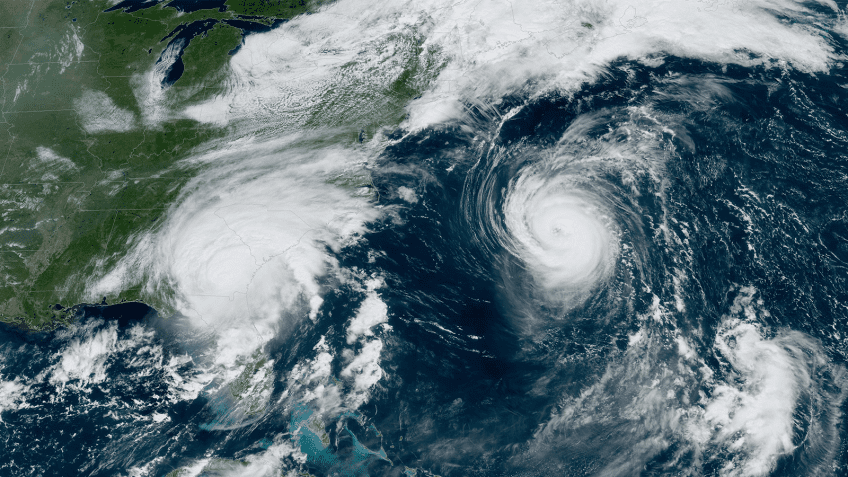
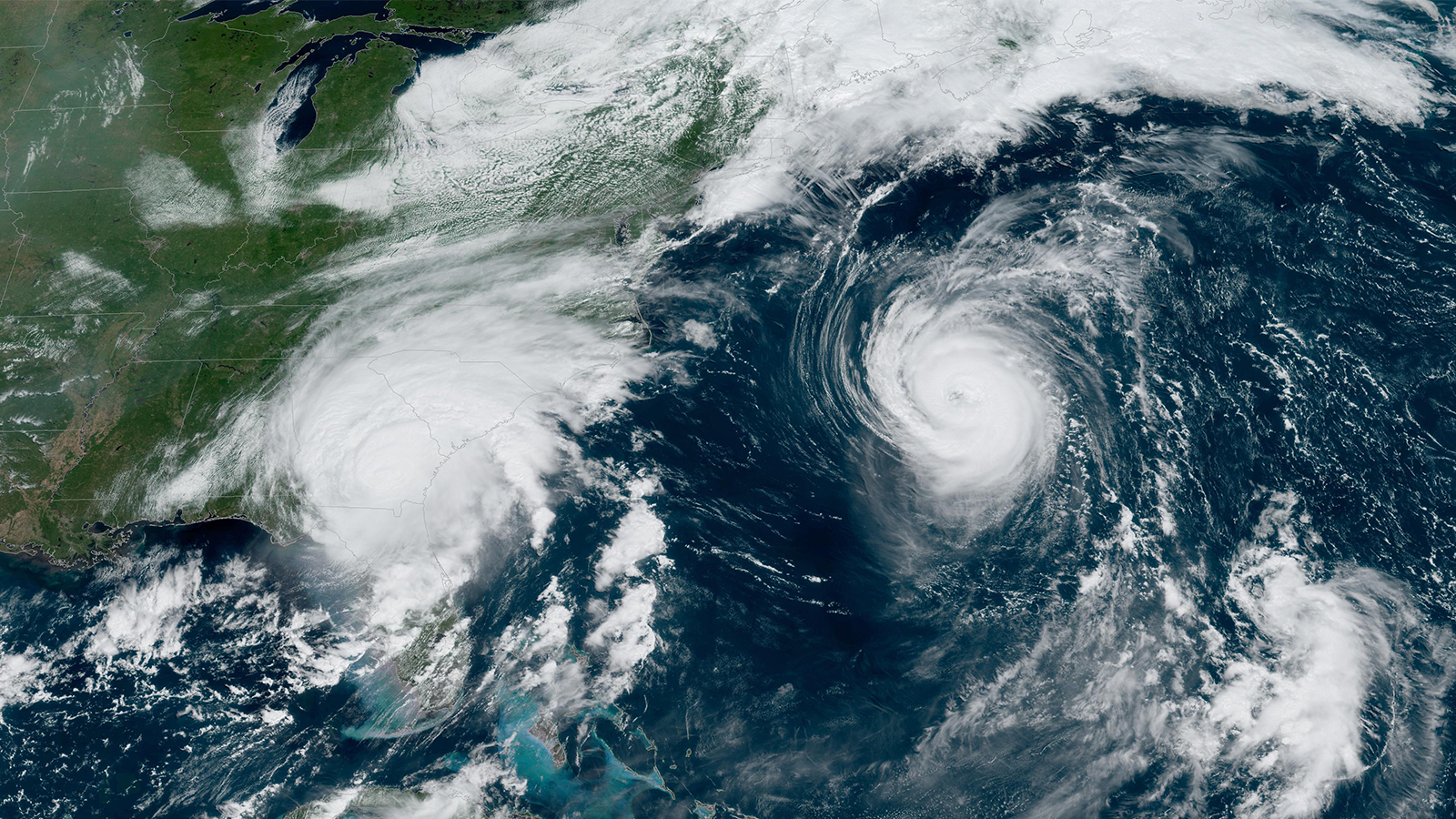
Innovations in hurricane research are advancing hurricane prediction

The Hurricane Research Division (HRD) within NOAA’s Atlantic Oceanographic and Meteorological Laboratory (AOML) is a worldwide leader in the advancement of hurricane science and prediction by collecting novel airborne observations, testing new observing technologies, and developing state-of-the-art forecast model systems that optimally ingest these unique datasets. These efforts make hurricane forecasts more accurate, ultimately protecting […]

Read Full Article

AOML’s 2025 intern cohort gains first-hand research experience

In celebration of National Intern Day, NOAA’s Atlantic Oceanographic & Meteorological Laboratory (AOML) is proud to recognize its FY 2025 class of interns. Ranging from high school to graduate students, these talented individuals are gaining hands-on experience across a wide array of research areas—including coral reefs, microbial ecology, hurricanes, ocean acidification, physical oceanography, science communication, […]

Read Full Article

Ships of Opportunity: Crossing the Arctic to investigate the ocean’s uptake of carbon and increasing Ocean Acidification

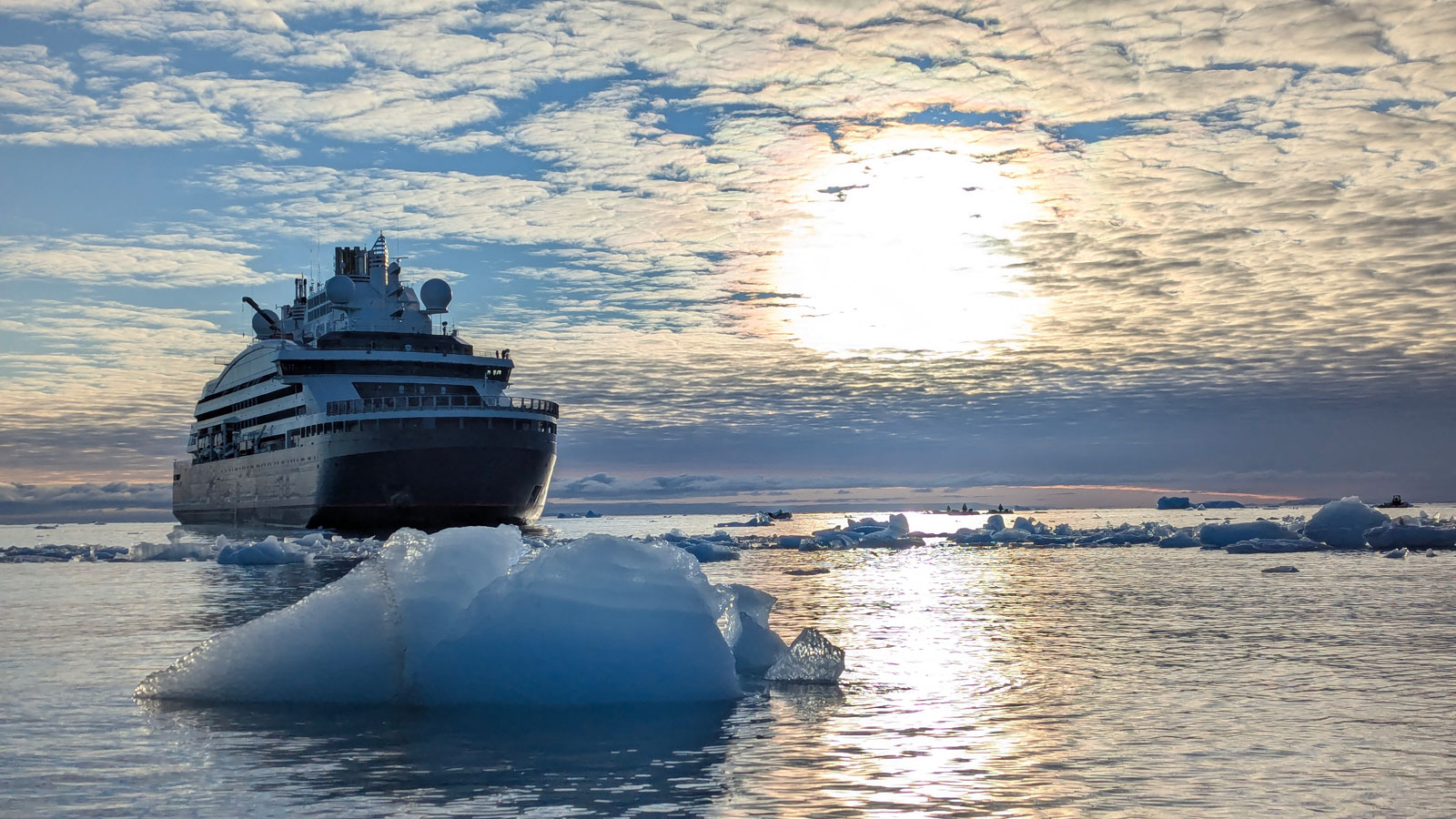
The air and surface temperature tip just above freezing.  Cruiseliner Ponant’s 492-ft vessel Le Commandant Charcot floats idle at marked coordinates in the Arctic tundra between Alaska and Norway. On the aft deck, a team of scientists deploys Niskin bottles using a handcrank to the depths, collecting water samples 900 meters below an ocean blanketed […]

Read Full Article

Sailing into science: Collaborative cruise exposes students to oceangoing research

Over the past few months, the University of Miami’s Rosenstiel School of Marine, Atmospheric, and Earth Science has conducted three FLOTSUM, i.e., Florida Ocean Time Series by Undergrads at UM, cruises aboard its research vessel the F.G. Walton Smith. FLOTSUM day cruises are conducted five times per year in the Florida Straits for training purposes […]

Read Full Article

NOAA and the Republic of Korea scientists team up to collaborate on extreme weather forecasting

Weather has no regard for political or geographic boundaries, making the timely and accurate prediction of extreme weather events a collective goal that bridges meteorological and ocean observing agencies worldwide. To encourage collaborative science and expand the network of ocean-atmosphere observations, scientists with NOAA’s Atlantic Oceanographic and Meteorological Laboratory (AOML) participated in a series of […]

Read Full Article

NOAA and India team up to create life-saving tropical cyclone forecast model for nation of a billion

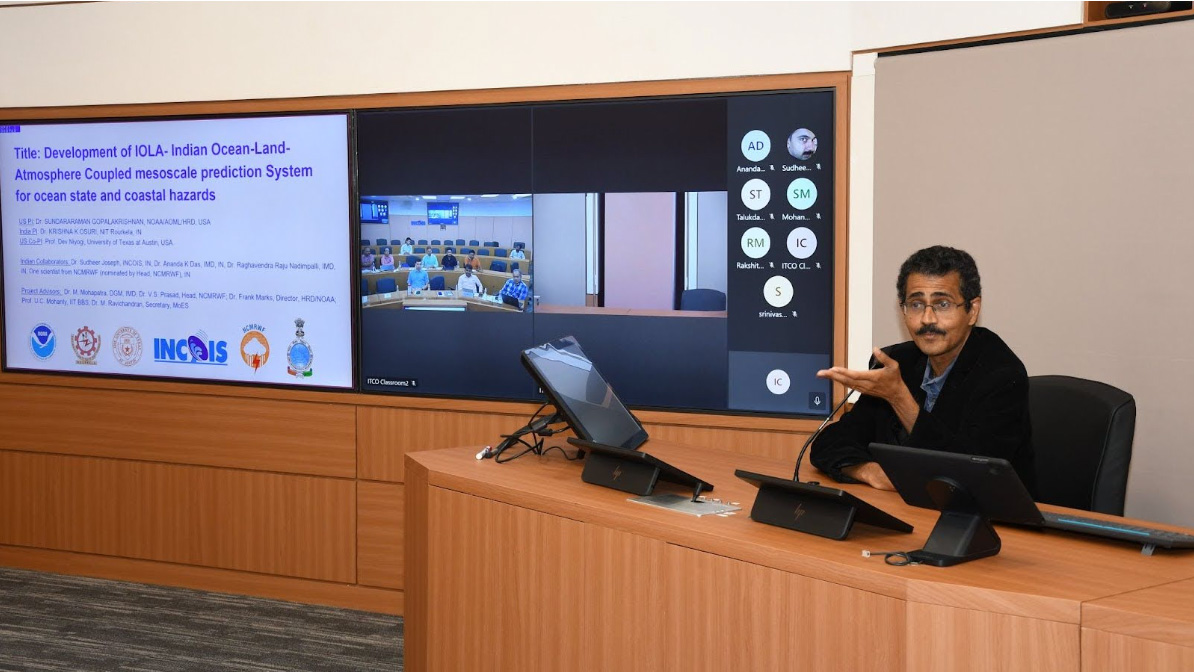
A 12-year collaboration between NOAA’s Atlantic Oceanographic and Meteorological Laboratory (AOML) and the Indian Ministry of Earth Sciences (MoES) has culminated in a renewal of an Implementing Arrangement (IA) on Technical Cooperation in Development of Tropical Cyclone Numerical Weather Prediction System for the Indian Seas, which paves the way for advances in severe weather modeling. […]

Read Full Article

Crossing the Equator and Navigating Icebergs: The A13.5 GO-SHIP Returns After 52 Days At Sea 

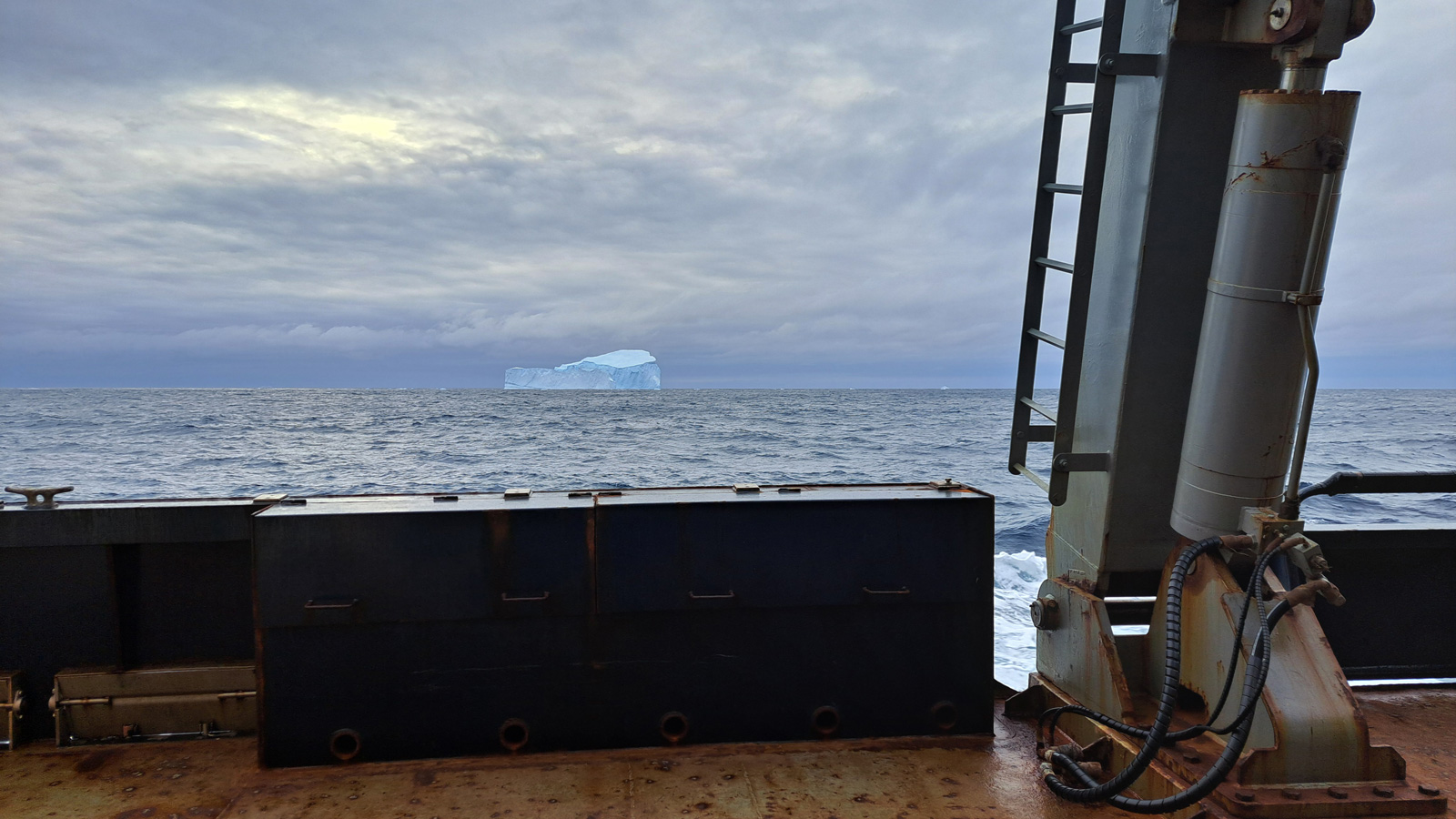
Wind, waves, and icebergs pierced through morning fog – the A13.5 GO-SHIP cruise proved both tumultuous and rewarding with vast amounts of new data that bring the promise of groundbreaking future research. After 52 days at sea, the A13.5 GO-SHIP cruise (short for “Global Ocean Ship-based Hydrographical Investigations Program”) returned to Cape Town, South Africa […]

Read Full Article

NOAA Pioneers New Ways to Advance Hurricane Forecasting

November 30th marks the official end to the 2023 Atlantic hurricane season. Scientists and forecasters from across NOAA pushed boundaries as they worked throughout this active season to conduct crucial tropical cyclone research that will strengthen our ability to forecast future tropical cyclone development and better protect those most affected.

Read Full Article

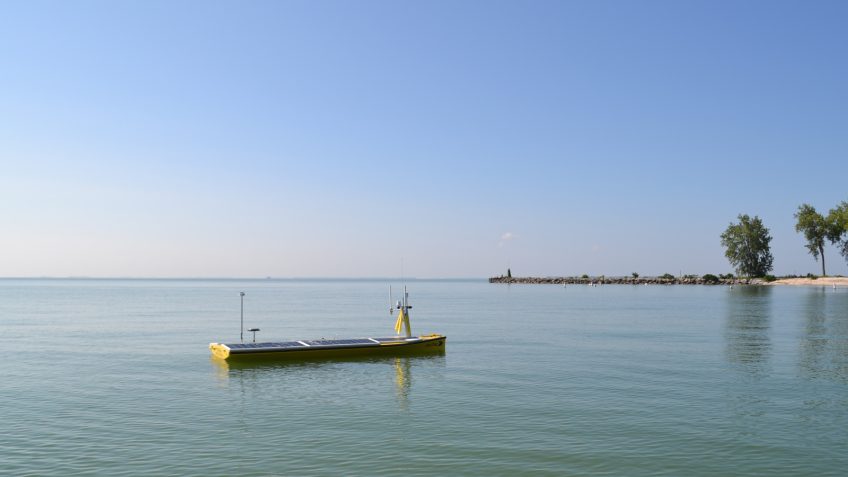
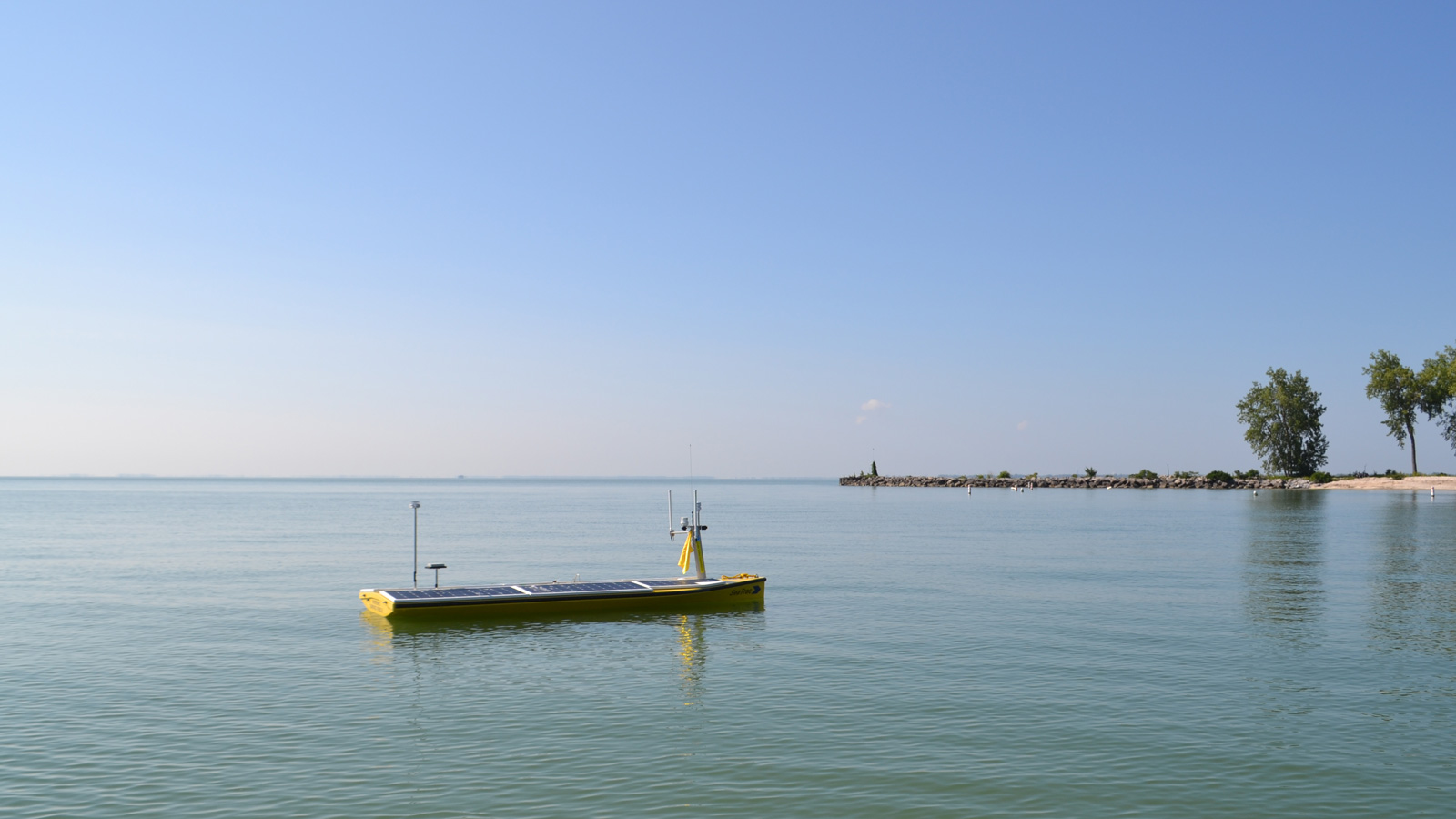
Failing Upwards: Developing an Autonomous Surface Vehicle to Advance ‘Omics Research 

For engineers and scientists, sometimes failure means progress. When developing a new technology, the process is to field test, fail, tweak, and test again, each time failing a little less and learning what does and does not work until – finally – they get it right. On August 5, 2023, scientists from NOAA’s Great Lakes […]

Read Full Article