Coyote UAS Logs Successful Calibration Flight
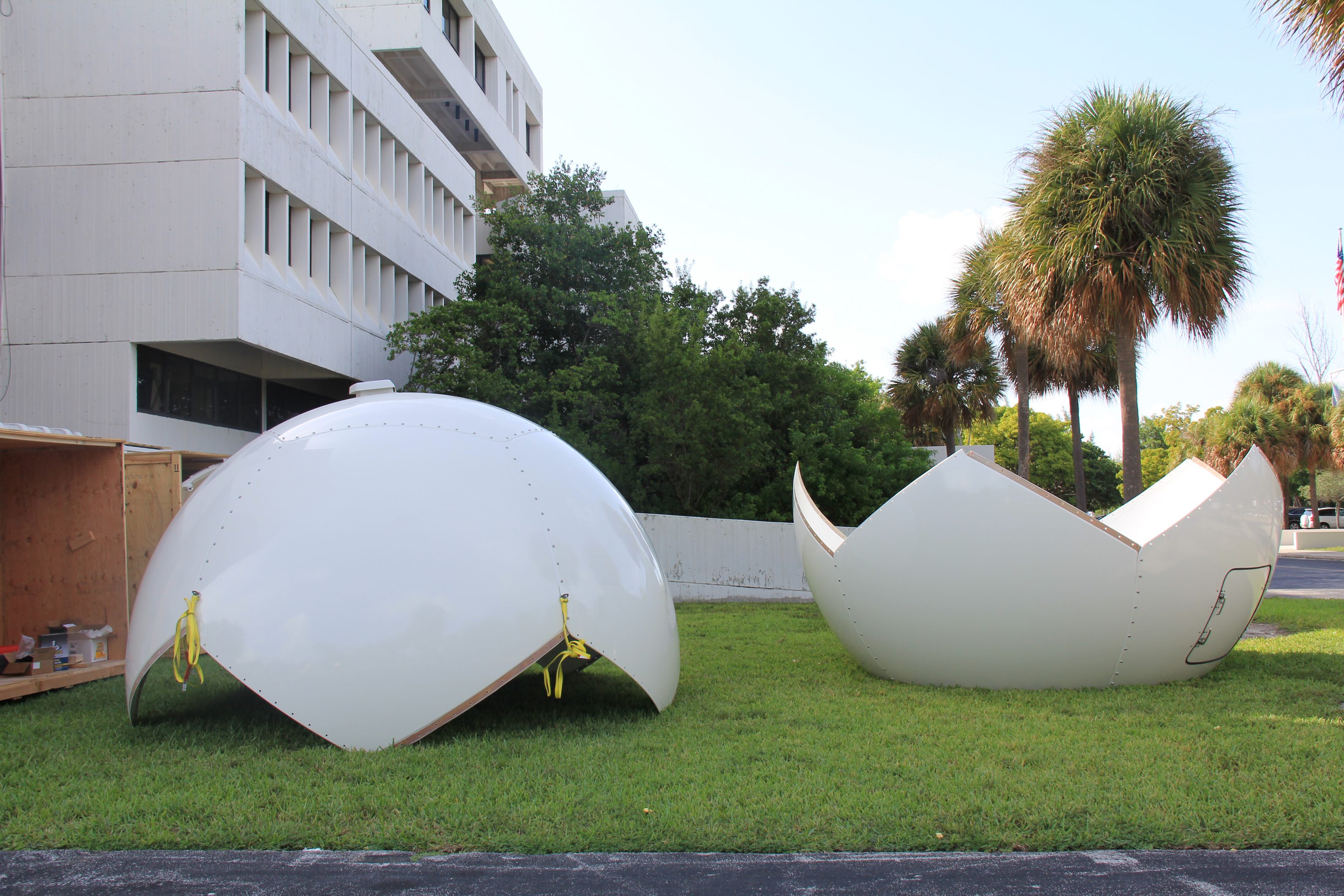
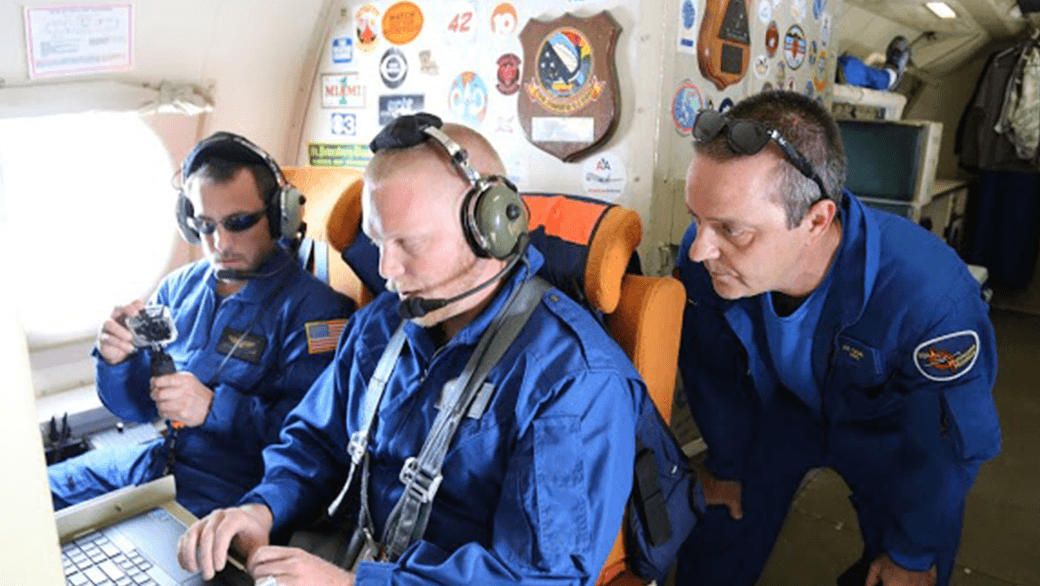
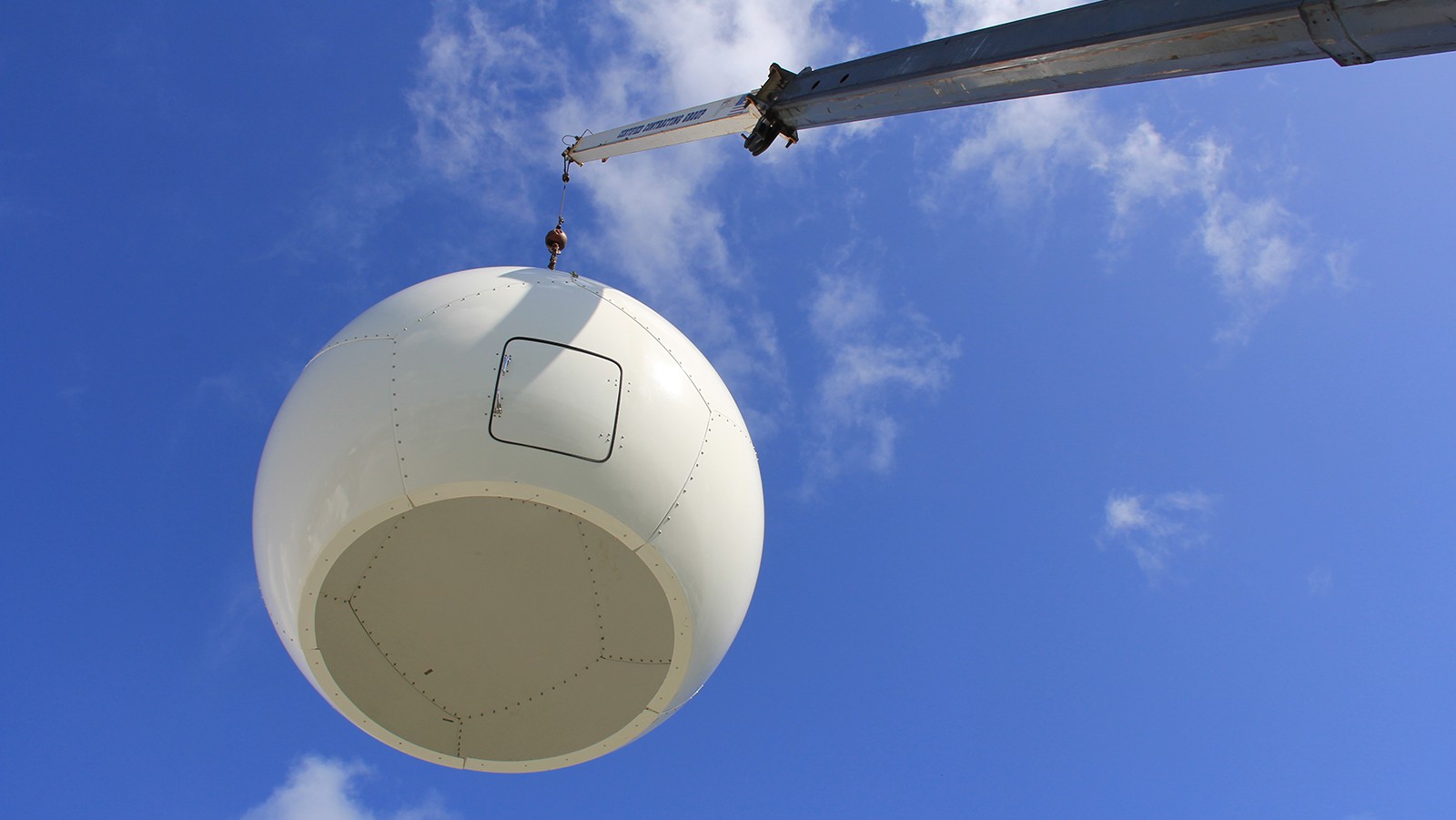
AOML, NOAA’s Aircraft Operations Center, and partners from Sensitel completed a successful calibration flight of the Coyote unmanned aircraft system (UAS) on September 3, 2014.
"
AOML, NOAA’s Aircraft Operations Center, and partners from Sensitel completed a successful calibration flight of the Coyote unmanned aircraft system (UAS) on September 3, 2014.
MAST Academy interns Arturo Toro, Michelle Mestres, and Ryan Winslow from MAST Academy set up the experiment to illustrate some of the effects of changing salinity on density and the buoyancy of objects. (credit: NOAA/AOML) Three summer interns collaborated with AOML’s Physical Oceanography Division to develop a hands-on outreach demonstration experiment that will be a useful tool […]
Drifting buoys are a primary tool used by the oceanographic community to measure ocean surface circulation at unprecedented resolution. A drifter is composed of a surface float, which includes a transmitter to relay data via satellite, and a thermometer that reads temperature a few centimeters below the air-sea interface. The surface float is tethered to a holey sock drogue (a.k.a. “sea anchor”), centered at 15 m depth. The drifter follows the ocean surface current flow integrated over the drogue depth.
In a joint effort between AOML, NDBC, the University of Miami, and the University of Puerto Rico Mayaguez, AOML deployed two underwater gliders off Puerto Rico, one in the Caribbean Sea and another one in the Atlantic Ocean, in mid-July.
Underwater glider SG610, deployed on July 14, is located in the Caribbean Sea. This glider navigated in a SW, then in a SE, and now in a SW direction since it was deployed. The temperature and salinity profile observations indicate that on July 25 this glider started sampling waters of a cyclonic eddy that is now centered at approximately 16.5°N, 67.5°W, and has a radius of ~0.75deg as derived from satellite altimetry observations. These profile observations show a decrease in the salinity maximum, and a shallowing of the depth of this maximum salinity and of the depth of the 26°C isotherm.
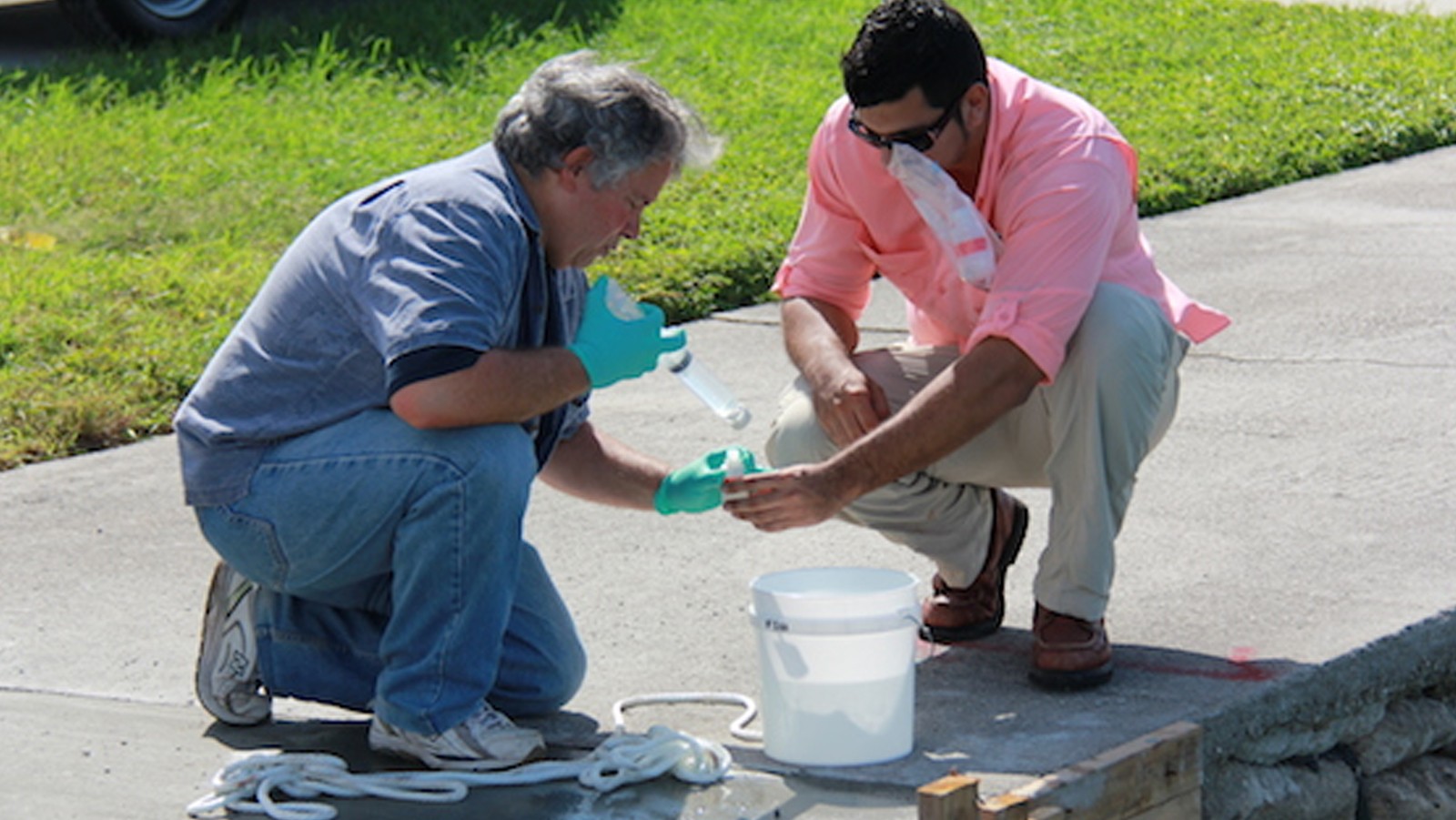
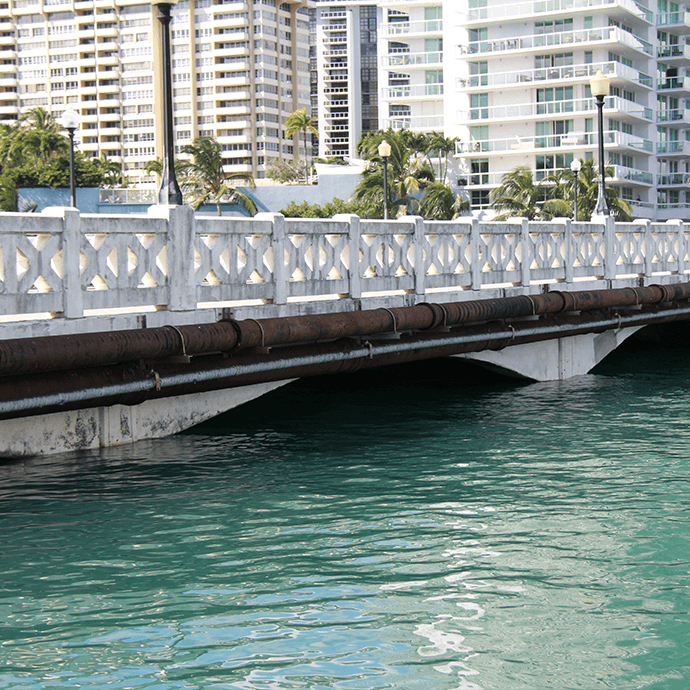
On October 9th, researchers from AOML’s Environmental Microbiology Lab monitored and collected water samples in Maurice Gibb Memorial Park during the King Tide, the highest astronomical tide of the year.
NOAA’s Vice Admiral Devany, Dr. Richard Spinrad, and Craig McLean, Deputy Assistant Administrator for Programs and Administration joined AOML and SEFSC to learn about current research and happenings in South Florida.
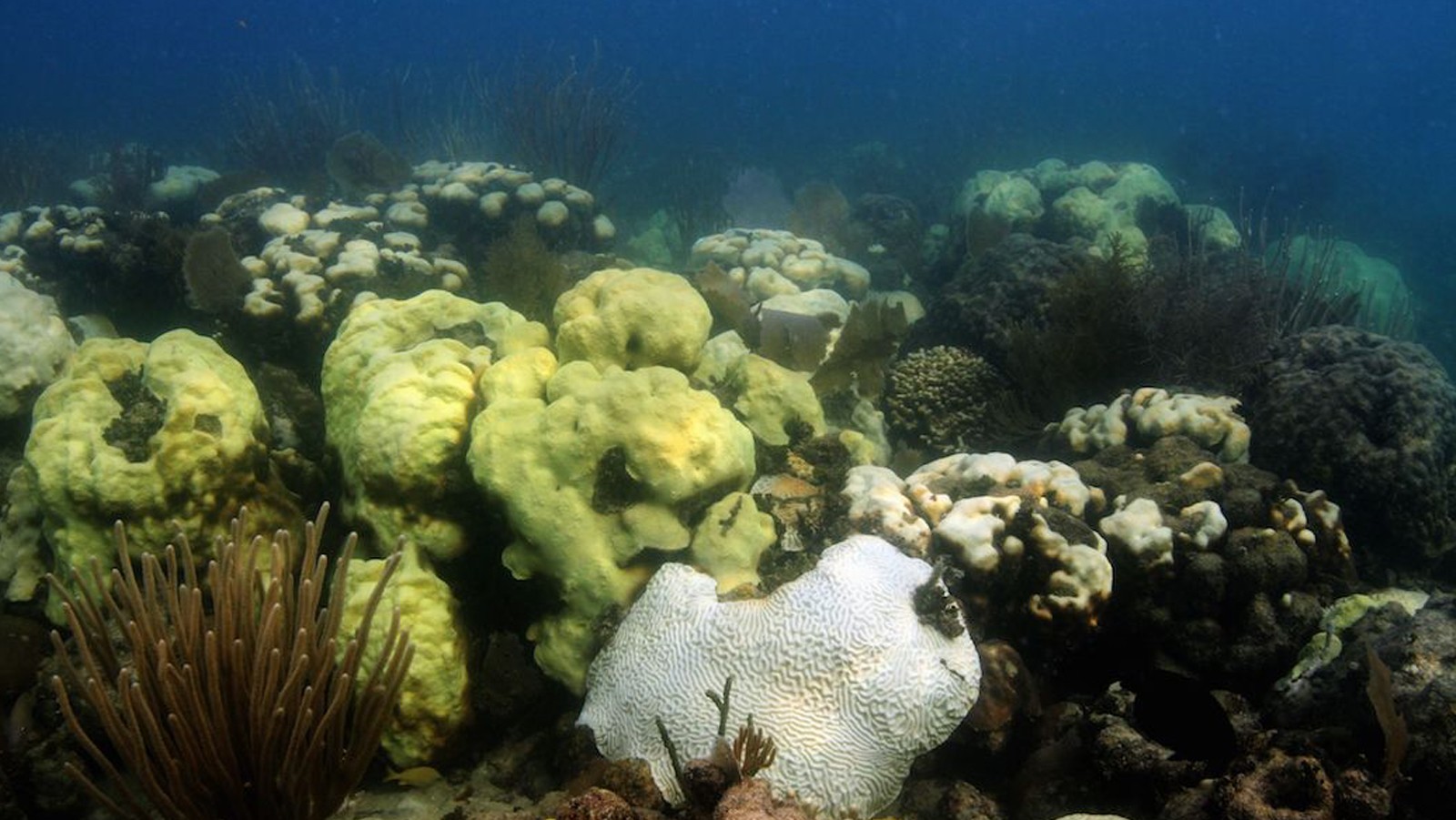
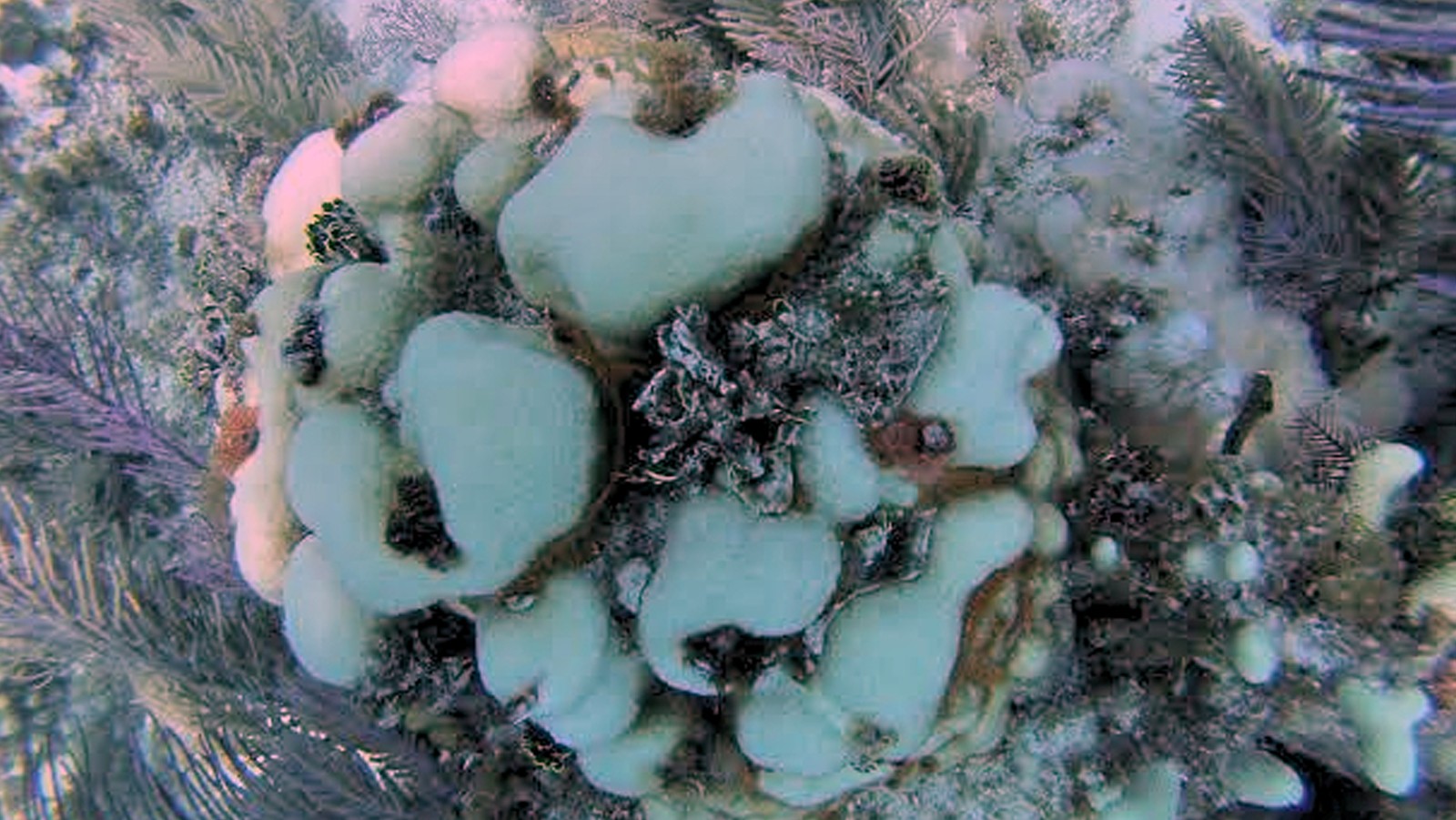
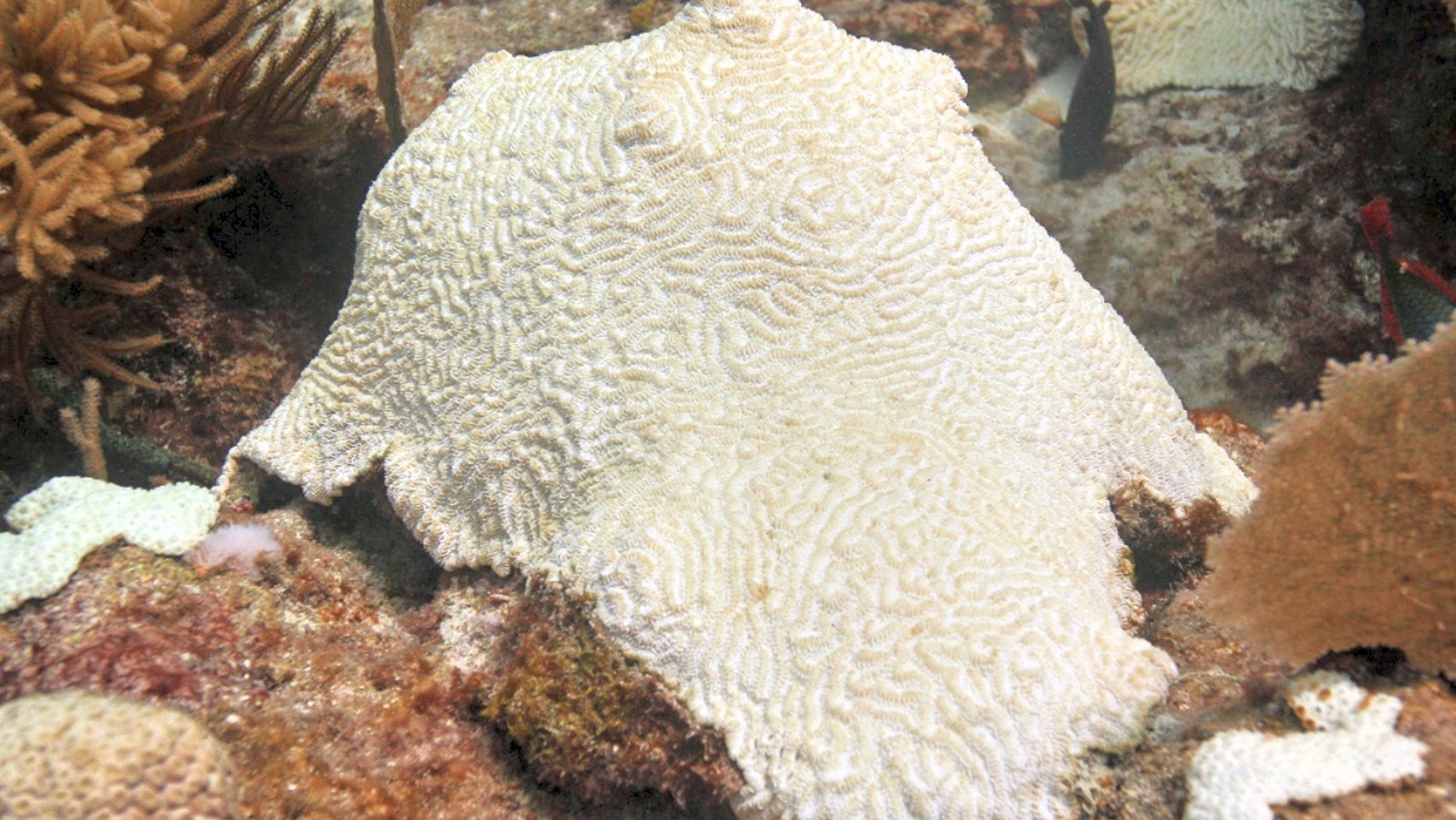
Images of bleached corals off of Key Biscayne, Florida and in Biscayne National Park.
Undergraduate students from the University of Miami started off the fall semester with a tour of AOML’s ocean observing platforms and the engineering group that makes it all happen.
The Congressman representing Florida’s 25th district took a tour of AOML to learn about current research supporting south Florida and the Nation.