Author: AOML Communications

Ocean Temperatures May Hold Key to Predicting Tornado Outbreaks

Tornadoes are one of nature’s most destructive forces. Recent violent and widespread tornado outbreaks in the United States, such as occurred in the spring of 2011, have caused significant loss of life and property. Currently, our capacity to predict tornadoes and other severe weather risks does not extend beyond seven days. Extending severe weather outlooks beyond seven days will assist emergency managers, businesses, and the public prepare the resources needed to prevent economic losses and protect communities. So how can scientists better predict when and where tornadoes are likely to strike, before the tornado season begins?
Read Full Article

New Study Describes Link Between South Atlantic Ocean and Global Rainfall Variability

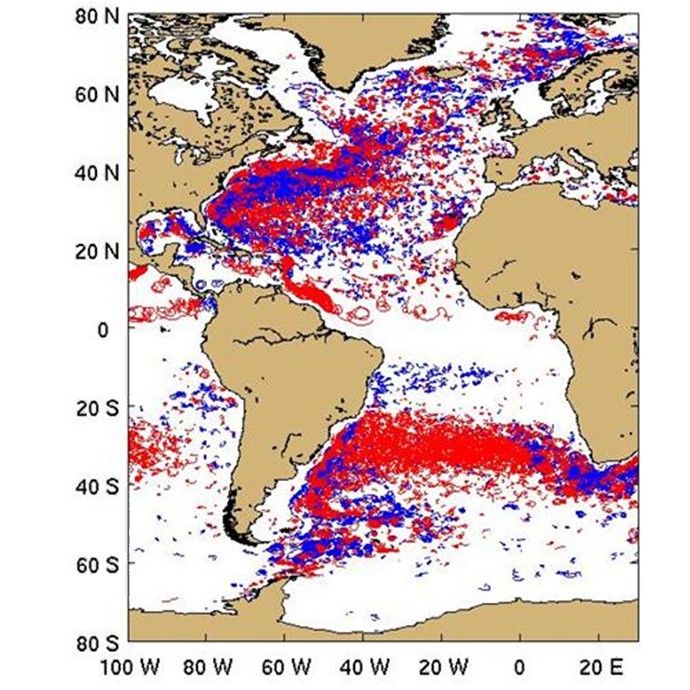
In a recent paper published in the Journal of Climate, scientists with NOAA and the University of Miami have identified how variability in ocean circulation in the South Atlantic Ocean may influence global rainfall and climate patterns. The study by researchers at NOAA’s Atlantic Oceanographic and Meteorological Laboratory (AOML) and the Cooperative Institute for Marine and Atmospheric Studies (CIMAS) suggests that the South Atlantic is a potential predictor of global rainfall variability with a lead-time of approximately 20 years. This link between the South Atlantic Ocean and weather and climate could provide significant long-term insight for water management on a global scale.

Read Full Article

AOML Oceanographers Collect Coast to Coast Measurements on the GO-SHIP Indian Ocean Cruise

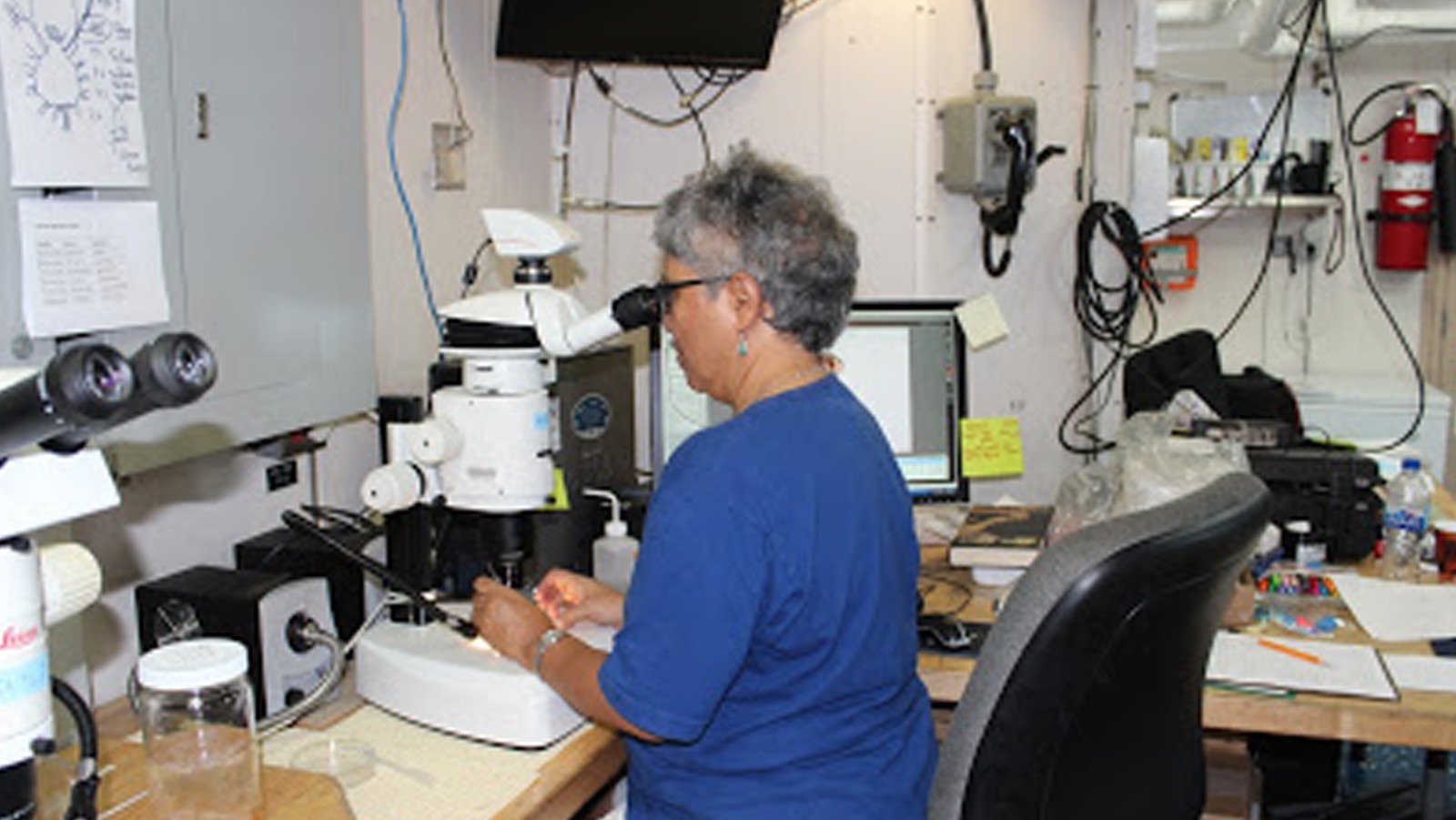
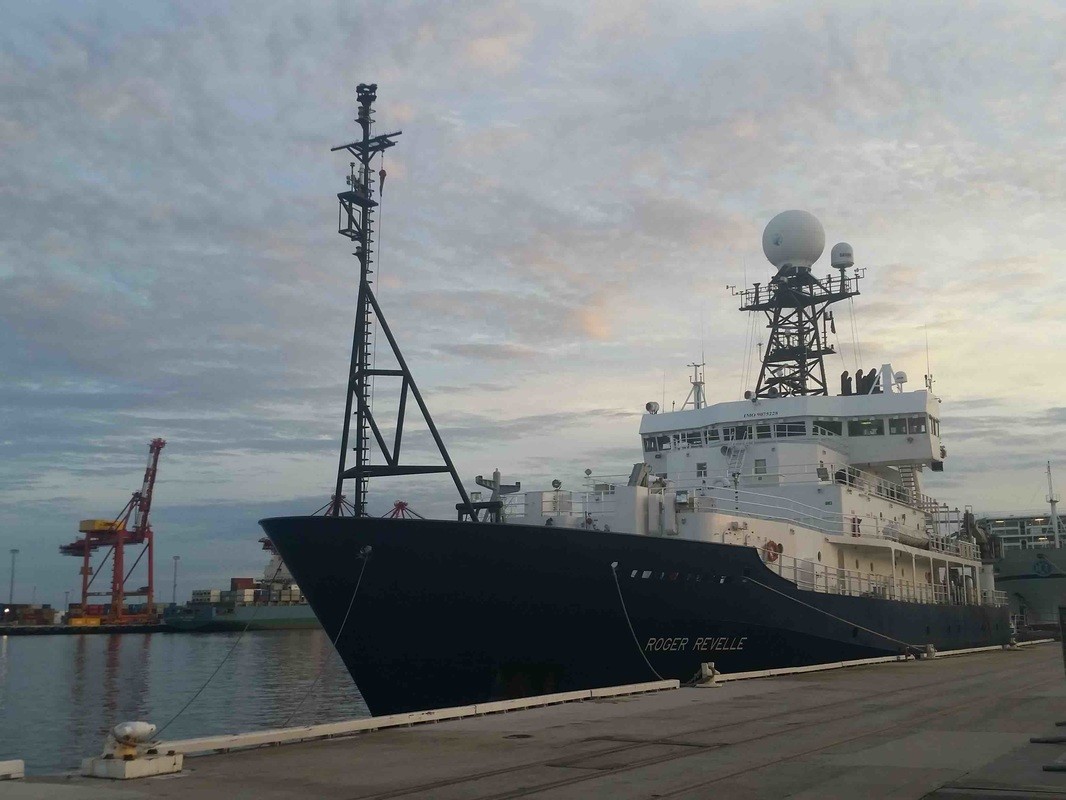
During the months of March and April, AOML joined an international team of oceanographers to actively sample the Indian Ocean in support of the Global Ocean Ship-Based Hydrographic Investigation Program (GO-SHIP), an initiative to measure and investigate the ocean basins from coast to coast and from top to bottom. Aboard the R/V Roger Revelle, the team transected the Indian Ocean from the Antarctic northward into the Bay of Bengal, collecting seawater samples at 113 stations as part of a multi-decadal effort to measure various ocean properties, including temperature, salinity, nutrients, carbon and other gases.

Read Full Article

New Antenna System Design Improves Reliability and Significantly Reduces Cost

Scientists and engineers from NOAA have successfully designed, built, and tested a new antenna system that dramatically increases data transmission reliability while drastically reducing operating costs. The new Iridium-based transmission system, developed by NOAA’s Atlantic Oceanographic & Meteorological Laboratory (AOML) & the Cooperative Institute for Marine & Atmospheric Studies (CIMAS), has no restrictions on data format or size, allowing data from various ocean and land-based observation platforms to be transmitted more securely and at a fraction of the cost of the older Inmarsat-C platform.

Read Full Article