Author: AOML Communications

Solving an eDNA Mystery with the Northern Gulf Institute

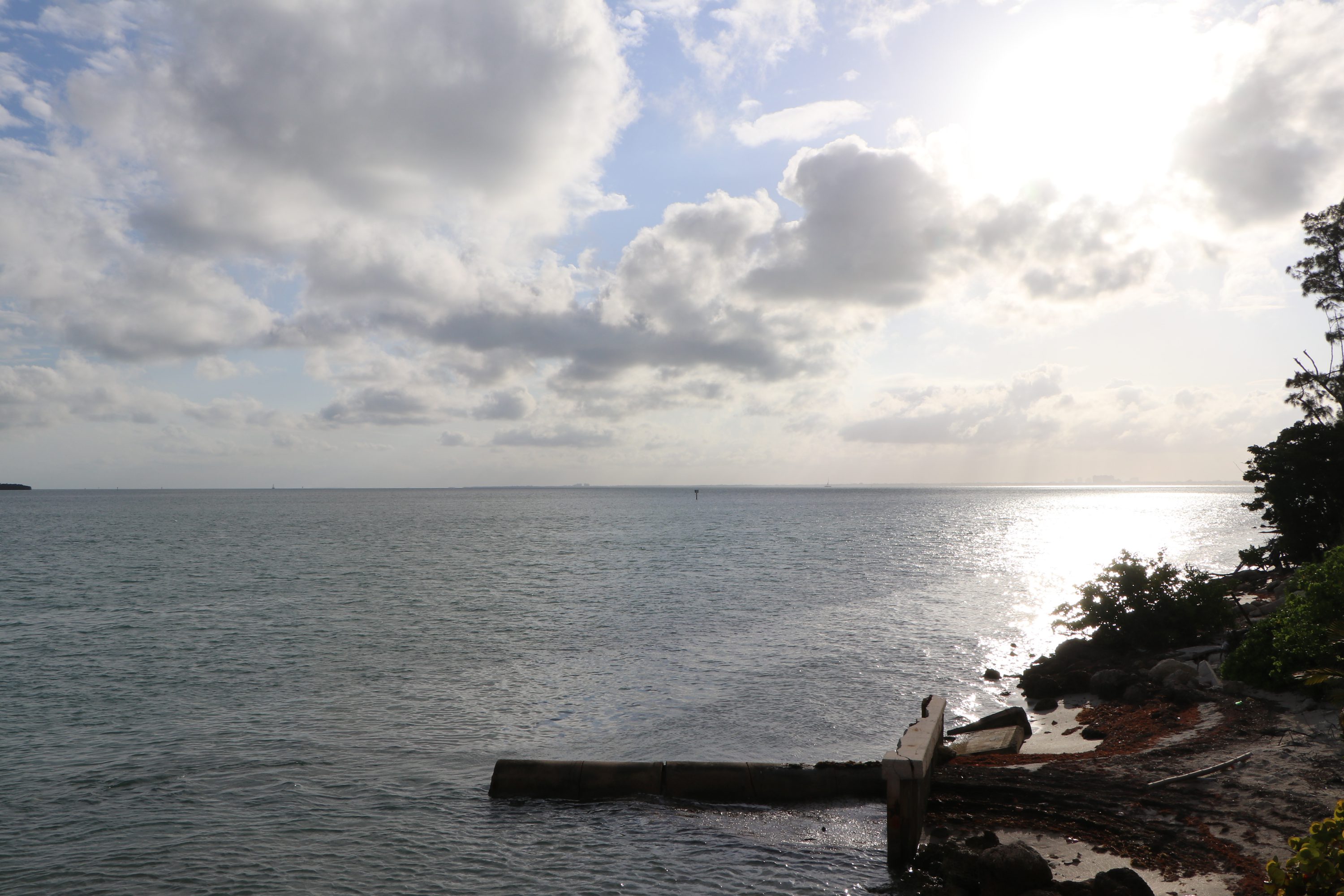
From the desk of CSI: Miami (Fish Edition): Solving an eDNA mystery. NGI Associate Research Professor Luke Thompson and NGI Postdoctoral Associate Sean Anderson have been studying the environmental DNA (eDNA) left behind by fish at the University of Miami dock (pictured), near the NOAA Atlantic Oceanographic and Meteorological Laboratory in Miami, Florida. When they analyzed the data, while many of the fish species detected were expected for the area, they were surprised by several unexpected species, such as rainbow trout. To help solve this mystery, Luke and Sean sent out a survey to fish biologists with expertise in this region.
Read Full Article

Bringing New Technologies to Fisheries Surveys with the Northern Gulf Institute

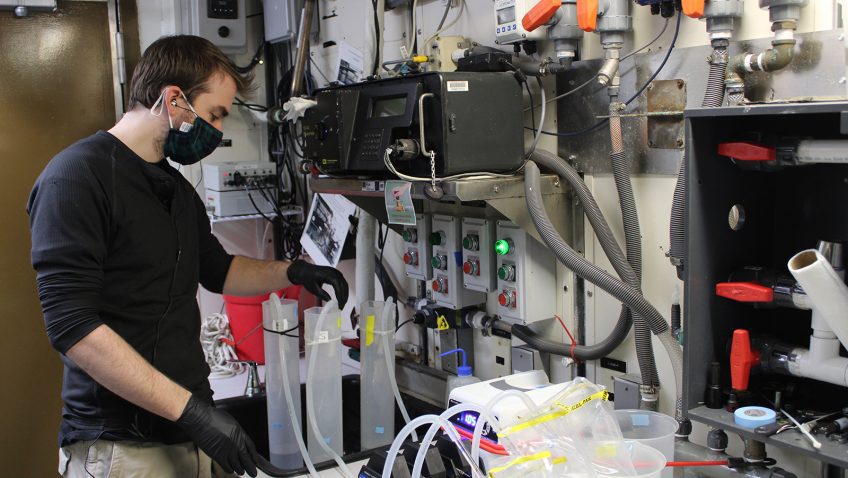
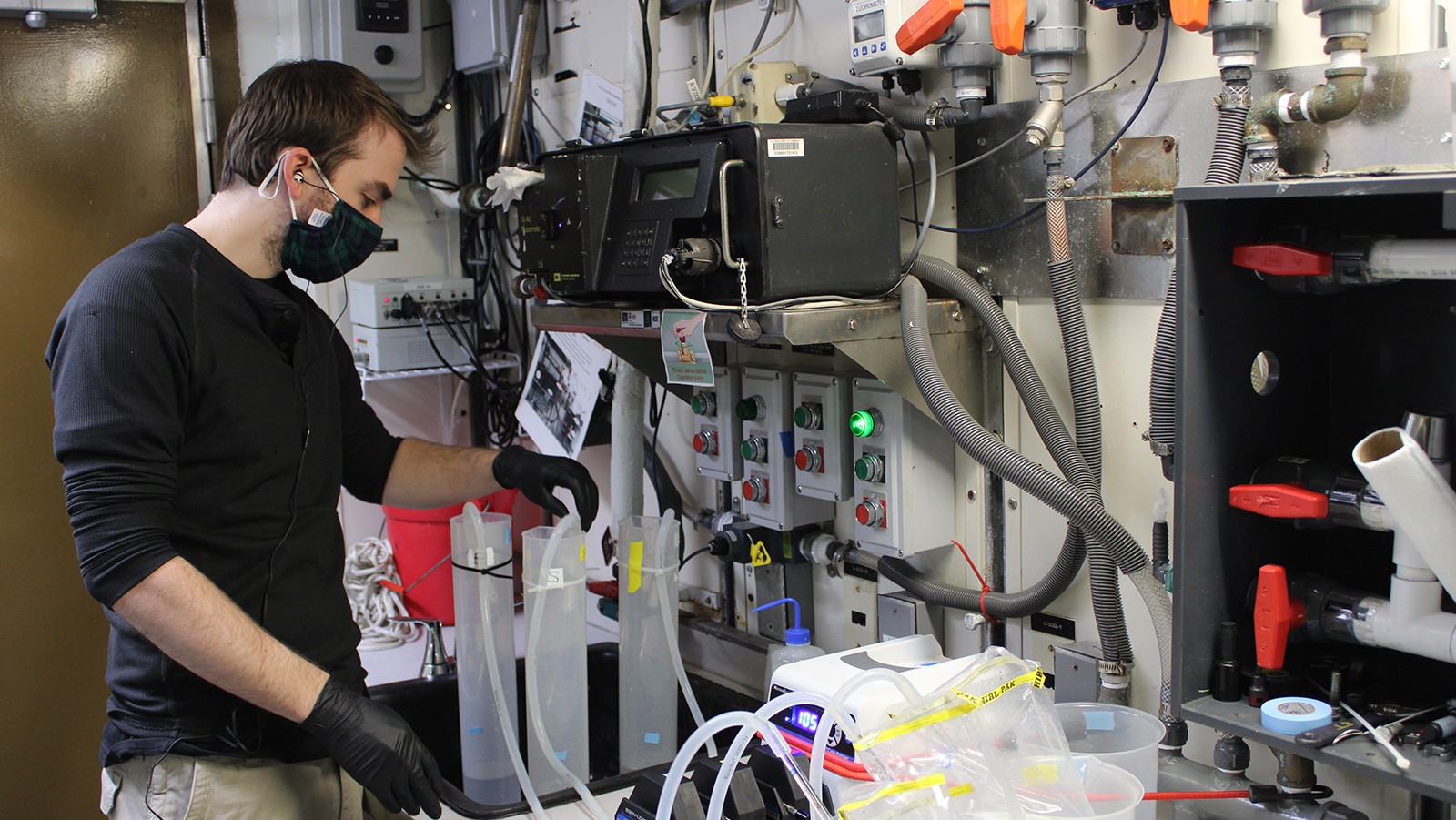
From March to May, NGI Postdoctoral Associate Sean Anderson is taking part in two legs of a NOAA Fisheries survey in the Gulf of America on board NOAA Ship Pisces. The NOAA project, “Environmental DNA Enhancement of Fisheries Independent Monitoring Cruises for Ecosystem Based Fisheries Management”, seeks to improve ecosystem-based fisheries management (EBFM) with the use of environmental DNA (eDNA) sequencing. Camera traps (pictured) placed at the seafloor in the Gulf of America capture video of passing fish, while bottles collect seawater that the fish have passed through, leaving behind DNA traces.

Read Full Article

Tracking Sargassum Inundation Potential for Coastal Communities

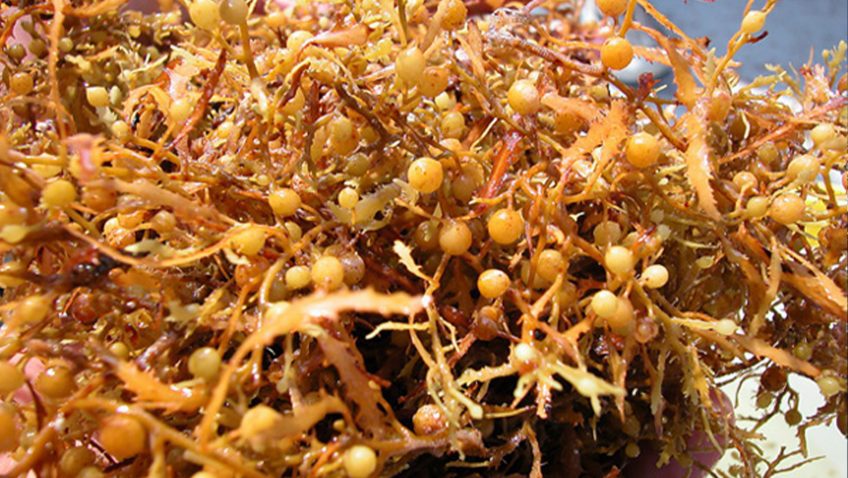
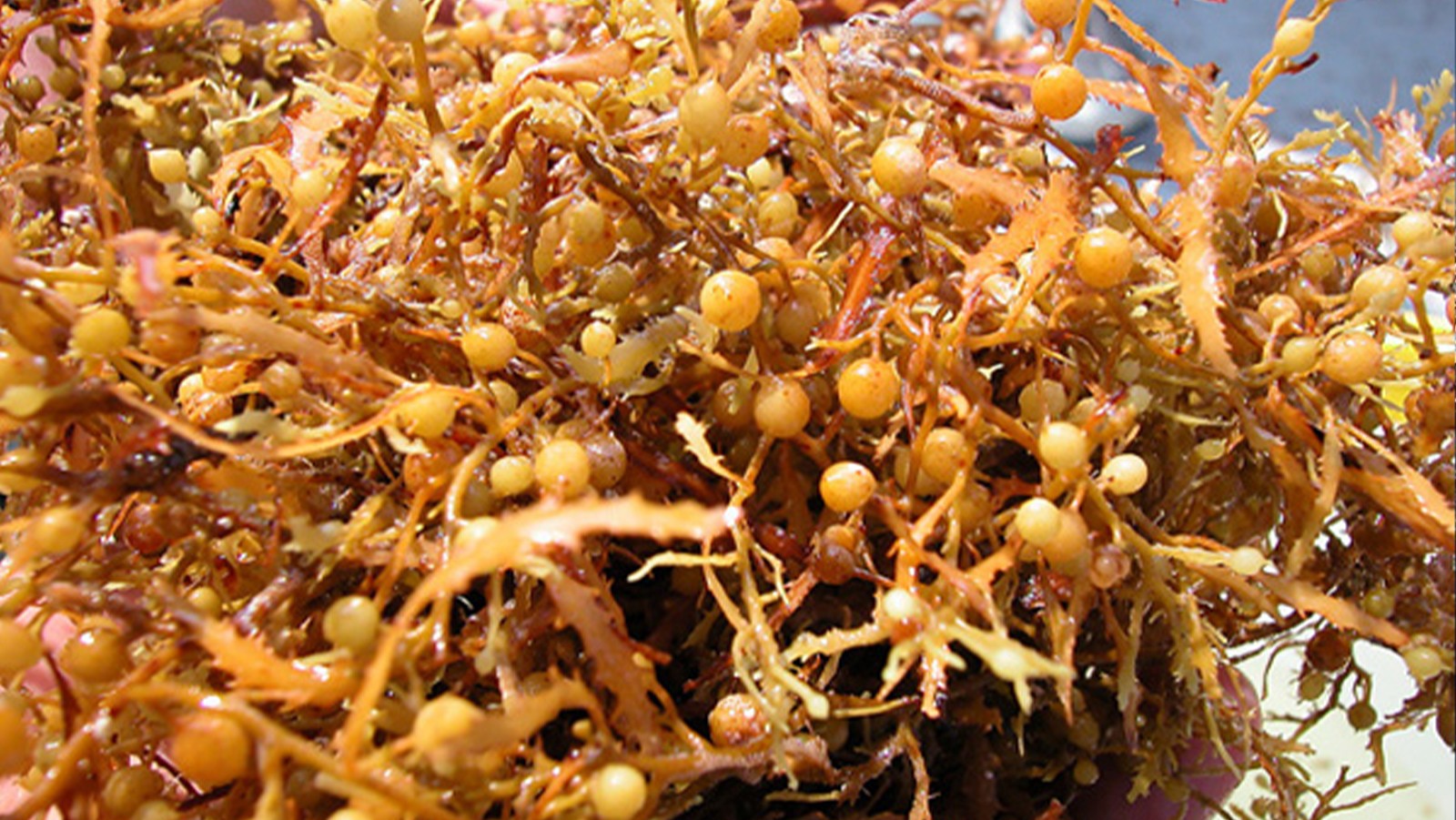
A recently published paper presents the Sargassum Inundation Report (SIR), a product that uses a satellite-based methodology to monitor from space areas with coastal inundation of pelagic Sargassum in the tropical Atlantic Ocean, Caribbean Sea, and Gulf of America. The SIR was created as a response to the need to improve the monitoring and management of Sargassum influxes (e.g., coordinate clean-up), which have major economic, social, environmental, and public health impacts.

Read Full Article

Come Sail Away: Take a Look into a Scientist’s Life Aboard a 6 Week Cruise in the Tropical Atlantic

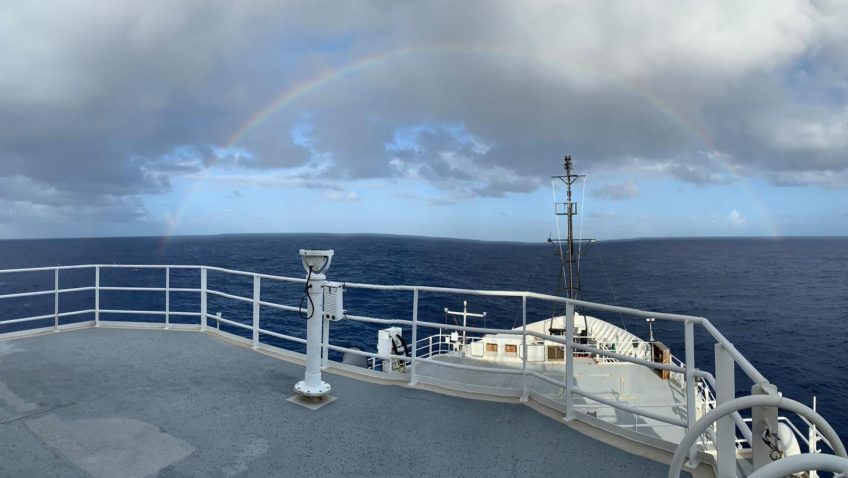
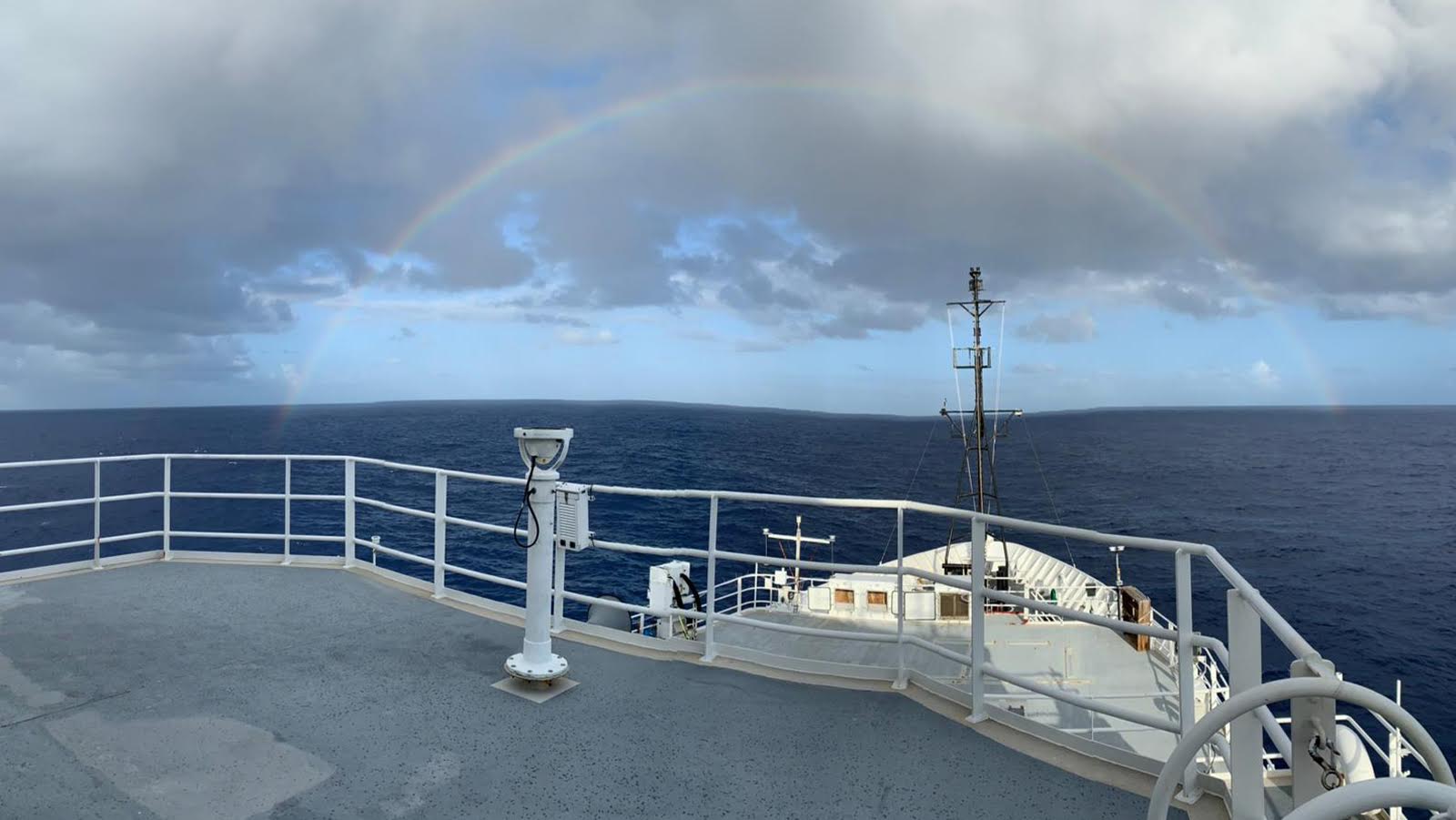
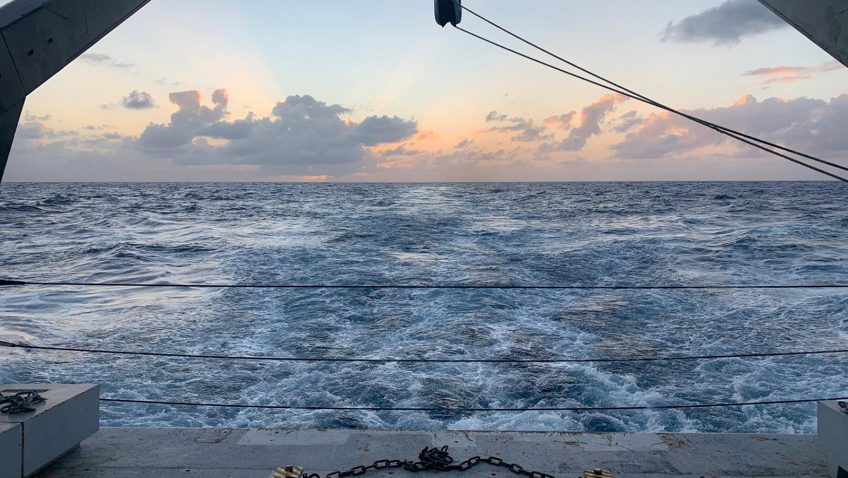
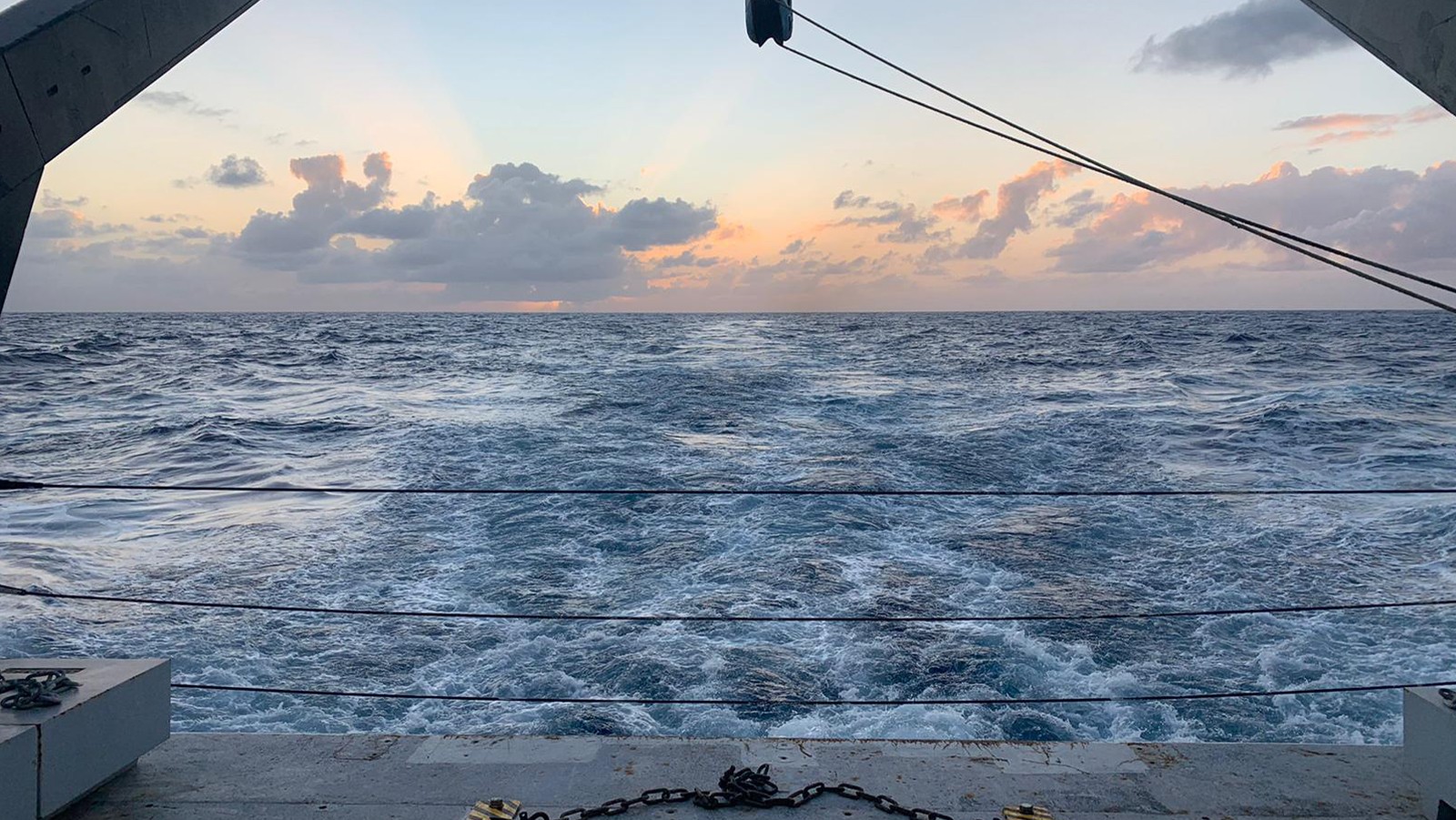
On February 24, researchers with NOAA’s Atlantic Oceanographic and Meteorological Laboratory returned to land, docking in Key West after nearly six weeks aboard the NOAA ship Ronald H. Brown. The scientists were at sea for the PIRATA (Prediction and Research Moored Array in the Tropical Atlantic) Northeast Extension (PNE) cruise, a joint effort between AOML and NOAA’s Pacific Marine Environmental Laboratory to maintain an expansion of the PIRATA array of surface moorings into the northern and northeastern sectors of the tropical Atlantic.

Read Full Article

AOML Tests New Hurricane Ocean Profilers for Deployment in 2021 Hurricane Season

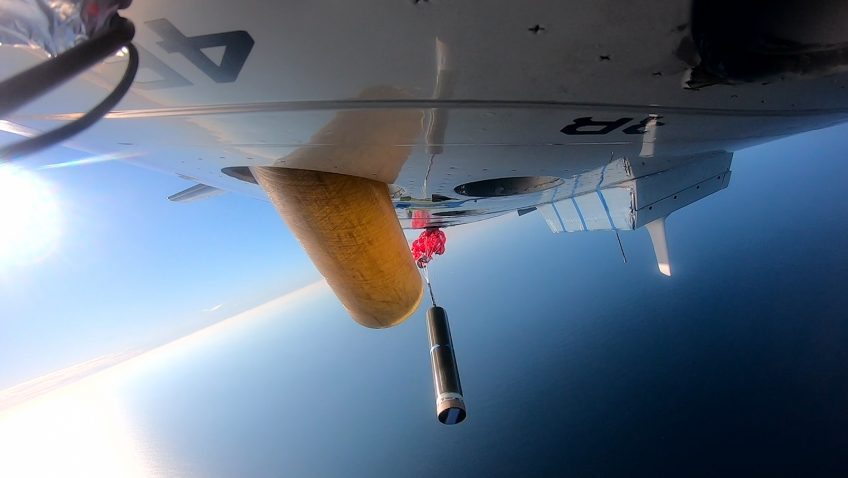
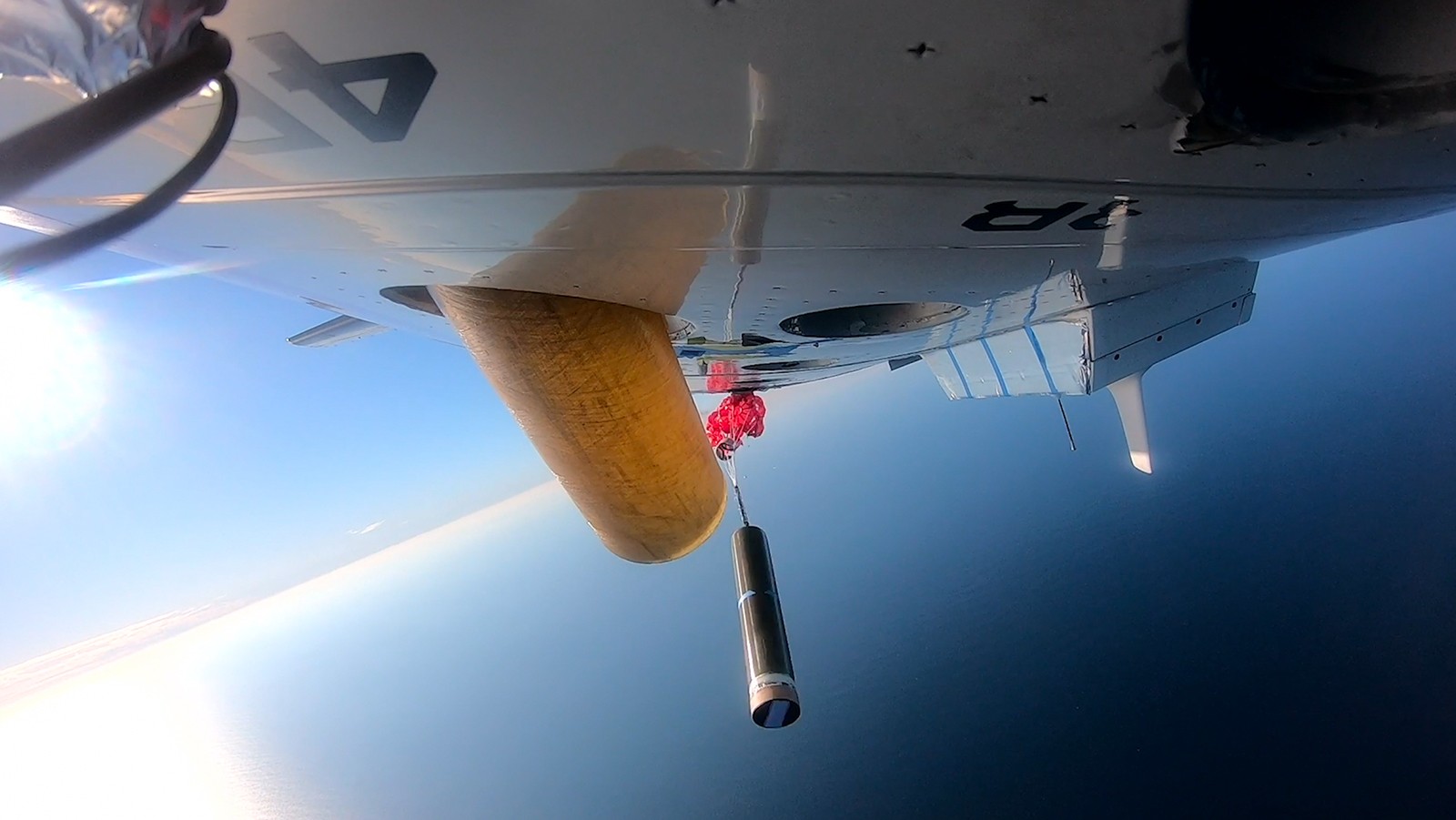
In January 2021, AOML in partnership with NOAA’s Aircraft Operations Center (AOC) completed the air launch testing of the Air-Launched Autonomous Micro-Observer (ALAMO) profiling float. This testing cleared the ALAMO floats for flight and deployed from the NOAA P3 Hurricane Hunter aircraft during their hurricane reconnaissance missions. The data collected and transmitted by the ALAMO floats will be used to understand the ocean’s interaction with tropical cyclones and improve coupled hurricane forecasting models.

Read Full Article

AOML and Fearless Fund Team Up to Tackle Questions of Sargassum’s Life Cycle for Better Inundation Prediction Capabilities

The PIRATA (Prediction and Research Moored Array in the Tropical Atlantic) 2021 cruise aboard NOAA’s Ronald H. Brown has returned home! During their 41 days at sea, the cruise facilitated a collaboration between researchers with NOAA’s Atlantic Oceanographic and Meteorological Lab (AOML) and Fearless Fund, an organization dedicated to ocean solutions, supported by the U.S. Department of Energy (DOE). This collaboration targets the removal of carbon dioxide from ocean waters by the growth and harvest of seaweed biomass, known as Sargassum.

Read Full Article

Scientists Discover New Current Structure in Gulf of America off Cuban Coast

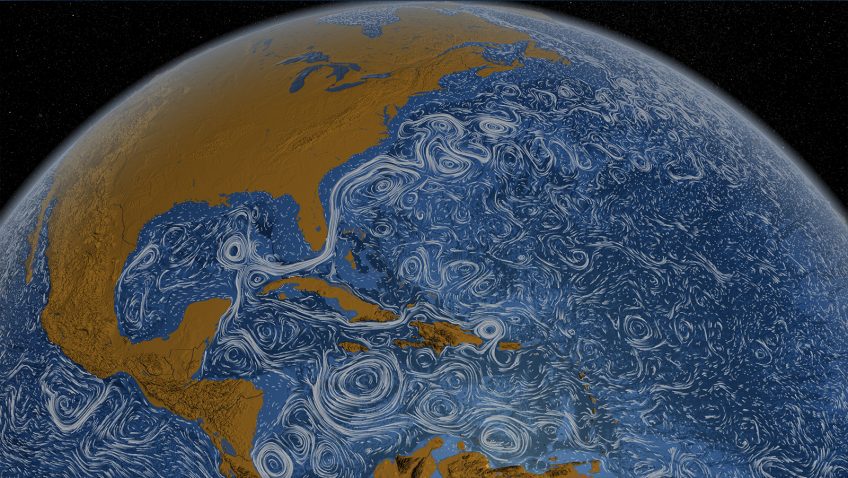
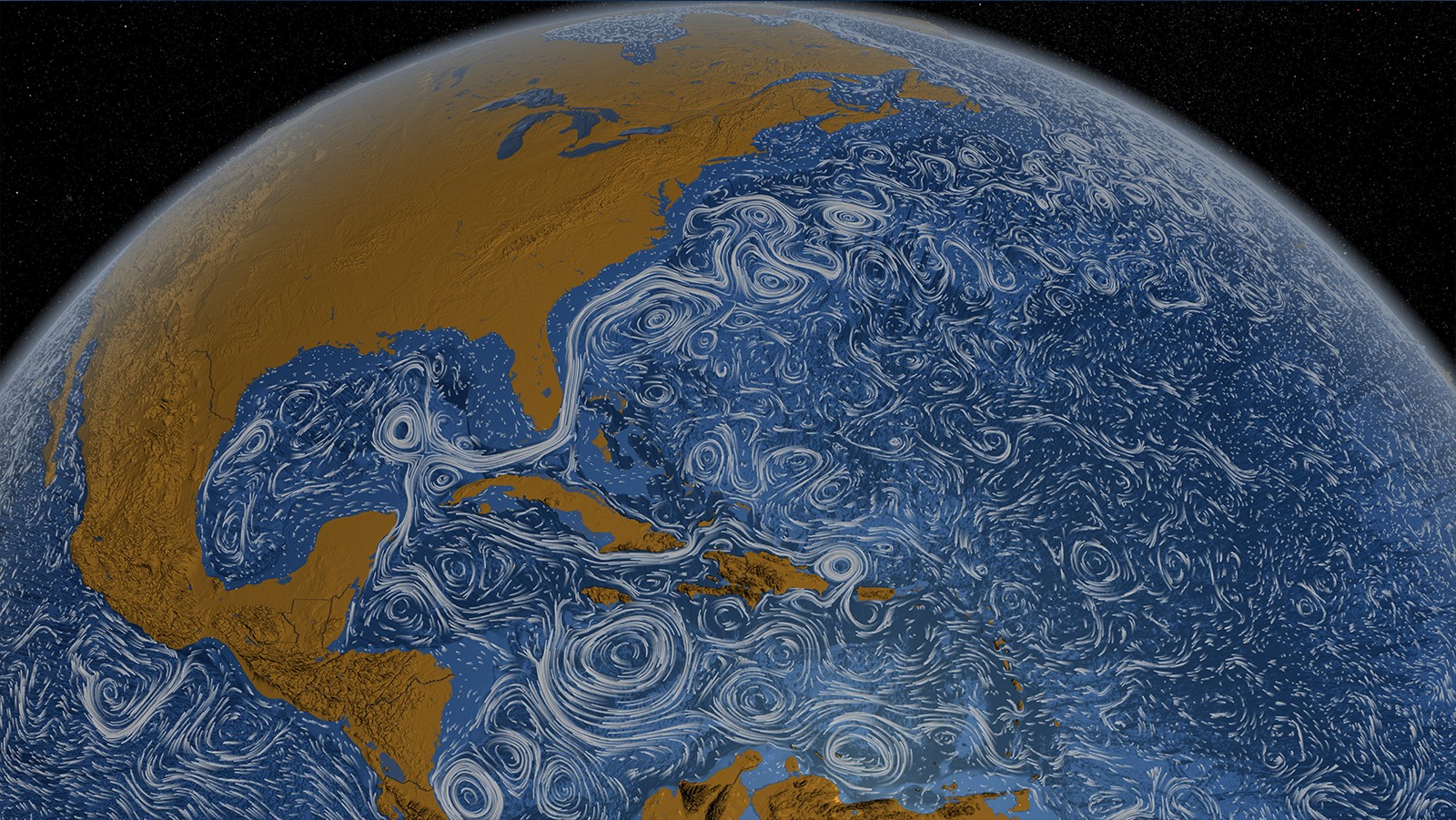
Scientists at AOML in collaboration with partners at the University of Miami’s Rosenstiel School of Marine and Atmospheric Science (RSMAS) have identified Loop Current related anticyclonic eddies along the northwest coast of Cuba in the southern Gulf of America, named “CubAns” (“Cuba anticyclones”). These eddies play an important role in the ocean circulation associated with the Loop Current. This team of scientists is the first to study CubANs.

Read Full Article

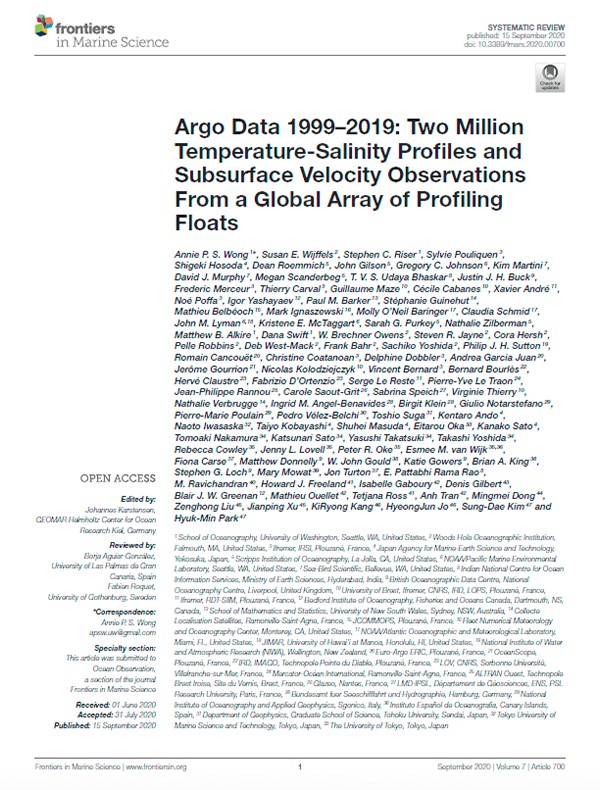
Argo Data 1999–2019: Two Million Temperature-Salinity Profiles and Subsurface Velocity Observations From a Global Array of Profiling Floats

Wong, A. P., Wijffels, S. E., Riser, S. C., Pouliquen, S., Hosoda, S., Roemmich, D., … & Park, H. (2020). Argo Data 1999–2019: Two Million Temperature-Salinity Profiles and Subsurface Velocity Observations From a Global Array of Profiling Floats. Front. Mar. Sci. 7:700. doi: 10.3389/fmars.2020.00700

Abstract: In the past two decades, the Argo Program has collected, processed, and distributed over two million vertical profiles of temperature and salinity from the upper two kilometers of the global ocean. A similar number of subsurface velocity observations near 1,000 dbar have also been collected. This paper recounts the history of the global Argo Program, from its aspiration arising out of the World Ocean Circulation Experiment, to the development and implementation of its instrumentation and telecommunication systems, and the various technical problems encountered….

Read Full Paper.

Read Full Article

NOAA Celebrates 10 Years of Integrated Ecosystem Assessments

Over the past 10 years, scientists from all over the world and in the United States have achieved incremental successes in using the Integrated Ecosystem Assessment approach. This approach allows them to build relationships with scientists, stakeholders, and managers and balance the needs of nature and society for current and future generations.

Read Full Article

Increasing Red Tide Sampling off the West Florida Shelf

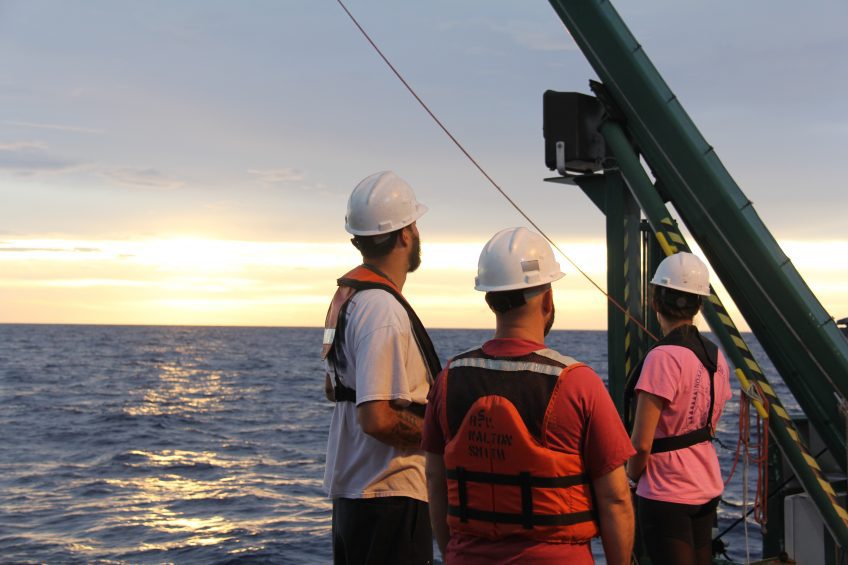
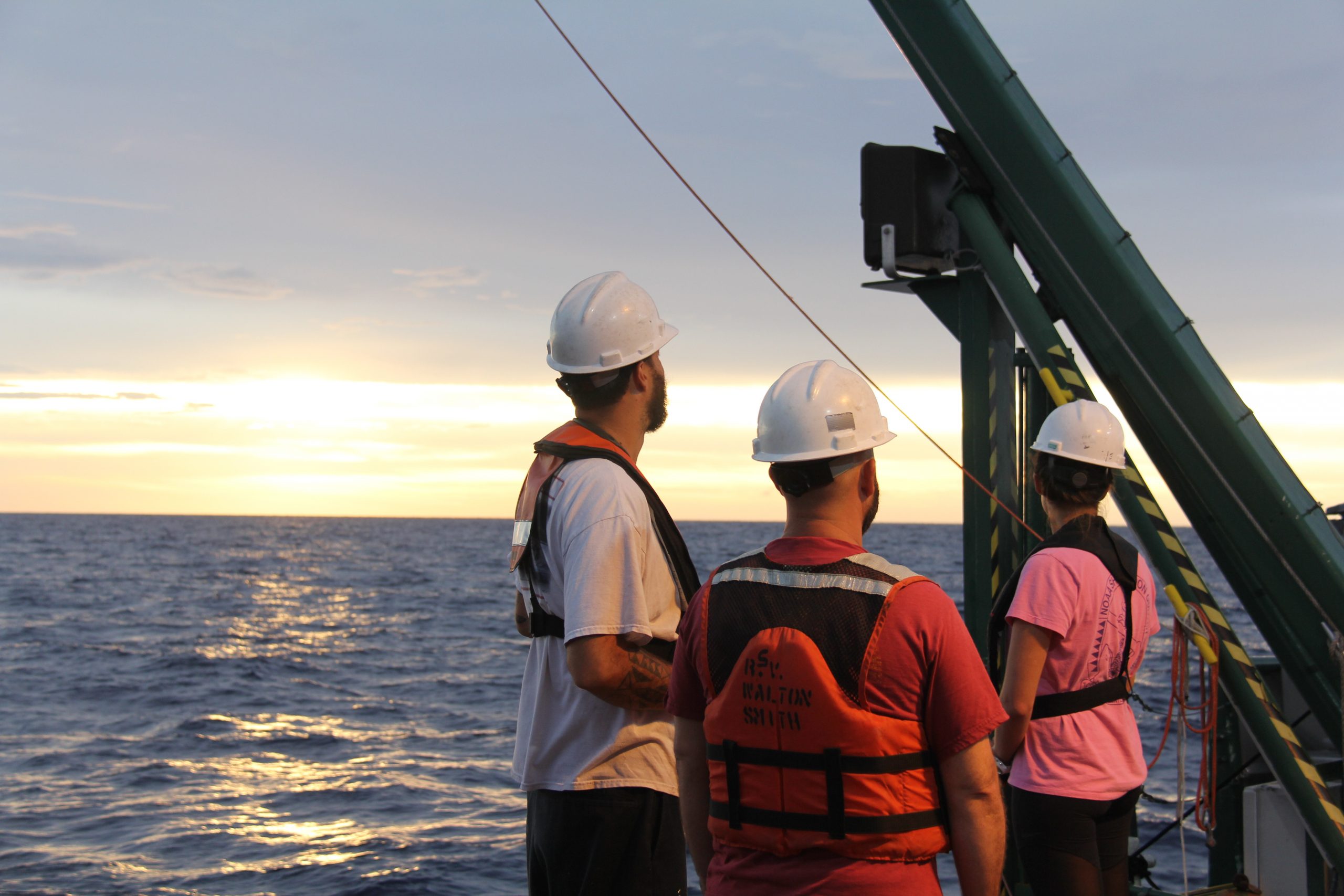
Scientists are heading to sea on the R/V Walton Smith to sample areas where red tide blooms are commonly present off the west Florida coast. Karenia brevis, the organism that causes red tide, forms blooms when elevated concentrations (>100,000 cells per liter) are present in the water. K. brevis produces toxins called brevetoxins that can cause massive fish kills, weaken or kill marine mammals, and (if the toxin becomes aerosolized and inhaled) cause respiratory distress in humans and marine mammals. The team of scientists will be comprehensively sampling a series of transects along the West Florida Shelf.

Read Full Article