Tag: edna

Employing ‘Omics techniques to examine crucial restoration efforts across the Mission: Iconic Reefs

Scientists at AOML and the Cooperative Institute for Marine and Atmospheric Studies (CIMAS) are employing advanced ‘Omics techniques to holistically examine the effectiveness of ongoing efforts to restore coral reefs throughout the Florida Keys National Marine Sanctuary (FKNMS) under the ambitious Mission: Iconic Reefs initiative.  The Florida Keys National Marine Sanctuary consists of 350 miles […]

Read Full Article

A Collaborative Effort Investigates the Biological Carbon Pump, Deploying Sediment Traps Hundreds of Meters Below

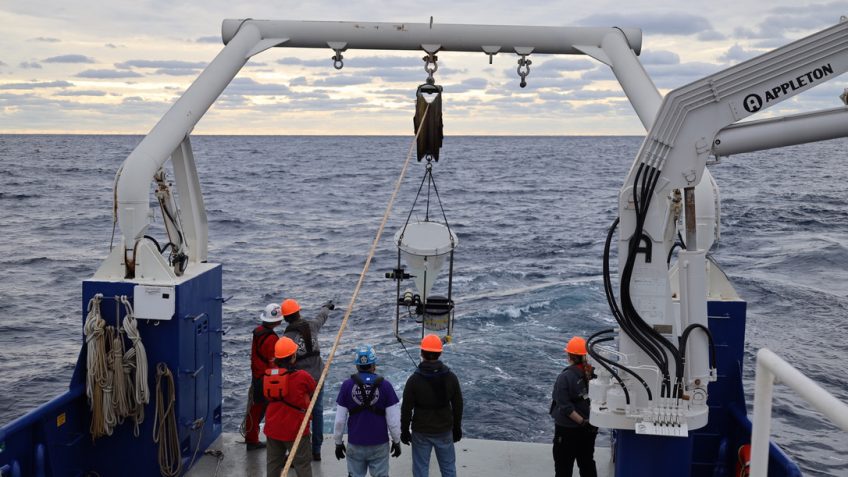
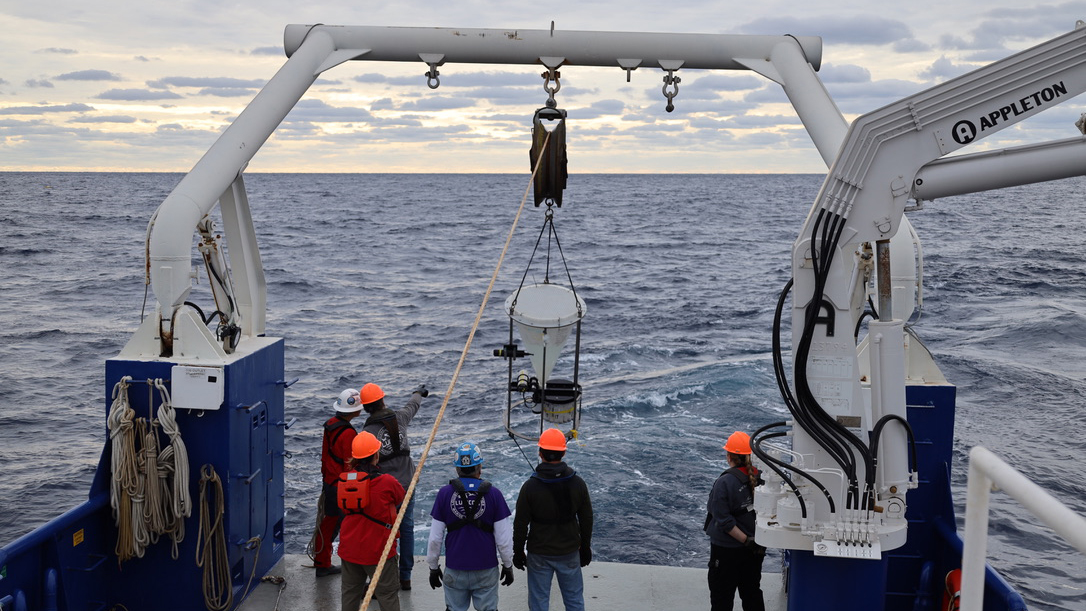
A team of scientists from AOML, the U.S. Geological Survey (USGS), and the University of South Carolina retrieve a sediment trap from the Gulf of America, spending months processing and examining the flurry of microscopic shells and environmental DNA (eDNA) of biological debris collected by the trap, known as “marine snow.” This collaborative NOAA–USGS research project uses these sediment trap samples to investigate the biological carbon pump, the ocean’s role in removing atmospheric carbon, and climate change patterns.

Read Full Article

First NOAA GO-SHIP Cruise In 5 Years Departs To Study Unique Atlantic Basin

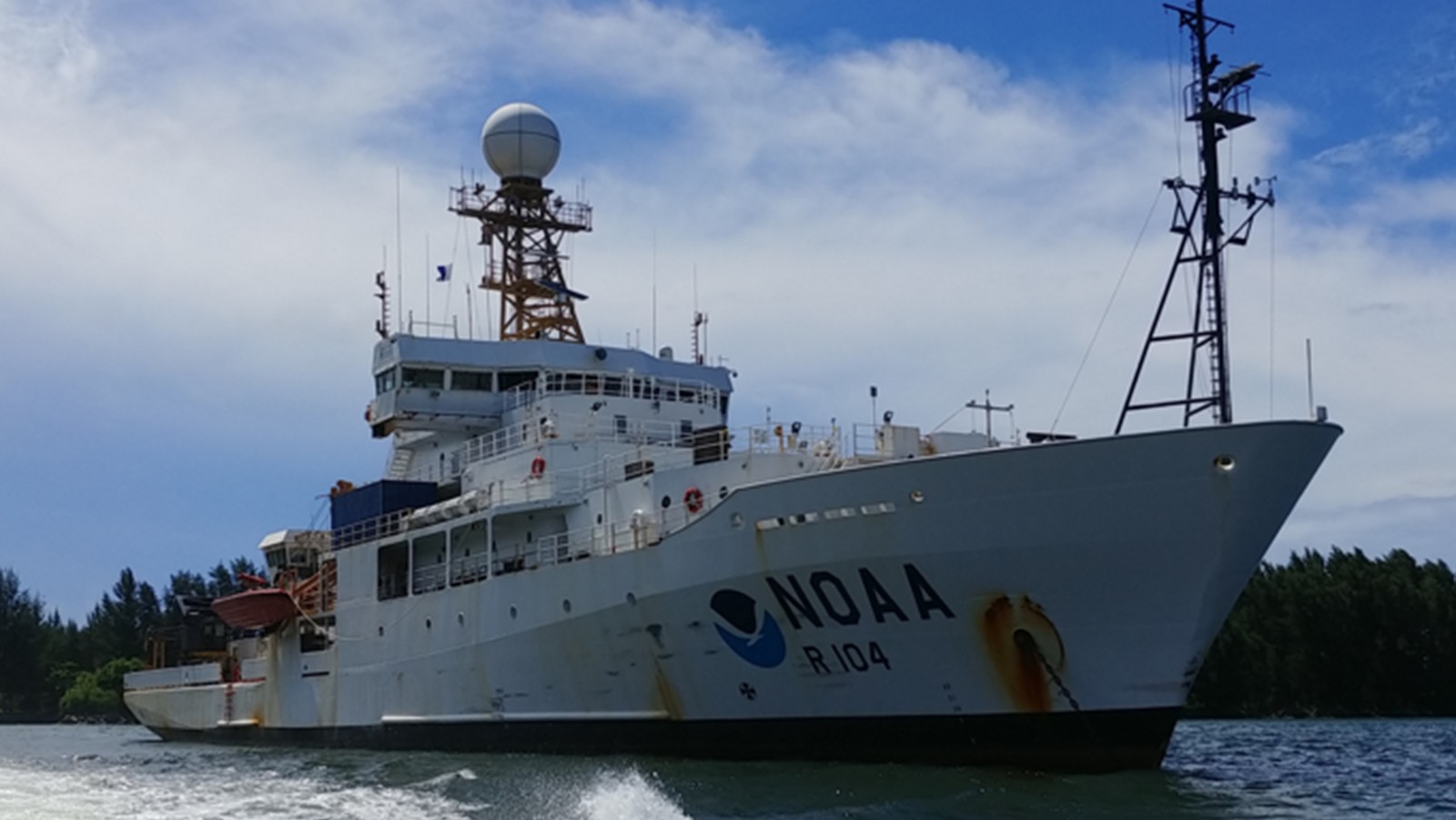
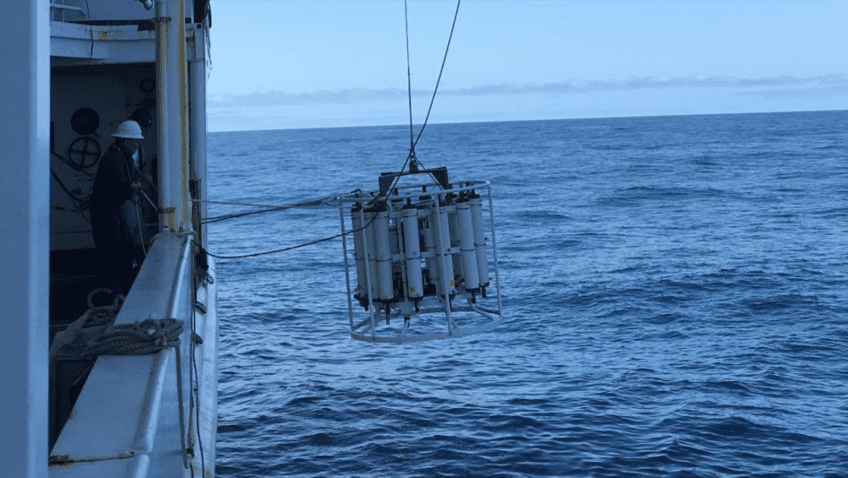
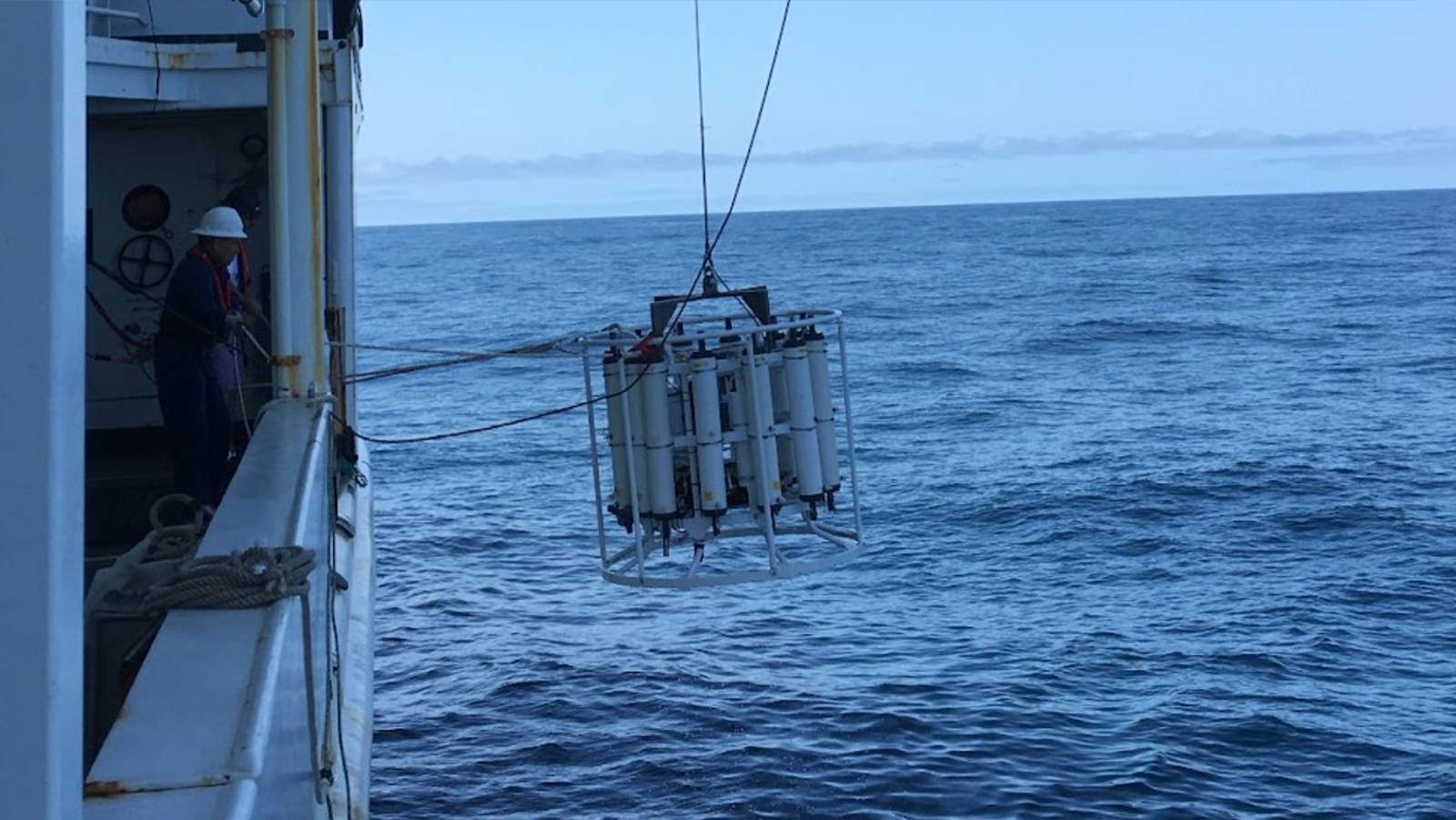
Originally published at NOAA Global Ocean Monitoring & Observing on March 7th, 2023. 30-years of ocean observations provide view into long-term ocean trends On March 6, a team of scientists on the NOAA Ship Ronald H. Brown departed from Suape, Brazil for a 55-day cruise to the northerly waters of Reykjavik, Iceland. With 150 planned stops along this […]

Read Full Article

New study highlights major step forward in monitoring ocean health

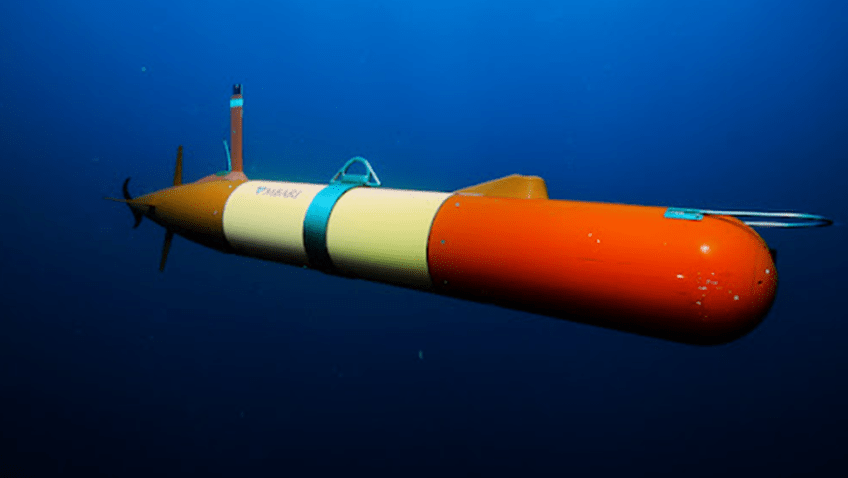
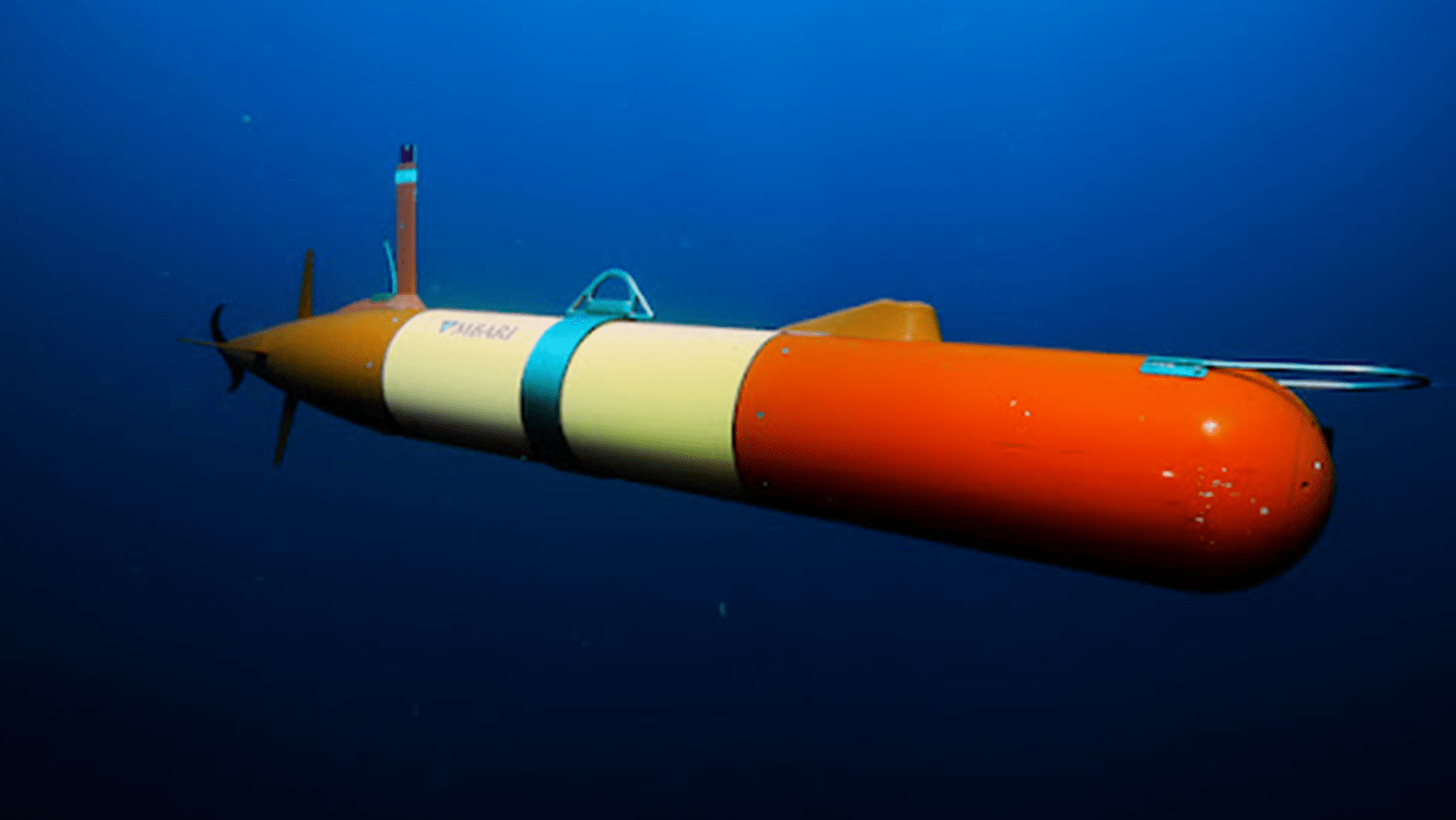
In a major step forward for monitoring the biodiversity of marine systems, a new study published in Environmental DNA details how Monterey Bay Aquarium Research Institute (MBARI) and NOAA’s Atlantic Oceanographic & Meteorological Laboratory (AOML) researchers are using autonomous underwater robots to sample environmental DNA (eDNA). eDNA allows scientists to detect the presence of aquatic species from the tiny bits of genetic material they leave behind. This DNA soup offers clues about biodiversity changes in sensitive areas, the presence of rare or endangered species, and the spread of invasive species—all critical to understanding, promoting, and maintaining a healthy ocean.

Read Full Article

Exploring Environmental DNA

Have you ever wondered what animals might be present in a particular habitat or traveled through a certain area of the ocean? Scientists are able to use environmental DNA or “eDNA” sampling to help answer those questions. NOAA’s Atlantic Oceanographic and Meteorological Laboratory (AOML) has recently released a new educational video series, “Exploring Environmental DNA” on their website and Youtube channel.

Read Full Article

The Spirit of International Cooperation Drives Oceanographic Discovery Aboard Tara

At 20:00 at 64°S in the austral summer month of February, the sun was still high in the sky. It cast a delicate light over the sea surface dotted with icebergs, which ranged from small misshapen chunks to massive angular structures with marbled cliffsides. In January and February 2022, I took part in an Antarctic voyage aboard the French schooner Tara. My participation was part of a partnership between NOAA and AtlantECO, a European-led consortium to characterize, quantify, and model Atlantic Ocean ecosystems.

Read Full Article

Environmental DNA Sampling Gets an Upgrade and Transitions to New Open-Source Technology

Scientists at NOAA’s Atlantic Oceanographic and Meteorological Laboratory (AOML),the Cooperative Institute for Marine and Atmospheric Studies (CIMAS) at the University of Miami Rosenstiel School of Marine and Atmospheric Science, and the Northern Gulf Institute at Mississippi State University have engineered a new instrument that will provide valuable information about the biodiversity of aquatic ecosystems. A recently published paper in Hardware X describes the design and creation of a low-cost, open-source sub-surface automated environmental DNA (eDNA) sampler (SASe), for sampling eDNA in the water column. The SASe represents a milestone for AOML as one of the first pieces of technology to go through a rigorous transition process from the desks of scientists in the laboratory, through organizational approval channels, to the wider scientific community with full accessibility to the public.

Read Full Article

GOMECC-4 Cruise Assesses Ocean Acidification Impacts in the Gulf of America

AOML scientists and partners from an assortment of universities and Cooperative Institutes successfully completed the most comprehensive ocean acidification sampling of the Gulf of America to date with the conclusion of the fourth Gulf of America Ecosystems and Carbon Cruise, also known as the GOMECC-4 cruise. The research effort aboard the NOAA Ship Ronald H. Brown began out of Key West, Florida on September 13, 2021 with 25 scientists and graduate students aboard. It ended 39 days later on October 21 with a port stop in St. Petersburg, Florida.

Read Full Article