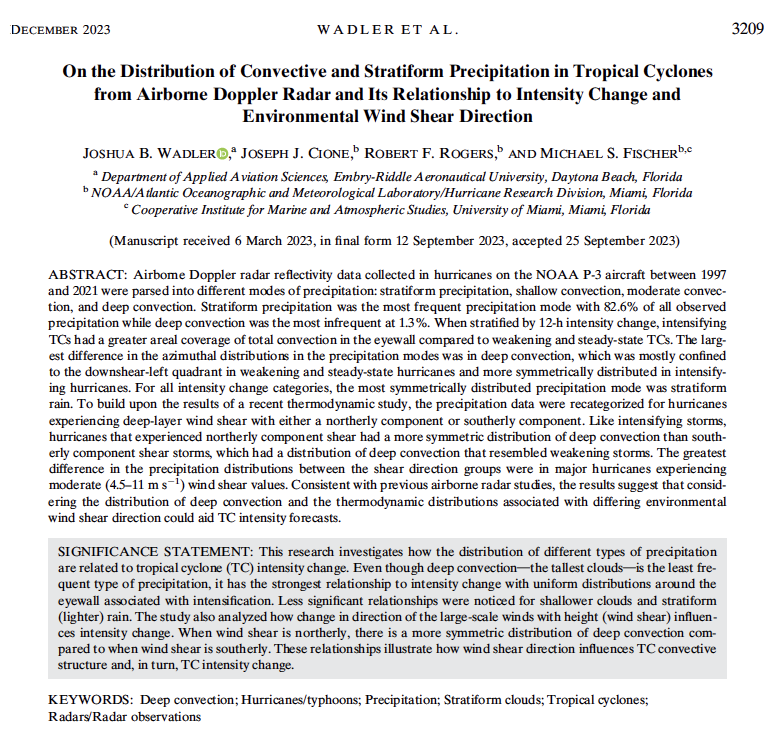
This research investigates how the distribution of different types of precipitation are related to tropical cyclone (TC) intensity change. Even though deep convection – the tallest clouds – is the least frequent type of precipitation in TCs, the amount of deep convection, especially when it is evenly distributed around the TC center, has the strongestrelationship […]
Read Full Article
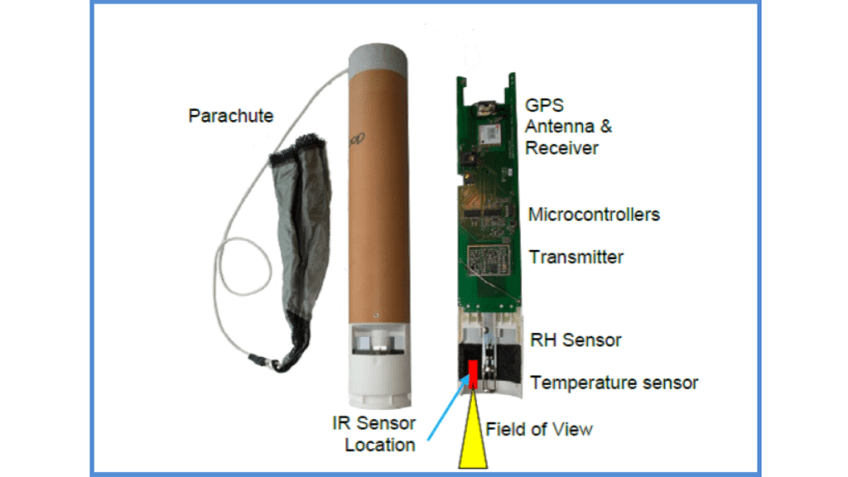
The Global Positioning System dropwindsonde has provided thousands of high-resolution soundings of wind velocity, temperature, moisture, and humidity in and around tropical cyclones (TCs) since 1997. These data have revolutionized the understanding of TC structure, improved forecasts, and validated observations from remote-sensing platforms like satellites. About 400 peer-reviewed studies on TCs using these data have […]
Read Full Article
The full review can be found at https://www.sciencedirect.com/science/article/pii/S2225603223000395. For more information, contact aoml.communications@noaa.gov.
Read Full Article
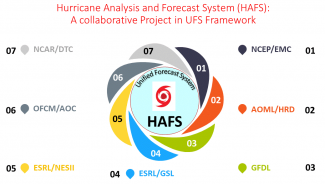
The new Hurricane Analysis and Forecast System (HAFS) became operational (i.e., used by the National Hurricane Center in their official forecasts) for the 2023 hurricane season. HAFS was run during the 2022 hurricane season in the Atlantic and East Pacific to test it before designing the final version. We found encouraging track forecasts results, including […]
Read Full Article
AOML/HRD supported 19 operationally tasked NOAA NHC/EMC P-3 Tail Doppler Radar and G-IV Synoptic Surveillance missions into Hurricane Lee from the time it became a category-5 hurricane to its extratropical transition and landfall in Nova Scotia. HRD collaborated with partners in AOML/Physical Oceanography Division, the Office of Naval Research, NOAA’s National Environmental Satellite, Data, and […]
Read Full Article
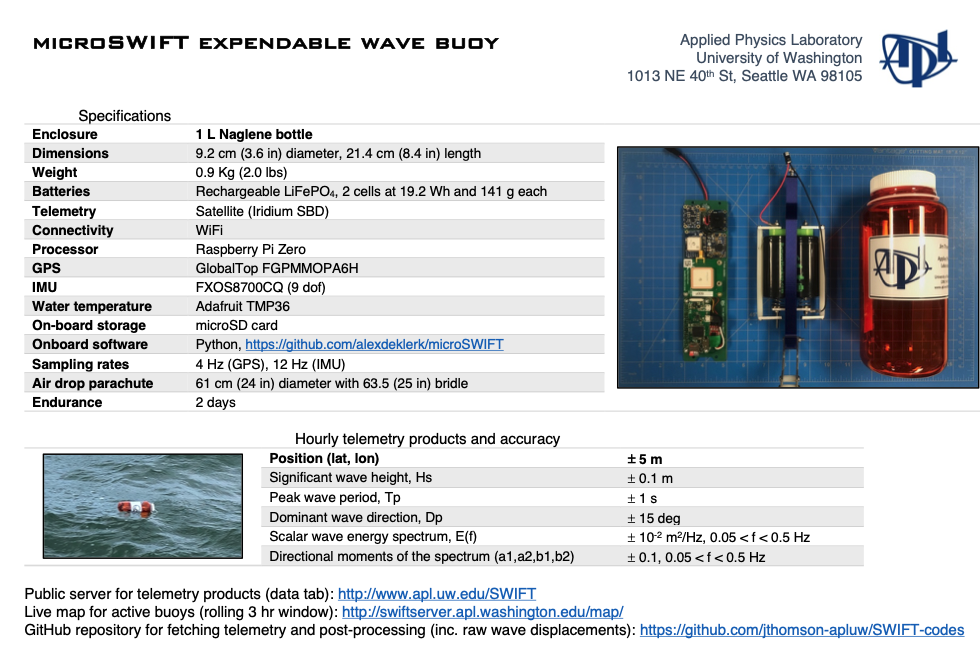
Record-setting robots recognized for endurance, capturing top wind speed It’s one — no, two! — for the record books. The 2024 edition of the Guinness World Records book recognizes NOAAoffsite link and industry partners with two world records: 1) wind speed recorded by an uncrewed surface vehicle; and 2) endurance inside a tropical cyclone. Find out […]
Read Full Article
Research Highlights April 1, 2026From sample to source: tracking pollution pathways in AOML’s Molecular and Environmental Microbiology LabFebruary 27, 2026New study shows the aftermath of a deadly coral disease on the coral reef microbiome February 25, 2026Applying omics techniques to examine microscopic life fueling Gulf region ecosystems Samantha (Sammy) Harding ‘Omics Laboratory Technician, Ocean Chemistry and [...]
Read Full Article
Michael Fischer, Assistant Scientist with the Cooperative Institute for Marine and Atmospheric Studies (CIMAS) at the University of Miami and at the Hurricane Research Division has been awarded the 2024 Editors’ Award from the American Meteorological Society for The Journal of the Atmospheric Sciences for multiple high-quality and very thorough reviews that have been helpful […]
Read Full Article
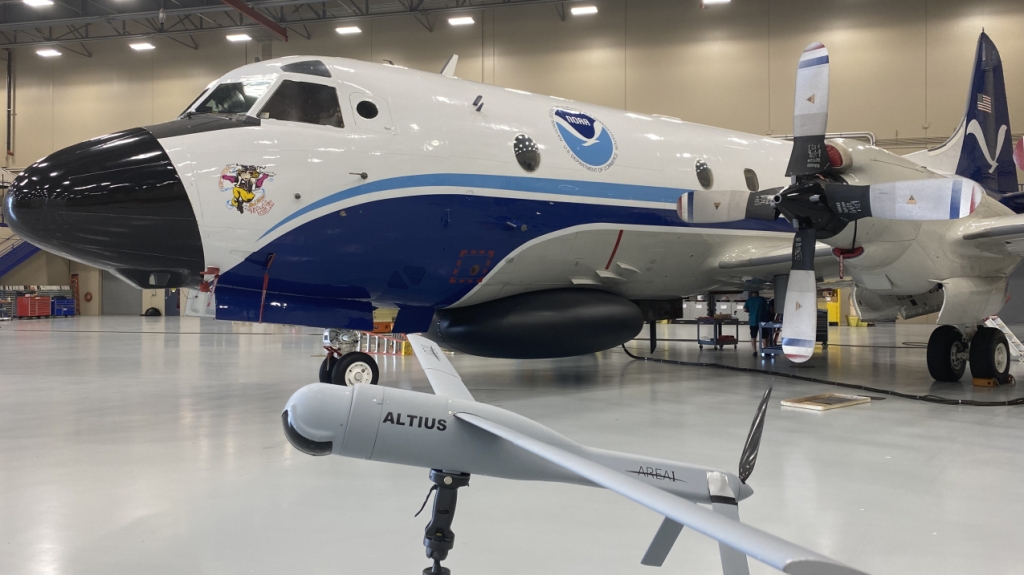
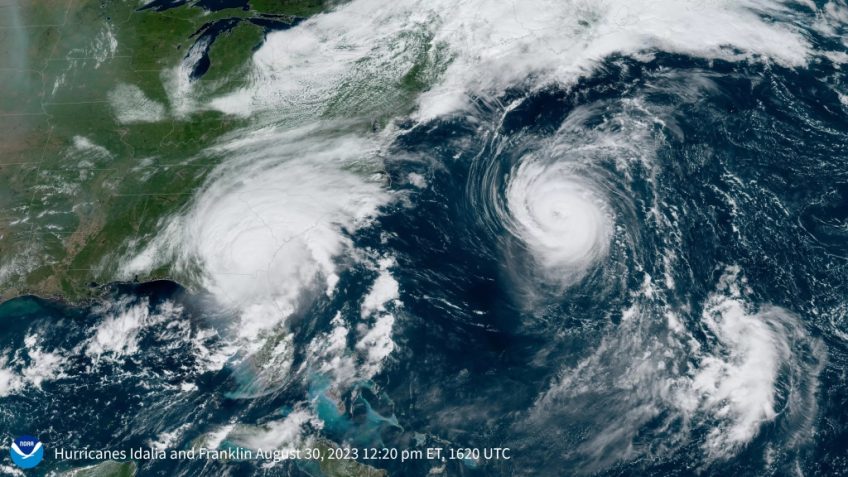
NOAA conducted 12 P-3 and 5 G-IV operational and research missions into Hurricanes Franklin and Idalia between 21 and 31 August. The NOAA P-3 conducted operational missions to “fix” (observe the location and intensity of) both systems and also Tail Doppler Radar missions to gather data to improve model initial conditions and forecasts. The NOAA […]
Read Full Article
Rainfall produced by landfalling tropical cyclones (TCs) in HAFS and HWRF-B hurricane models is evaluated by verifying precipitation characteristics, including the shape and size of the rainfall area. Results show that both models produce reasonable rainfall forecasts, but both also tend to forecast storms that are too intense due to precipitation being too close to […]
Read Full Article