Author: AOML Communications

Coral Reef Carbonate Chemistry Reveals Interannual, Seasonal, and Spatial Impacts on Ocean Acidification Off Florida

A. M. Palacio-Castro, I. C. Enochs, et al.

Ocean acidification (OA) threatens coral reef persistence by decreasing calcification and accelerating the dissolution of reef frameworks. The carbonate chemistry of coastal areas where many reefs exist is strongly influenced by the metabolic activity of the underlying benthic community, contributing to high spatiotemporal variability. While characterizing this variability is difficult, it has important implications for the progression of OA and the persistence of the ecosystems. Here, we characterized the carbonate chemistry at 38 permanent stations located along 10 inshore-offshore transects spanning 250 km of the Florida Coral Reef (FCR), which encompass four major biogeographic regions (Biscayne Bay, Upper Keys, Middle Keys, and Lower Keys) and four shelf zones (inshore, mid-channel, offshore, and oceanic). Data have been collected since 2010, with approximately bi-monthly periodicity starting in 2015…
Download the full paper

Read Full Article

Innovative Flight Patterns Boost Hurricane Forecast Accuracy, NOAA Study Finds

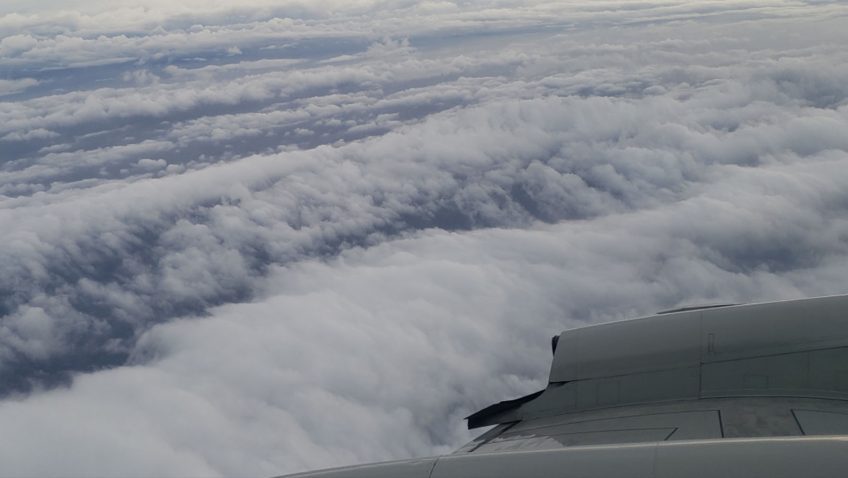
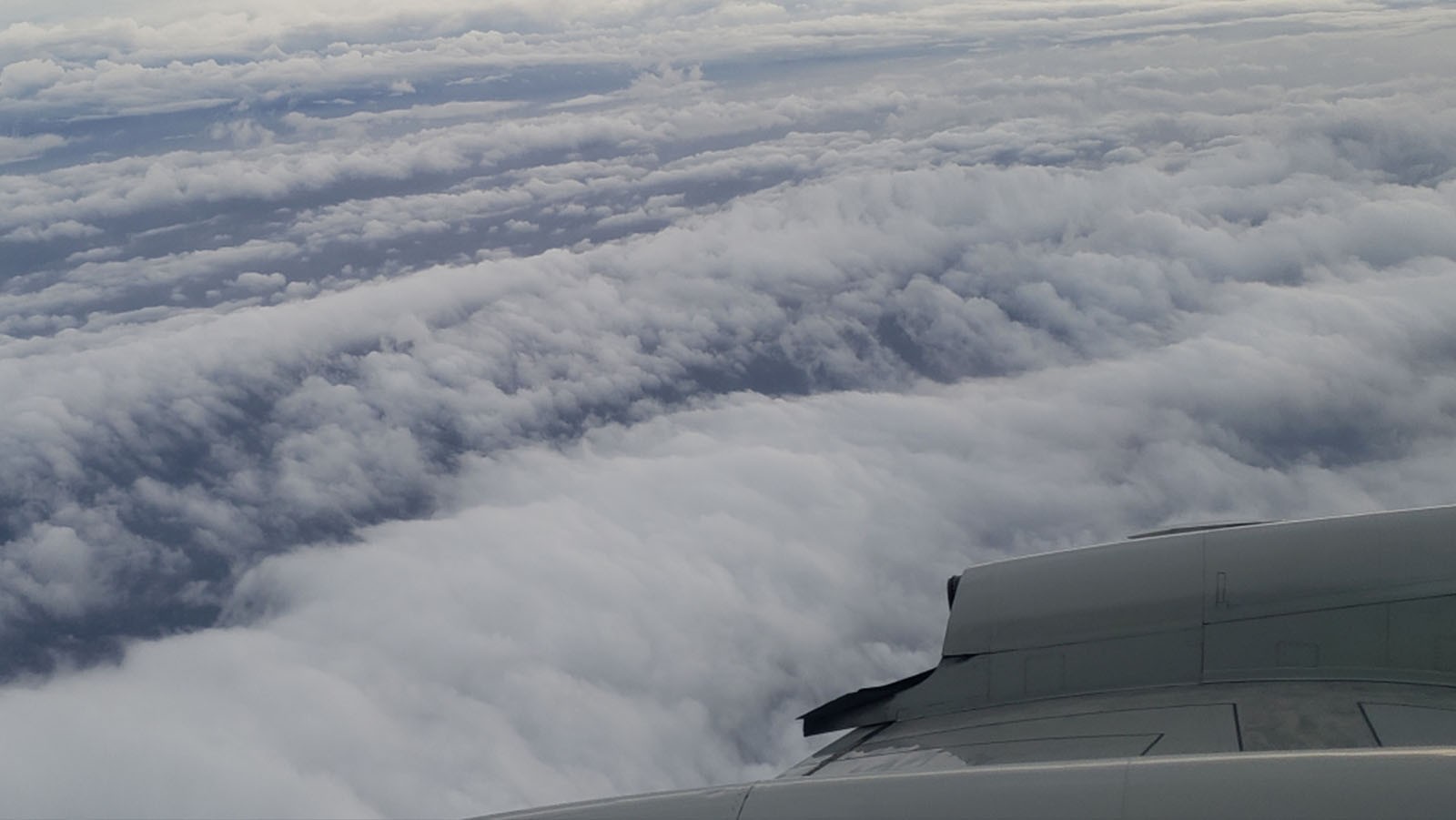
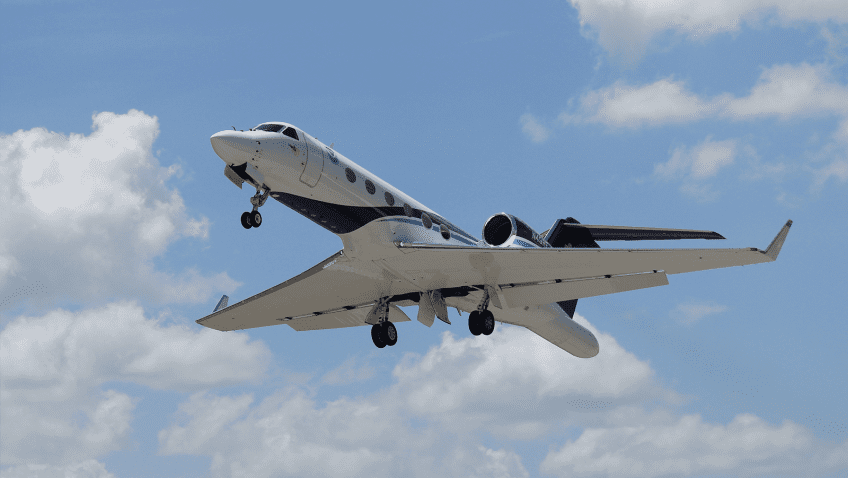
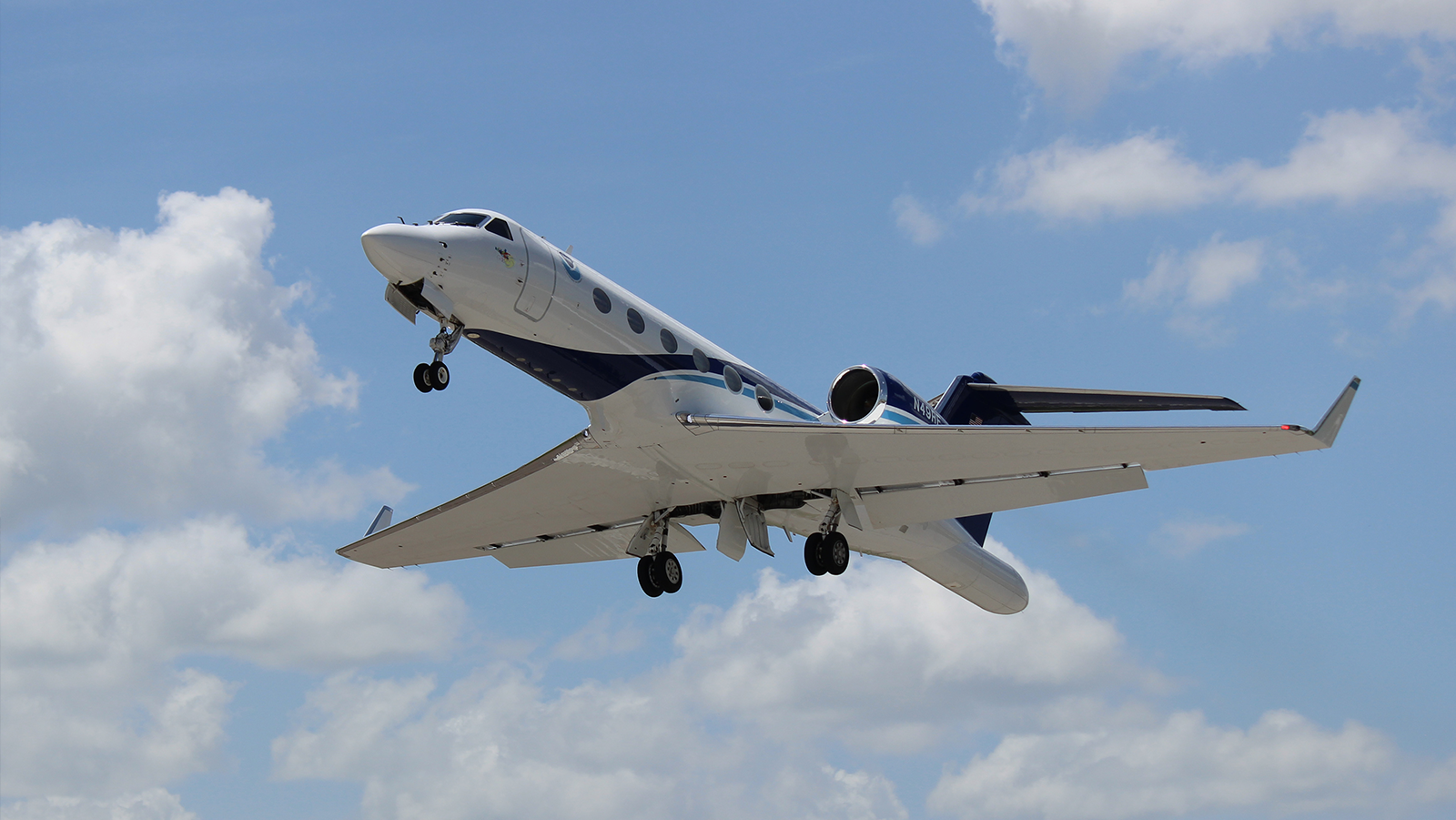
In a groundbreaking new study, National Oceanic and Atmospheric Administration (NOAA) scientists unveiled a significant advancement in hurricane tracking and forecasting. The study, named “The G-IV Inner Circumnavigation: A Story of Successful Organic Interactions Between Research and Operations at NOAA,” discusses how scientists across NOAA are improving hurricane forecasts through the effective use of NOAA […]

Read Full Article

Celebrating Women’s History Month

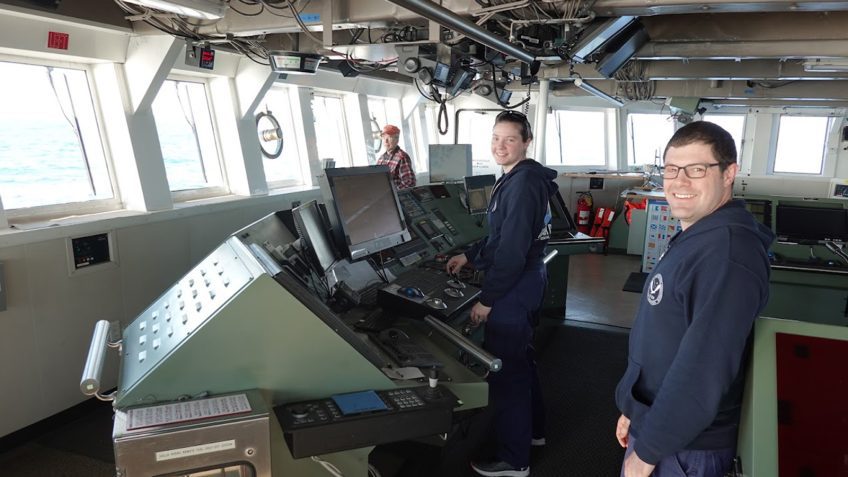
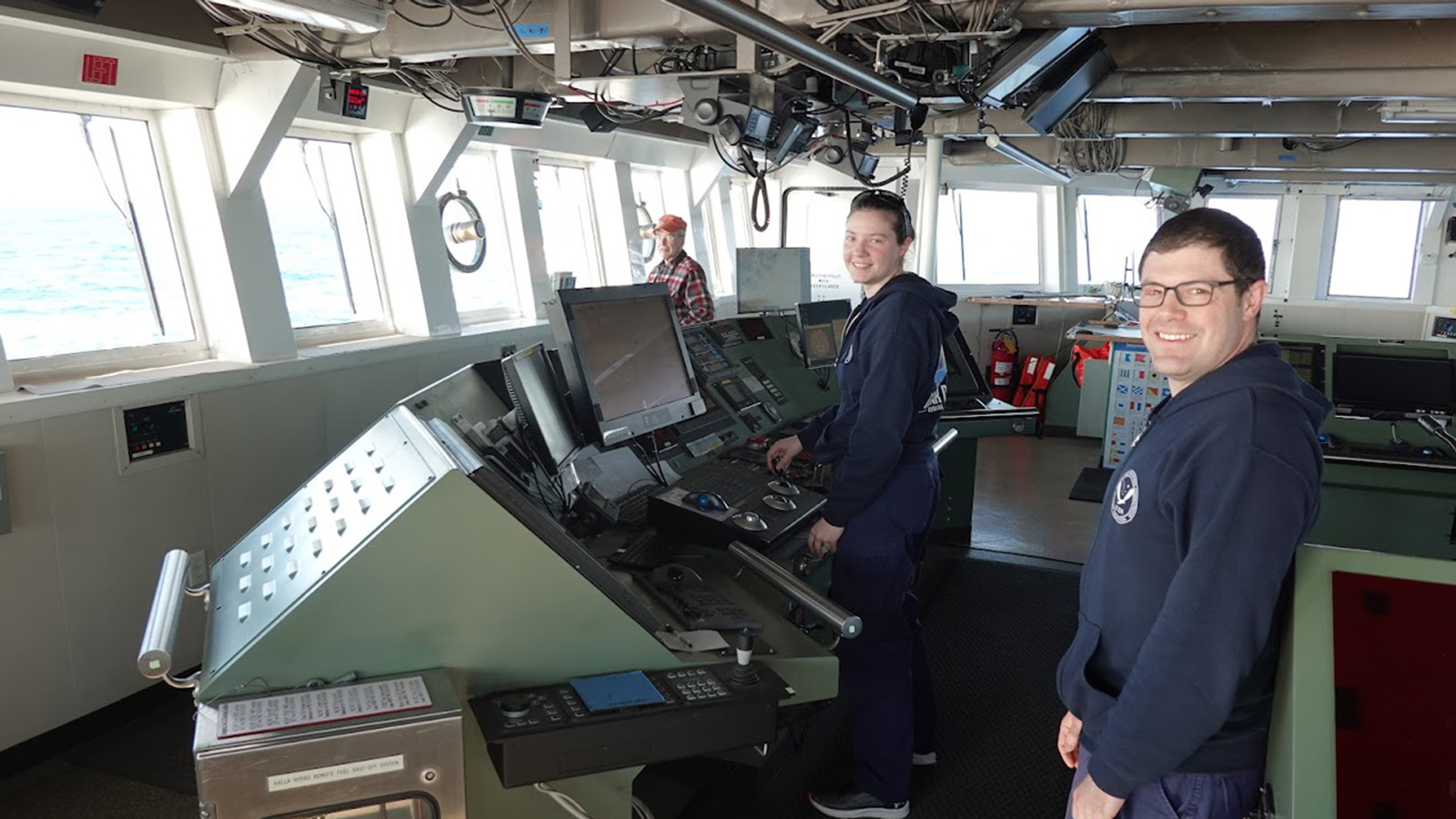
Meet NOAA Corps Officer,  LTJG Anna Gaskill In honor of Women’s History Month, NOAA’s Atlantic Oceanographic and Meteorological Laboratory (AOML) spoke with our NOAA Corps Officer, LTJG Anna Gaskill, about her career at NOAA and her advice for women considering opportunities with the NOAA Corps. Anna currently serves as the AOML Operations Manager, primarily coordinating […]

Read Full Article

Celebrating Black History Month:  Meet Oceanographer Kayelyn Simmons

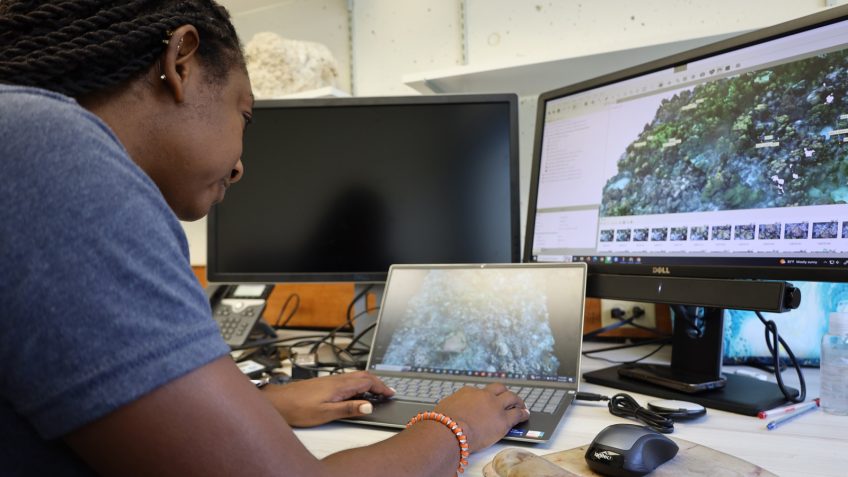
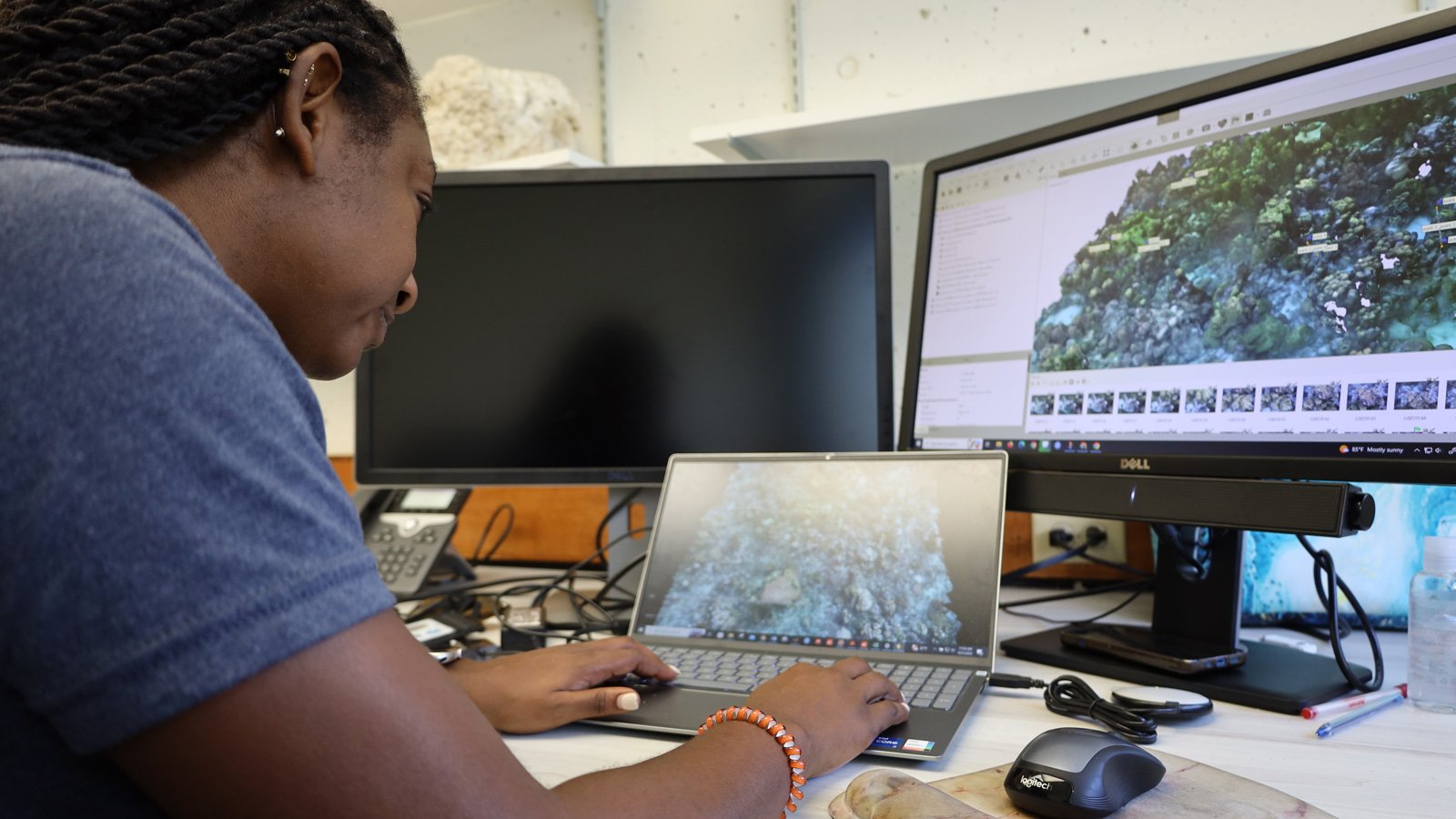
In honor of Black History Month, NOAA’s Atlantic Oceanographic and Meteorological Laboratory (AOML) spoke with Oceanographer Kayelyn Simmons, PhD, about her role at AOML and what Black History Month means to her. Kayelyn is a federal oceanographer at AOML, leading benthic habitat characterization studies using 3D mapping with the Ocean Chemistry and Ecosystems Division. Her […]

Read Full Article

From Mississippi to Australia: 3 Research Cruises Depart to Improve Understanding of the Atlantic and Southern Ocean

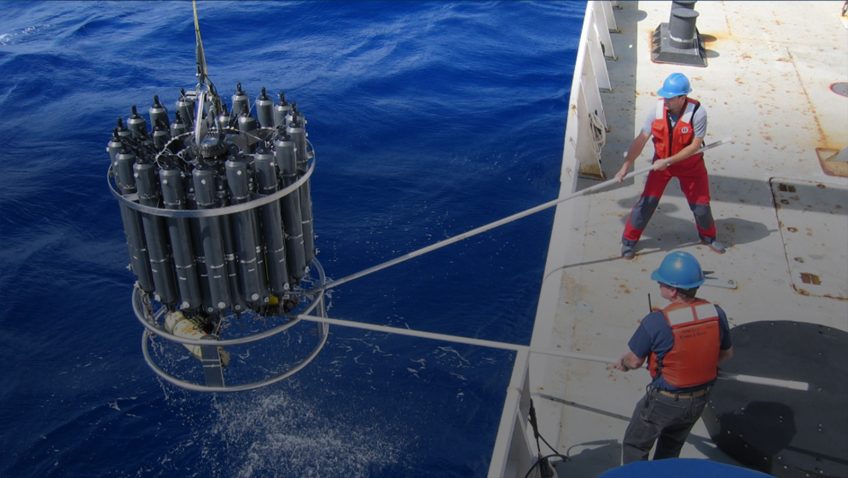
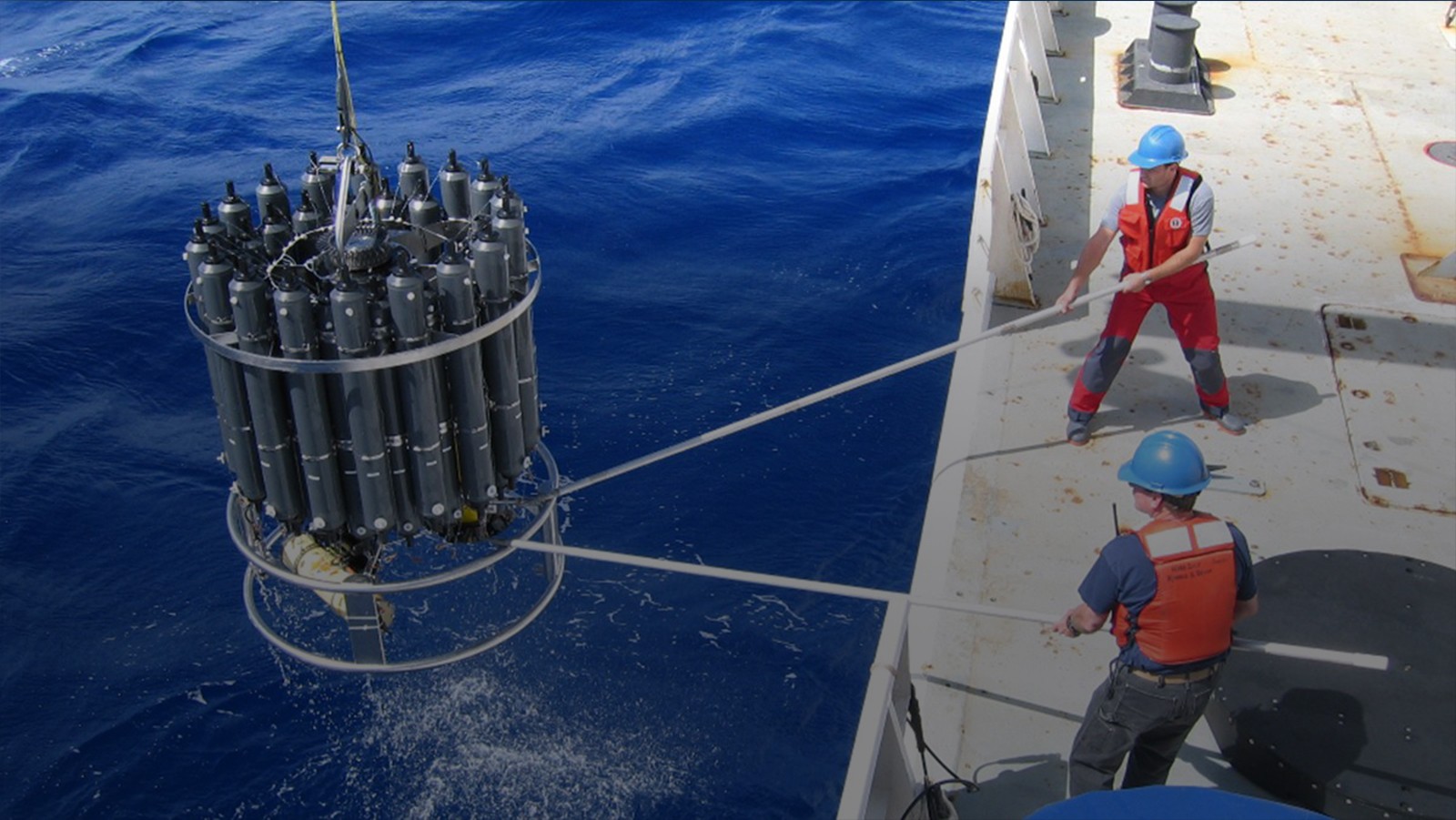
Scientists at NOAA’s Atlantic Oceanographic and Meteorological Laboratory (AOML) are gearing up for a busy season at sea with three research cruises departing in the month of February. The A13.5 Global Ocean Ship-based Hydrographic Investigations Program (GO-SHIP) cruise, the I08S GO-SHIP cruise, and the Prediction and Research Moored Array in the Tropical Atlantic (PIRATA) Northeast Extension cruise will all depart in February to collect samples from the surface to the depths of the ocean and improve our understanding of ocean circulation, carbon uptake, biological conditions, and climate variability. 

Read Full Article

New Mapping Method Uses Sustained Observations to Estimate AMOC at 22.5°S

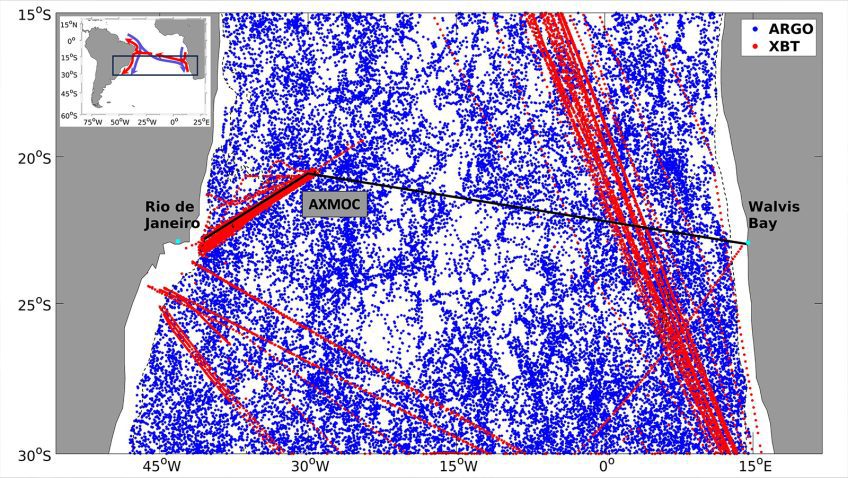
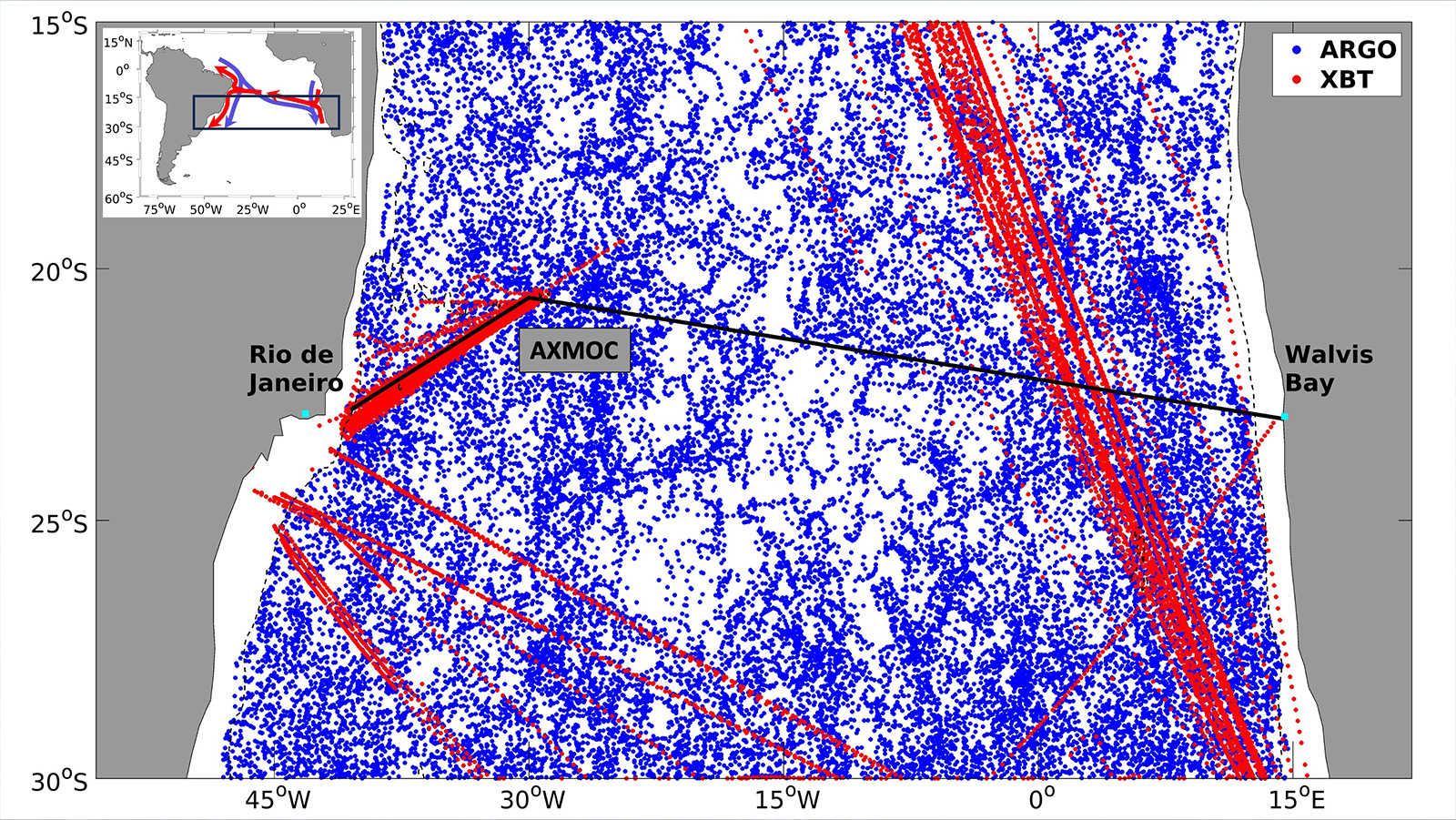
Changes in the Atlantic Meridional Overturning Circulation (AMOC) and its transport of heat can affect climate and weather patterns, regional sea levels, and ecosystems. A new study led by Ivenis Pita, a University of Miami PhD student working at NOAA’s Atlantic Oceanographic and Meteorological Laboratory/ the Cooperative Institute of Marine and Atmospheric Studies (CIMAS), is the first to estimate the AMOC and heat transport at 22.5°S in the South Atlantic, demonstrating the importance of sustained in situ observations to monitor the state of the AMOC. 

Read Full Article

A Collaborative Effort Investigates the Biological Carbon Pump, Deploying Sediment Traps Hundreds of Meters Below

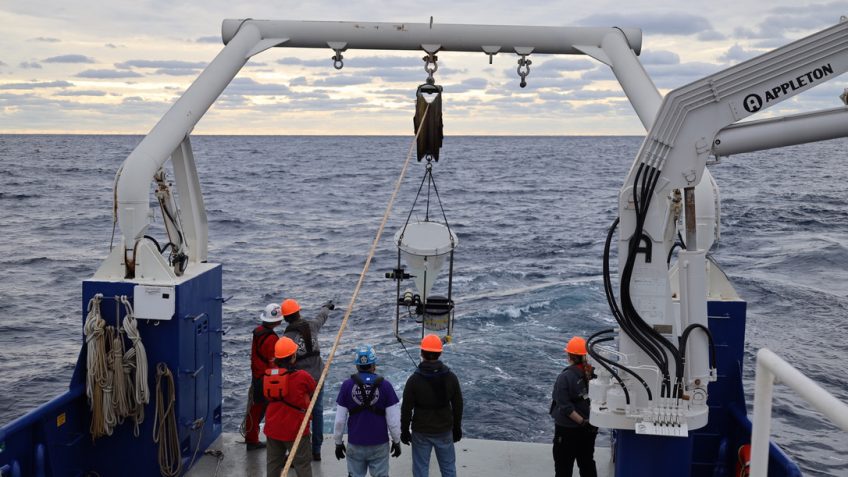
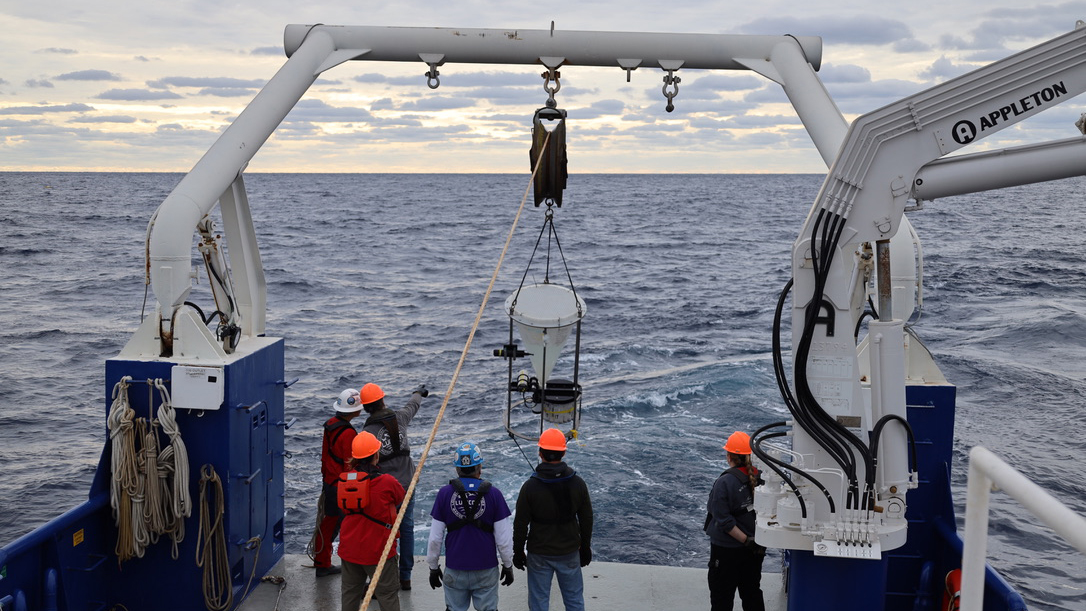
A team of scientists from AOML, the U.S. Geological Survey (USGS), and the University of South Carolina retrieve a sediment trap from the Gulf of America, spending months processing and examining the flurry of microscopic shells and environmental DNA (eDNA) of biological debris collected by the trap, known as “marine snow.” This collaborative NOAA–USGS research project uses these sediment trap samples to investigate the biological carbon pump, the ocean’s role in removing atmospheric carbon, and climate change patterns.

Read Full Article