Author: AOML Communications

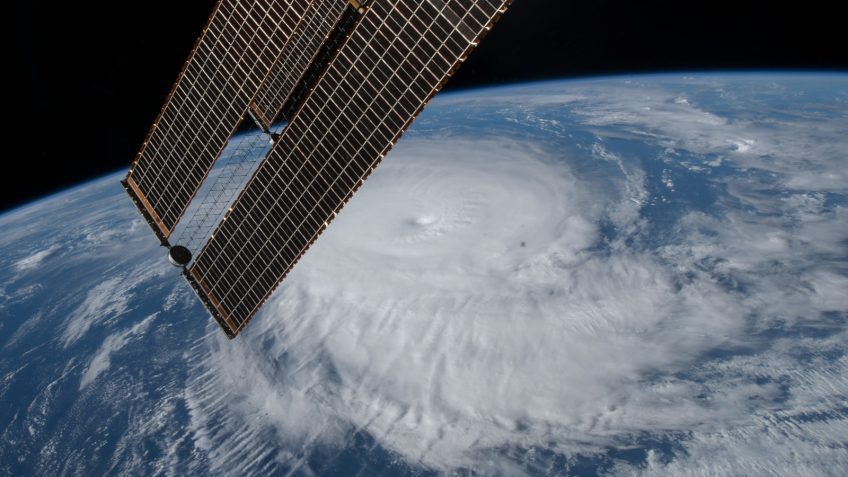
Unveiling the innovative advancements in hurricane modeling

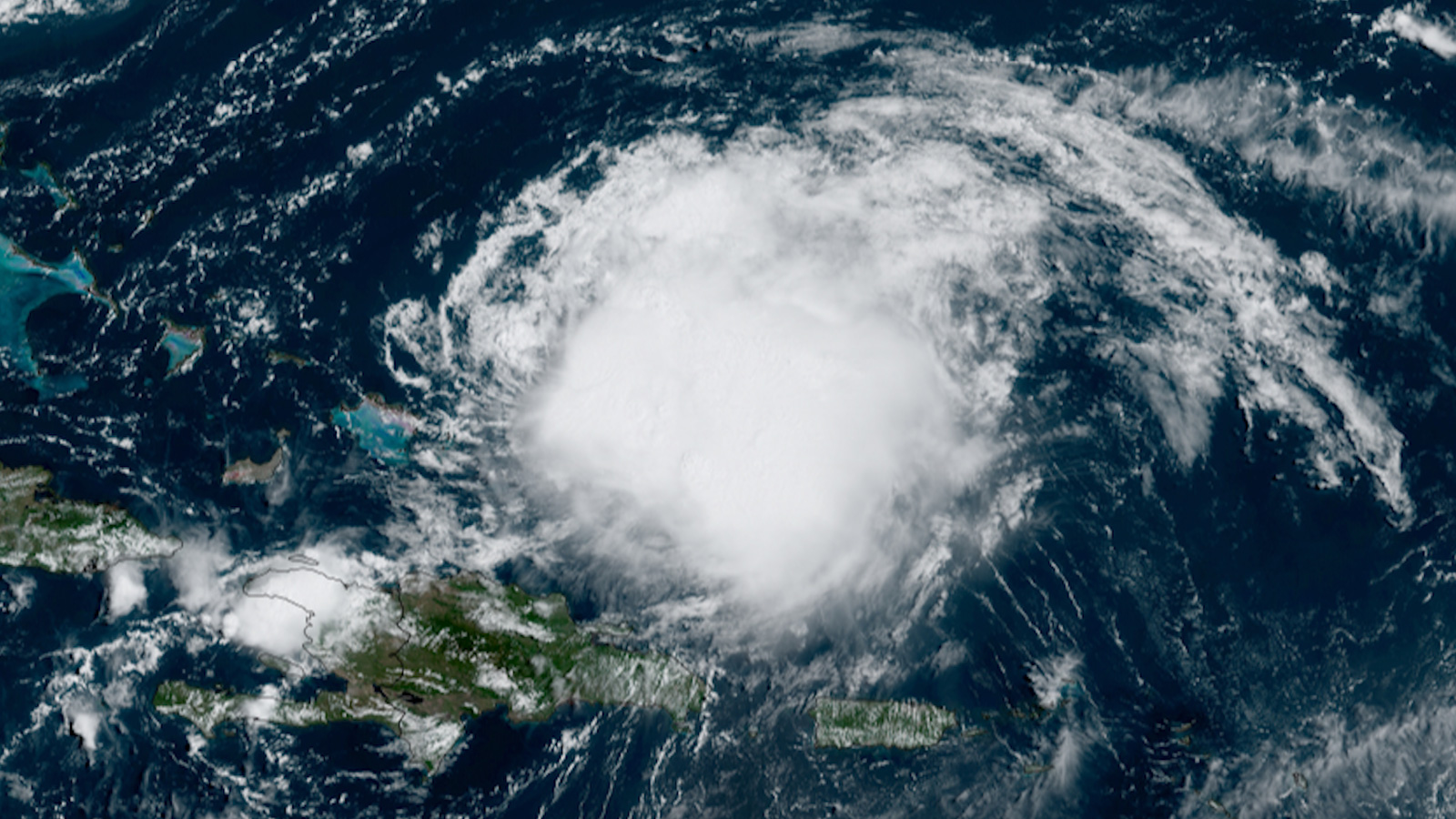
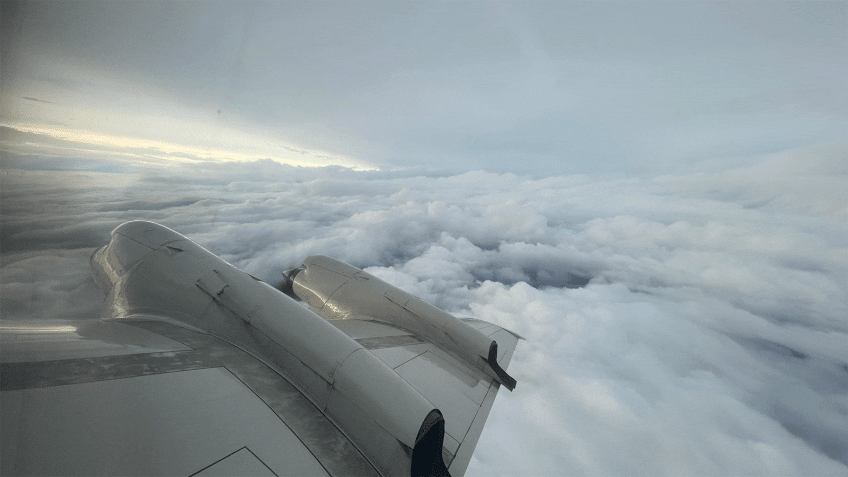
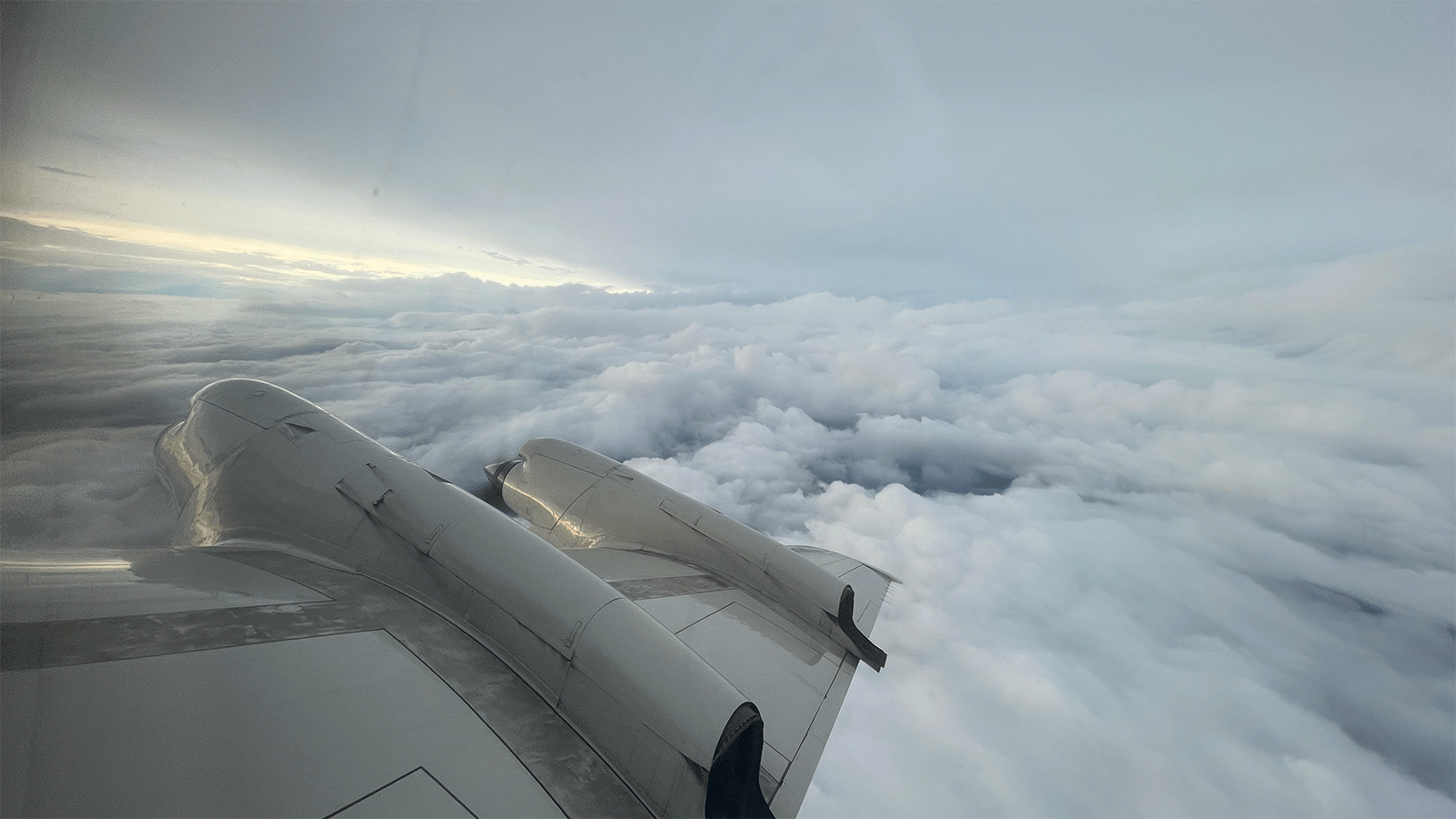
With an active hurricane season on the horizon, the need for reliable hurricane forecasting is at the forefront of our minds. Heightened sea surface temperatures, weakened vertical wind shear, and an enhanced West African monsoon are expected to contribute to the development of tropical cyclones in the Atlantic. To predict these developing storms, meteorologists employ models that rely on current observations and mathematical calculations to predict a storm’s behavior and track. These models are complex and utilize inputs from a variety of sources including historic, numeric, oceanic, and atmospheric data to generate their predictions. 

Read Full Article

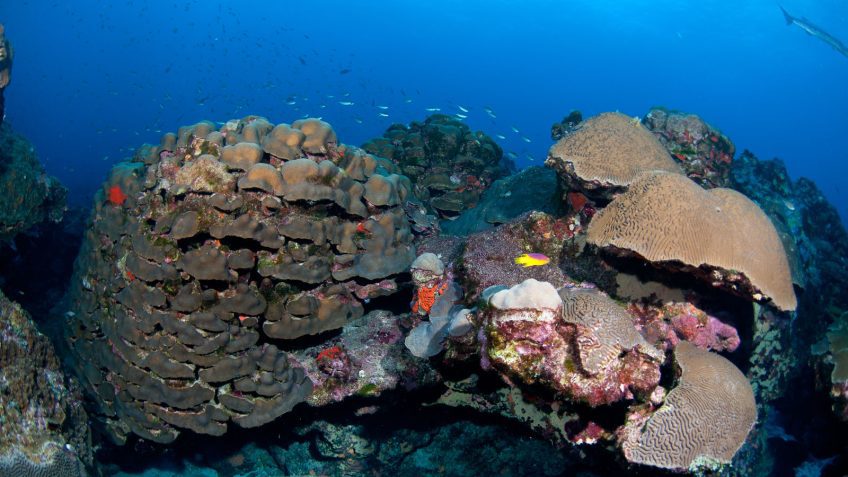
Investigating the impacts of climate change on reef-building corals using robotic arms 

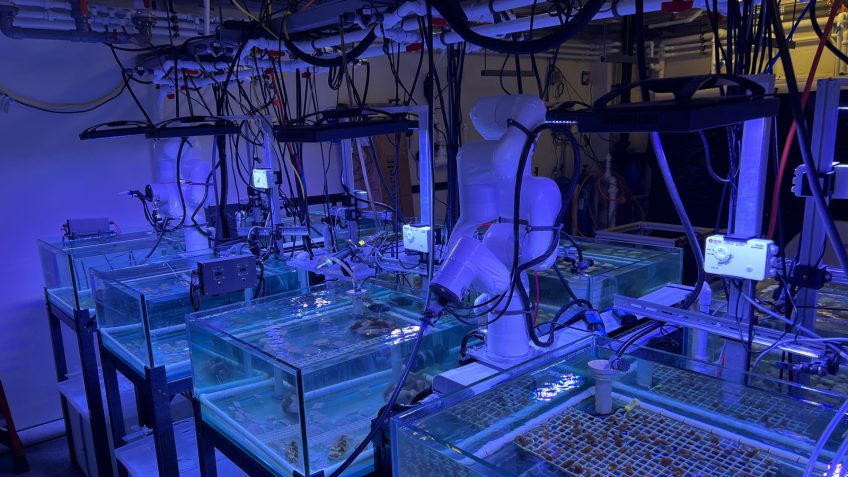
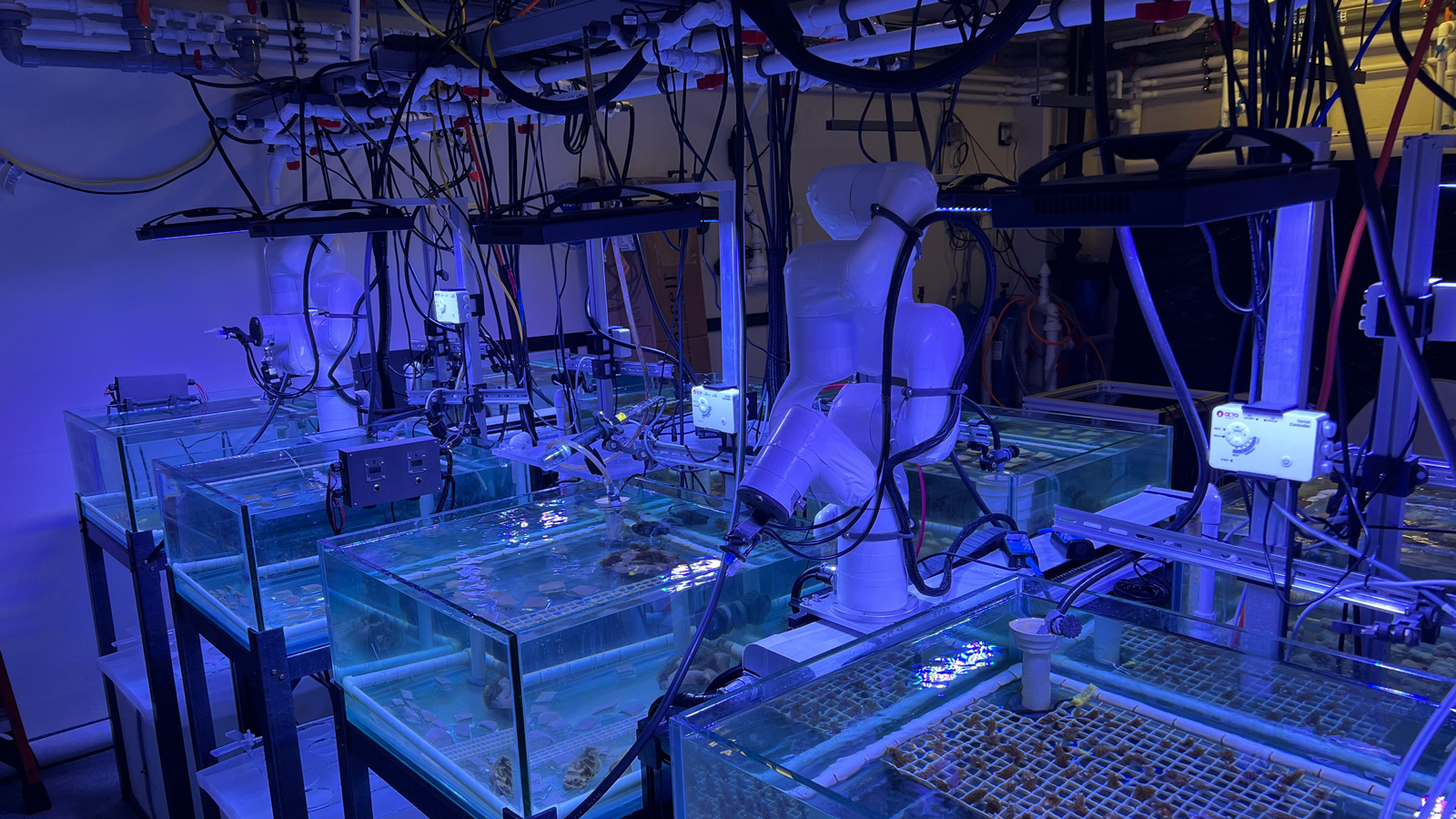
Blue lights fill the room. The faint smell of salt emanates throughout the space as wires and tubes intricately suspended over robotic arms move along custom-built tracks over four rows of tanks filled with seawater – and fragments of critically-endangered corals. In the Experimental Reef Lab, scientists at NOAA’s Atlantic Oceanographic and Meteorological Laboratory (AOML) and the Cooperative Institute for Marine and Atmospheric Studies (CIMAS) are investigating how crucial reef-building coral species are affected by the impacts of climate change using a suite of open-source robotic arms designed and built at AOML.

Read Full Article

Crossing the Equator and Navigating Icebergs: The A13.5 GO-SHIP Returns After 52 Days At Sea 

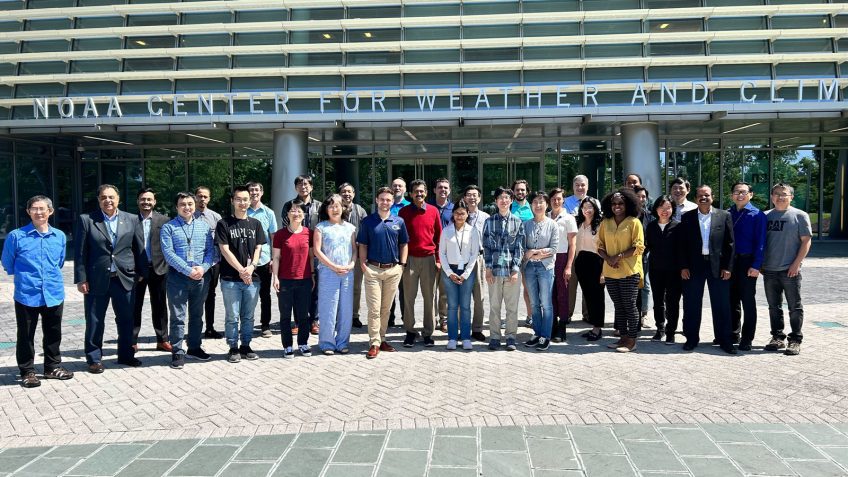
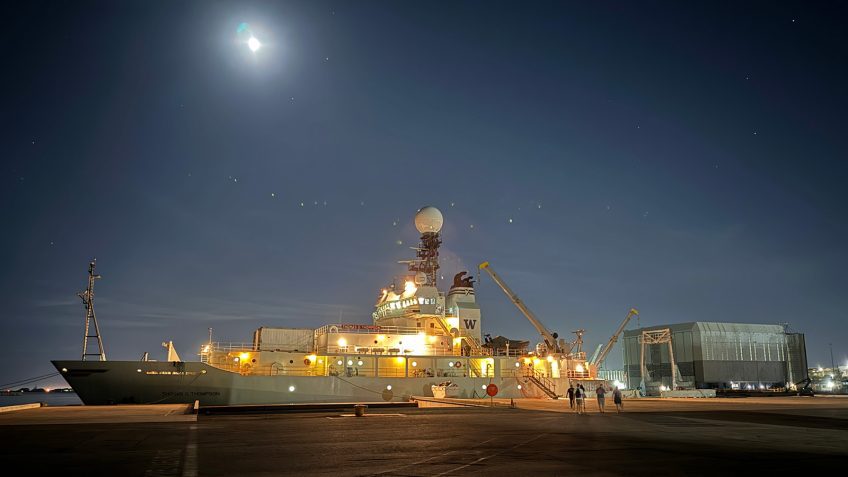
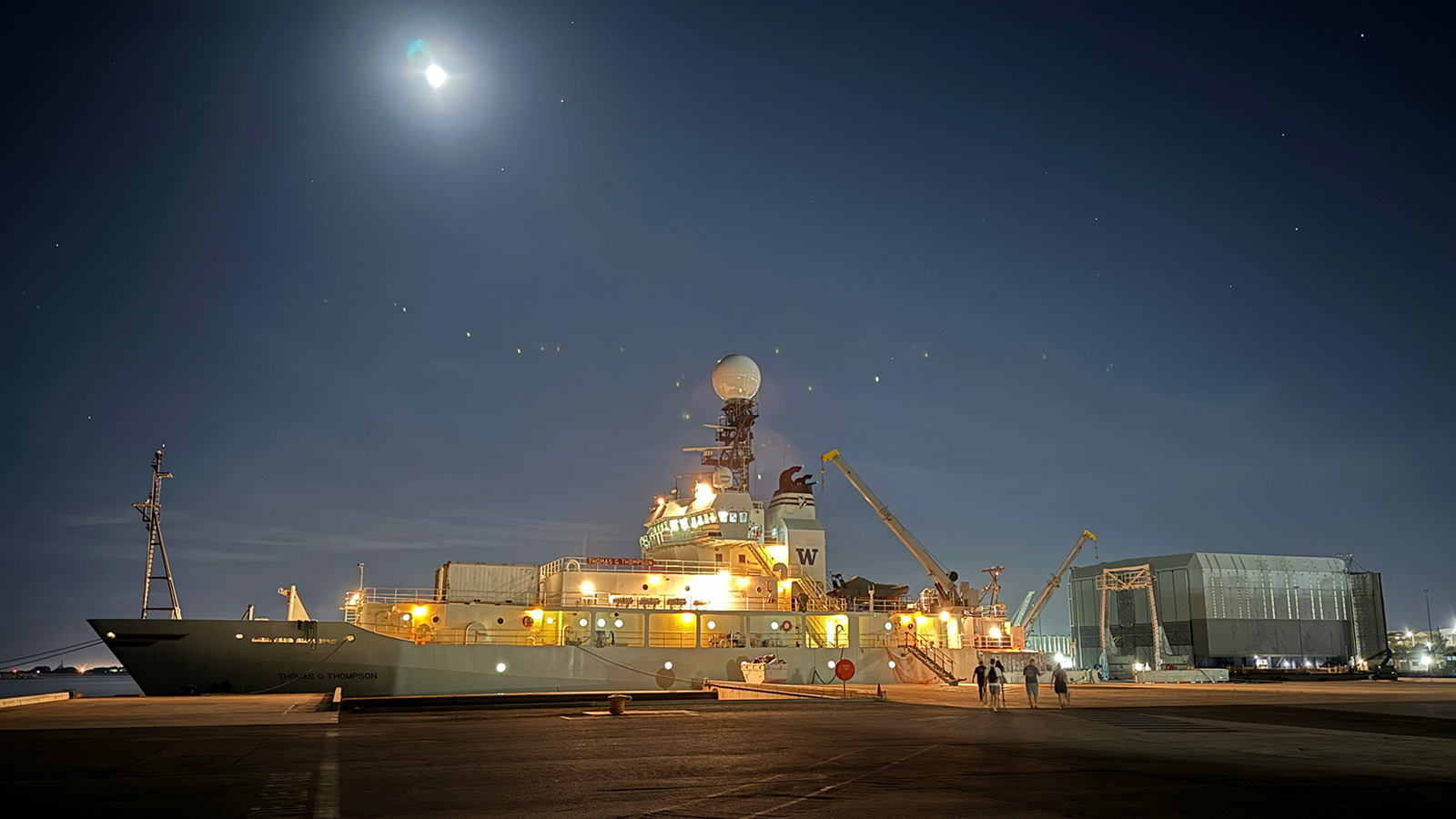
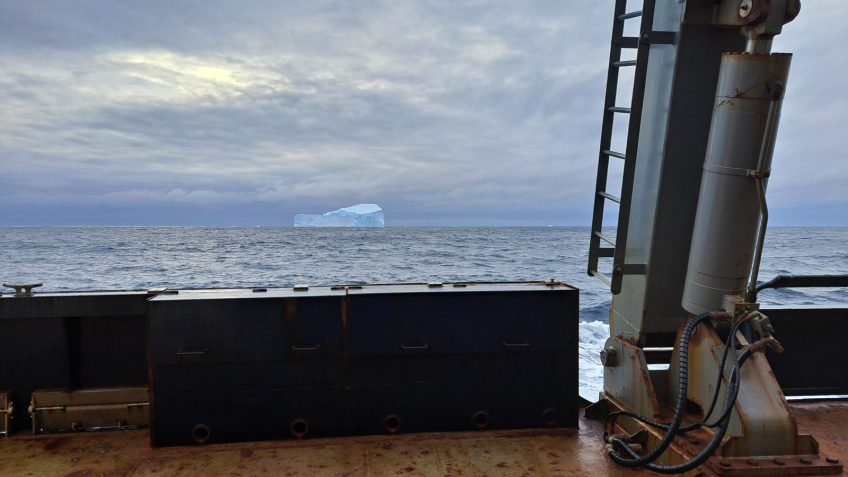
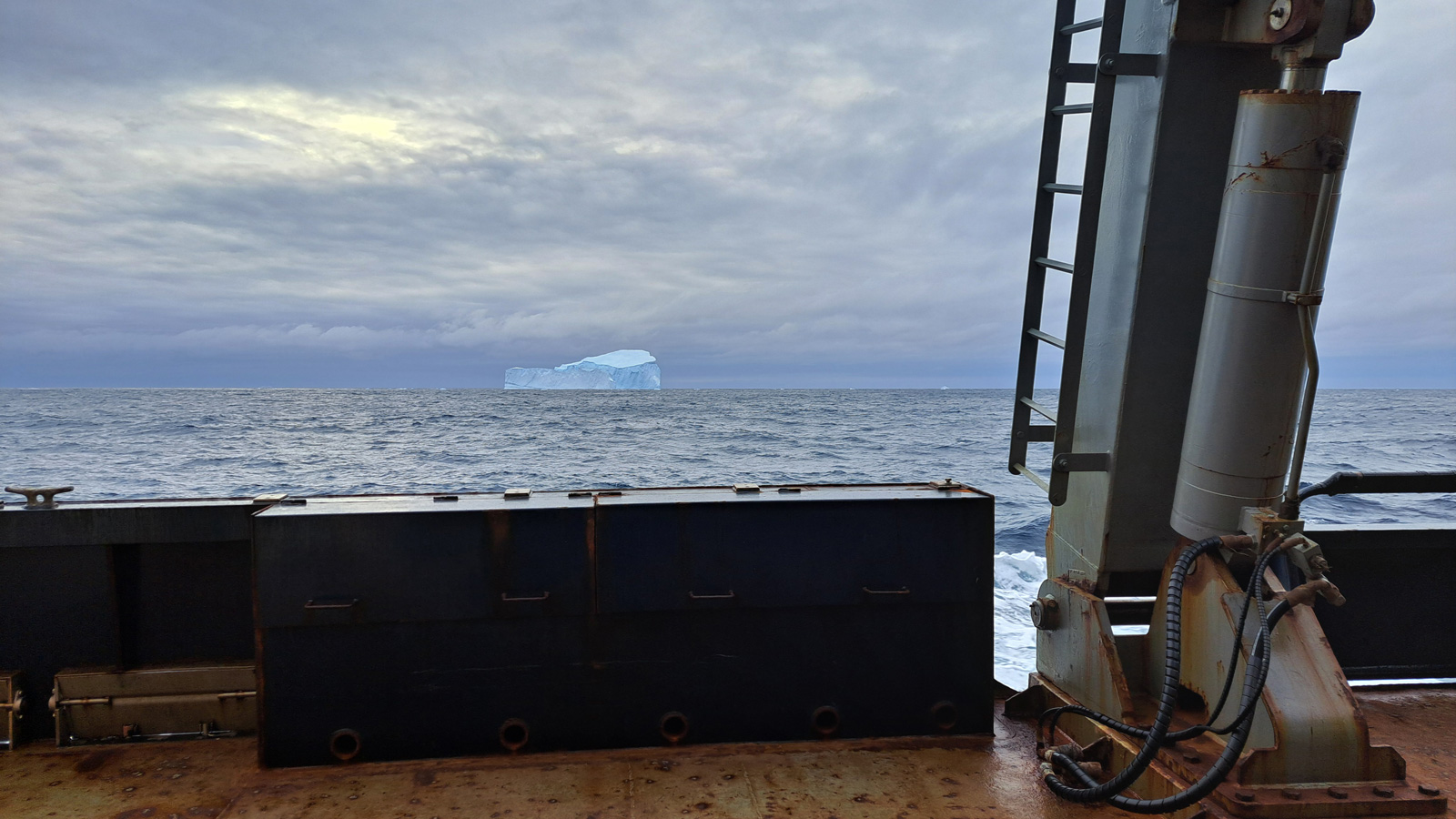
Wind, waves, and icebergs pierced through morning fog – the A13.5 GO-SHIP cruise proved both tumultuous and rewarding with vast amounts of new data that bring the promise of groundbreaking future research. After 52 days at sea, the A13.5 GO-SHIP cruise (short for “Global Ocean Ship-based Hydrographical Investigations Program”) returned to Cape Town, South Africa […]

Read Full Article

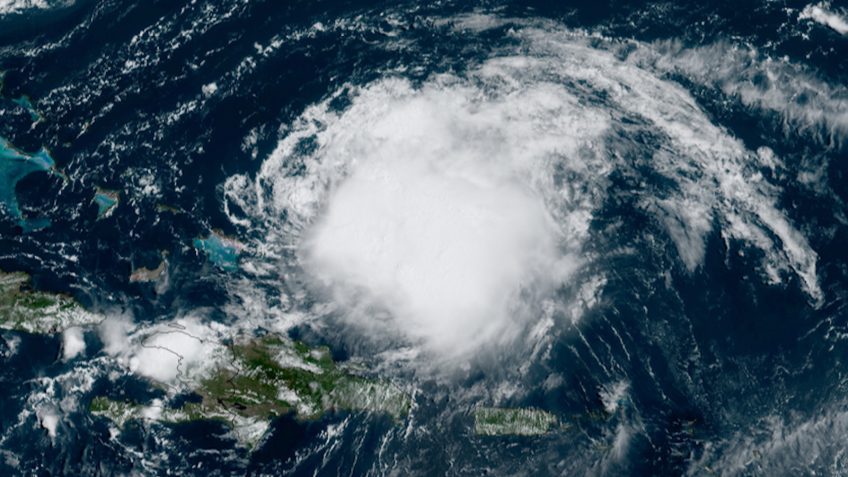
The Atlantic Meridional Overturning Circulation is weakening in the deep sea of the North Atlantic Ocean, study finds

Just in! A new study, which analyzed mooring observations and hydrographic data, found the Atlantic Meridional Overturning Circulation (AMOC) abyssal limb in the North Atlantic has weakened over the past two decades contributing to sea level rise in the region. 

Read Full Article

Coral Reef Carbonate Chemistry Reveals Interannual, Seasonal, and Spatial Impacts on Ocean Acidification Off Florida

A. M. Palacio-Castro, I. C. Enochs, et al.

Ocean acidification (OA) threatens coral reef persistence by decreasing calcification and accelerating the dissolution of reef frameworks. The carbonate chemistry of coastal areas where many reefs exist is strongly influenced by the metabolic activity of the underlying benthic community, contributing to high spatiotemporal variability. While characterizing this variability is difficult, it has important implications for the progression of OA and the persistence of the ecosystems. Here, we characterized the carbonate chemistry at 38 permanent stations located along 10 inshore-offshore transects spanning 250 km of the Florida Coral Reef (FCR), which encompass four major biogeographic regions (Biscayne Bay, Upper Keys, Middle Keys, and Lower Keys) and four shelf zones (inshore, mid-channel, offshore, and oceanic). Data have been collected since 2010, with approximately bi-monthly periodicity starting in 2015…

Download the full paper

Read Full Article