Category: Uncategorized

HRD Debrief for missions into Hurricane Franklin – 15 August 2017

HRD researchers discussed the results from the two P-3 and one Global Hawk mission into Hurricane Franklin (8-9 August 2017). The agenda for the discussion was: Mission Overview (Reasor) Science Discussions 20170808H1 (Zawislak) 20170809H1 (Rogers) EMC input (Sippel) Additional field program issues Slides from the debrief are available at: ftp://ftp.aoml.noaa.gov/pub/hrd/blog/meetings/2017/HFP/franklin17_debrief_main.pptx  

Read Full Article

HRD Data User’s Survey invites feedback

If you use HRD’s data, NOAA/AOML’s Hurricane Research Division (HRD) invites feedback on your experiences obtaining and using data sets provided by HRD (a list of available products can be found at http://www.aoml.noaa.gov/hrd/data_sub/products.html).  We value your time in filling out this important survey, as it will provide critical guidance for HRD scientists as we seek […]

Read Full Article

HRD Monthly Science Meeting of August 2017

August’s science meeting consisted of 5 presentations: Jason Sippel: “Examining impact of recon in operational HWRF” Steve Diaz: “Demonstration of solver-independent regridding operation for a moving hurricane nest” Joe Cione: “Infrared Sea Surface Temperature Measurements from Hurricane Edouard (2014) using GPS dropsondes” John Kaplan: “Hurricane Franklin (2017): A Preliminary Look from a Global Hawk-P3 Perspective” […]

Read Full Article

Second P3 flight into Franklin

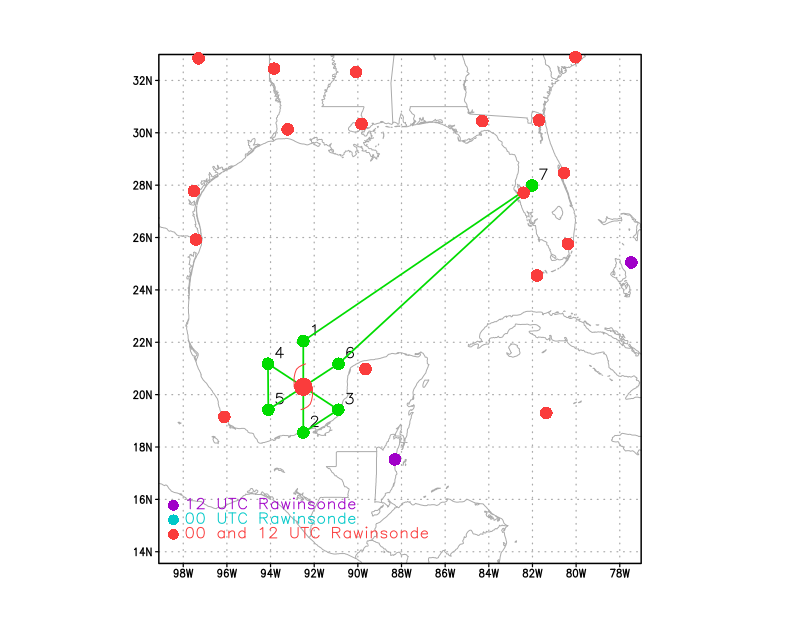
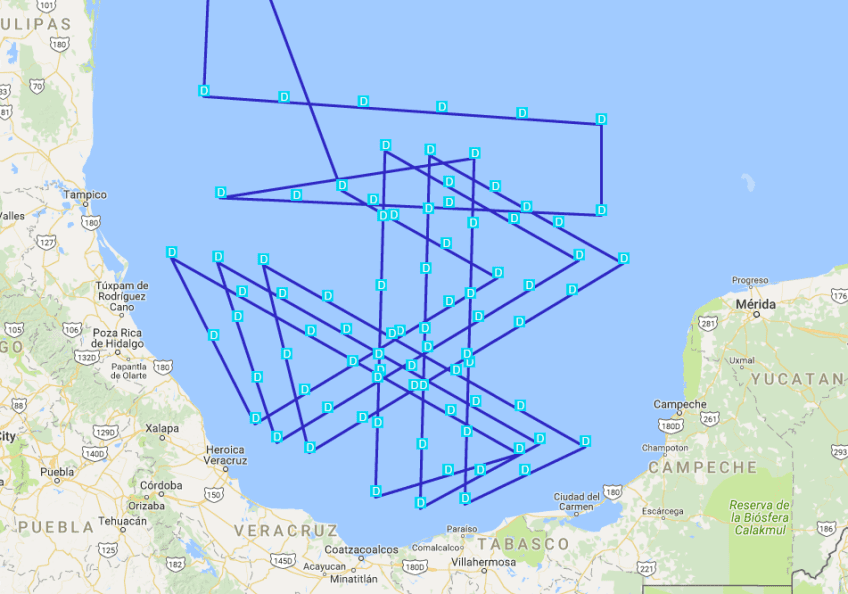
The flight and science crew are up early and ready for their second flight into Franklin. NOAA P3 Hurricane hunter aircraft will take off at 4AM Eastern (0800 UTC) from Lakeland Linder Regional Airport, Lakeland, FL for a seven-hour mission. The data from this flight will go into the weather forecast models. Below is the proposed […]

Read Full Article

Paper on accounting for the location of dropwindsondes during measurements published in the Journal of Atmospheric and Oceanic Technology

Summary: Hurricane Hunter aircraft have been releasing instruments called dropwindsondes to measure pressure, temperature, moisture, and wind speed and direction in hurricanes for two decades. Data from dropwindsondes released near the storms have led to better forecasts of where they will go, but improvements to forecasts of how strong they will get have lagged. Part […]

Read Full Article