Paper on the intensification of Hurricane Earl (2010) in the HWRF model published in the Quarterly Journal of the Royal Meteorological Society
You can access the paper at http://onlinelibrary.wiley.com/doi/10.1002/qj.2922/full.
You can access the paper at http://onlinelibrary.wiley.com/doi/10.1002/qj.2922/full.

The full text can be found at http://link.springer.com/article/10.1007/s00703-016-0452-2.

HRD Deputy Director Howie Friedman has been awarded the first-ever Order of Sherman’s Lagoon Award in honor of his exemplary service to NOAA’s mission. The award recognizes Howie’s long-term efforts to promote equal employment opportunity, diversity, and educational and outreach activities at AOML. Howie was also recognized for his 55 years of dedicated federal service. The award […]
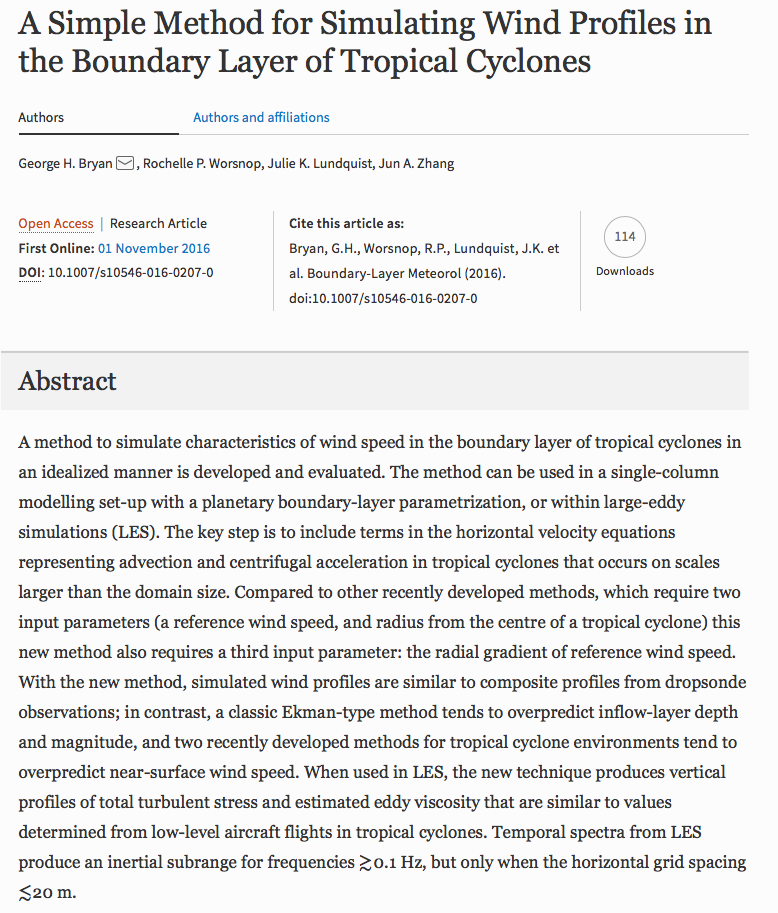
You can read the article here
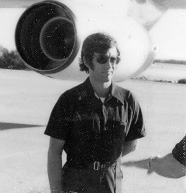
In the January 1972 issue of the Journal of Atmospheric Science, Robert W. Burpee (future director of HRD) published a paper explaining the mechanism by which African Easterly Waves (AEW) formed. Using five years of upper-air data from above Africa, he demonstrated that airflow over the Ethiopian highlands created instabilities in the wind stream that […]

In 2017 we will be observing the following tropical cyclone-related anniversaries: 2012 5th anniversary Hurricane Sandy brings great destruction to the Caribbean, Bahamas, and northeastern US. It causes $75 billion in damage, making it the second costliest Atlantic storm on record. Hurricane Ernesto is responsible for 12 deaths and about $252 million in damage in Mexico. Typhoon […]

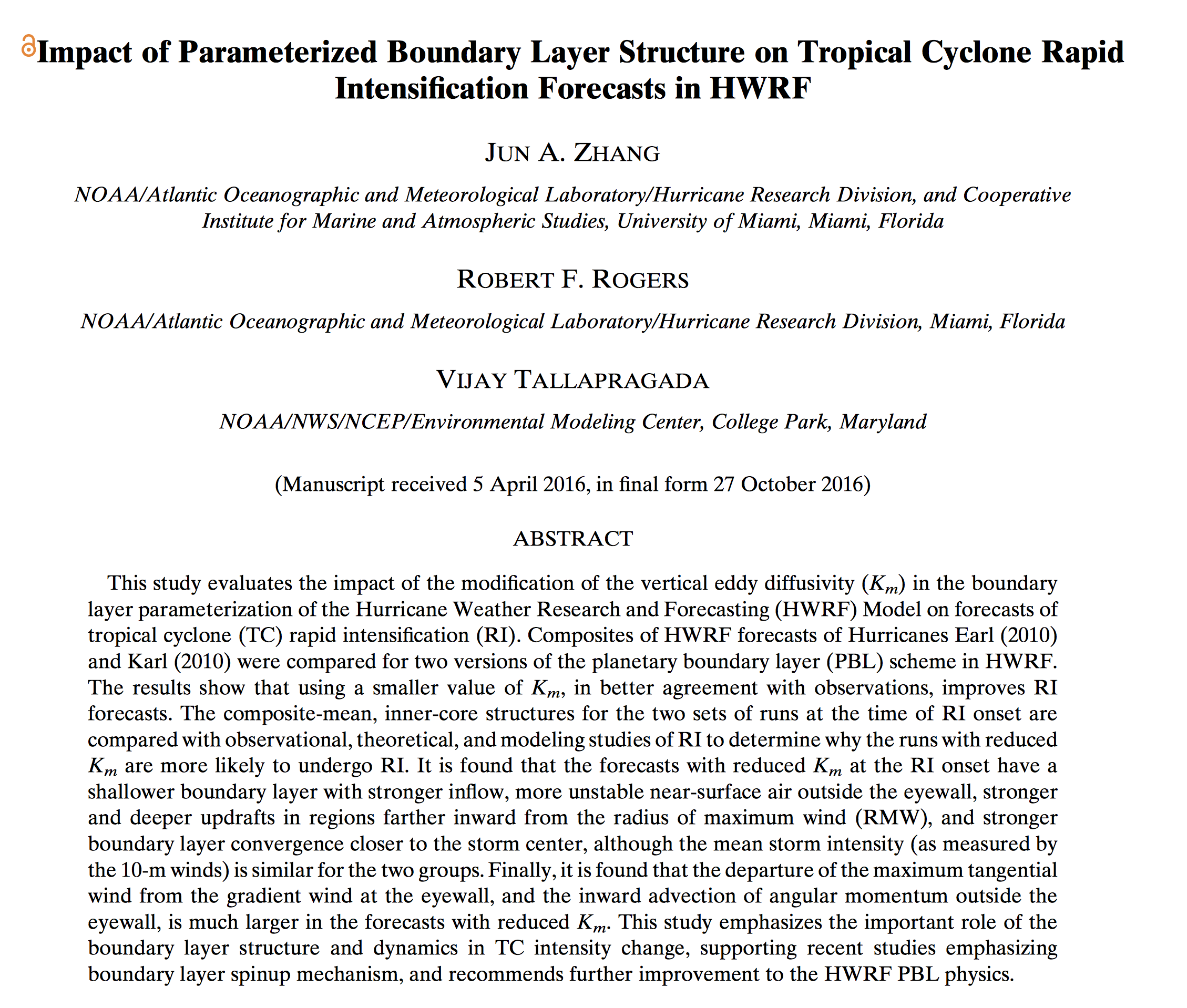
Summary: Forecasters and researchers use the Hurricane Weather Research and Forecasting (HWRF) model to forecast where a hurricane will go, how strong it will be, how large it will be, and where the strongest winds are. This paper looks at how winds close to the surface in hurricanes are transferred upward and how changes […]


At a recent awards ceremony, HRD Director Frank Marks and AOML Deputy Director Molly Beringer presented recognitions to several employees whose service went above-and-beyond during the past year. Bachir Annane was recognized for comprehensive and timely analyses using the OSSE framework to evaluate the impact of the CYGNSS scatterometer data set on tropical cyclone forecasts. Jun […]


Summary: HWRF is NOAA’s primary model for tropical cyclone (tropical depressions, tropical storms, and hurricanes) forecast. The distance between places where forecasts are made in the model (the grid resolution) must be small to make accurate forecasts. However, the amount of computer power needed increases as these points get closer together. To save computer power, […]

You can find the full article at http://ieeexplore.ieee.org/document/7707311/.