The Deep Sea is Slowing Warming
New research reveals temperatures in the deep sea fluctuate more than scientists previously thought and a warming trend is now detectable at the bottom of the ocean.
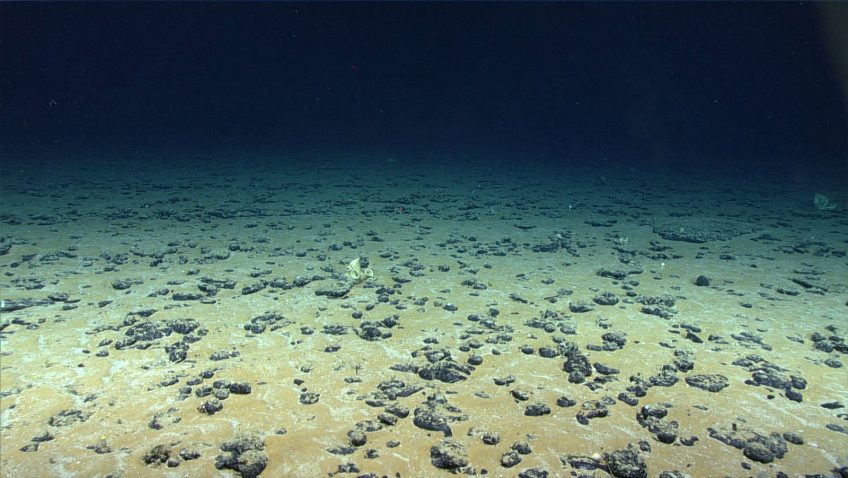

New research reveals temperatures in the deep sea fluctuate more than scientists previously thought and a warming trend is now detectable at the bottom of the ocean.
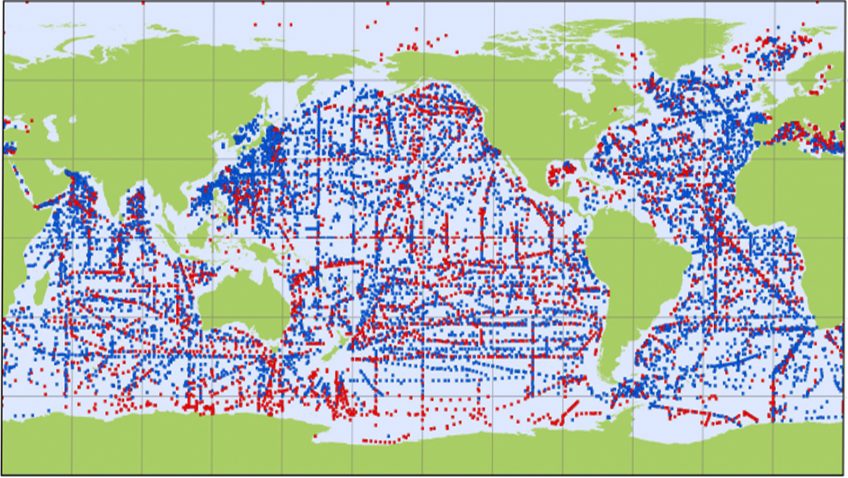
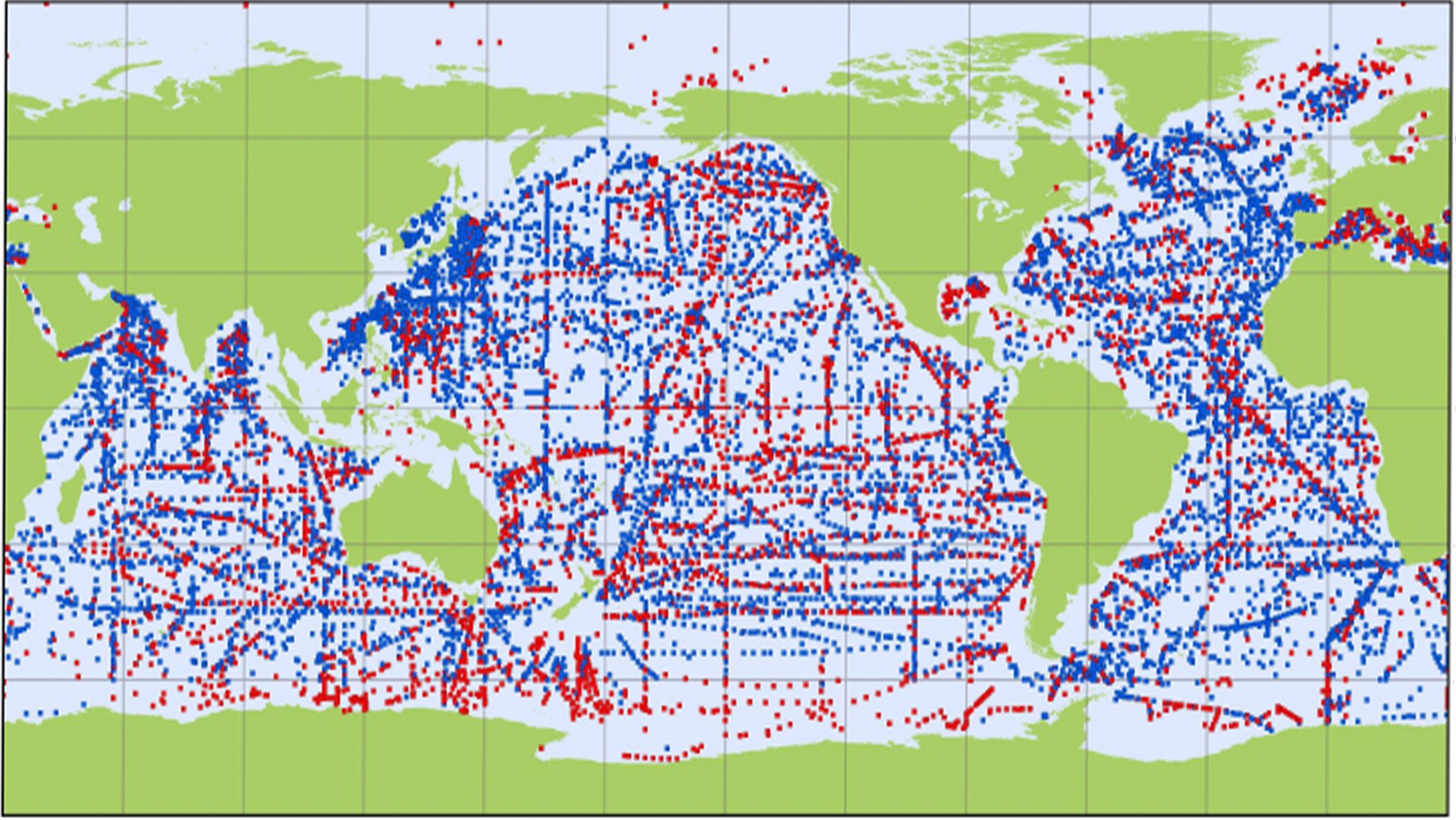
In a recent article published in Frontiers in Marine Science, the history of the Argo program is examined and discussed. The Argo program began in 1998 when a team of international scientists, known as the “Argo Science Team,” proposed the idea for a global array of autonomous floats to obtain temperature and salinity measurements of the upper 2,000 meters of the global ocean. The new array of floats, called Argo, would go on to be endorsed as a pilot program of the Global Ocean Observing System and be used to fill in the large data gaps in ocean observations.
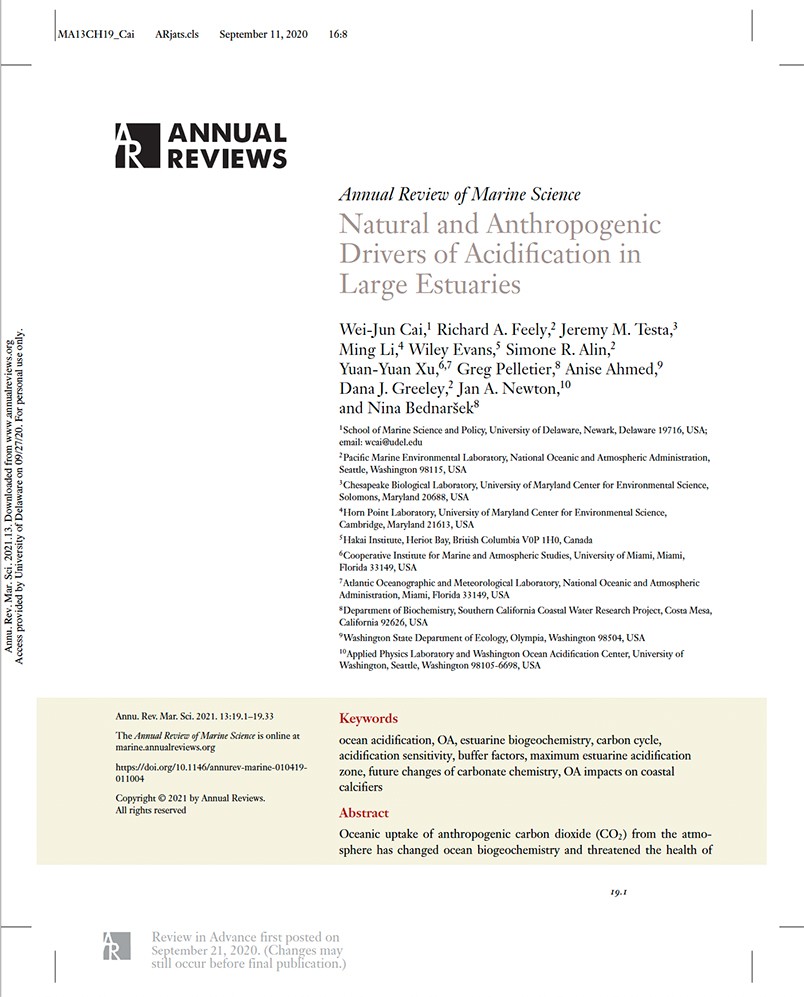
Natural and Anthropogenic Drivers of Acidification in Large Estuaries Wei-Jun Cai, Richard A. Feely, Jeremy M. Testa, Ming Li, Wiley Evans, Simone R. Alin, Yuan-Yuan Xu, Greg Pelletier, Anise Ahmed, Dana J. Greeley, Jan A. Newton, Nina Bednaršek Annual Review of Marine Science 2021 13:1
Oceanic uptake of anthropogenic carbon dioxide (CO2) from the atmosphere has changed ocean biogeochemistry and threatened the health of organisms through a process known as ocean acidification (OA). Such large-scale changes affect ecosystem functions and can have effects on societal uses, fisheries resources, and economies. In many large estuaries, anthropogenic CO2-induced acidification is enhanced by strong stratification, long water residence times, eutrophication, and a weak acid–base buffer capacity. In this article, we review how a variety of processes influence aquatic acid–base properties in estuarine waters, including river–ocean mixing, upwelling, air–water gas exchange, biological production and subsequent respiration, anaerobic respiration, calcium carbonate (CaCO3) dissolution, and benthic inputs…


NOAA concludes Environmental Modeling Center (EMC) tasked reconnaissance for Major Hurricane Delta on October 9. The P-3 aircraft took off from Lakeland, FL at 5:00 AM EDT to survey the system’s circulation.
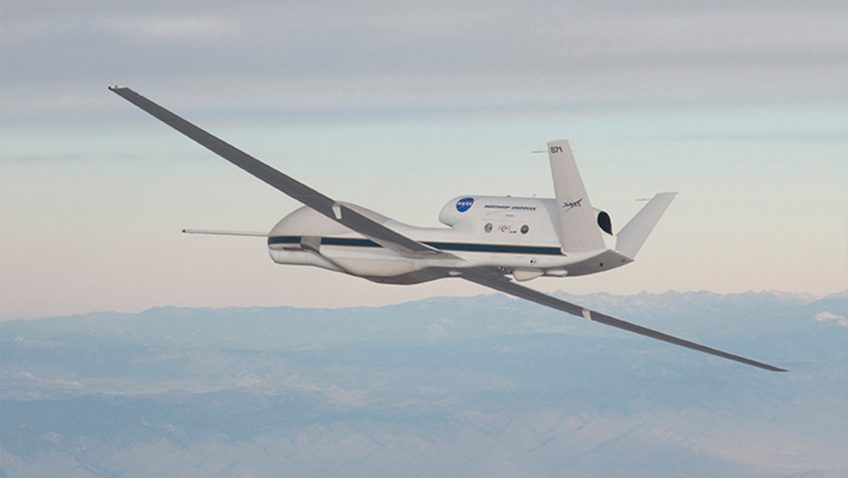
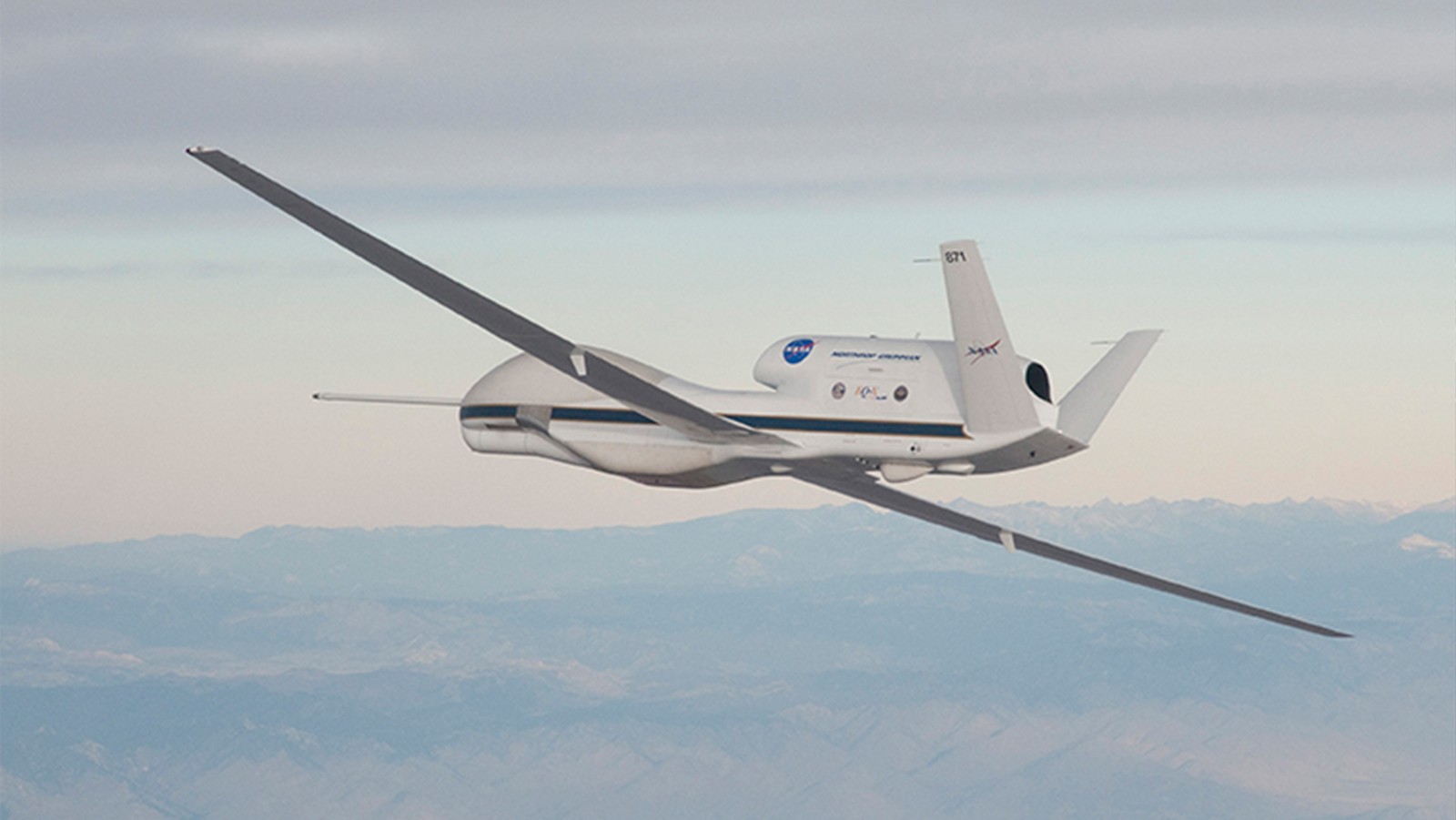
A new study published in Meteorological Applications finds that changes in the flight track patterns of aircraft flying into storms to collect observations for weather forecast models could positively impact forecasts. Differences in where data is collected within a storm changes the model forecast.
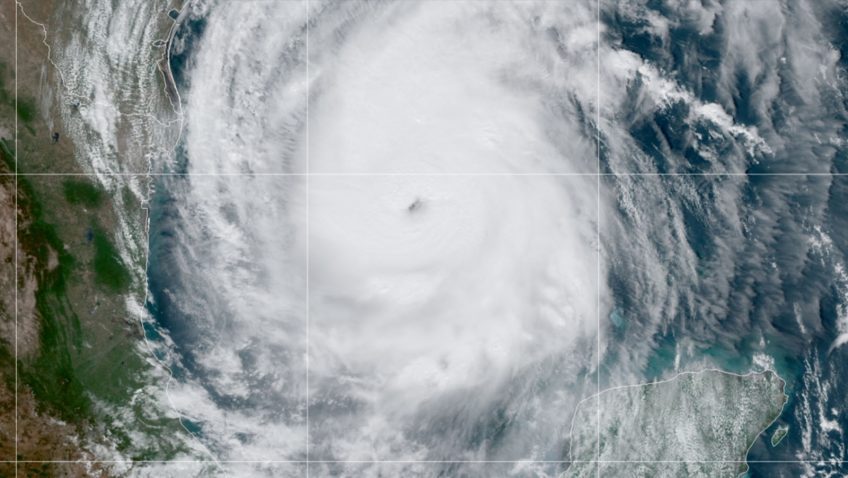

NOAA and Air Force Reserve Hurricane Hunters continue around the clock monitoring of Hurricane Delta as it traverses the Gulf of America. Overnight flights on October 7 through midday October 8 found that Delta’s circulation is intensifying and expanding in size.
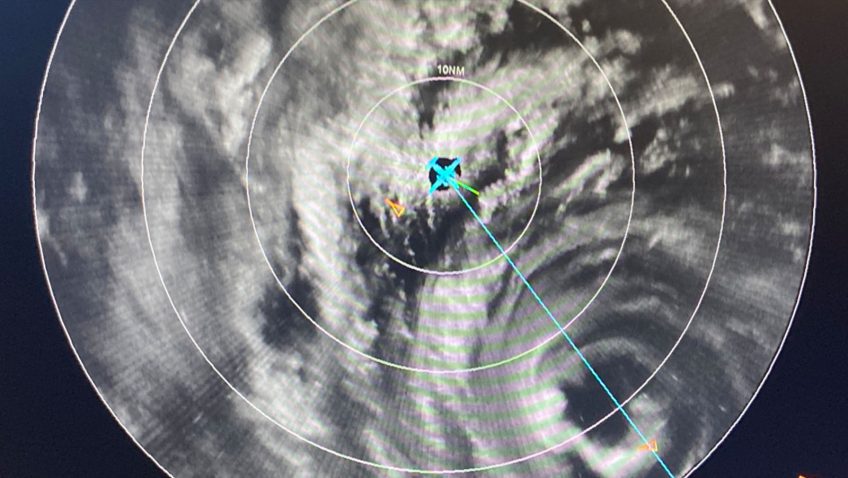
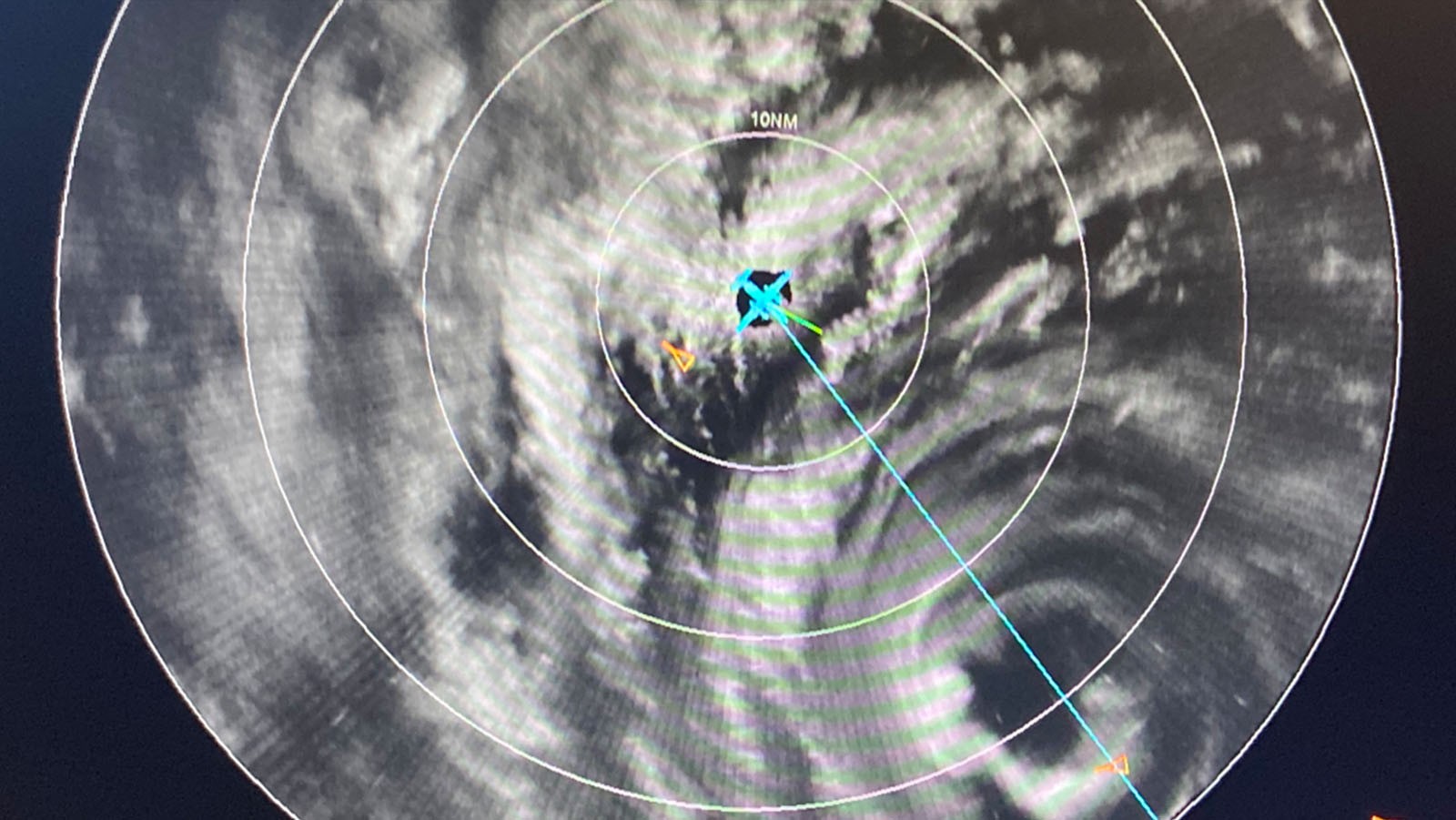
NOAA aircraft reconnaissance continued for Major Hurricane Delta on October 6, capturing the system’s quick maturation overnight. P-3 and G-IV missions are scheduled every 12 and 24 hours from Lakeland, FL. The National Hurricane Center (NHC) tasked NOAA’s Hurricane Hunters to identify the location and strength of the circulation center, and to survey the atmospheric conditions nearby and ahead of Delta. Instrumentation onboard the aircraft have sampled the system’s development, revealing a 55 knot rapid intensification in just 24 hours.
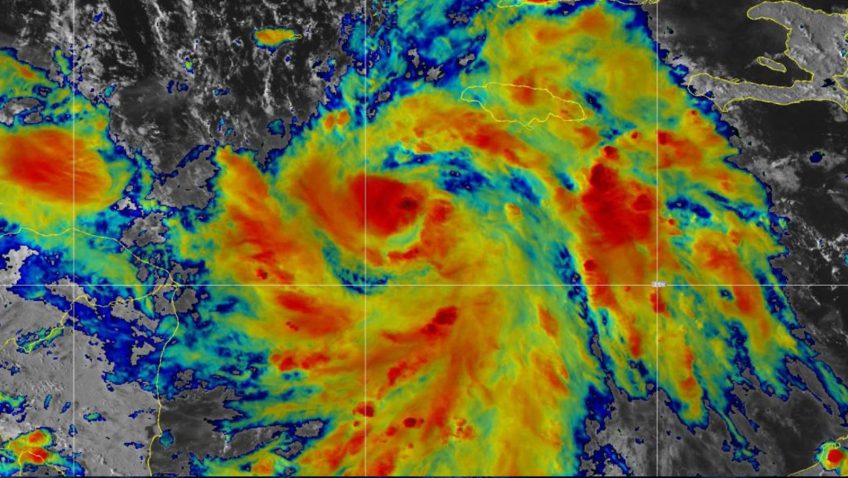
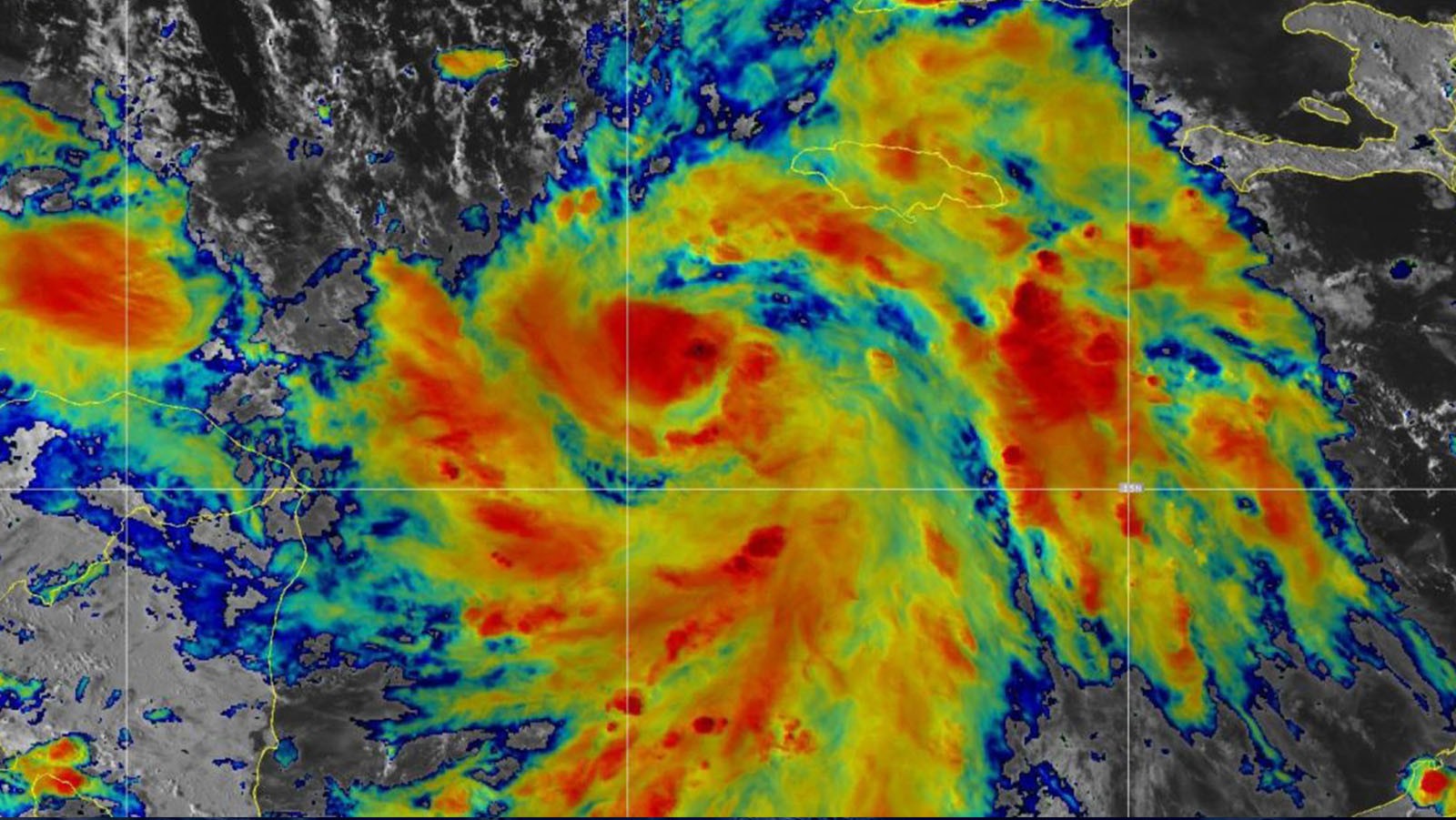
Aircraft reconnaissance operations began October 5 to investigate the location and strength of Tropical Storm Delta’s circulation. Tasked by the National Hurricane Center (NHC), NOAA’s P-3 aircraft took off at 1 PM EDT from Lakeland, FL.
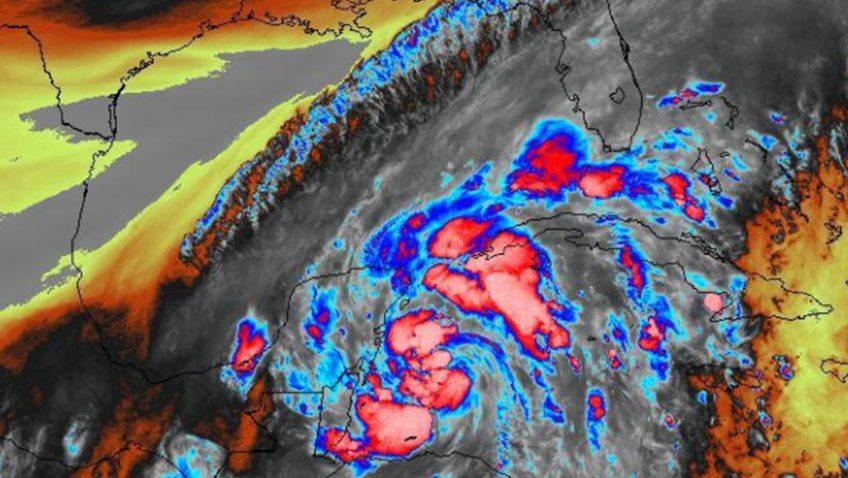
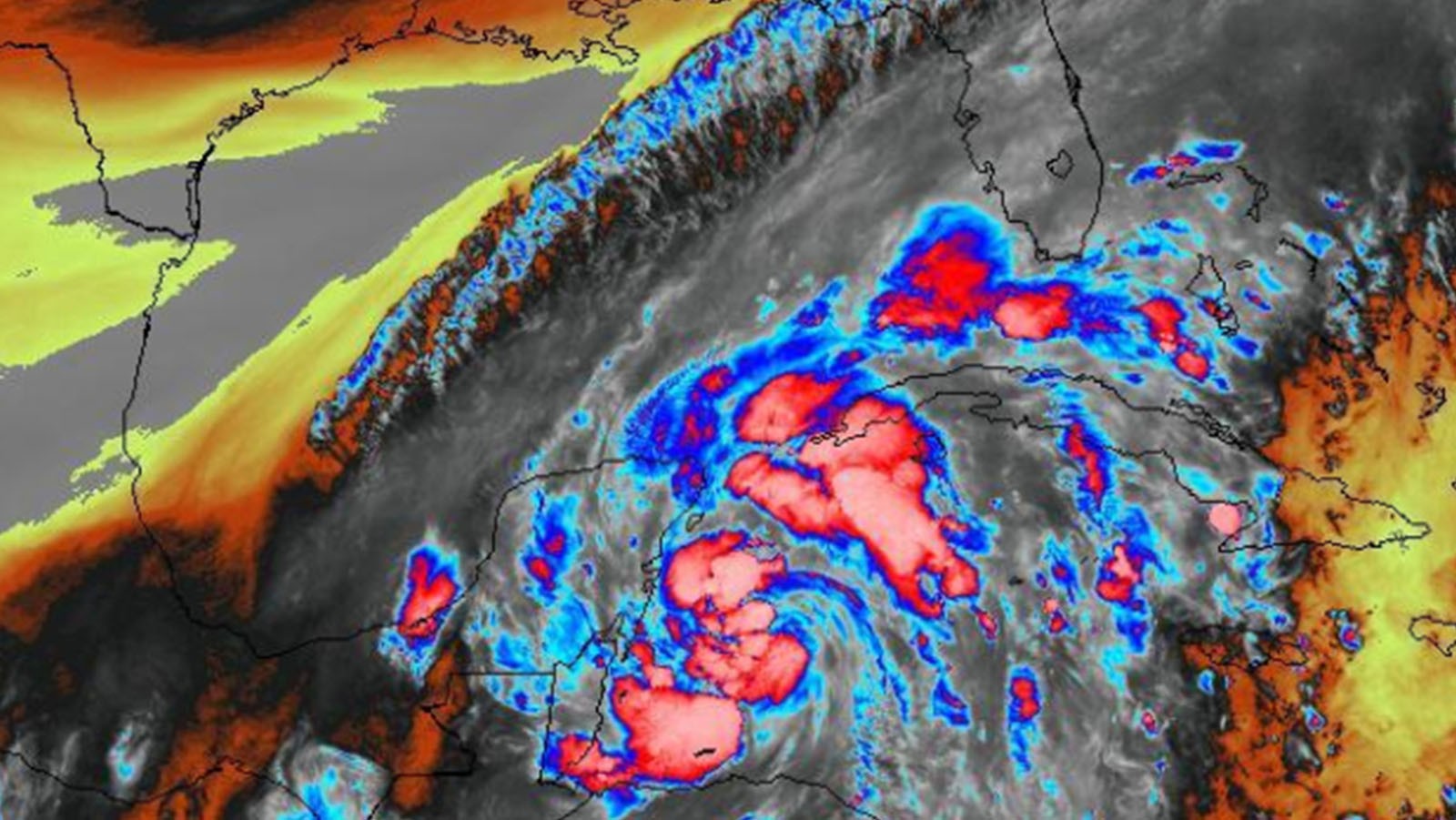
After a week of daily map discussions led by student forecasters at the University at Albany-SUNY, as part of AOML’s Hurricane Field Program, NOAA interest in Tropical Storm Gamma has resulted in planned reconnaissance missions starting at 5 AM EDT on Saturday, October 3.


In a recent study published in Science Advances, a team of scientists at AOML led by Denis Volkov used observations and idealized model simulations to explore what caused the abrupt reduction and ensuing recovery of the South Indian Ocean heat and sea level in 2014-2018.