Port of Miami Corals Remarkably Persistent
The Port of Miami is a bustling waterway with large cruise and cargo ships, ferries, fishing vessels, and recreational boats. As it turns out, this waterway is also home to a thriving coral community.
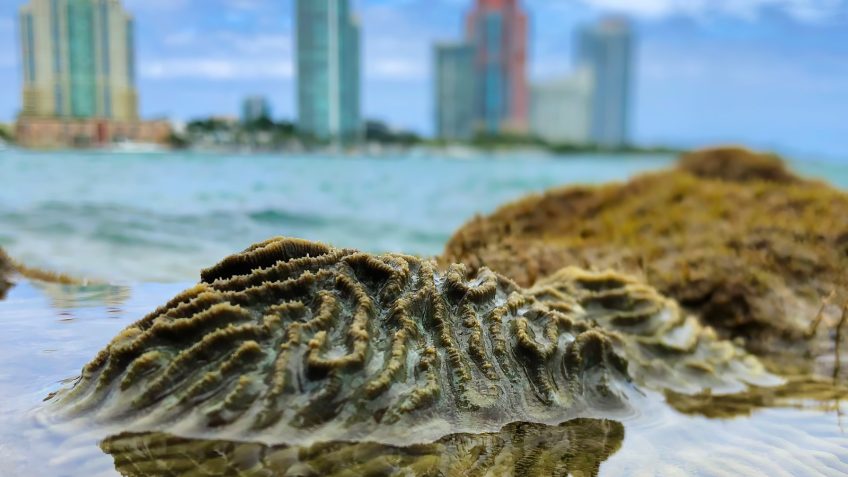
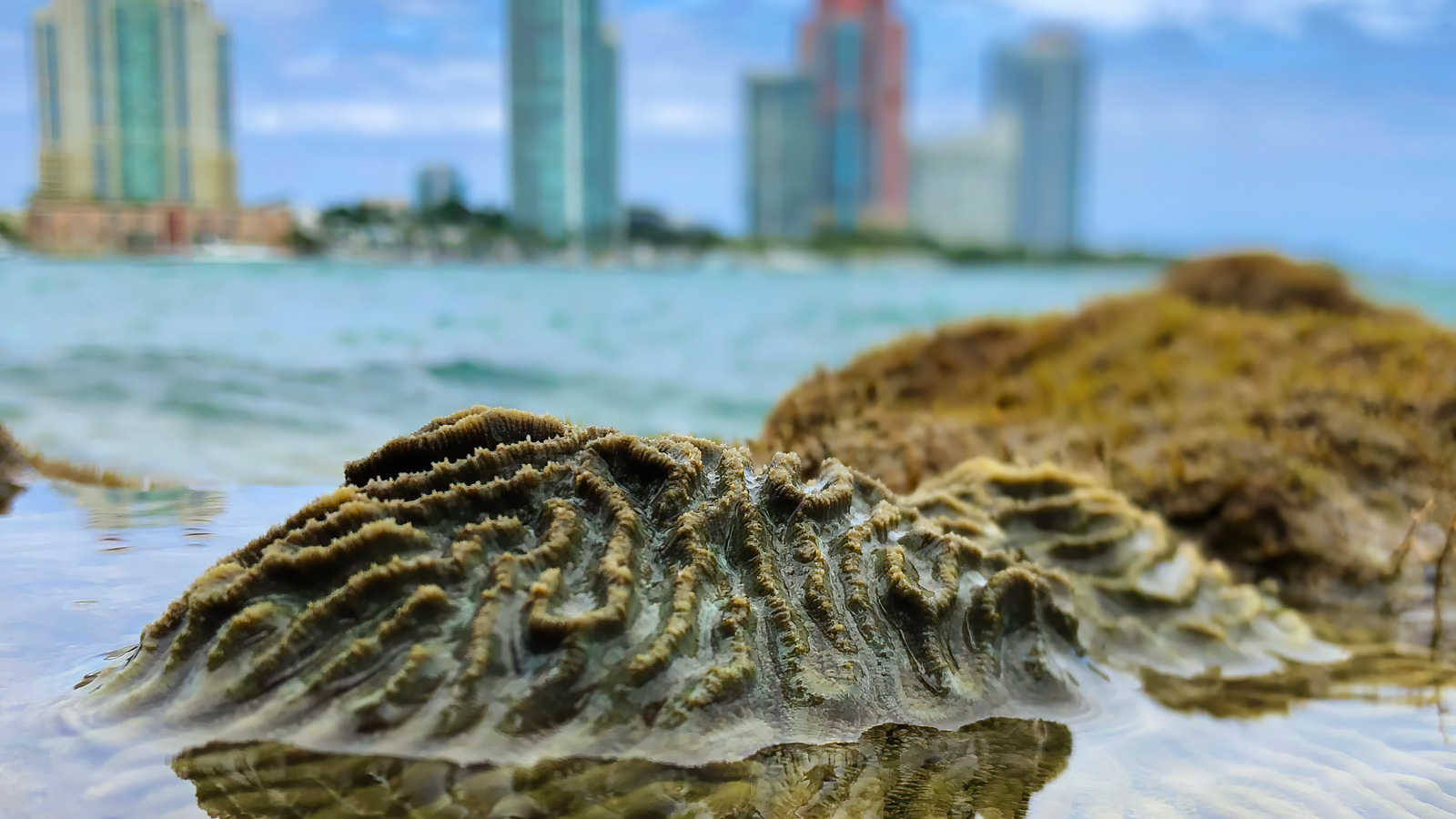
The Port of Miami is a bustling waterway with large cruise and cargo ships, ferries, fishing vessels, and recreational boats. As it turns out, this waterway is also home to a thriving coral community.
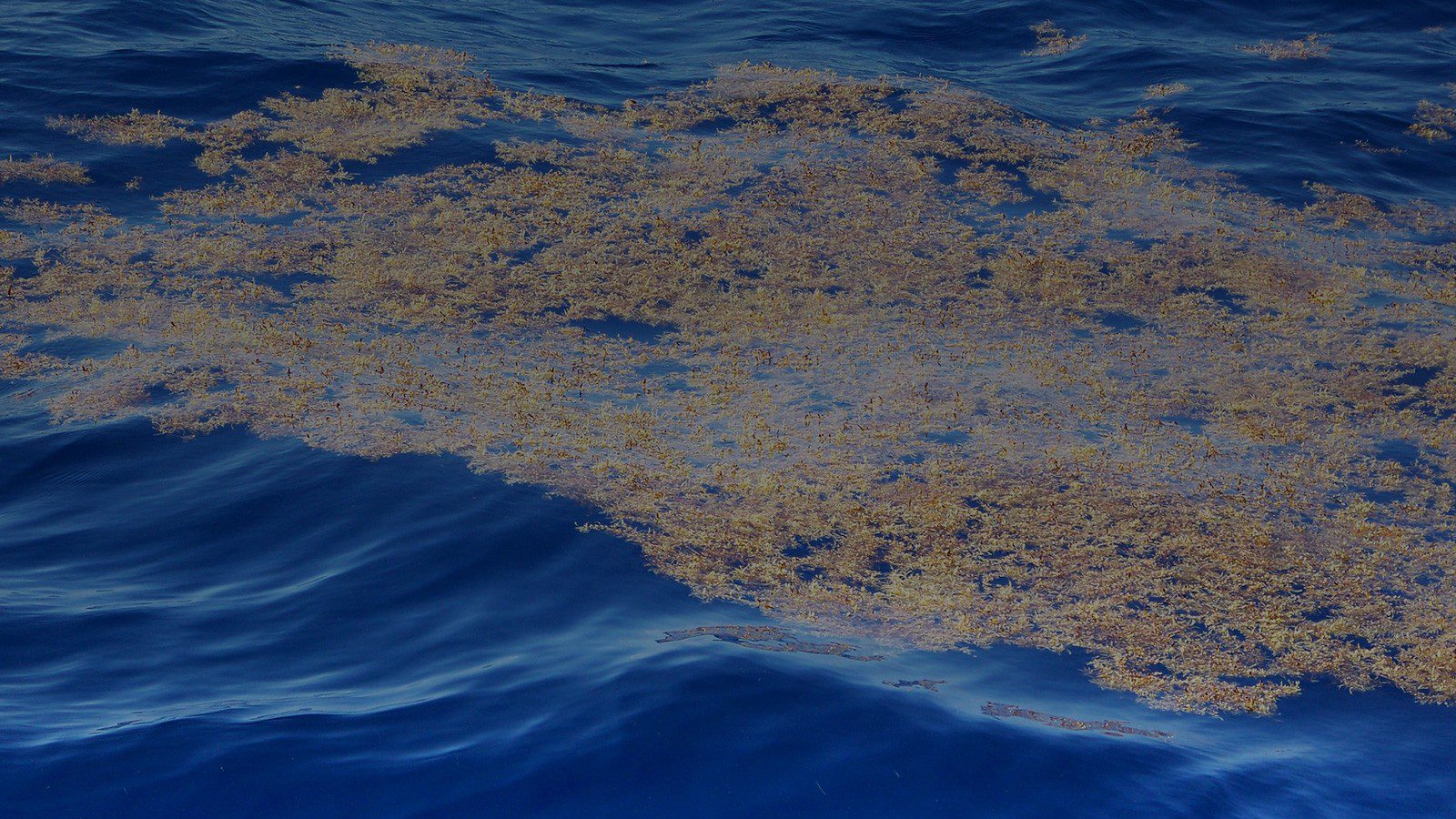
Earlier this year, ocean scientists raised an alert about the large amount of seaweed drifting in the tropical Atlantic this spring. Experts warned that the region’s annual spring bloom of Sargassum—a free-floating brown macroalgae from the North Atlantic that suddenly appeared in large quantities in the tropics in 2011— was the densest observed in March since scientists began tracking the phenomenon with satellite images twenty years ago. Excessive amounts of Sargassum raise the chances that large mats will break free from the prevailing currents and wash ashore later this spring and summer in the Caribbean, Gulf of America, and around Florida.
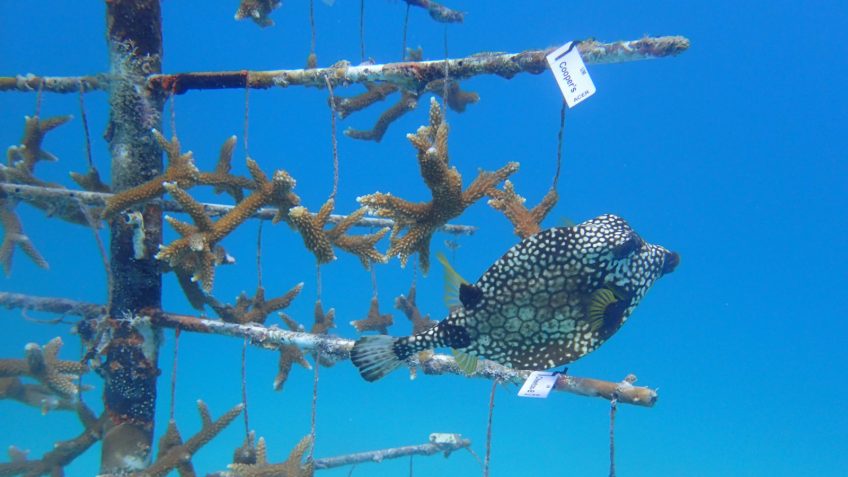
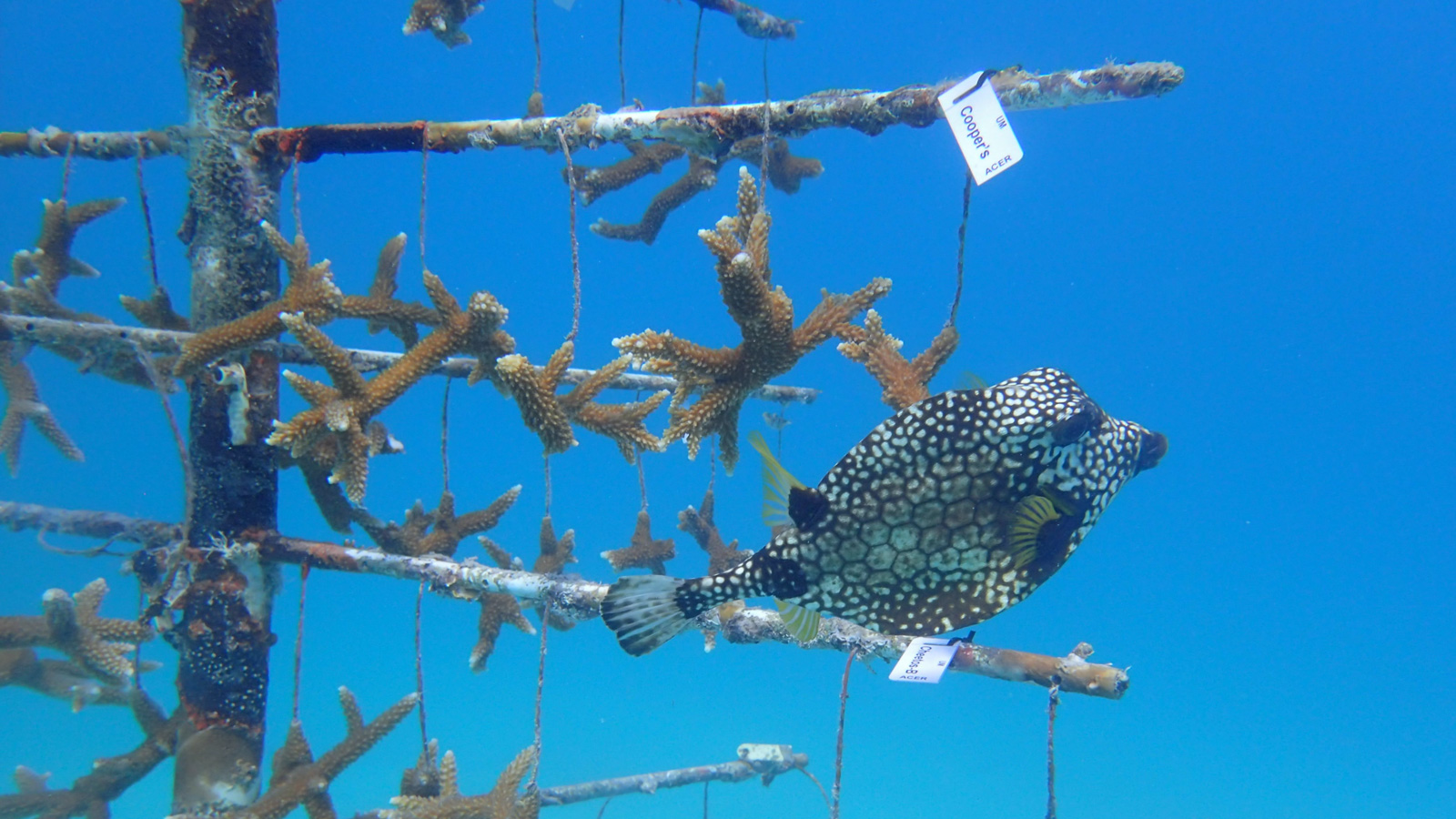
In collaboration with the Lirman Lab at the University of Miami (UM), NOAA Atlantic Oceanographic and Meteorological Laboratory’s (AOML) Coral Program now has its own coral nursery tree!
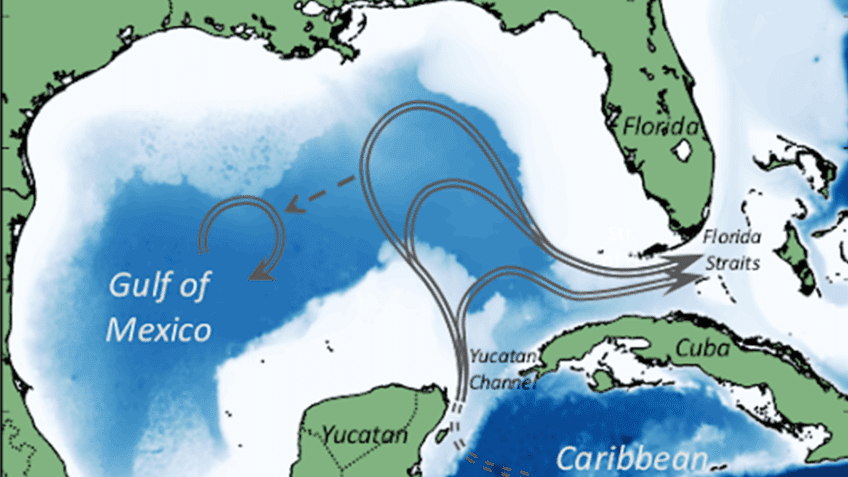
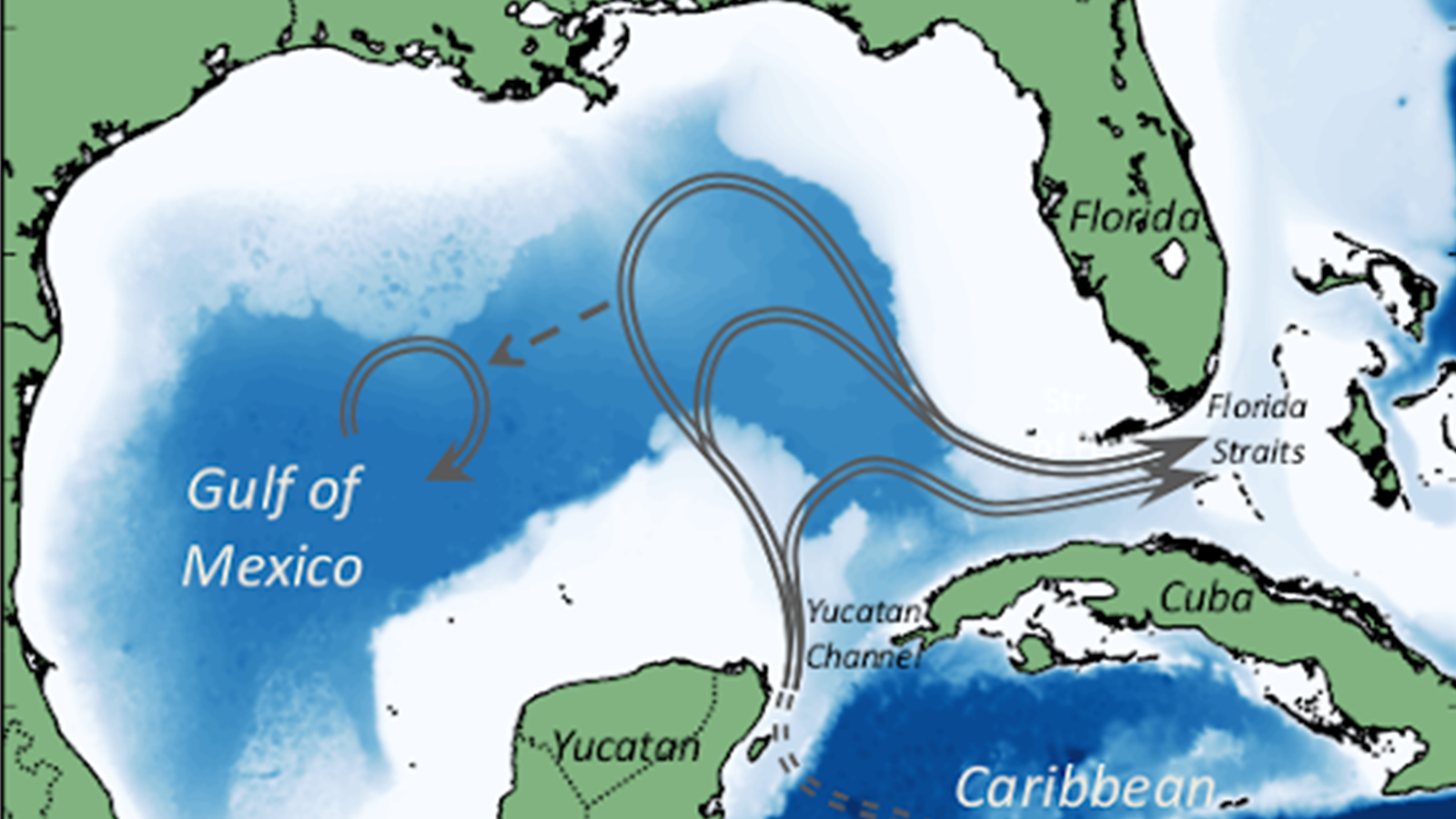
A recent study by scientists at NOAA’s Atlantic Oceanographic and Meteorological Laboratory (AOML) in collaboration with partners at the University of Miami’s Rosenstiel School of Marine, Atmospheric, and Earth Science used a numerical modeling approach to investigate the impact of the eddy field in the Caribbean Sea on Loop Current predictions downstream in the Gulf of America. They found that eddy activity in the Caribbean Sea is crucial for the accurate prediction of eddy shedding by the Loop Current.
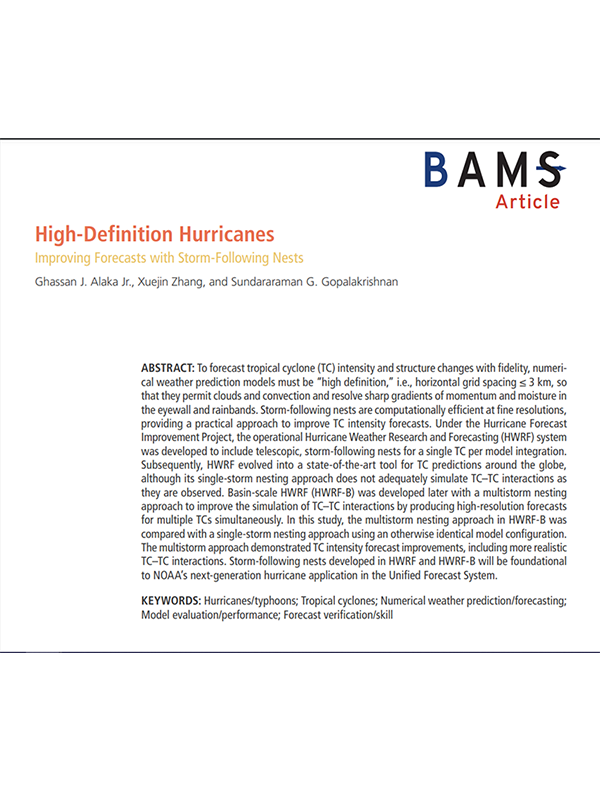
Alaka Jr, G. J., Zhang, X., & Gopalakrishnan, S. G. (2022). High-definition hurricanes: improving forecasts with storm-following nests. Bulletin of the American Meteorological Society, 103(3), E680-E703.
Abstract: To forecast tropical cyclone (TC) intensity and structure changes with fidelity, numerical weather prediction models must be “high definition,” i.e., horizontal grid spacing ≤ 3 km, so that they permit clouds and convection and resolve sharp gradients of momentum and moisture in the eyewall and rainbands. Storm-following nests are computationally efficient at fine resolutions, providing a practical approach to improve TC intensity forecasts. Under the Hurricane Forecast Improvement Project, the operational Hurricane Weather Research and Forecasting (HWRF) system was developed to include telescopic, storm-following nests for a single TC per model integration.
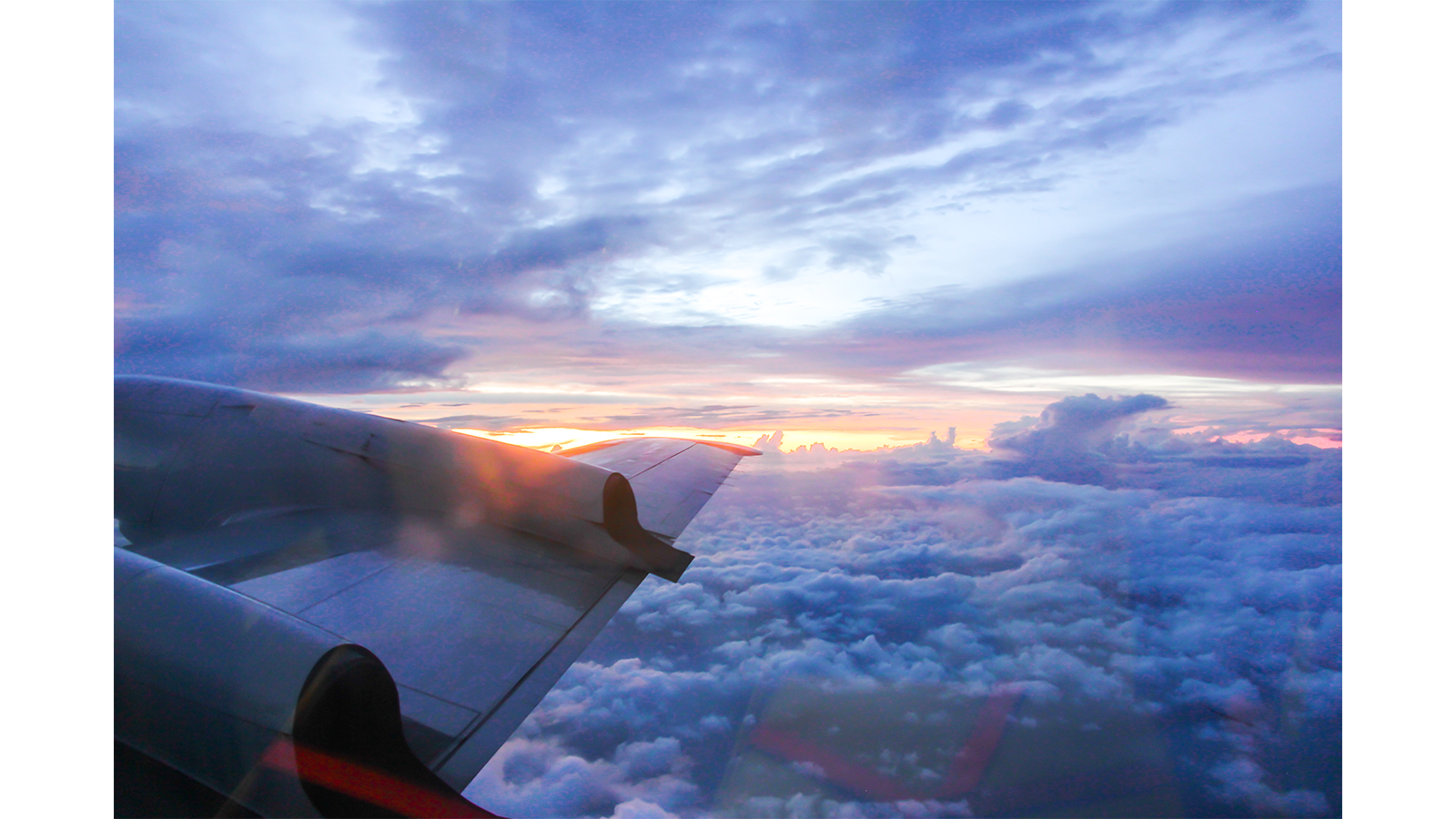
In honor of Women’s History Month, NOAA’s Atlantic Oceanographic and Meteorological Laboratory (AOML) would like to recognize two of our female leaders within the Hurricane Research Division (HRD), Heather Holbach and Shirley Murillo. We talked to these incredible scientists to learn more about their leadership roles within the division and to seek out any advice they have for women early in their science career.
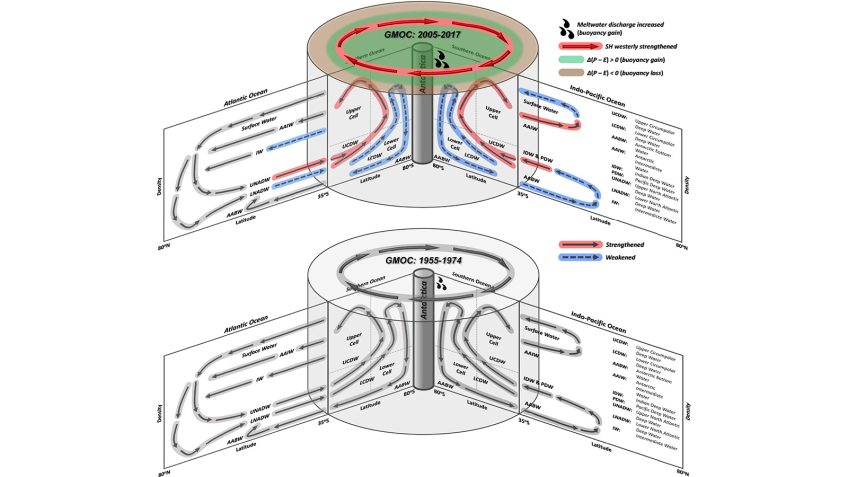
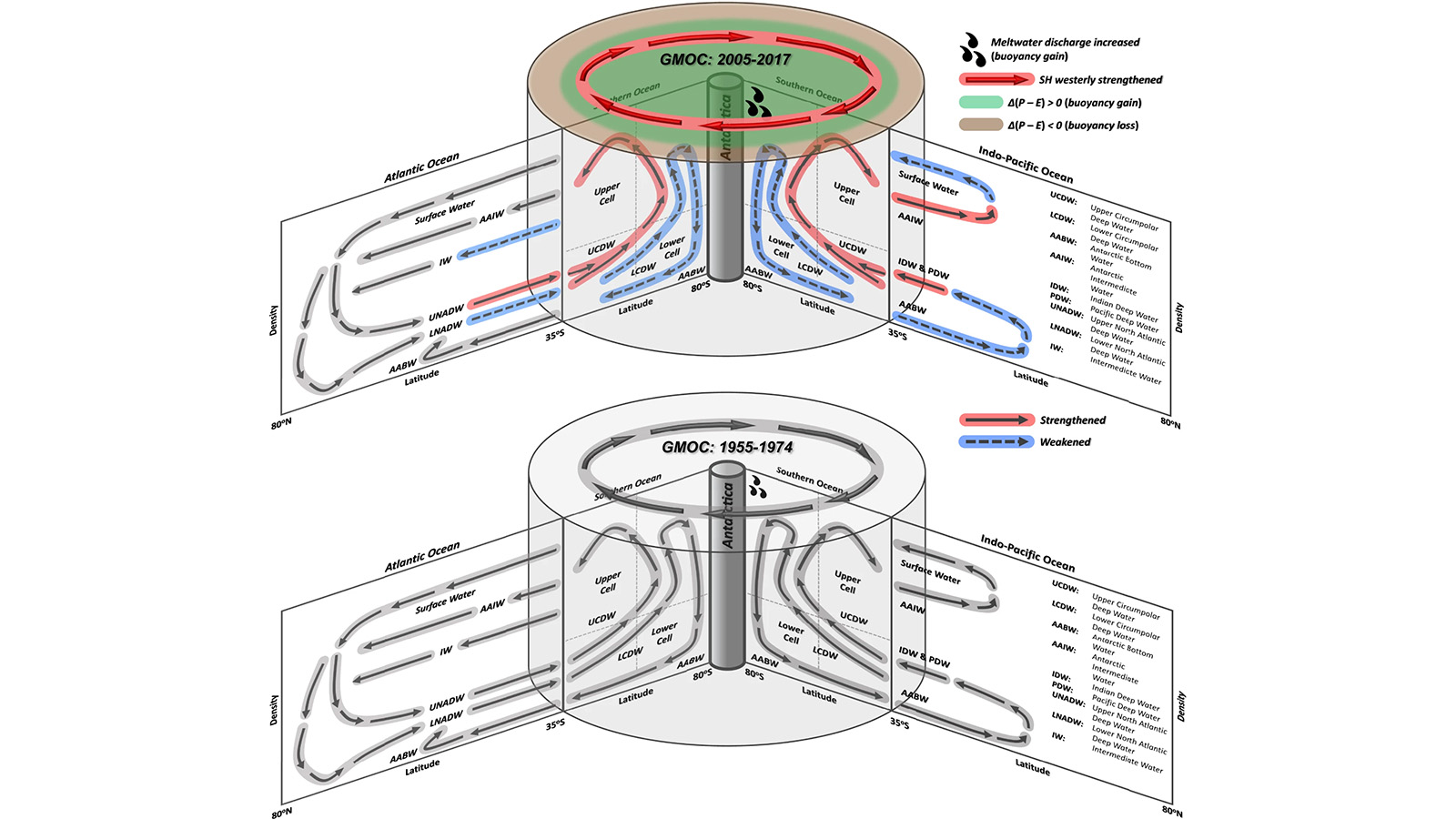
Scientists at NOAA’s Atlantic Oceanographic and Meteorological Laboratory (AOML) have shown that the Global Meridional Overturning Circulation (GMOC), commonly known as the global ocean conveyor belt, has changed significantly in the Southern Ocean since the mid-1970s, with a broadening and strengthening of the upper overturning cell and a contraction and weakening of the lower cell. These changes are attributed to human induced ozone depletion in the Southern Hemisphere stratosphere and increased carbon dioxide in the atmosphere. The study also shows that the changes in the Southern Ocean are slowly advancing into the South Atlantic and Indo-Pacific oceans.
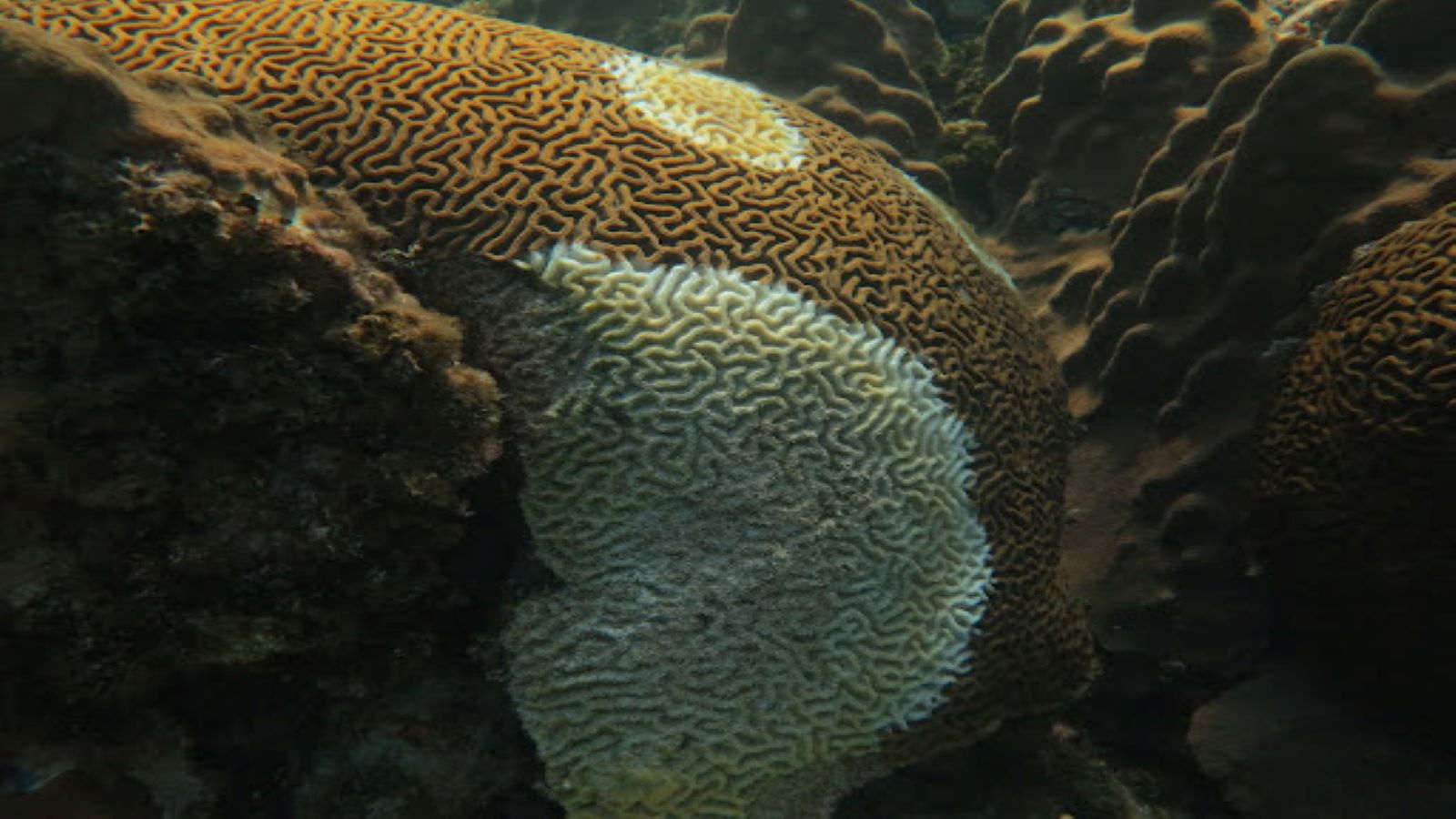
Using a crowdsourcing approach to gather both published and unpublished data, scientists have determined the global bacteria patterns associated with deadly stony coral tissue loss disease (SCTLD).
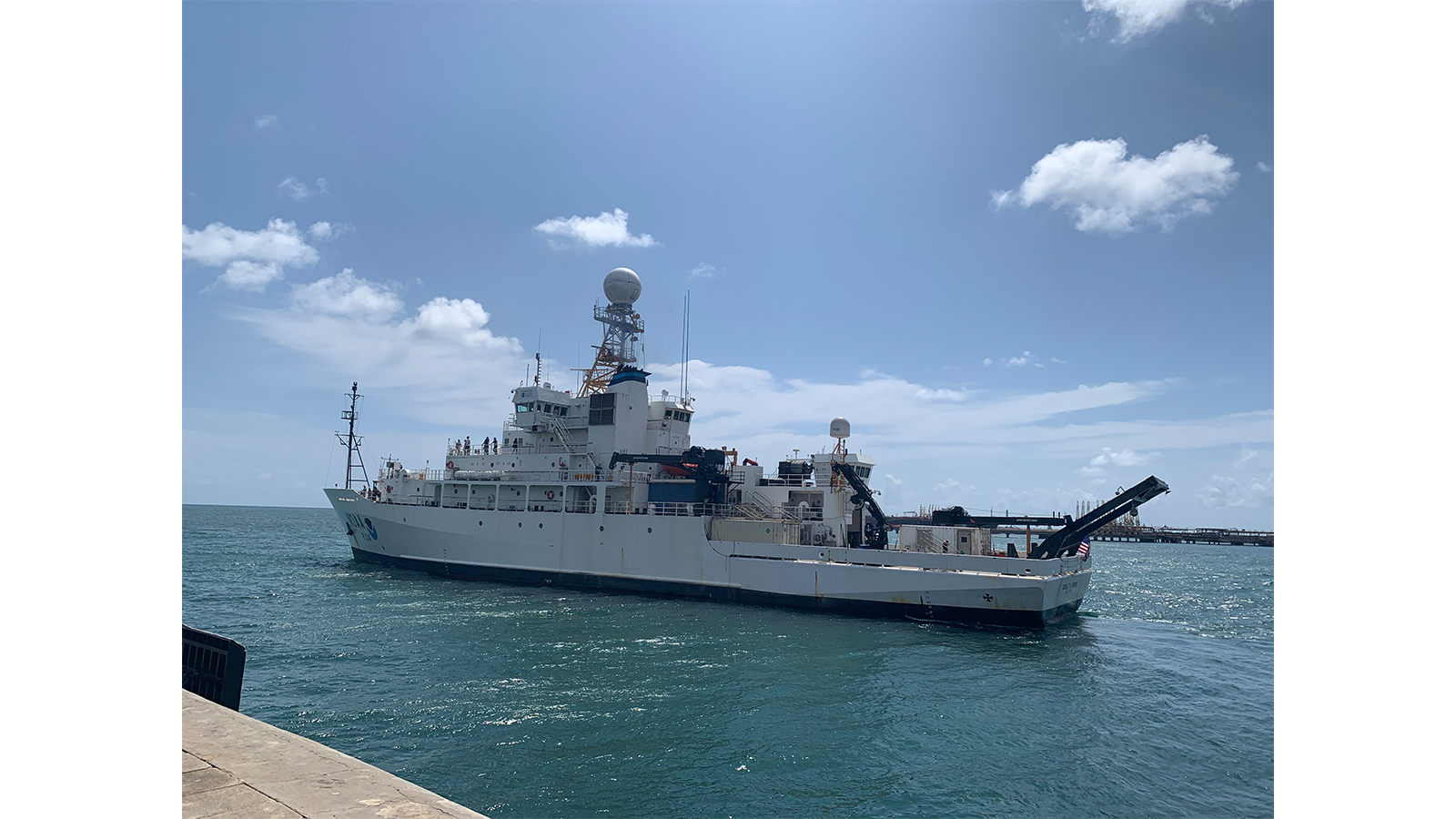
In celebration of Women’s History Month, NOAA’s Atlantic Oceanographic and Meteorological Laboratory (AOML) would like to recognize two female scientists from our Ocean Chemistry and Ecosystems Division who are leaders aboard the A16N GO-SHIP (Global Ocean Ship-based Hydrographic Investigations Program) Repeat Hydrography cruise.
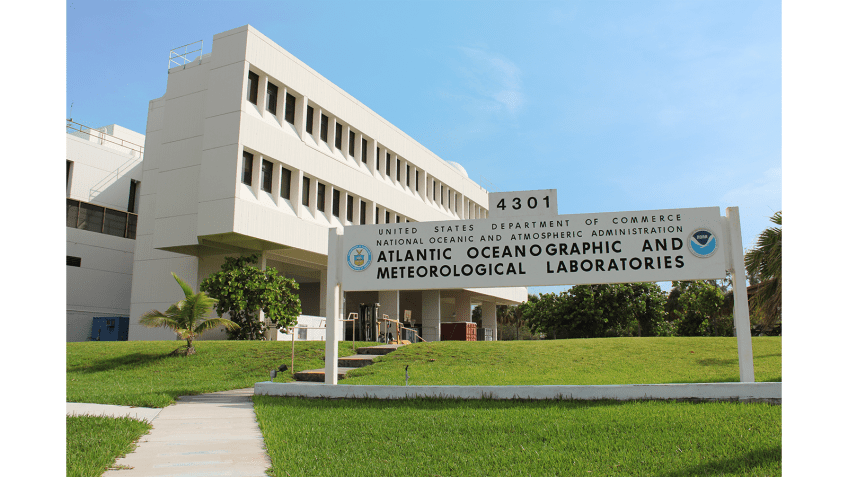
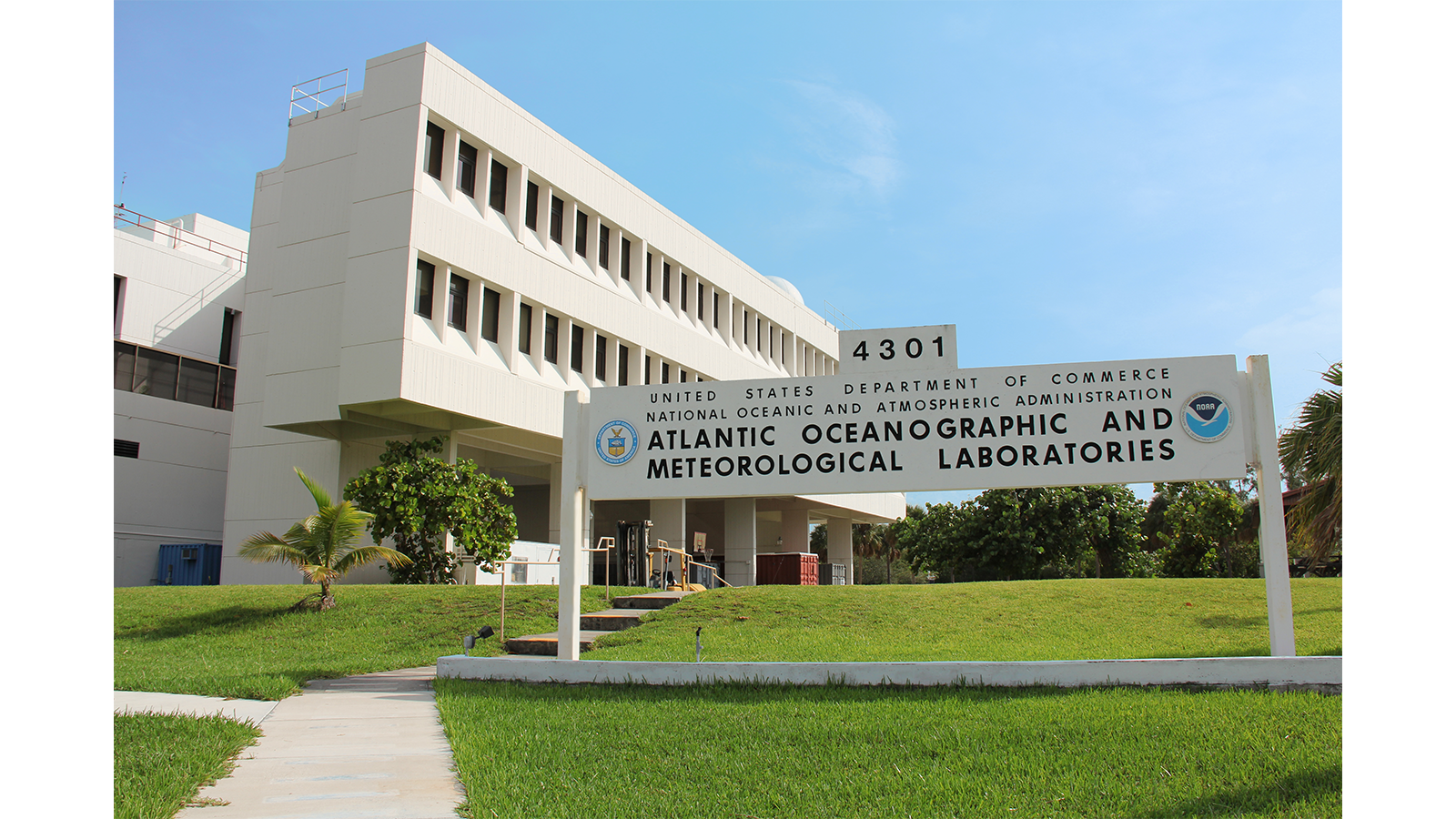
In honor of Women’s History Month, NOAA’s Atlantic Oceanographic and Meteorological Laboratory (AOML) spoke with our Administrative Officer, Dalynne Julmiste, about her leadership role at AOML and the advice she has for women just starting out their careers.