AOML Welcomes 2023 Summer Interns

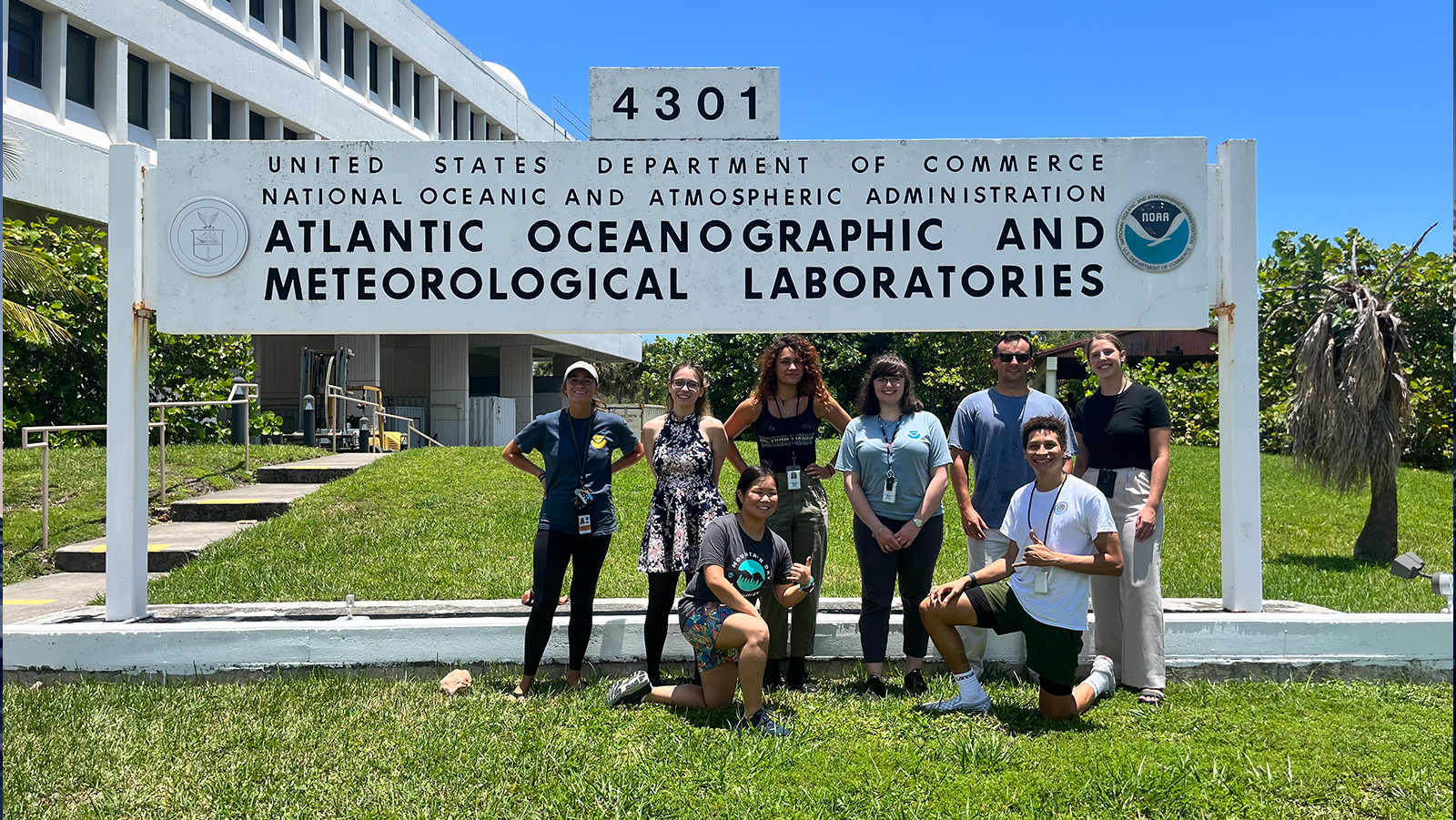
On National Intern Day, AOML is celebrating our largest internship class ever of 36 interns ranging from high school students to post doctoral fellows. They are joining us from schools across the country, from California to Florida, and are researching corals, microbes, hurricanes, air-sea interaction, ocean acidification, communications strategies, and much more, all within our 4 divisions:
Read Full Article

NOAA AOML Scientist Wins Federal Employee of the Year Award from the South Florida Federal Executive Board

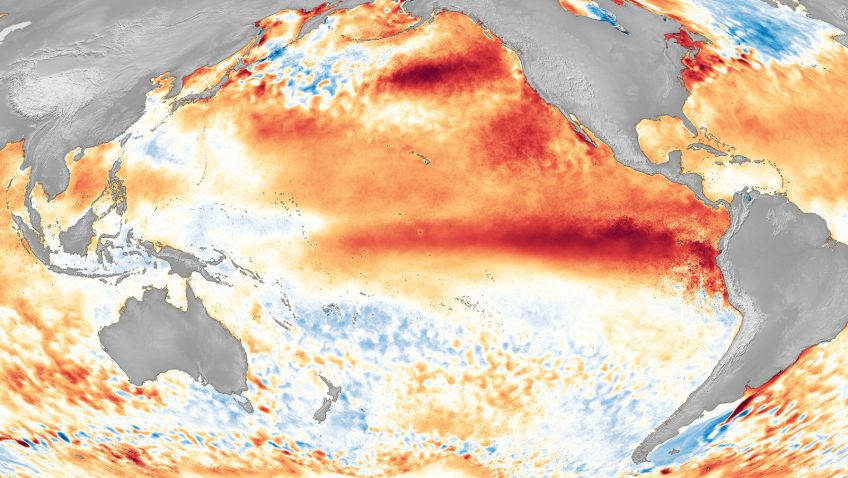
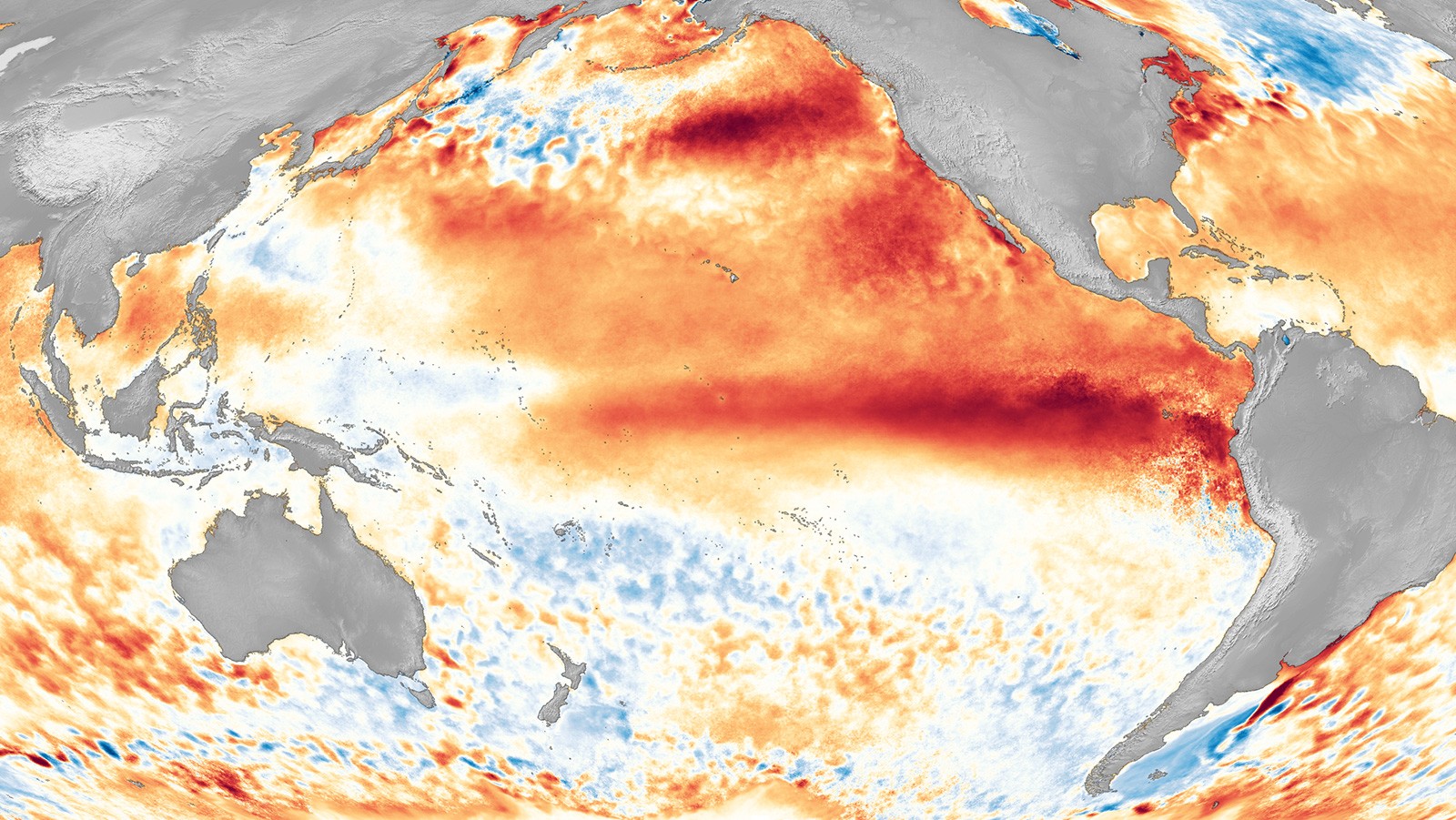
Congratulations to AOML scientist, Dr. Hosmay Lopez, for receiving the 2022 Federal Employee of the Year award for the Scientific category at the 58th annual South Florida Federal Executive Board’s awards program. Hosmay was recognized for his groundbreaking contributions to the understanding of how El Niño-Southern Oscillation (ENSO) events will evolve with global warming, with significant implications for how residents of South Florida will experience climate change over the next several decades.

Read Full Article

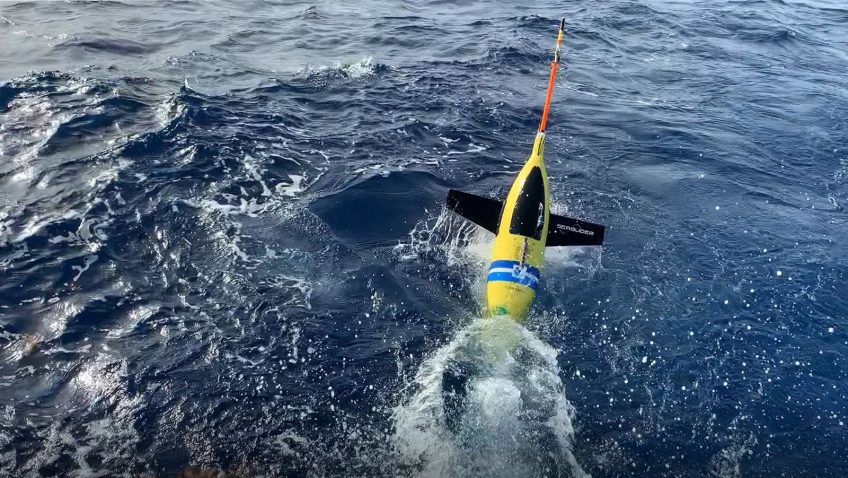
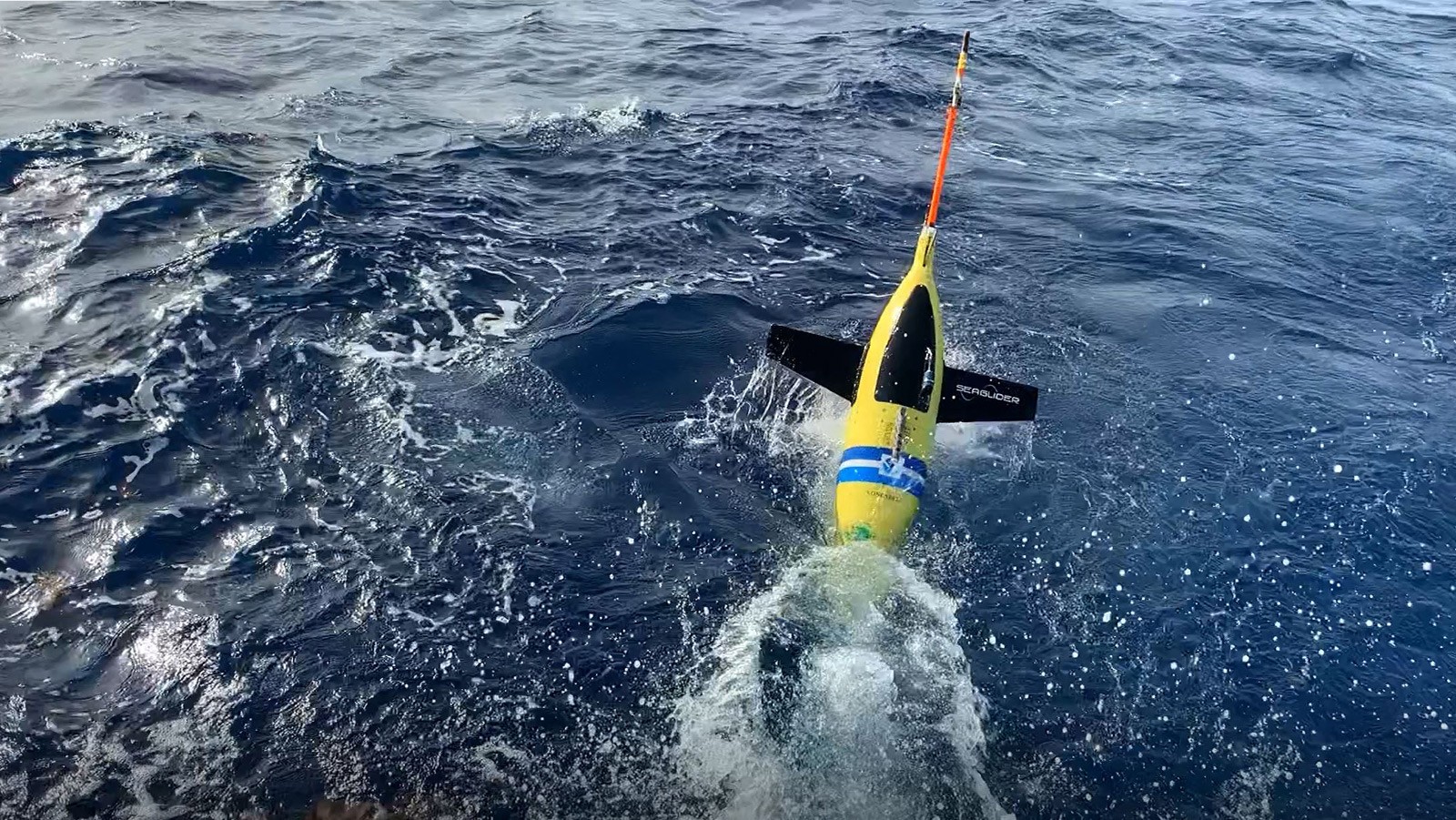
AOML Begins Tenth Year of Hurricane Glider Operations

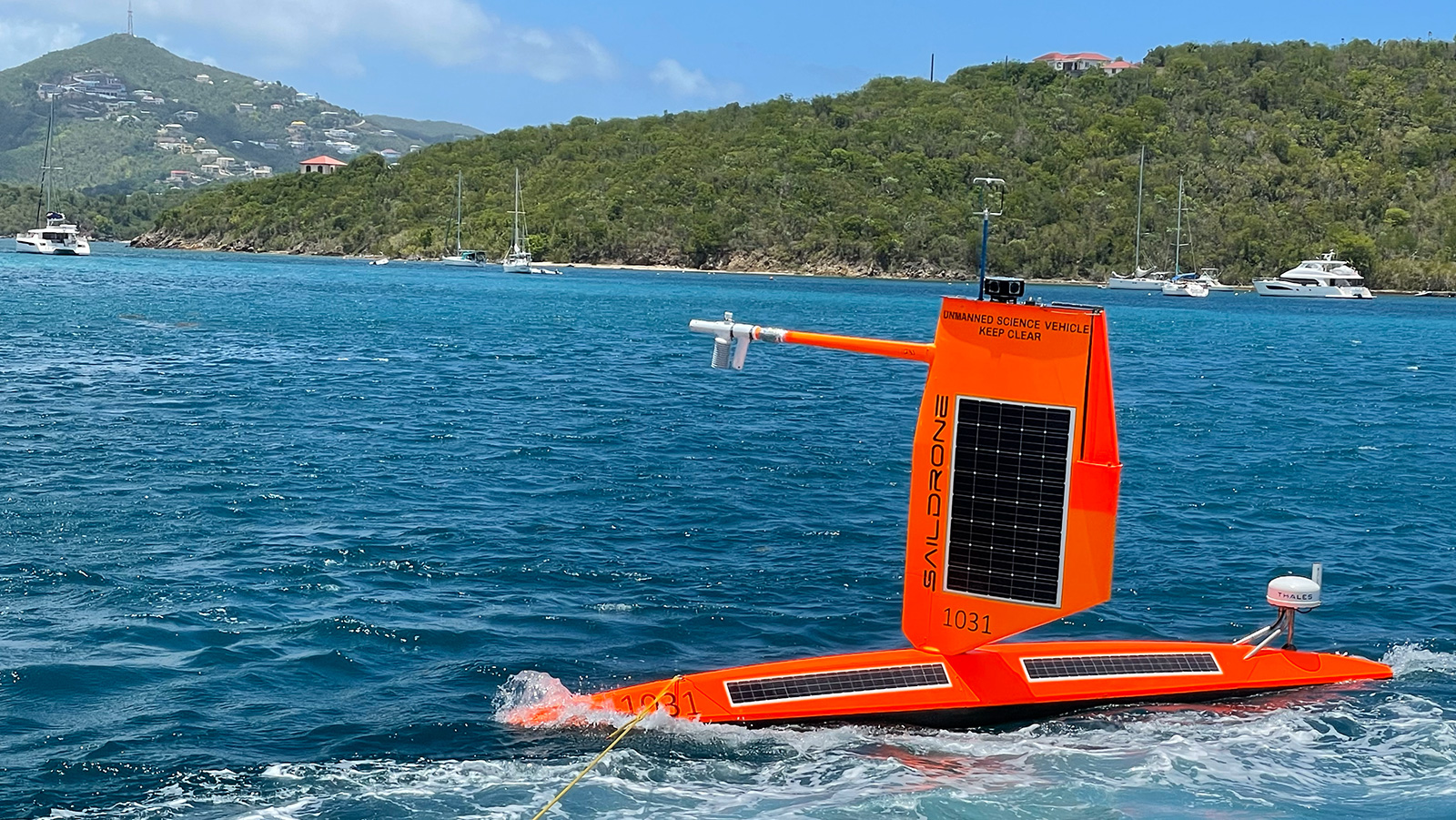
This summer marks AOML’s tenth ­consecutive year of gathering underwater glider observations during the Atlantic hurricane season. The project began in 2014 with two gliders deployed off Puerto Rico to study the ocean’s role in tropical cyclone ­development and intensification. Since then, glider observations have become an ­integral part of the data ­gathered ­annually to improve tropical ­cyclone forecasts, as well as ­better understand how the ocean and ­atmosphere ­interact during the ­passage of tropical ­cyclones.

Read Full Article

What a Marine Heatwave Means for South Florida

A marine heatwave has spread across the Gulf of America and the Caribbean with temperatures ranging between one and three degrees Celsius (~2-4.5˚F) above average. Ocean temperatures around south Florida are the warmest on record for the month of July (dating back to 1981). Marine heatwaves are not unprecedented, but their influence on tropical storm development and coral reef health, as well as the persistence of the current heatwave, are among the causes for concern. 

Read Full Article

The Future of Hurricane Forecasting: Hurricane Analysis and Forecast System

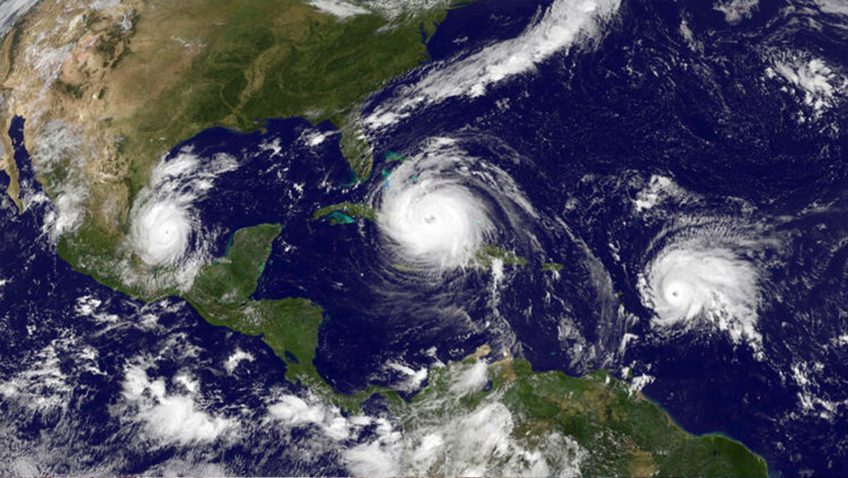
AOML’s Hurricane Modeling Group was founded in 2007 to advance hurricane forecast models through development and targeted research. From inception, the team has worked to improve NOAA’s hurricane modeling systems; first with the legacy Hurricane Weather Research Forecast (HWRF) model, and now with its transition to the next generation model, Hurricane Analysis and Forecast System (HAFS).

Read Full Article

AOML Interns Dive into DNA Extraction and Processing Coral Samples for ‘Omics Analyses 

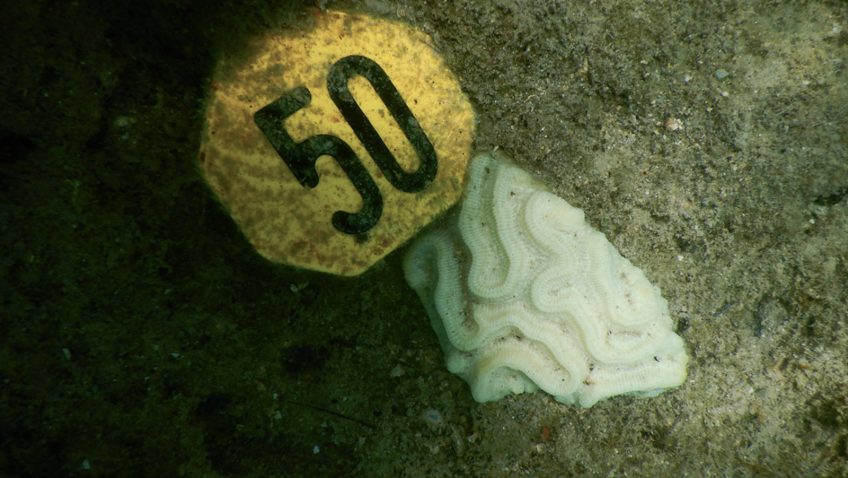
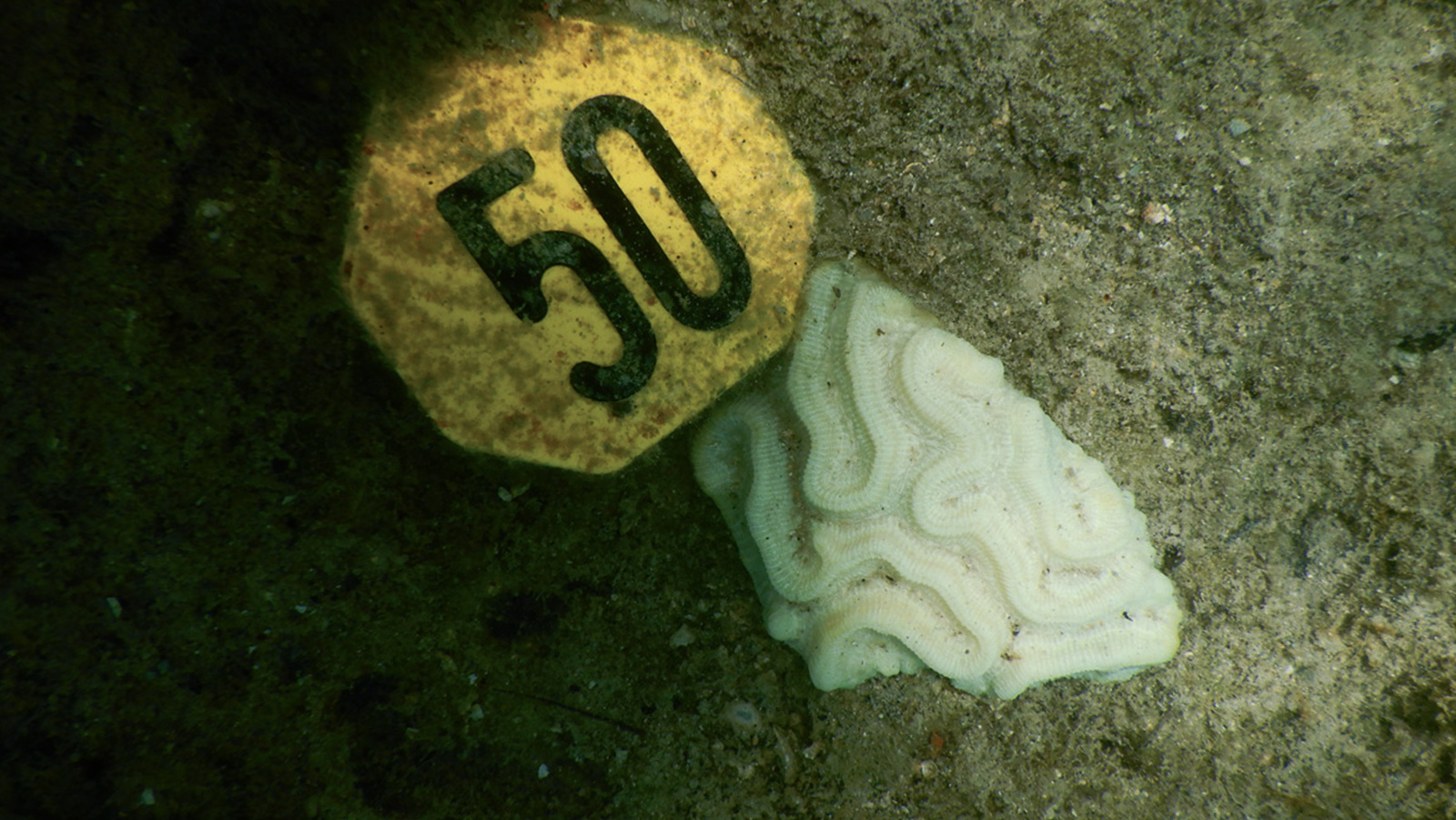
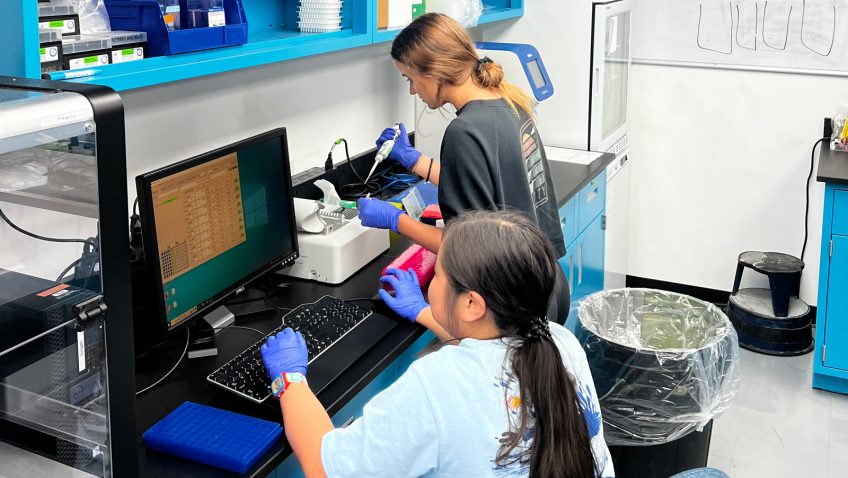
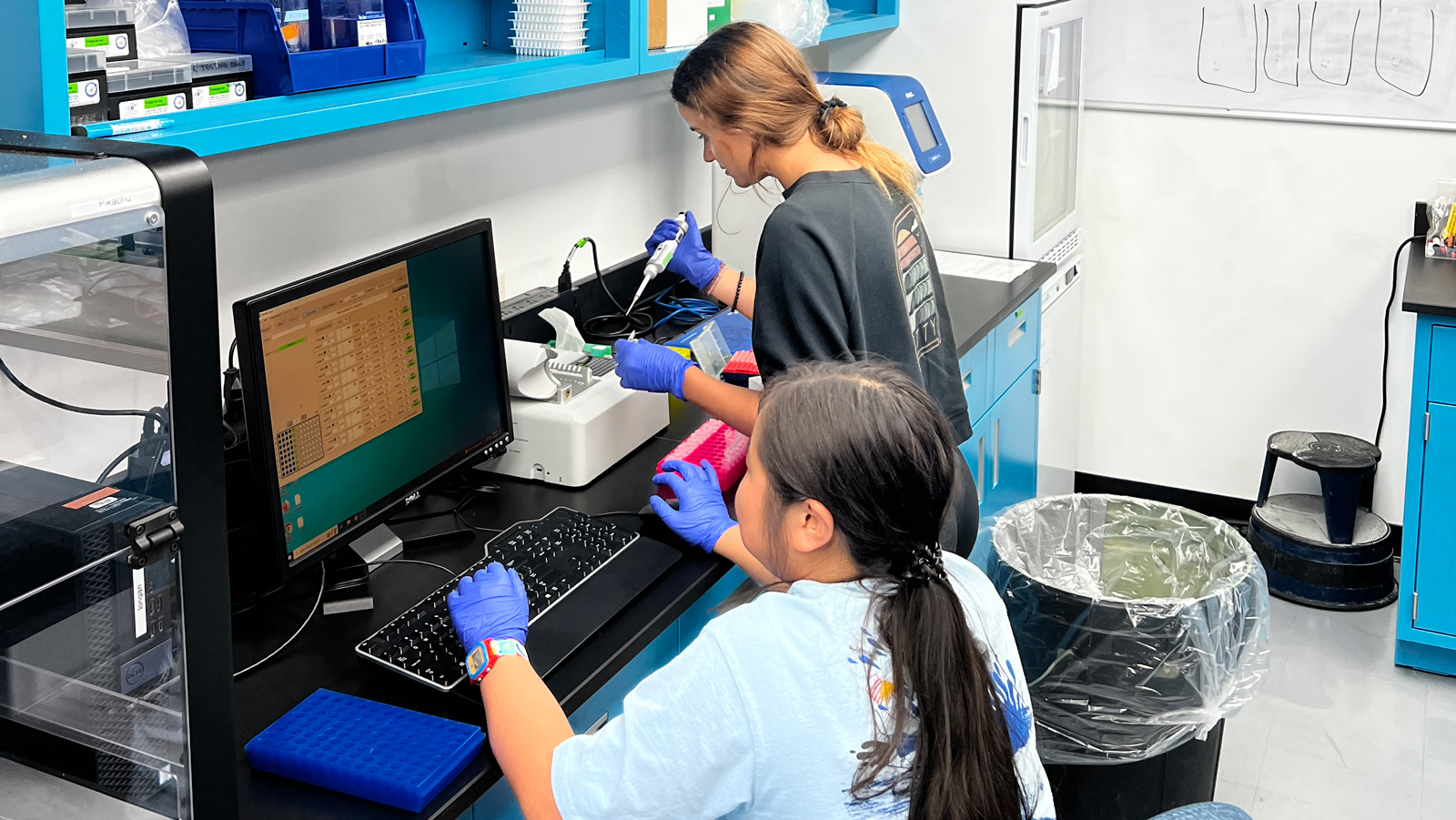
Only a few weeks into summer, Coral Program Interns Lorelei Ing, Taylor Gill, Zachary Zagon and Kenzie Cooke have been hard at work as they process coral samples and perform DNA extractions in preparation for ‘Omics analyses that will help to better understand how the genetic structure of corals influences their resilience to environmental stressors. The Coral Program falls within the Ocean Chemistry and Ecosystems Division (OCED) at NOAA’s Atlantic Oceanographic and Meteorological Laboratory (AOML).

Read Full Article

Scientists at AOML Discover Atlantic Niño Fuels the Most Intense and Destructive Tropical Cyclones 

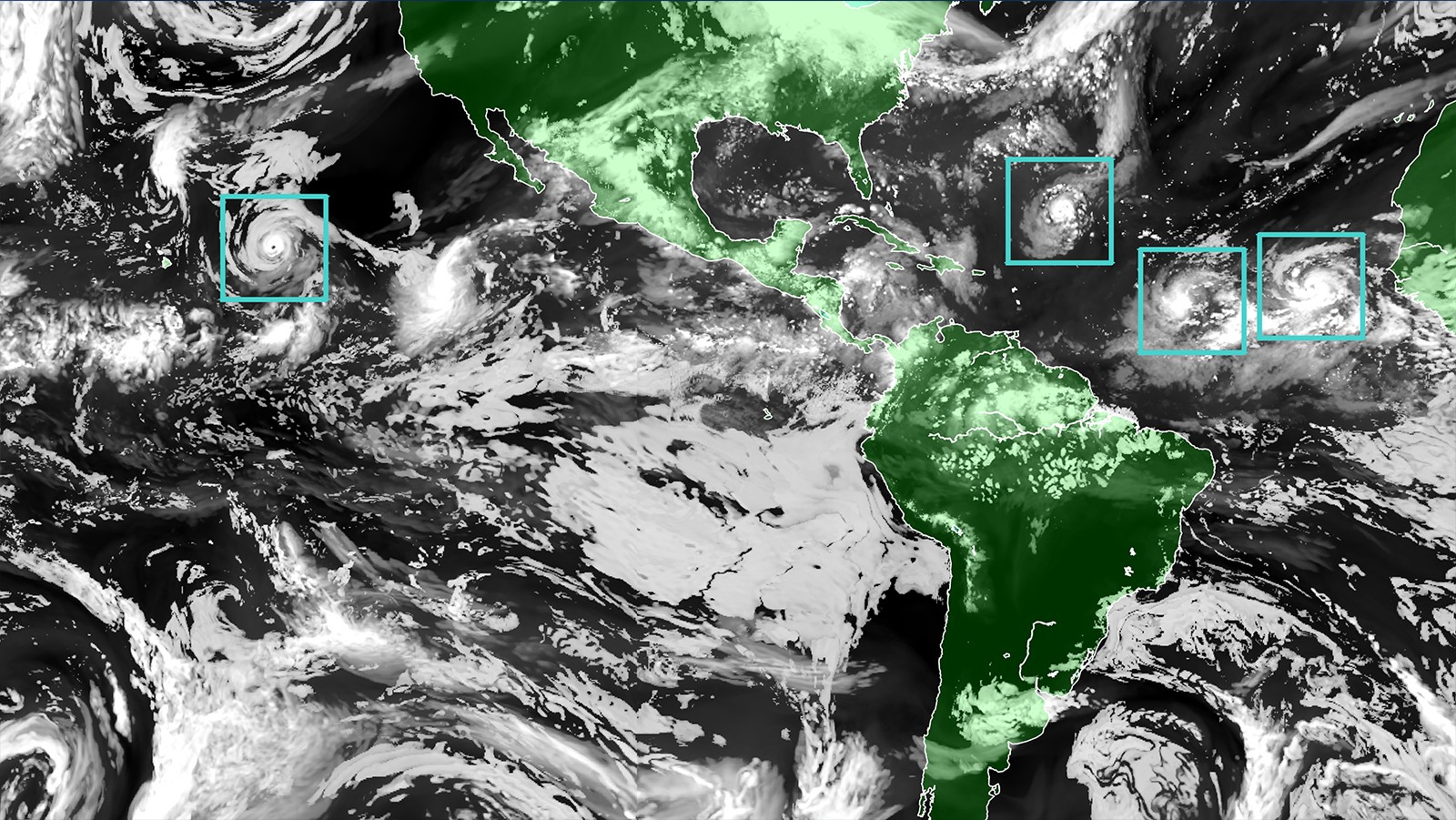
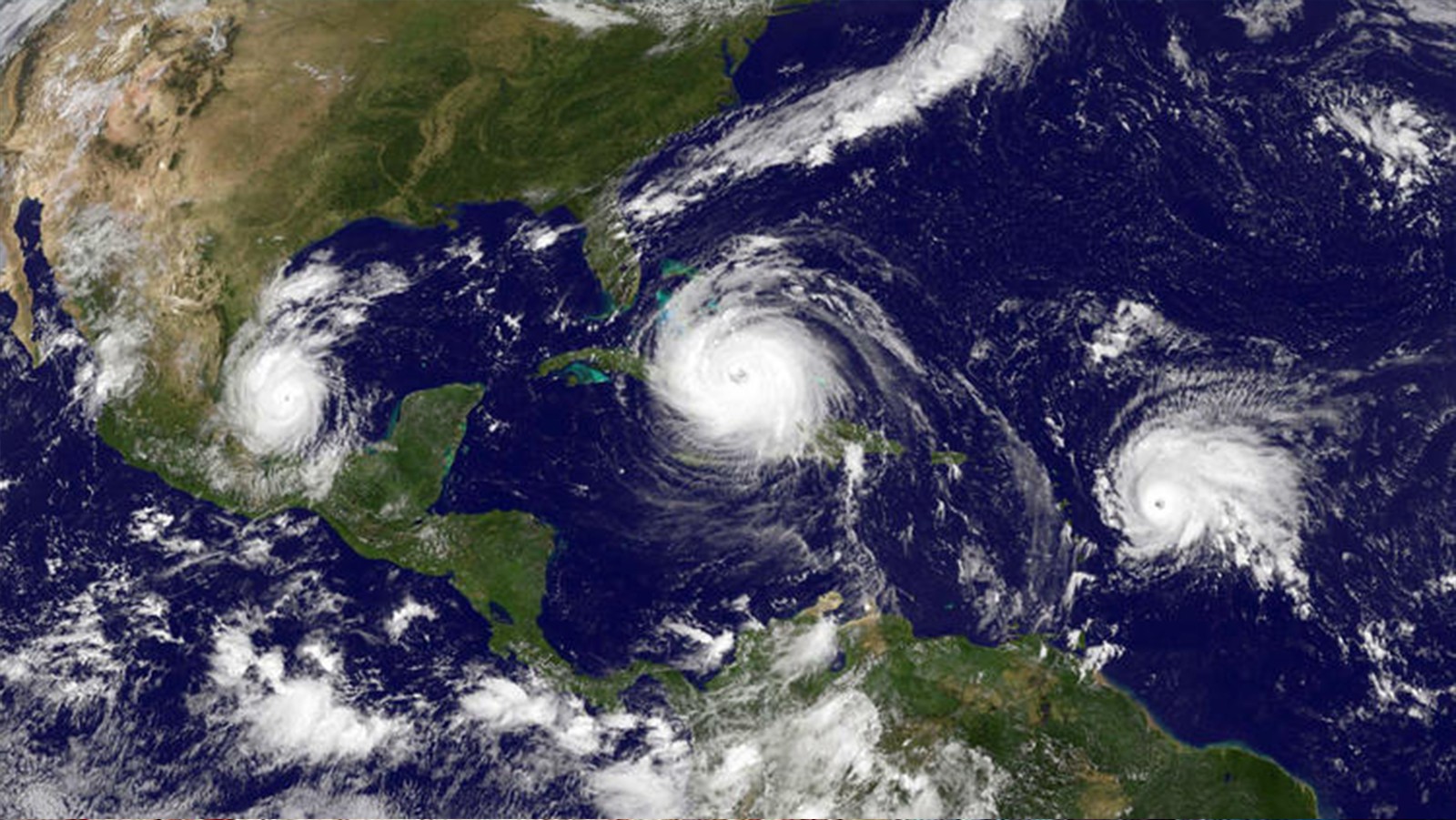
Scientists at NOAA’s Atlantic Oceanographic and Meteorological Laboratory (AOML) found that Atlantic Niño, the Atlantic counterpart of the Pacific El Niño, increases the formation of tropical cyclones off the coast of West Africa, also known as Cape (Cabo) Verde hurricanes. The study published in Nature Communications is the first to investigate the links between Atlantic Niño/Niña and seasonal Atlantic tropical cyclone activity and the associated physical mechanisms.

Read Full Article

Fifty-Five Days at Sea: Collecting Oceanographic Data from Brazil to Iceland

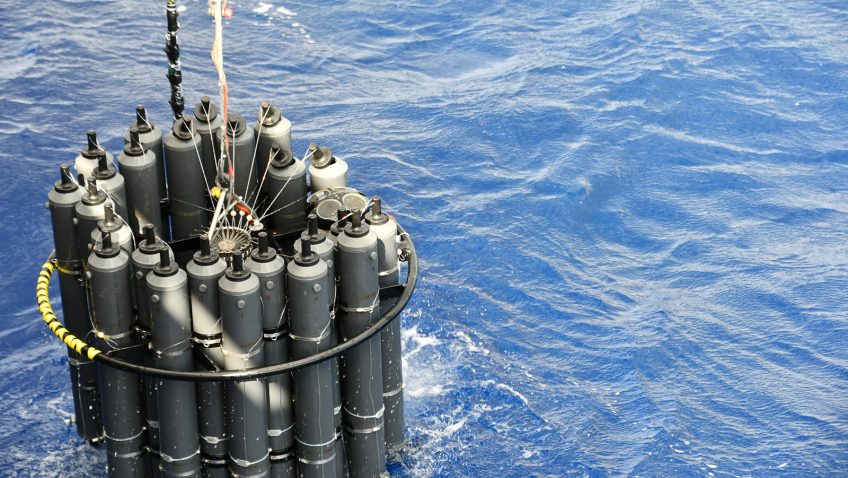
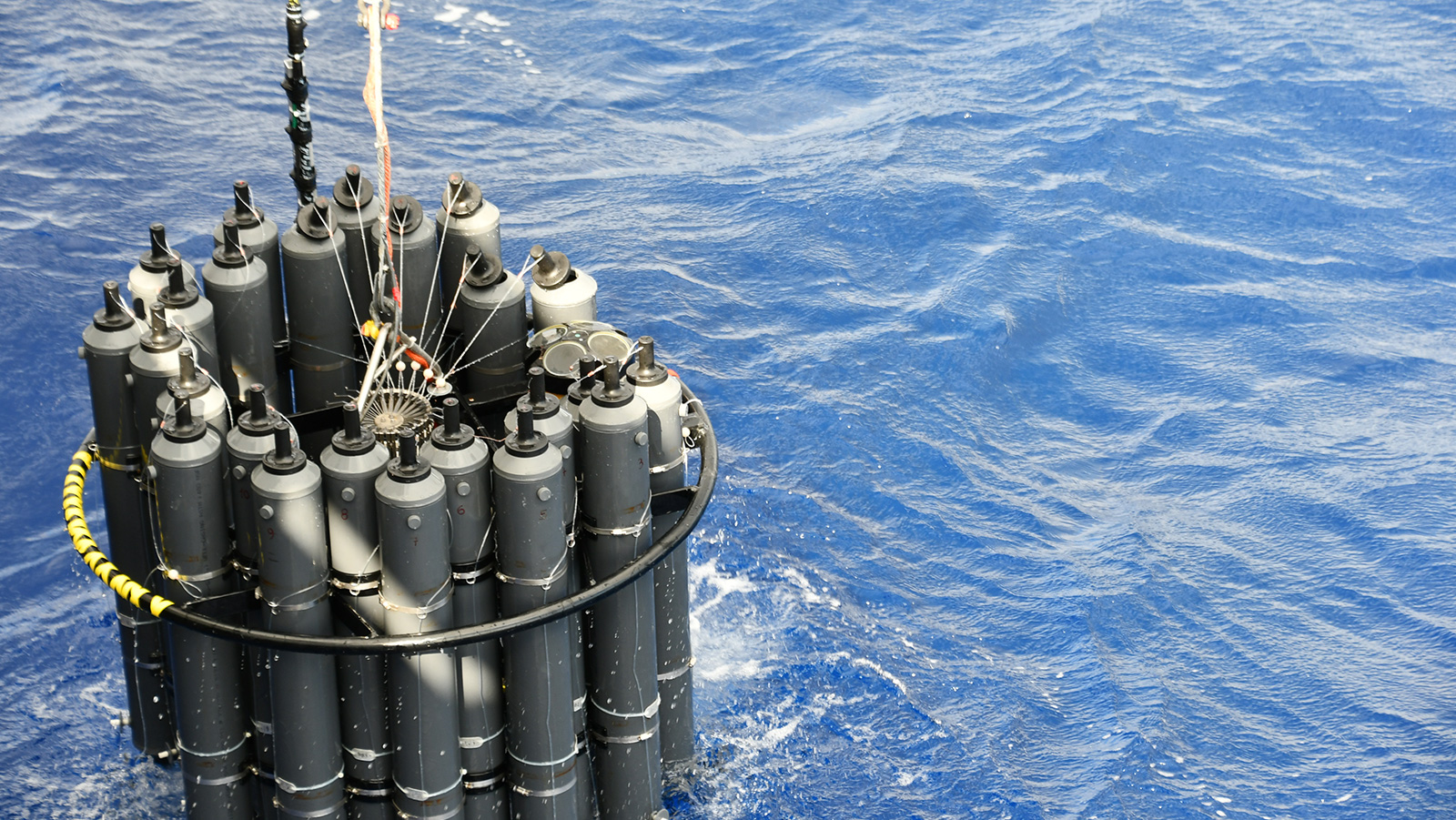
On May 9, a team of scientists aboard the NOAA Ship Ronald H. Brown arrived at their final destination in Reykjavik, Iceland following 55 days at sea. The team of 50 scientists and 28 crew members followed a track through the North Atlantic, from Brazil to Iceland, referred to as the A16N transect, and successfully completed 150 stations, collecting over 3,000 samples from the Atlantic’s surface to the seafloor, giving scientists a holistic snapshot of the Atlantic Ocean basin.

Read Full Article

NOAA Scientists Publish a New River Chemistry and Discharge Dataset for U.S. Rivers

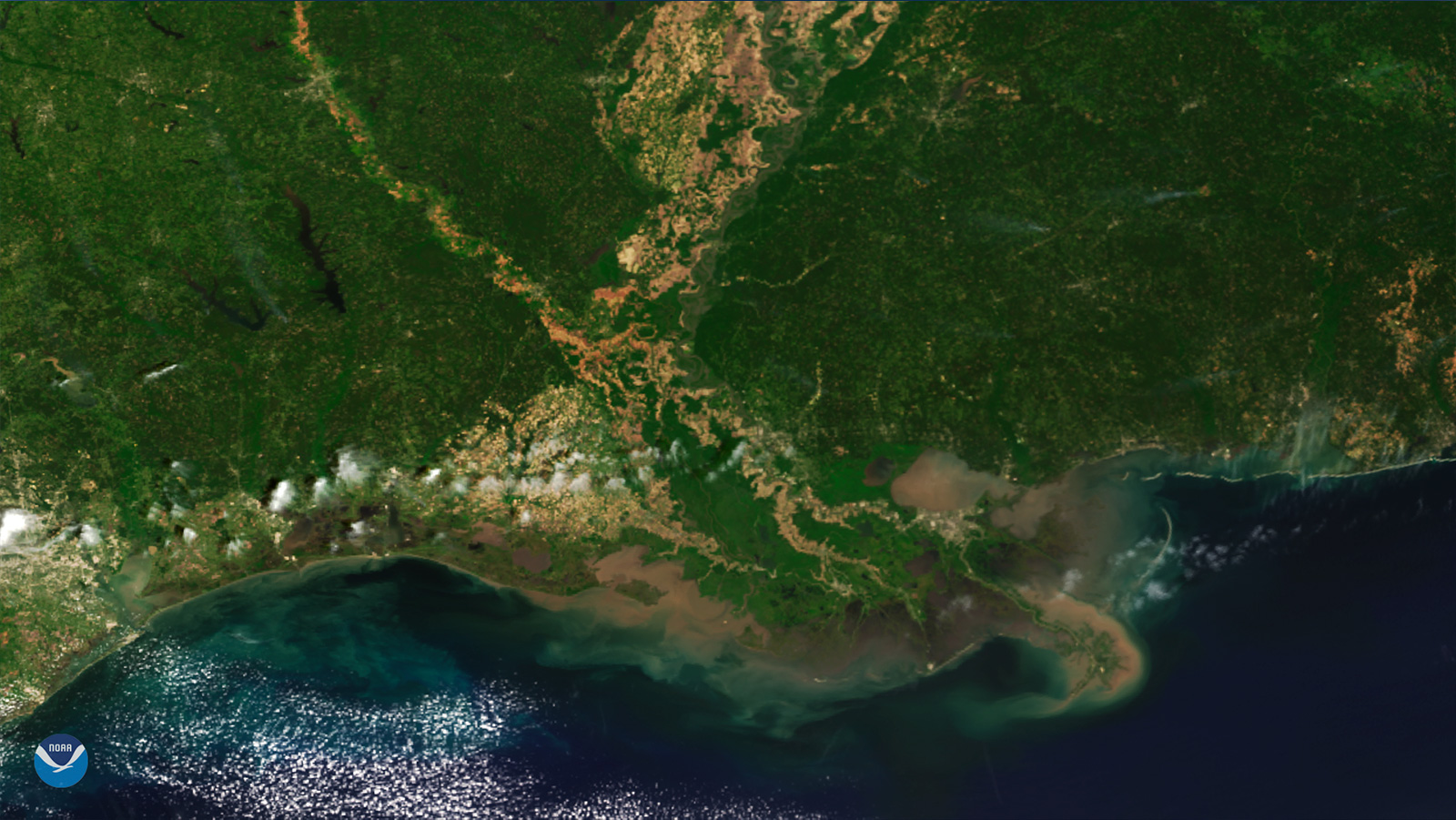
A new river chemistry and discharge dataset for U.S. coasts has been released. A recent publication by scientists at NOAA’s Atlantic Oceanographic and Meteorological Laboratory (AOML), Northern Gulf Institute (NGI), and NOAA’s Geophysical Fluid Dynamics Laboratory (GFDL) provides a river chemistry and discharge dataset for 140 U.S. rivers along the West, East, and Gulf of America coasts, based on historical records from the U.S. Geological Survey (USGS) and the U.S. Army Corps of Engineers. This dataset will be very useful for regional ocean biogeochemical modeling and carbon chemistry studies. 

Read Full Article