Drifter Program Catches a Lift to the Southern Ocean with the Volvo Ocean Race

If you’ve ever sailed aboard a ship in the coastal ocean, or checked a weather report before going to the beach, then you are one of many millions of people who benefit from ocean observations. NOAA collects ocean observations and weather data to provide mariners with accurate forecasts of seas, as well as coastal forecasts and even regional climate predictions. It takes a lot of effort to maintain observations in all of the ocean basins to support these forecasts, and NOAA certainly can’t do it alone. Partnerships are essential to maintaining a network of free-floating buoys, known as drifters, and NOAA’s latest partner is not your typical research or ocean transportation vessel: the six sailboats and crew currently racing around the world in the Volvo Ocean Race.

Read Full Article

New Antenna System Design Improves Reliability and Significantly Reduces Cost

Scientists and engineers from NOAA have successfully designed, built, and tested a new antenna system that dramatically increases data transmission reliability while drastically reducing operating costs. The new Iridium-based transmission system, developed by NOAA’s Atlantic Oceanographic & Meteorological Laboratory (AOML) & the Cooperative Institute for Marine & Atmospheric Studies (CIMAS), has no restrictions on data format or size, allowing data from various ocean and land-based observation platforms to be transmitted more reliably and at a fraction of the cost of the older Inmarsat-C platform. Since completion, the Iridium system has been adopted on a number of Expendable Bathythermographs (XBTs) observation transects and have been simultaneously tested and implemented in other AOML observing systems.

Read Full Article

Gulf of America Marine Food Web Changes Over the Decades

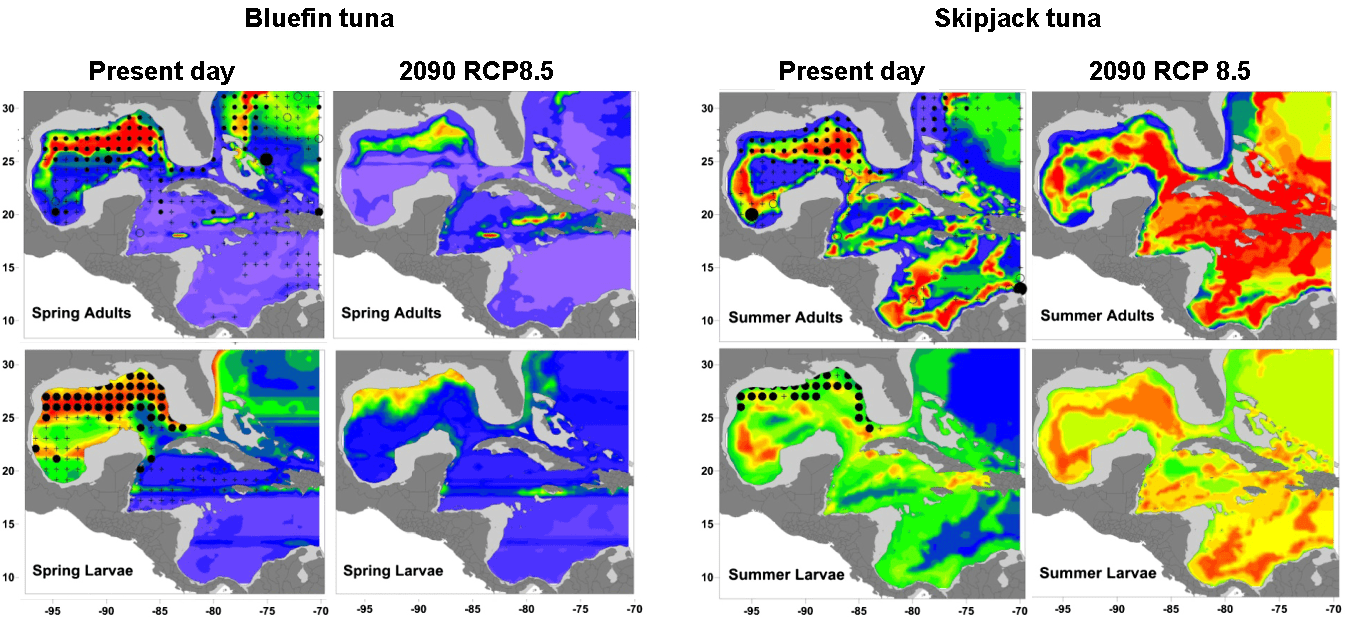
Scientists in the Gulf of America now have a better understanding of how naturally-occurring climate cycles–as well as human activities–can trigger widespread ecosystem changes that ripple through the Gulf food web and the communities dependent on it, thanks to a new study published Saturday in the journal Global Change Biology.

Read Full Article

February 2015 Western Boundary Time Series Cruise

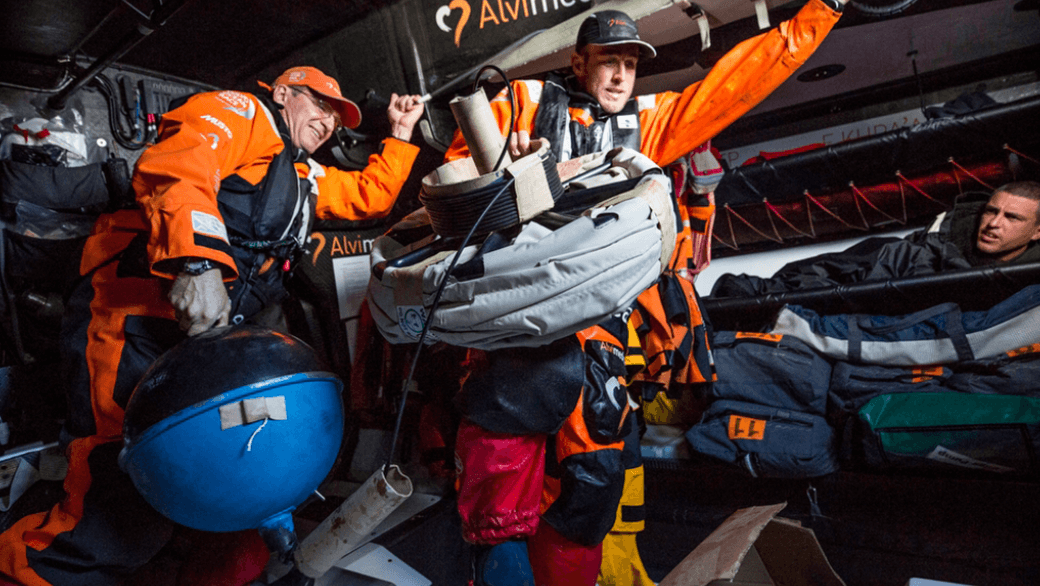
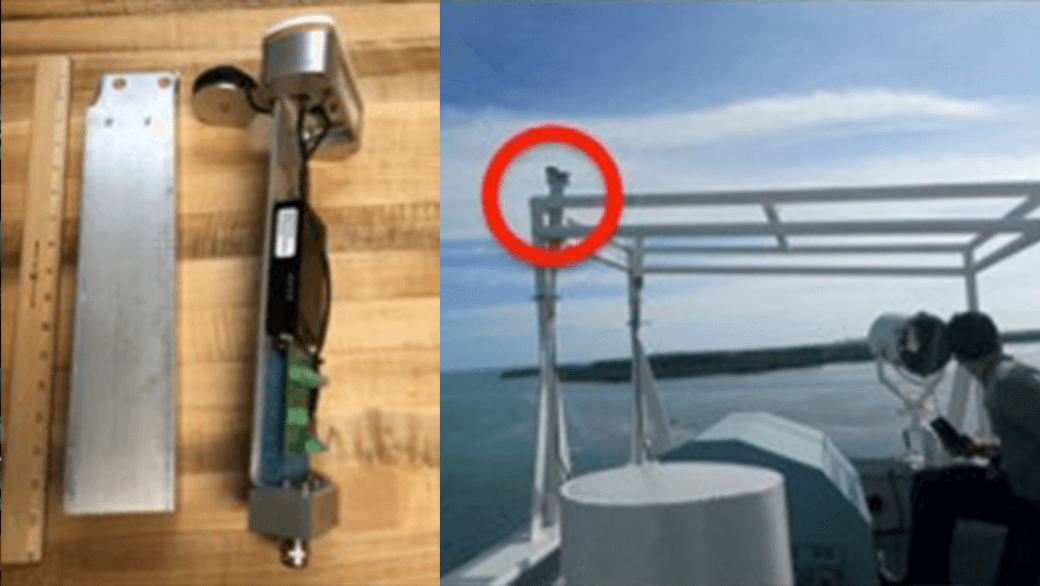
AOML physical oceanographers Molly Baringer, Ulises Rivero, Pedro Pena, Andrew Stefanick, Grant Rawson, Jay Hooper and Francis Bringas conducted a Western Boundary Times Series cruise aboard the UNOLS R/V Endeavor on February 15, 2015. Molly Baringer, AOML Deputy Director, served as chief scientist and was supported by additional crew from the University of Puerto Rico. Scientists measured full water column values of salinity, temperature, and oxygen. Scientists also telemetered data from a series of moorings along the 26th north parallel for a joint NOAA and National Science Foundation program designed to monitor the Atlantic meridional overturning circulation current. Francis Bringas also conducted a fall rate experiment that consisted of deploying 200 XBTs from different launch heights.
Read Full Article

Underwater Gliders Second Deployment

On February 6, 2015, AOML physical oceanographers deployed two underwater sea gliders from the University of Puerto Rico’s R/V La Sultana in hopes of improving prediction of hurricane intensity. This is the second deployment trial after two gliders had a successful first mission at sea from July-November 2014. The main goal of this project is to deploy a pilot network of underwater gliders in the Caribbean Sea and Tropical North Atlantic Ocean to help with hurricane intensity forecasting and provide valuable information about the role the ocean plays in tropical cyclone development.

Read Full Article

NOAA Selects Biscayne Bay for Next Habitat Blueprint Focus Area

NOAA has selected South Florida’s Biscayne Bay as one of the next Habitat Focus Areas under NOAA’s Habitat Blueprint. Habitat Blueprint offers opportunities for NOAA to partner with organizations to address coastal and marine habitat loss and degradation issues. It provides a framework, which builds upon existing programs, prioritizes activities, and helps users act strategically and preventively [...]
Read Full Article

Research Reveals New Theory on Hurricane Formation and Intensification

Download PaperThe Relative Roles of the Ocean and Atmosphere as Revealed by Buoy Air–Sea Observations in Hurricanes How do hurricanes form, survive, and intensify? Hurricane scientists have long believed upper ocean temperatures are the key factor. AOML’s Dr. Joe Cione reveals a new theory, after observing 62 Atlantic hurricanes of a span of 32 years, [...]
Read Full Article

AOML Hosts Satellite Workshop

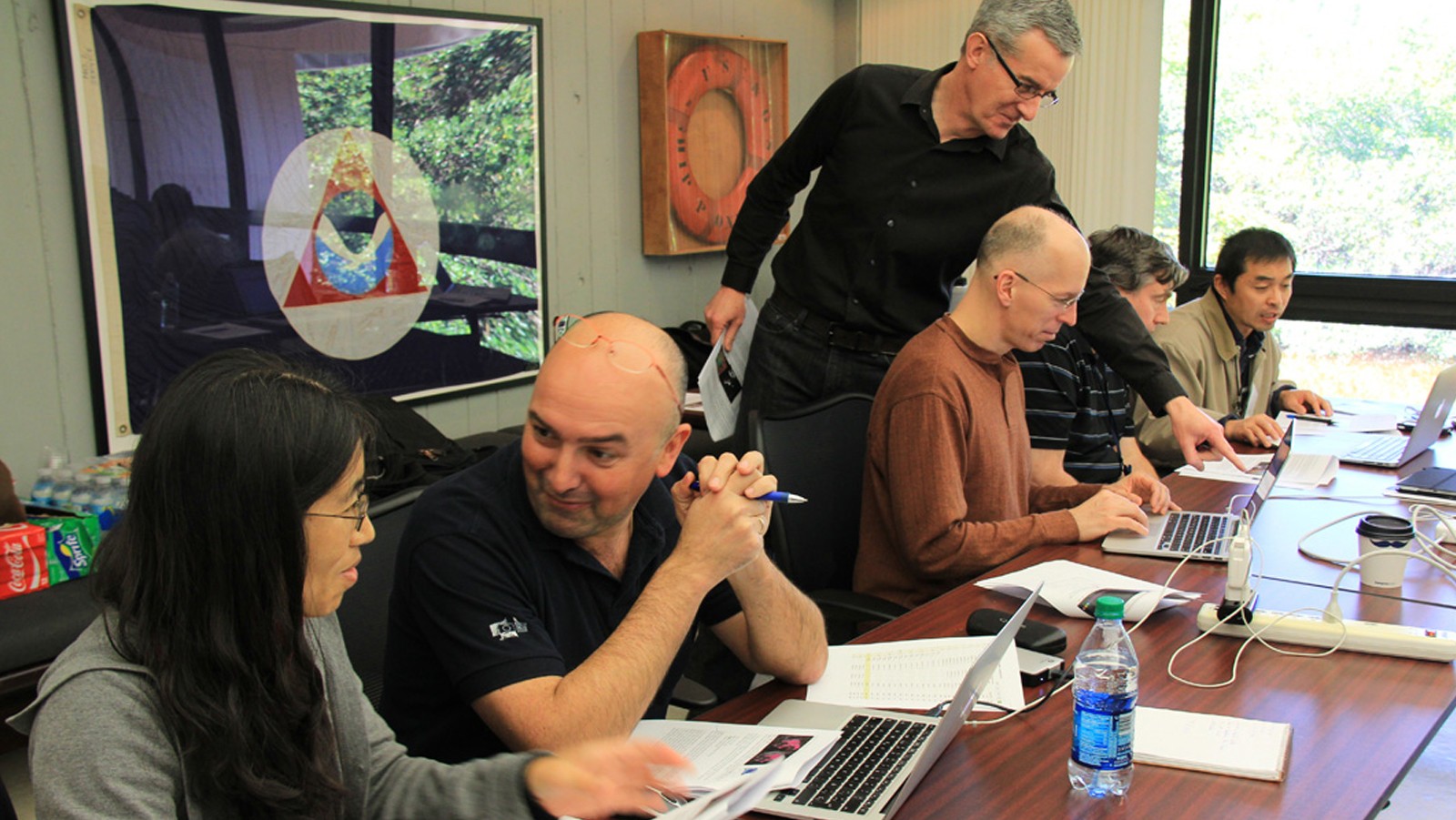
Scientists from University of Wisconsin-Madison Space Science and Engineering Center (SSEC) and the Cooperative Institute for Meteorological Satellite Studies visited AOML to provide training on how to use direct broadcast polar-orbiting satellite data for the enhancement of environmental forecasting and decision making. The course focused on the use of data from the new AOML antenna, including SuomiNPP and Aqua/Terra instrument observations and products.

Read Full Article