52nd Annual Federal Employee of the Year Award Program
Congratulations to AOML’s research oceanographer Sang-Ki Lee for winning the scientific category at the 52nd Annual Federal Employee of the Year Award Program on May 12th.

Congratulations to AOML’s research oceanographer Sang-Ki Lee for winning the scientific category at the 52nd Annual Federal Employee of the Year Award Program on May 12th.
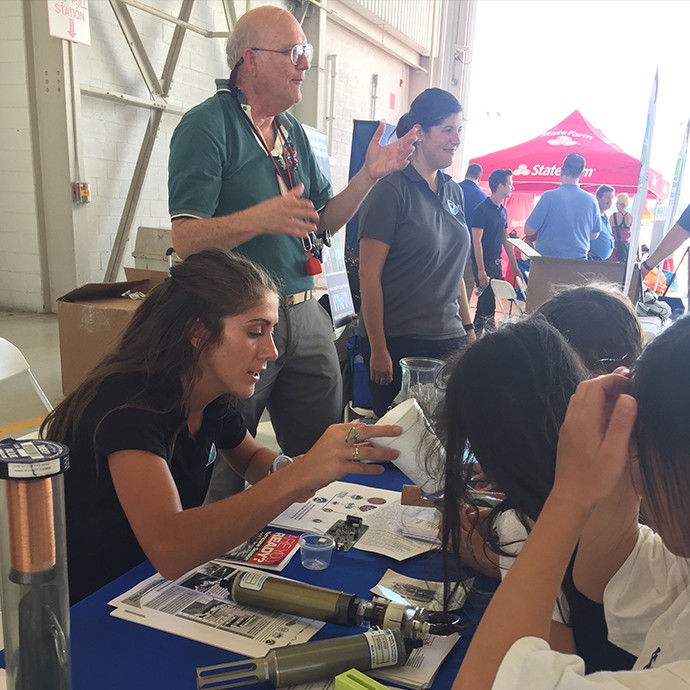
On May 12th, 2017, AOML oceanographic and meteorological scientists participated in the final leg of NOAA’s Hurricane Awareness Tour in Miami at the Opa-Locka Executive Airport.
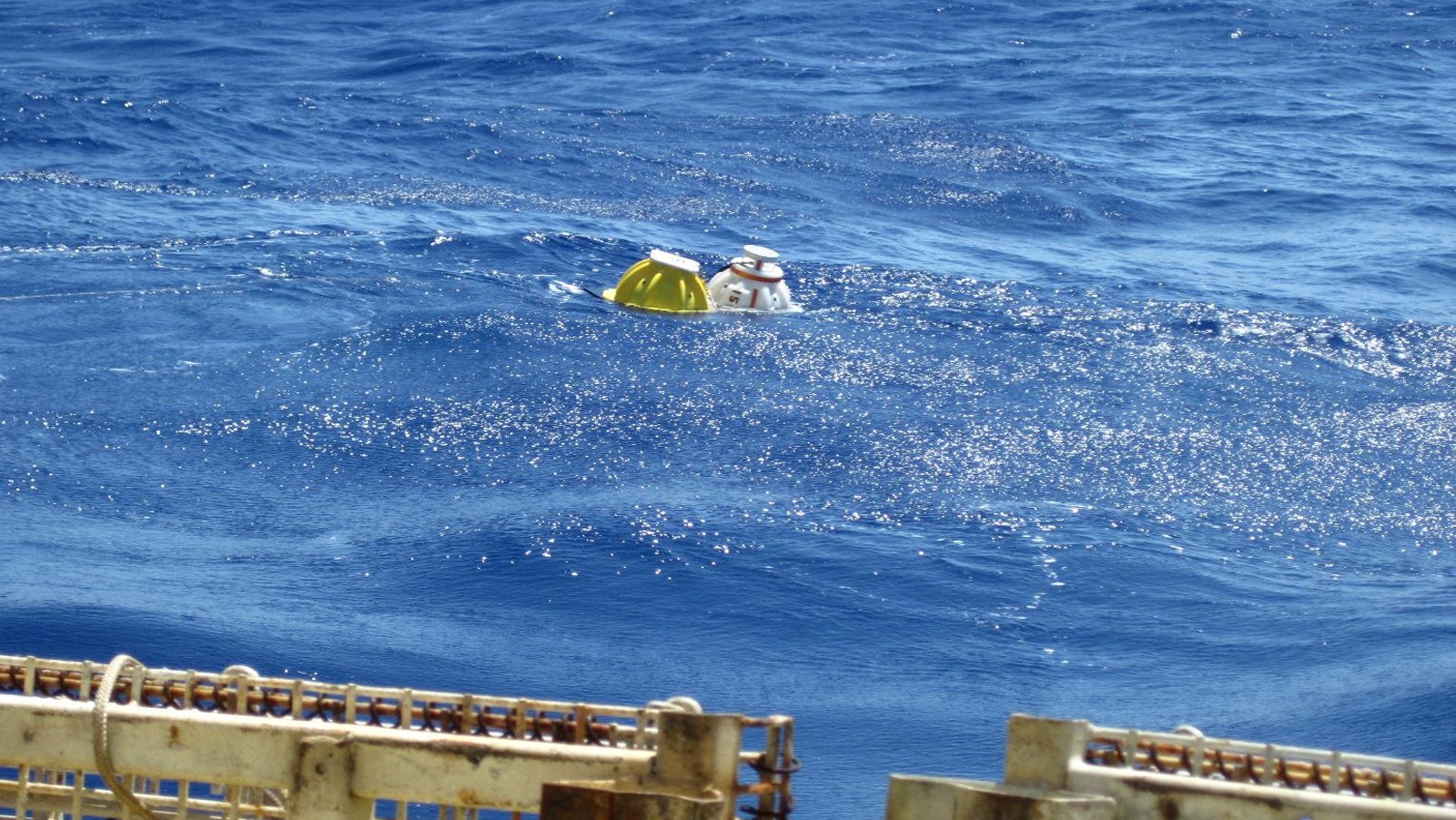
AOML scientists and colleagues from the University of Miami took part in a 17-day research cruise aboard R/V Endeavor in support of the NOAA-funded Western Boundary Time Series project.
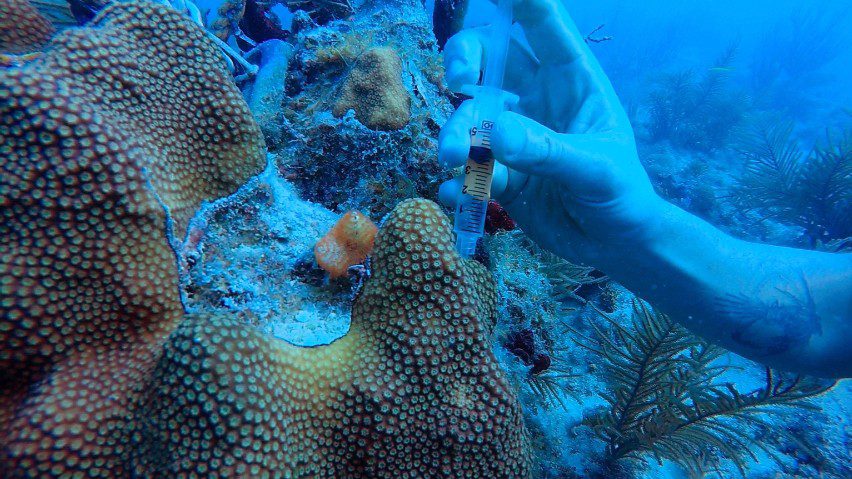
Scientists found that microbes and their genetic material from land-based sources of pollution could be found in reef water and in tissues of corals. This could affect the genomics of the native microbial communities found in coral reefs, which can impact how corals thrive and survive. These new insights highlight an additional potential threat to corals from land-based sources of pollution in southeast Florida, where corals are already under existential threat from warming oceans and resulting coral bleaching, disease and mortality.

The California Cooperative Oceanic Fisheries Investigations (CalCOFI) cruise sampling was completed on April 21st aboard NOAA Ship Bell M. Shimada.
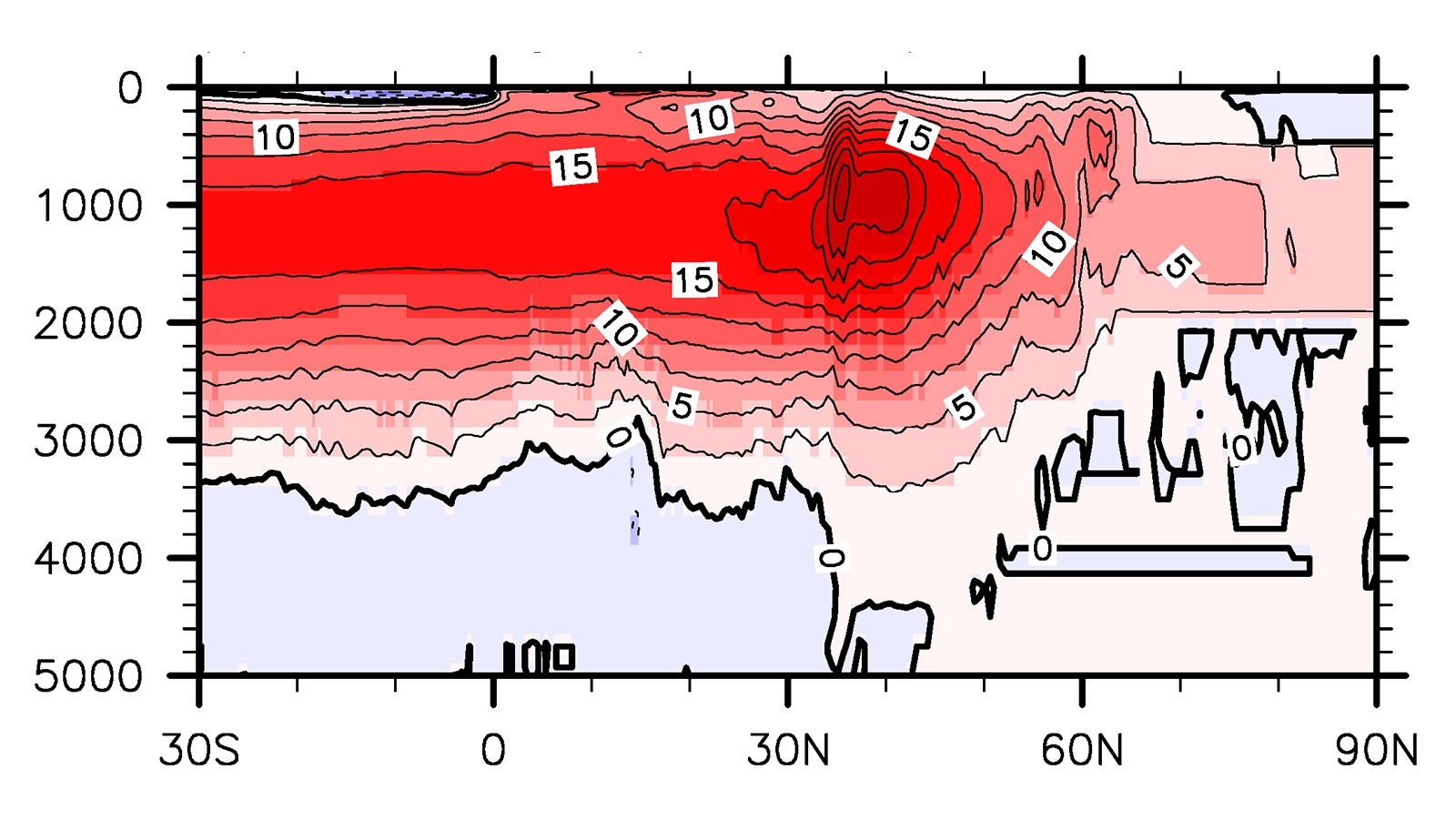
The Atlantic Meridional Overturning Circulation (AMOC) transports the upper warm water northward and the deep cold water southward in the Atlantic, and is a key component of the global energy balance. In many of the climate models that participate the Coupled Model Inter-comparison Project Phase 5 (CMIP5), the amplitudes of the AMOC agree very well with or are even larger than the observed value of about 18 Sv at 26.5N; but they still show cold upper ocean temperature biases in the North Atlantic.
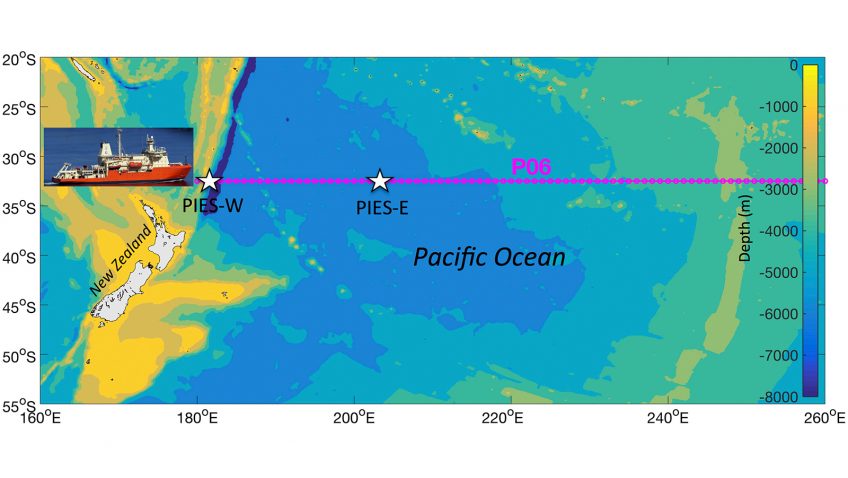
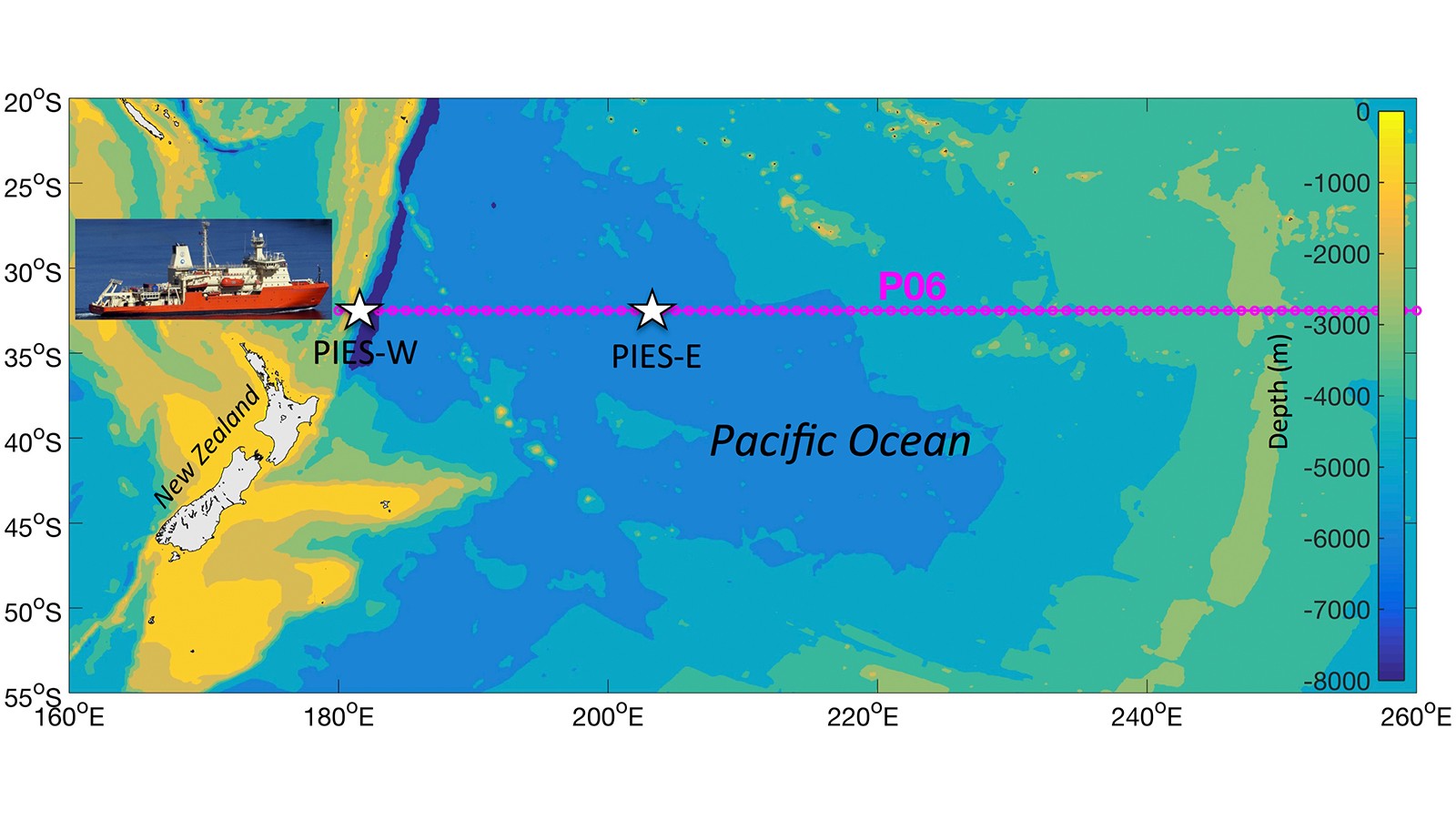
One of the most challenging questions in global climate change studies today is how quickly, or if, heat that accumulates within the Earth system penetrates into the deep ocean. Scientists with the University of Miami (UM), AOML, and NASA’s Jet Propulsion Laboratory (JPL) recently tackled this question by using a combination of present-day satellite and in situ observing systems to study the distribution of heat in the oceans.
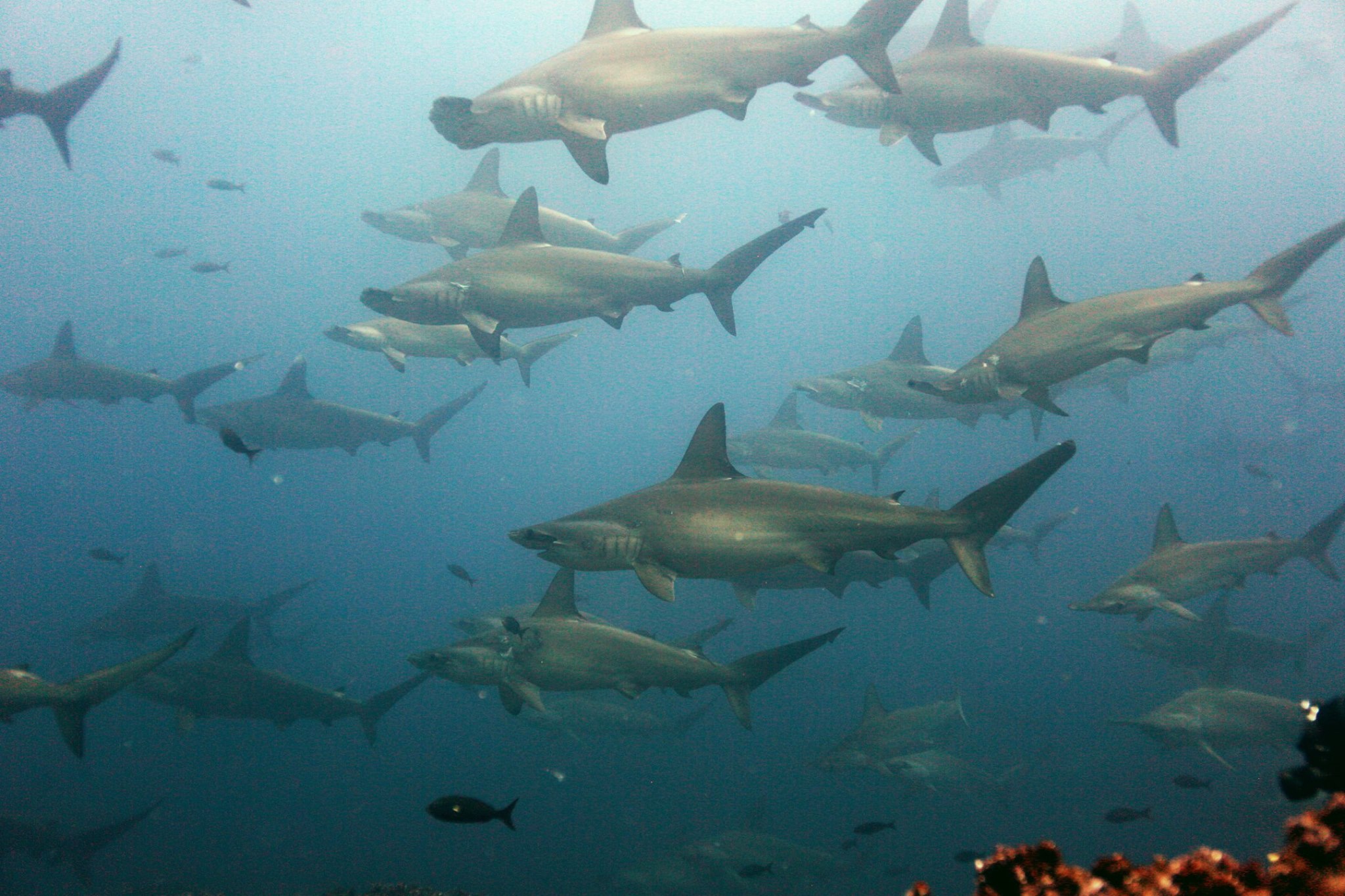
Coral scientists recently traveled to the Galapagos Islands to document coral reef health following the 2016-17 El Niño Southern Oscillation event (ENSO), which bathed the region in abnormally warm waters. Historically, these events have triggered coral bleaching and large-scale mortality, as seen in response to ENSO events of 1982-83 and 1997-98. Interestingly, these same reefs exhibited minimal bleaching in response to this most recent event. Scientists are determining whether this response is due to differing levels of heat stress, or an increased tolerance to warm water in the remnant coral communities.
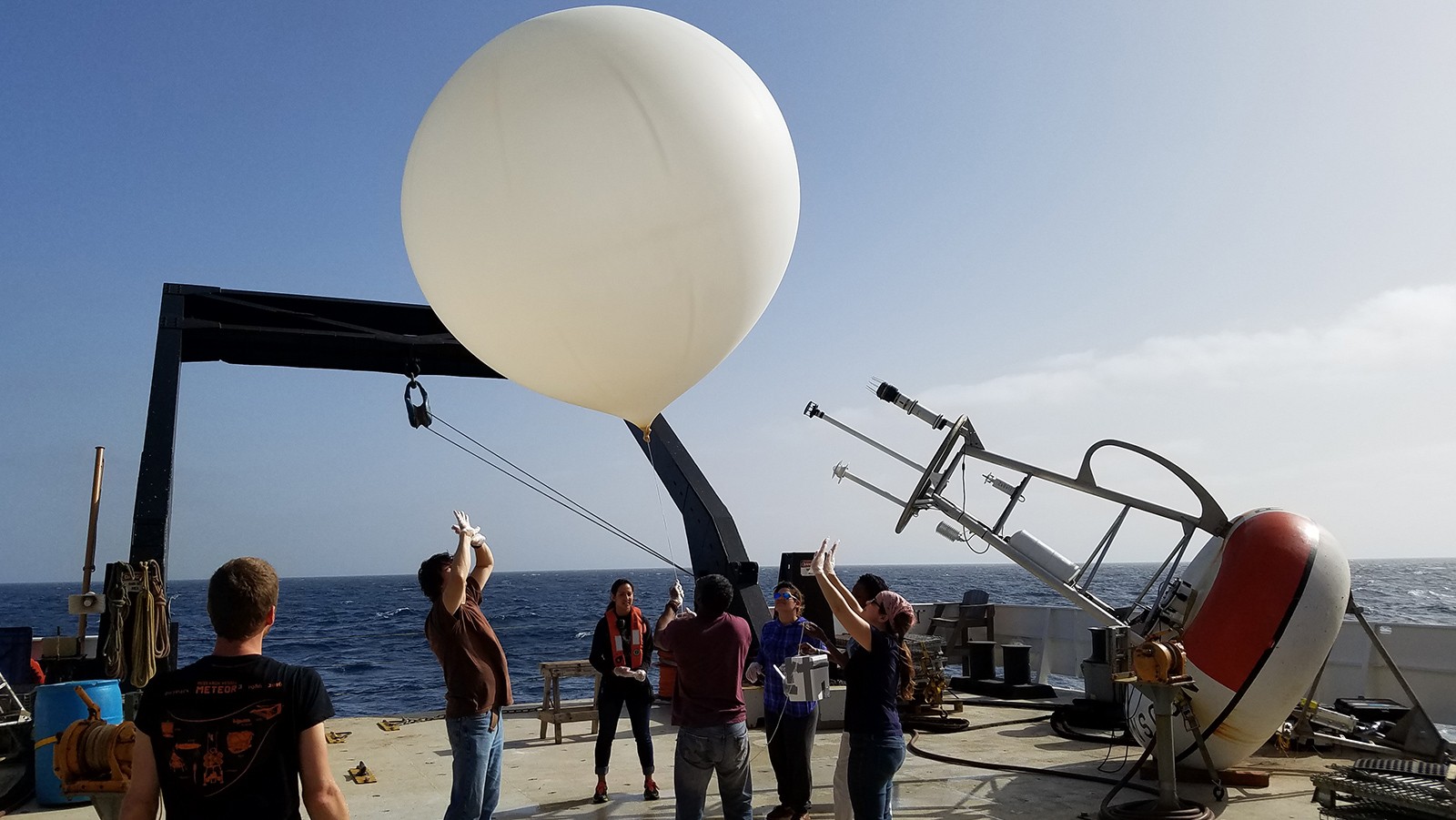
NOAA AOML scientists participated in the 2017 annual PIRATA Northeasten Extension (PNE) and Saharan Dust AERosols and Ocean Science Expeditions (AEROSE) cruise aboard the NOAA Ship Ronald H. Brown from February 19 to March 25.
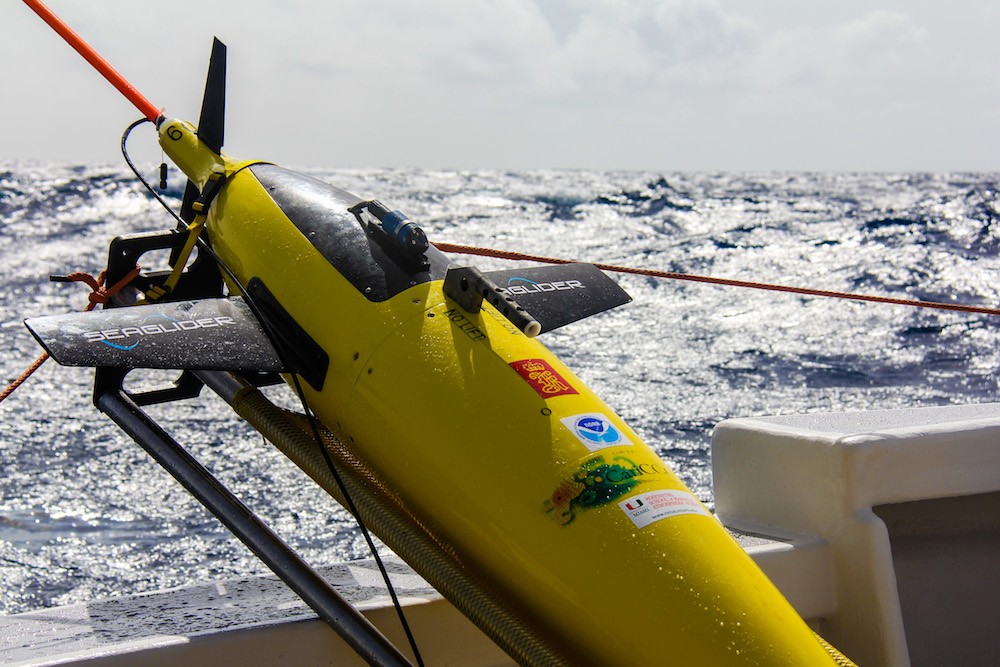
Throughout the Atlantic hurricane season, this autonomous underwater vehicle dives to depths up to 1,000 meters and travels thousands of kilometers across the Caribbean Sea.