Autor: Comunicaciones AOML

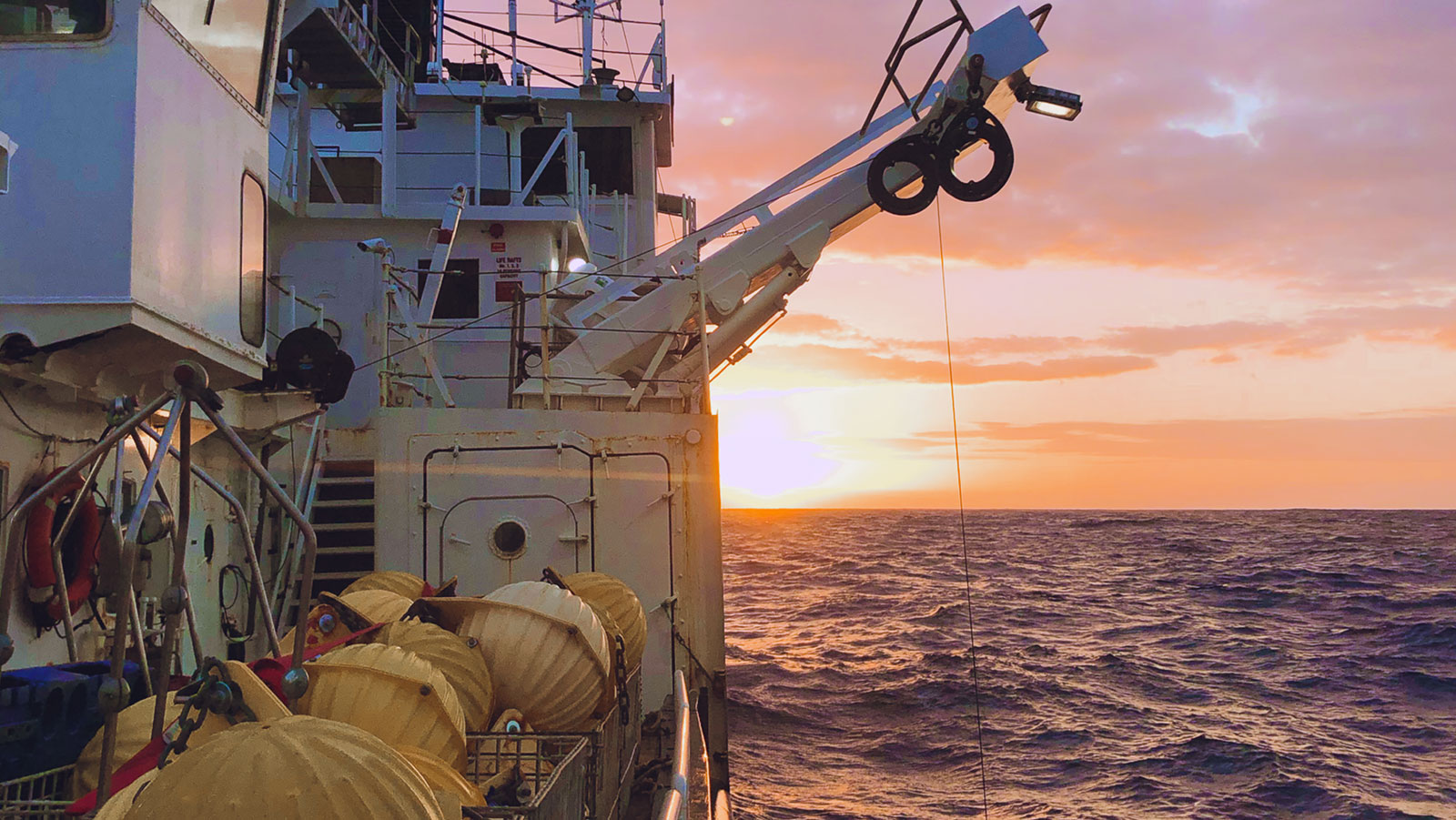
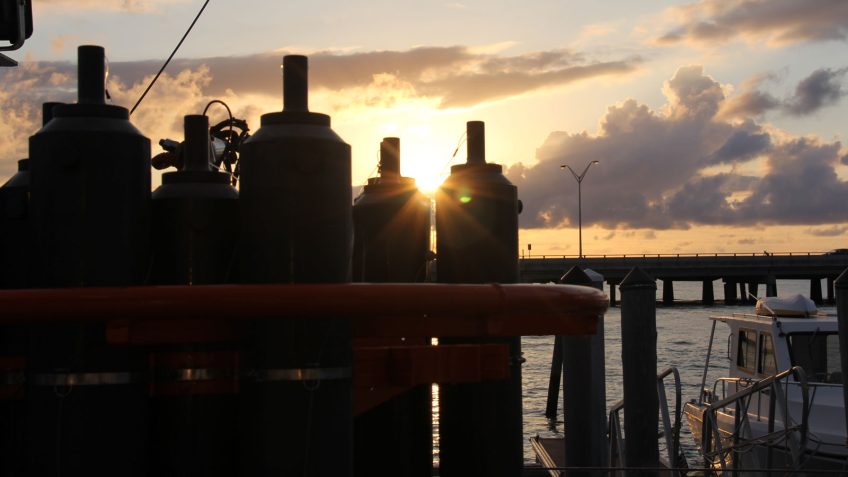
NOAA cruises set the foundation for restoring crucial Florida ecosystems

South Florida is comprised of 350 miles of the only barrier coral reef in North America – and the third largest in the world. 1,800 miles of shoreline is lined with mangroves in the Florida Keys alone, which provide coastal protection from storms and  support juveniles of commercialized fish species.  The region sustains the largest […]

Lea el artículo completo

New Insights into Deep Ocean Cooling in the Atlantic

New study reveals long-term cooling and freshening of the deep Subtropical North Atlantic Ocean, with hints of major shifts to come over next decade An official press release can be seen on the University of Miami Rosenstiel School’s newsroom website. A new study published in Nature Communications, Earth & Environment unveils a surprising new take […]

Lea el artículo completo

The Growing Impact of ENSO on U.S. Extreme Drought and Flood Events

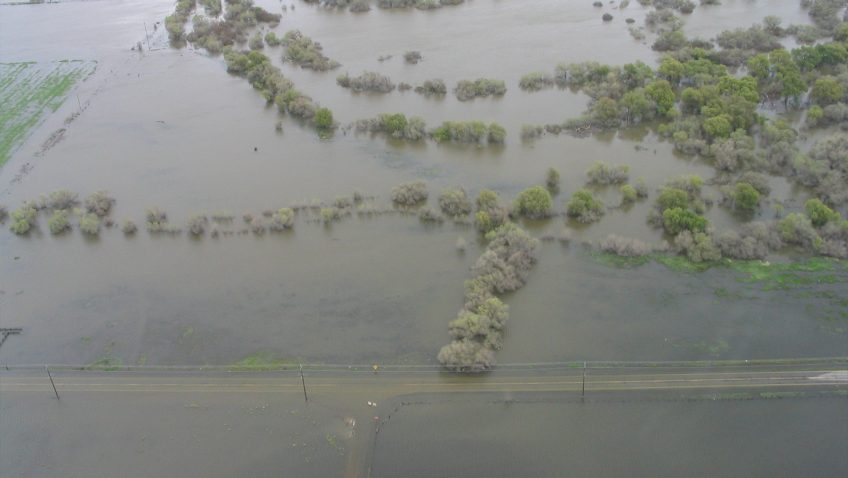
Extreme hydroclimate events, such as droughts, floods, and heavy rainfall, account for a substantial portion of weather-related disasters in the United States, leading to significant socio-economic losses involving agriculture, water resources, and public health, among others. For instance, from 1980 to 2024, droughts were responsible for approximately $368 billion in economic losses for the United […]

Lea el artículo completo

Early-career meteorologist, Jason Dunion, is a recipient of the prestigious PECASE award

Jason Dunion, Ph.D. – a Cooperative Institute for Marine and Atmospheric Studies (CIMAS) meteorologist affiliated with NOAA’s Atlantic Oceanographic and Meteorological Laboratory (AOML) – has been awarded the Presidential Early Career Award for Scientists and Engineers (PECASE), the most prestigious award granted by the U.S. government to exceptional scientists and engineers in the early stages […]

Lea el artículo completo

Advancing our understanding of the Atlantic Meridional Overturning Circulation (AMOC)

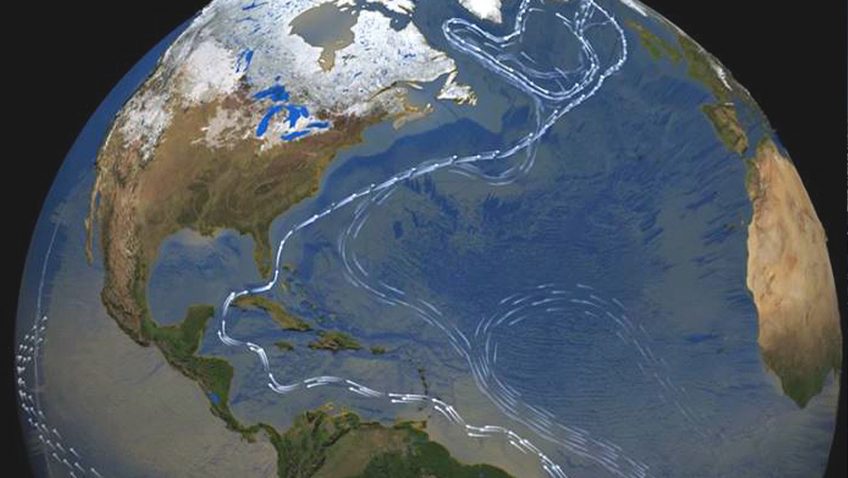
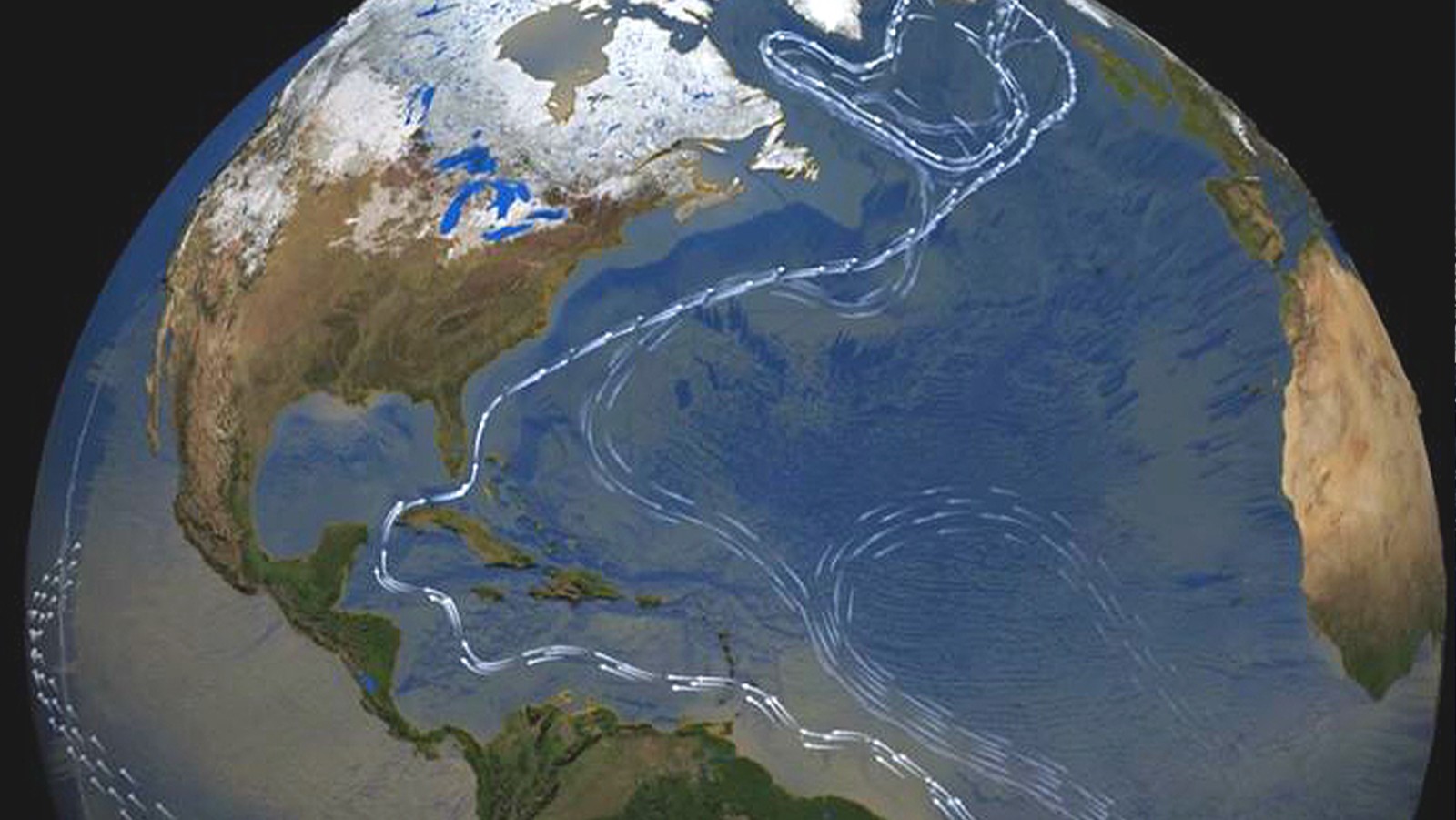
A pause in the weakening of the AMOC since the early 2010s A recent study by scientists at AOML found that extensive weakening of the Atlantic Meridional Overturning Circulation (AMOC) occurred in the 2000s, but has paused since the early 2010s due to a tug-of-war between the natural and anthropogenic signals.  The AMOC is the […]

Lea el artículo completo

New NOAA system ushers in next generation of hurricane modeling, forecasting

Originally published on noaa.gov on January 13th, 2025. Accurate forecasts and early warnings from NOAA’s National Hurricane Center (NHC) — a division of NOAA’s National Weather Service (NWS) — are vital to safeguarding communities that are in the paths of hurricanes and tropical storms.  As we kick off the new year, now is the perfect time to look back […]

Lea el artículo completo

Ships of Opportunity: Crossing the Arctic to investigate the ocean’s uptake of carbon and increasing Ocean Acidification

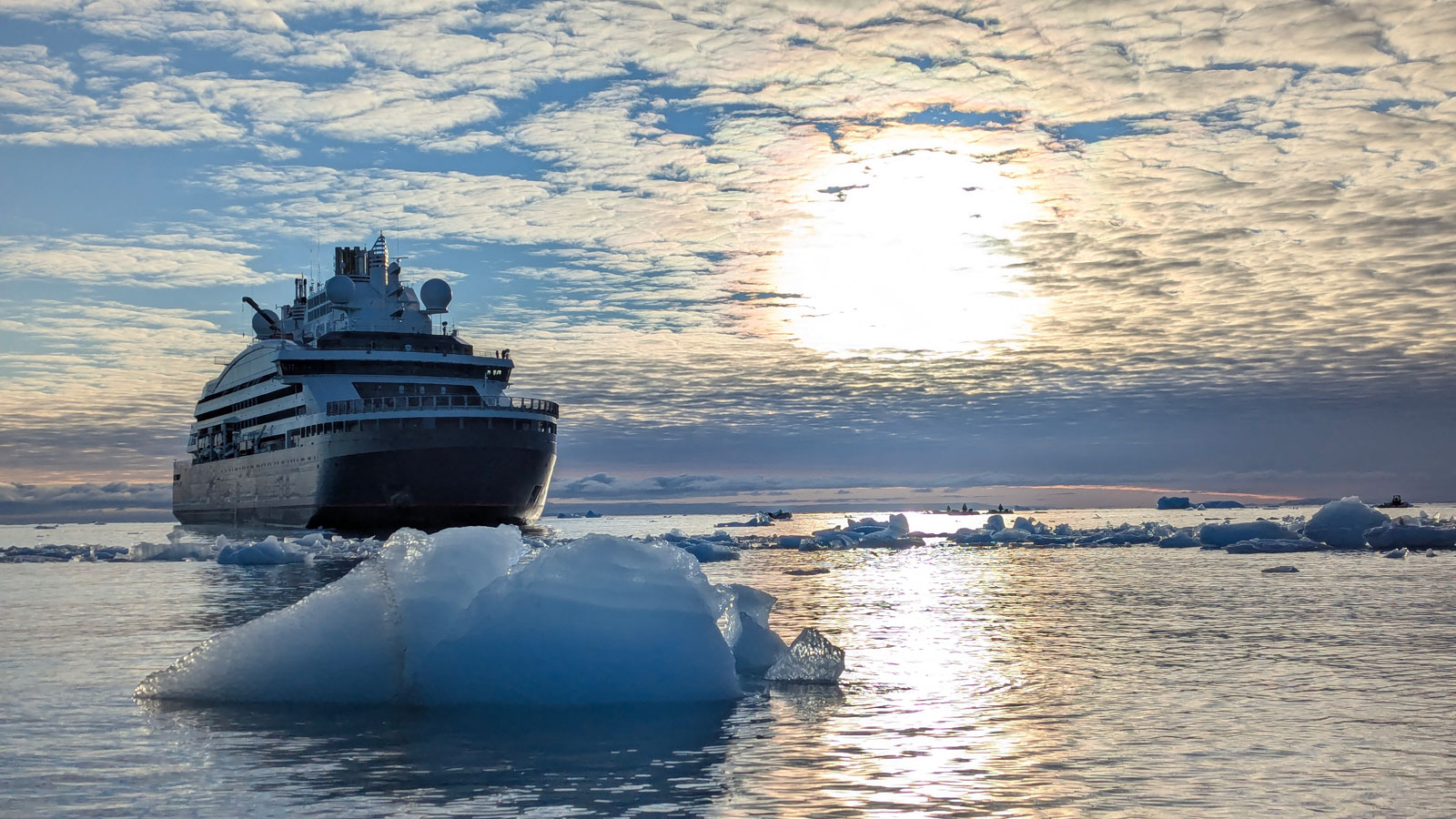
The air and surface temperature tip just above freezing.  Cruiseliner Ponant’s 492-ft vessel Le Commandant Charcot floats idle at marked coordinates in the Arctic tundra between Alaska and Norway. On the aft deck, a team of scientists deploys Niskin bottles using a handcrank to the depths, collecting water samples 900 meters below an ocean blanketed […]

Lea el artículo completo

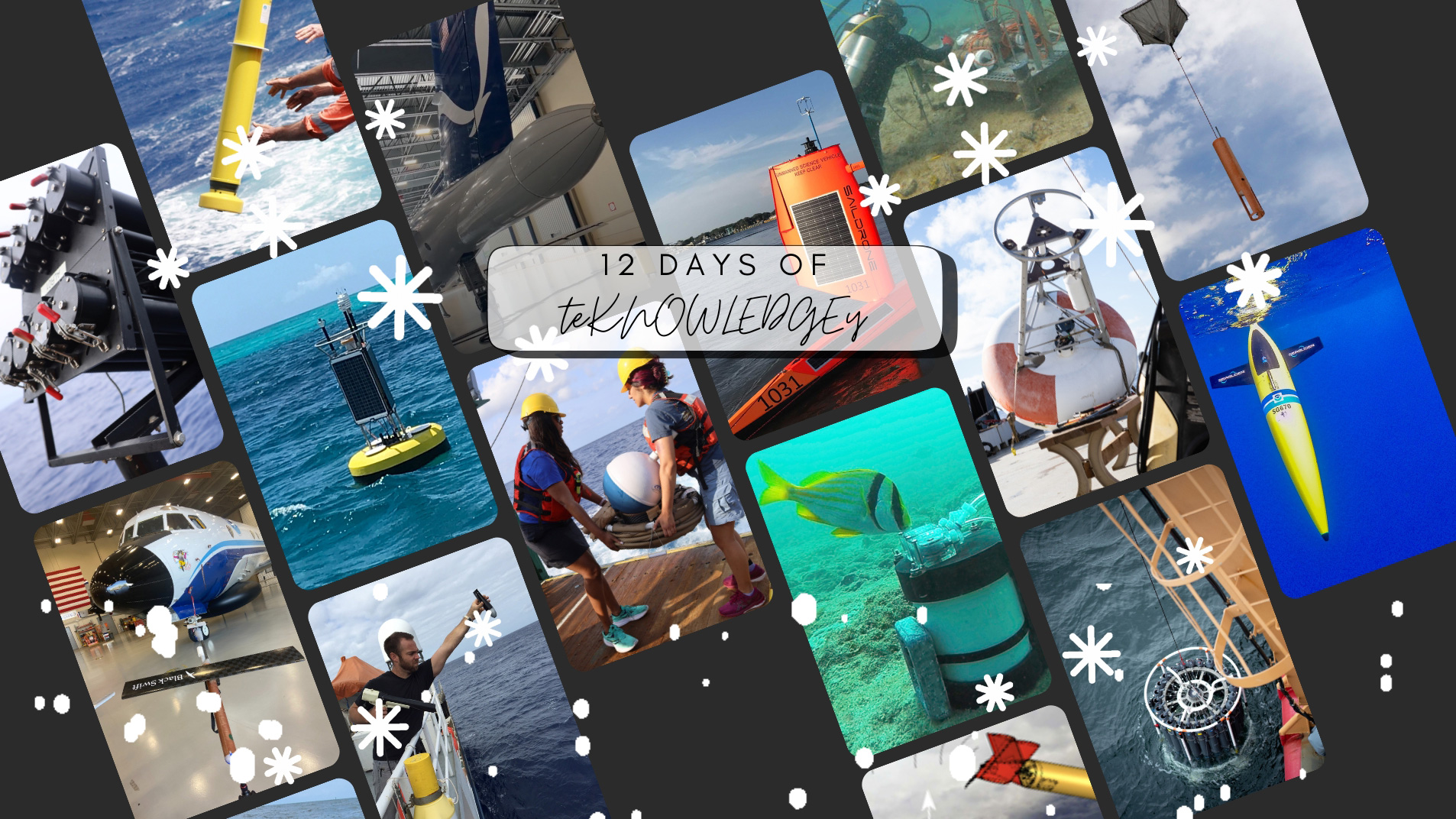
12 days of teKNOWLEDGEy

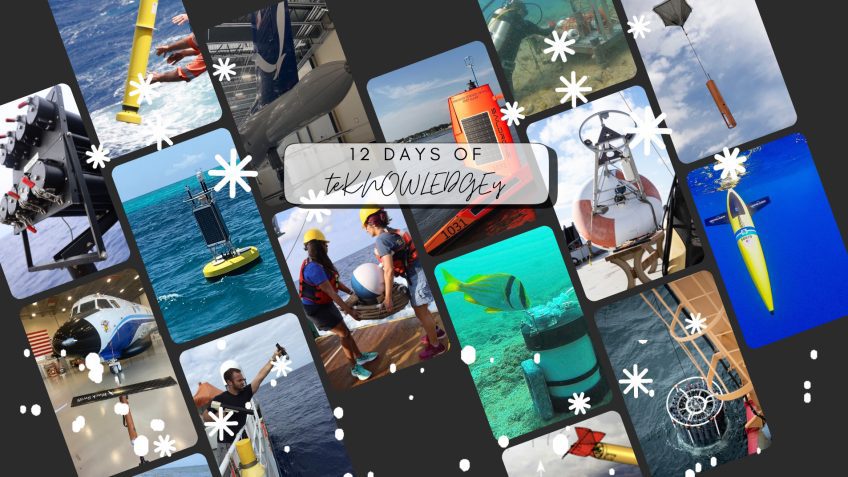
Behind every research project at NOAA’s Atlantic Oceanographic and Meteorological Laboratory (AOML) are a suite of instruments. Whether descending to depths or weathering storms, these technologies are paramount to oceanic and atmospheric observations.  Get to know 12 of these instruments with a new social media series: 12 Days of teKNOWLEDGEy! On the 1st day of […]

Lea el artículo completo

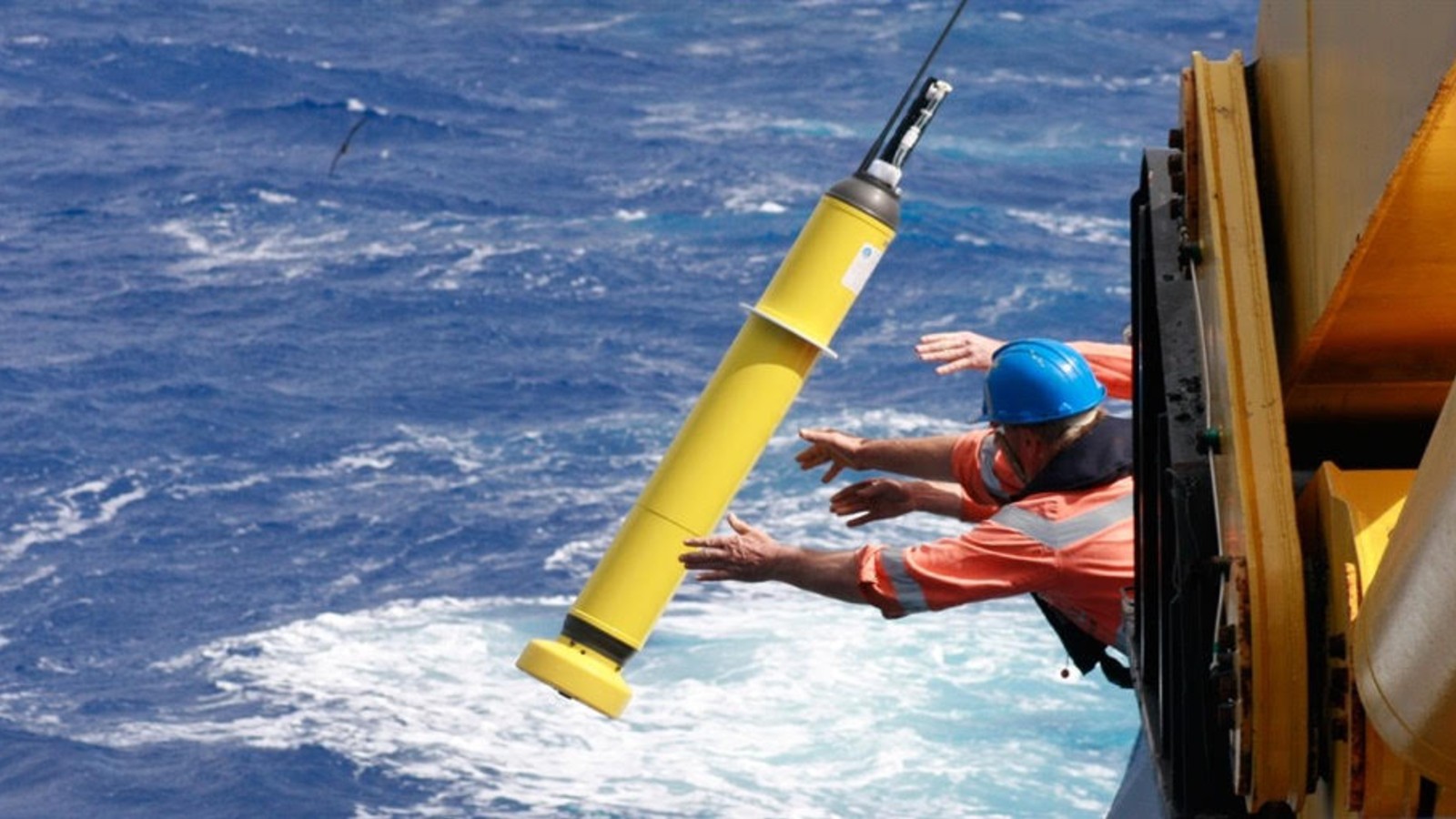
Argo, the ‘crown jewel’ of ocean observing systems, turns 25

Originally published on noaa.gov on December 11, 2024. Somewhere in the middle of the ocean, a merchant mariner lowers a cylindrical robotic ocean observing instrument from a ship into the sea to record ocean temperature and salinity. Another instrument is deployed from a plane into the eye of a hurricane to take the pulse of […]

Lea el artículo completo

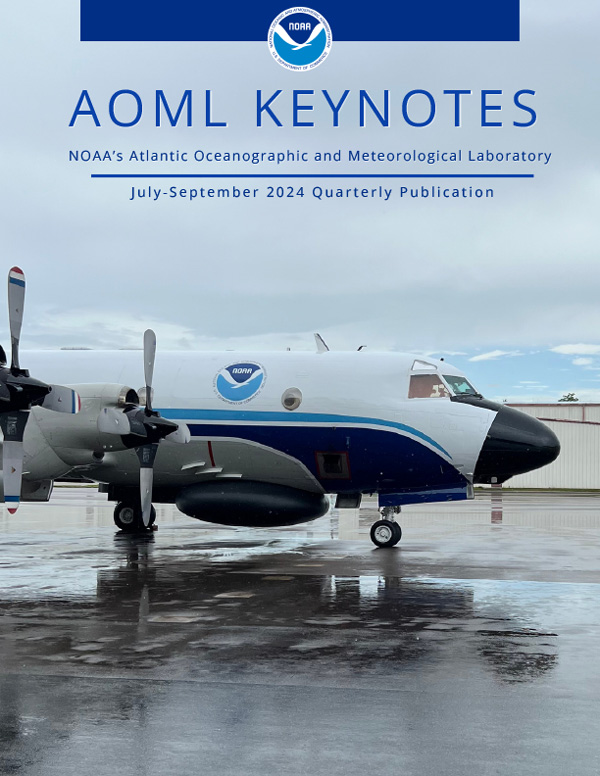
Innovation, insight and impact: groundbreaking research through the 2024 hurricane season

November 30th marks the official end of the 2024 Atlantic hurricane season. Throughout this active season, NOAA scientists set new records in tropical cyclone research that will improve forecasting accuracy, enhance our understanding of storm behavior, and strengthen preparedness efforts for communities in hurricane-prone regions. Their dedication and innovation contribute to a safer and more […]

Lea el artículo completo