Climate Change to Drive More Extreme Heat Waves in the United States

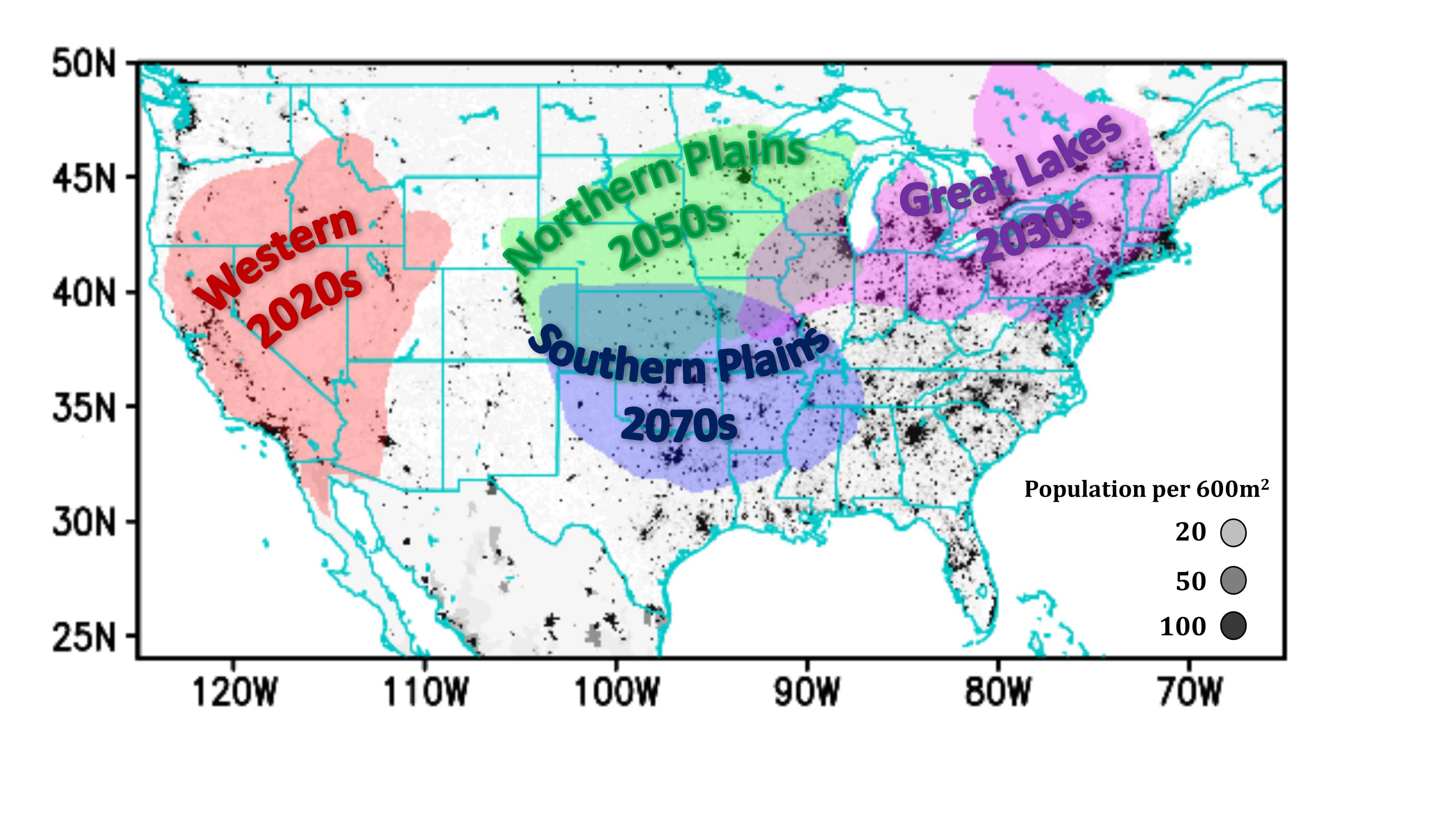
A new analysis of heat wave patterns appearing in Nature Climate Change focuses on four regions of the United States where human-caused climate change will ultimately overtake natural variability as the main driver of heat waves. Climate change will drive more frequent and extreme summer heat waves in the Western United States by late 2020’s, the Great Lakes region by mid 2030’s, and in the northern and southern Plains by 2050’s and 2070’s, respectively.

“These are the years that climate change outweighs natural variability as the cause of heat waves in these regions,” said Hosmay Lopez, a meteorologist at NOAA’s Atlantic Oceanographic Meteorological Laboratory and the University of Miami’s Rosenstiel School Cooperative Institute for Marine and Atmospheric Studies and lead author of the study. “Without human influence, half of the extreme heat waves projected to occur in the future wouldn’t happen.”
Read Full Article

AOML Hosts Take Your Child to Work Day 2018

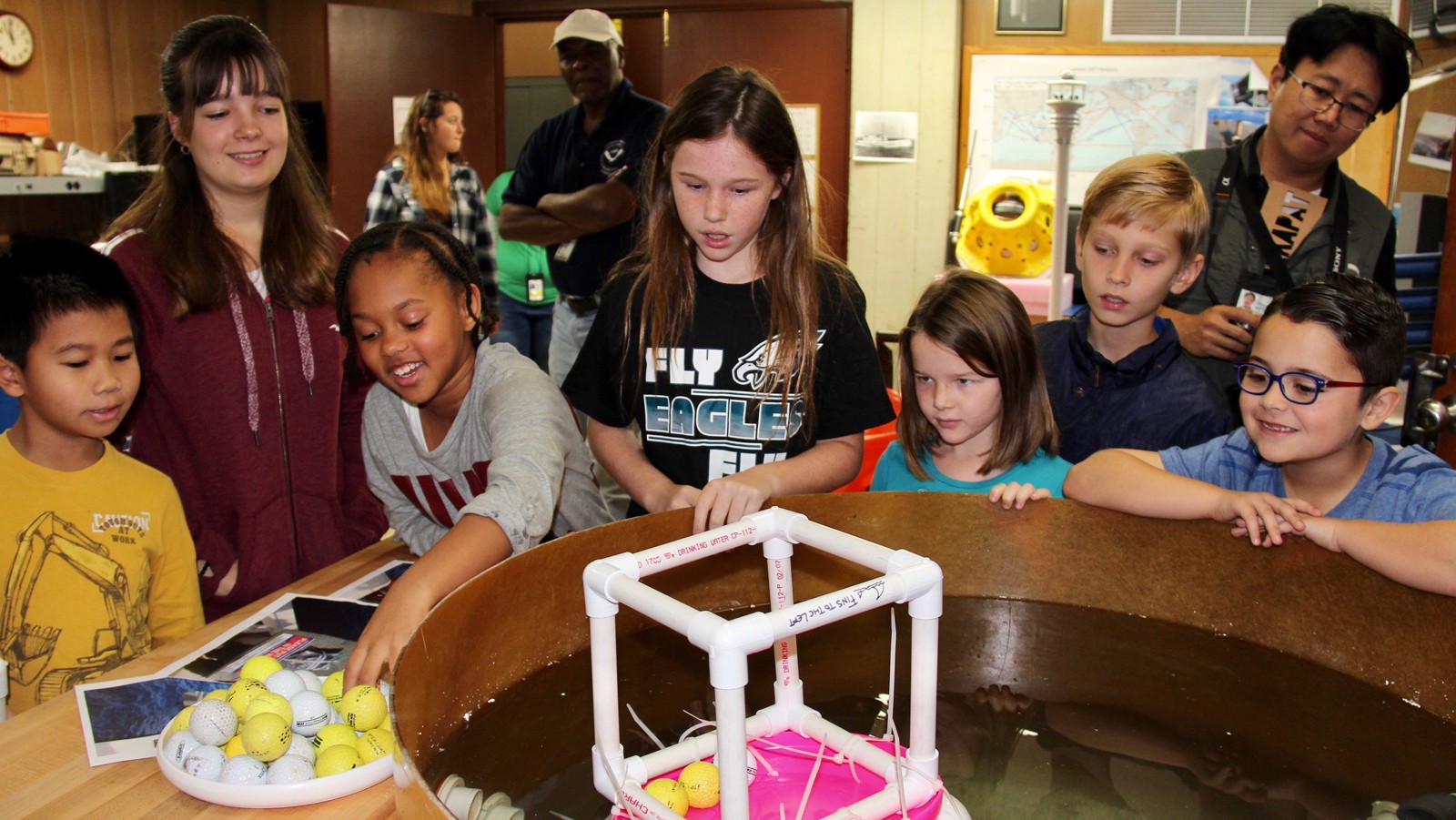
Each year, AOML scientists have the opportunity to bring their children to work, where they are taught about different aspects of the research being performed within the three divisions of AOML. This year, the children partook in lessons and activities in the subjects of buoyancy, density, ocean currents and circulation, marine debris, ecosystem based management, and ocean observations.

Read Full Article

Underwater Gliders Contribute to Atlantic Hurricane Season Operational Forecasts

Scientists strategically deployed the gliders during the peak of hurricane season, from July through November 2017, collecting data in regions where hurricanes commonly travel and intensify. The gliders continually gathered temperature and salinity profile data, generating more than 4,000 profiles to enhance scientific understanding of the air-sea interaction processes that drive hurricane intensification.

Read Full Article

An Enhanced PIRATA Data Set for Tropical Atlantic Ocean-Atmosphere Research

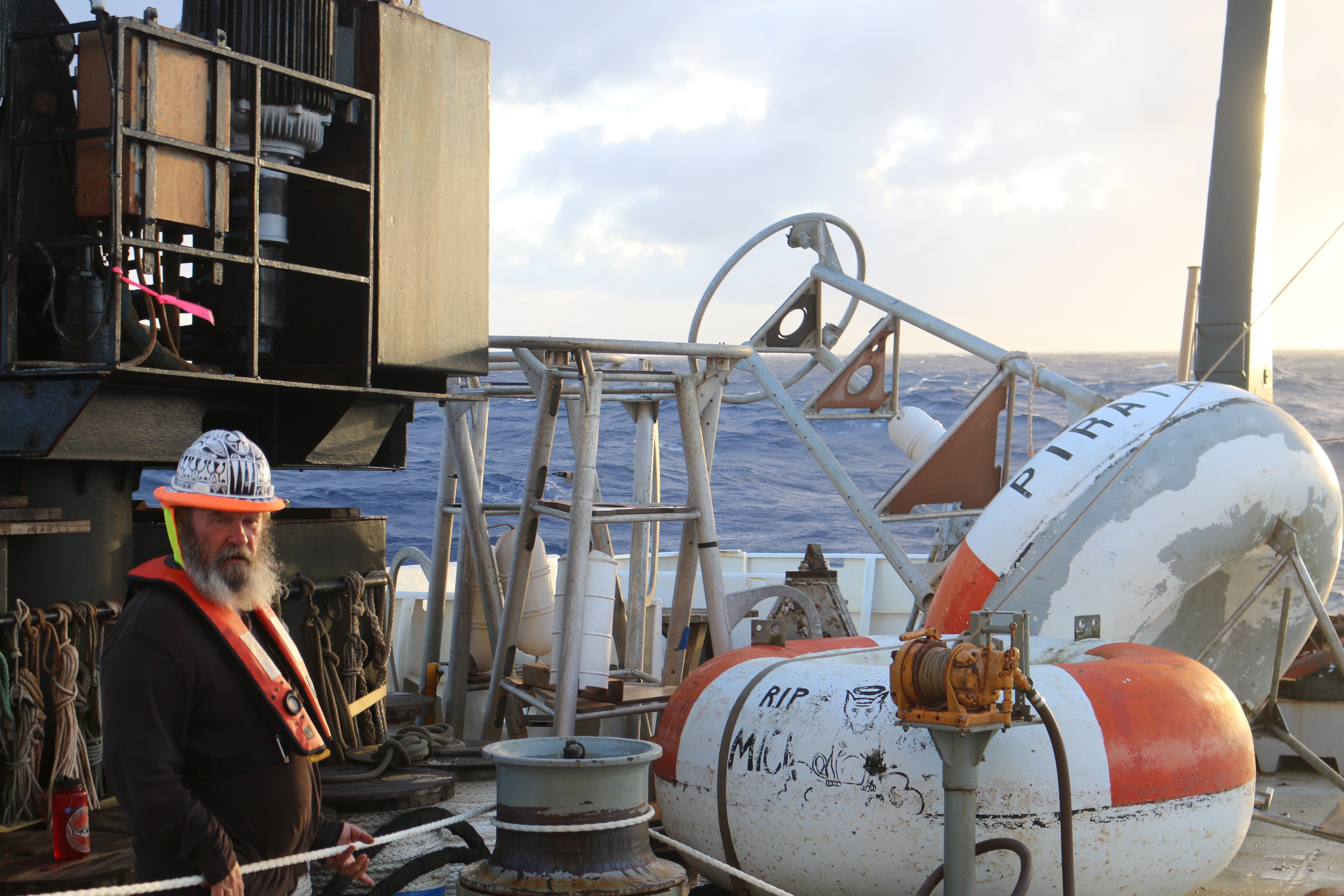
The manuscript “An enhanced PIRATA data set for tropical Atlantic ocean-atmosphere research”, by Greg Foltz, Claudia Schmid, and Rick Lumpkin, was accepted for publication in Journal of Climate. It describes a new set of daily time series (ePIRATA) that is based on the measurements from 17 moored buoys of the Prediction and Research Moored Array in the Tropical Atlantic (PIRATA).

Read Full Article

New Year, Continued Restoration and Monitoring

AOML scientists recently returned from the first cruise of 2018. As part of the South Florida Project, regional surveys over the southwest Florida shelf and the Florida Keys reef tract are routinely performed aboard the R/V F.G. Walton Smith on a bimonthly basis, to keep a watchful eye over sensitive marine habitats found in the region. Sampling methodologies include discrete sampling and flow through measurements of water quality and chemistry, and biological oceanographic parameters.

Read Full Article

Tracking Marine Debris

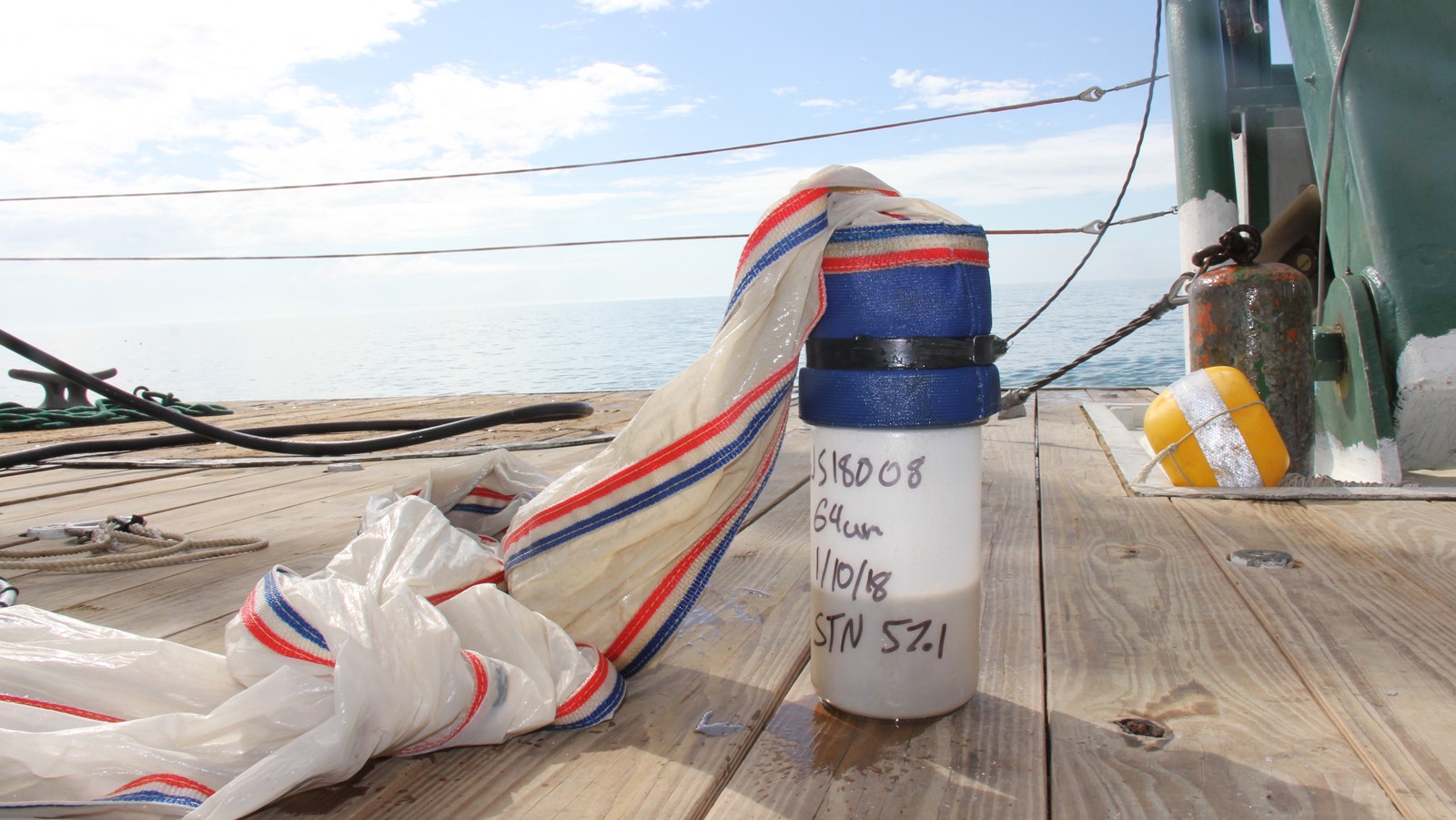
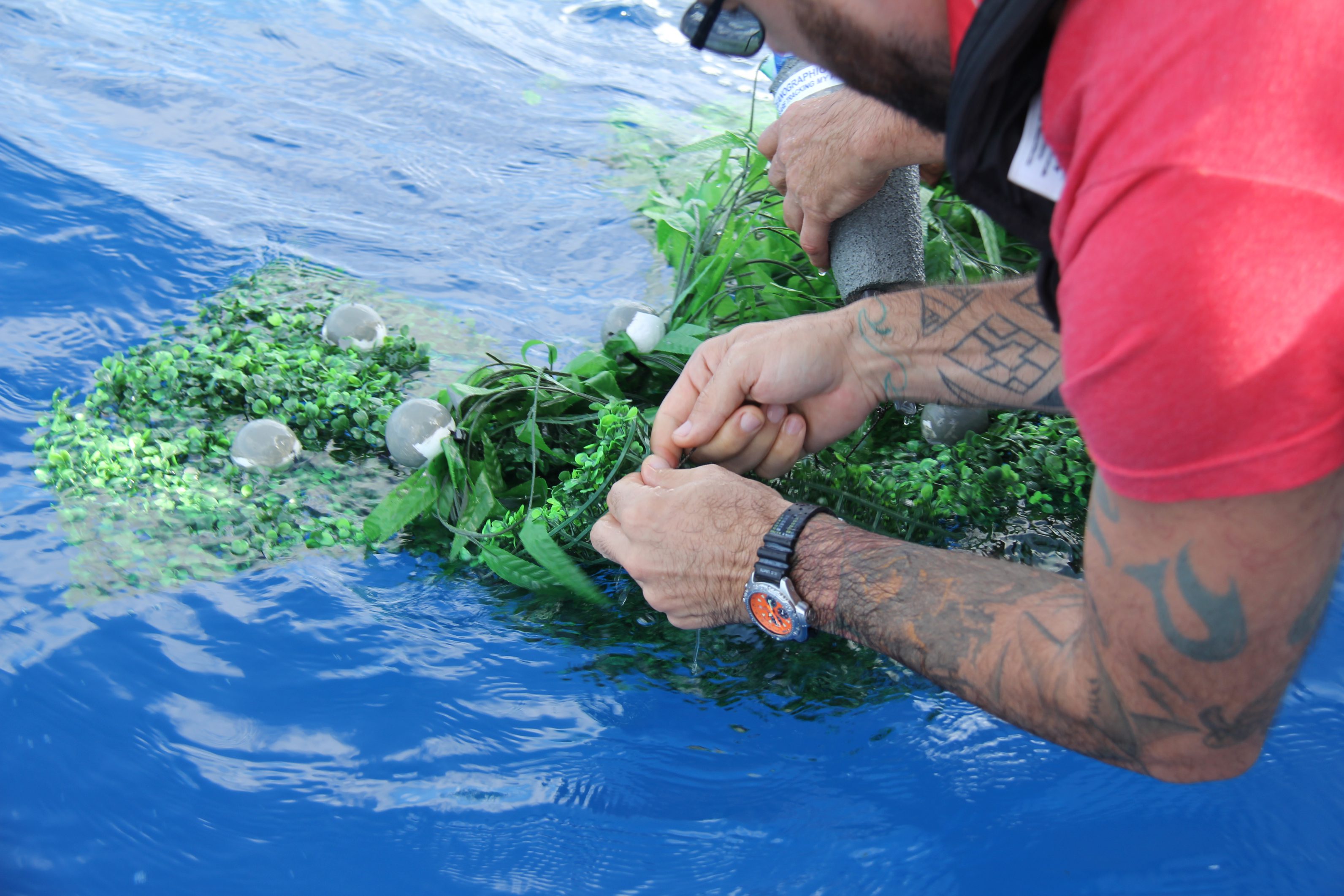
Researchers at AOML, NESDIS CoastWatch, and the University of Miami are currently exploring how the distribution of marine debris is affected by both ocean currents and wind. During a recent experiment, scientists deployed several prototype drifters in the Florida Current off the coast of Miami to simulate commonly found debris of varying weights and shapes. These drifters carry GPS transmitters that provide their location four times per day. 

Read Full Article

New Data Set to Improve Tropical Atlantic Ocean and Atmospheric Research

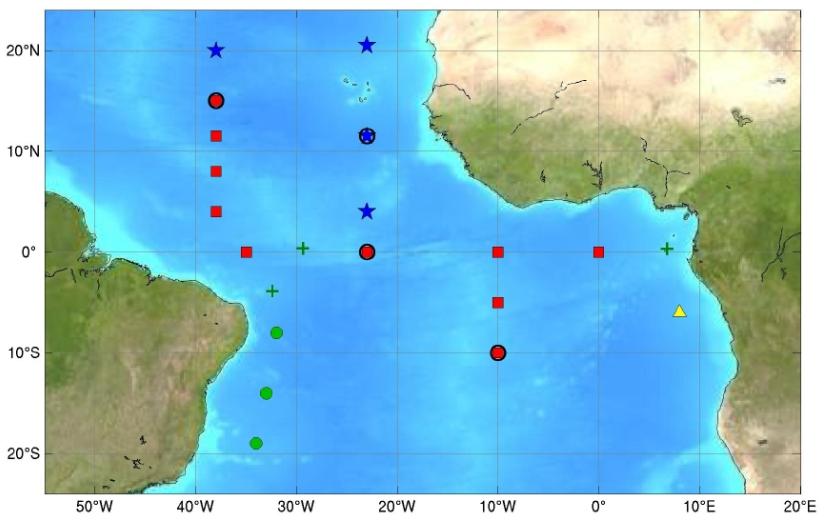
Researchers at NOAA AOML have released a new tropical Atlantic data set that includes several enhancements to improve data accuracy and data collection in the tropical Atlantic. The new data set is called enhanced PIRATA, or ePIRATA, and provides continuous records of upper-ocean temperature, salinity, and currents, together with meteorological data such as winds, humidity, and solar radiation. ePIRATA should prove valuable in better analyzing ocean and atmospheric processes in the tropical Atlantic.

PIRATA, the Prediction and Research Moored Array in the Tropical Atlantic, is a multinational observation network, established to improve knowledge and understanding of ocean-atmosphere variability in the tropical Atlantic. It is a joint project of Brazil, France and the United States of America, motivated by fundamental scientific issues and by societal needs for improved prediction of climate variability and its impact on the countries surrounding the tropical Atlantic basin. PIRATA provides measurements at 18 locations throughout the tropical Atlantic

Read Full Article

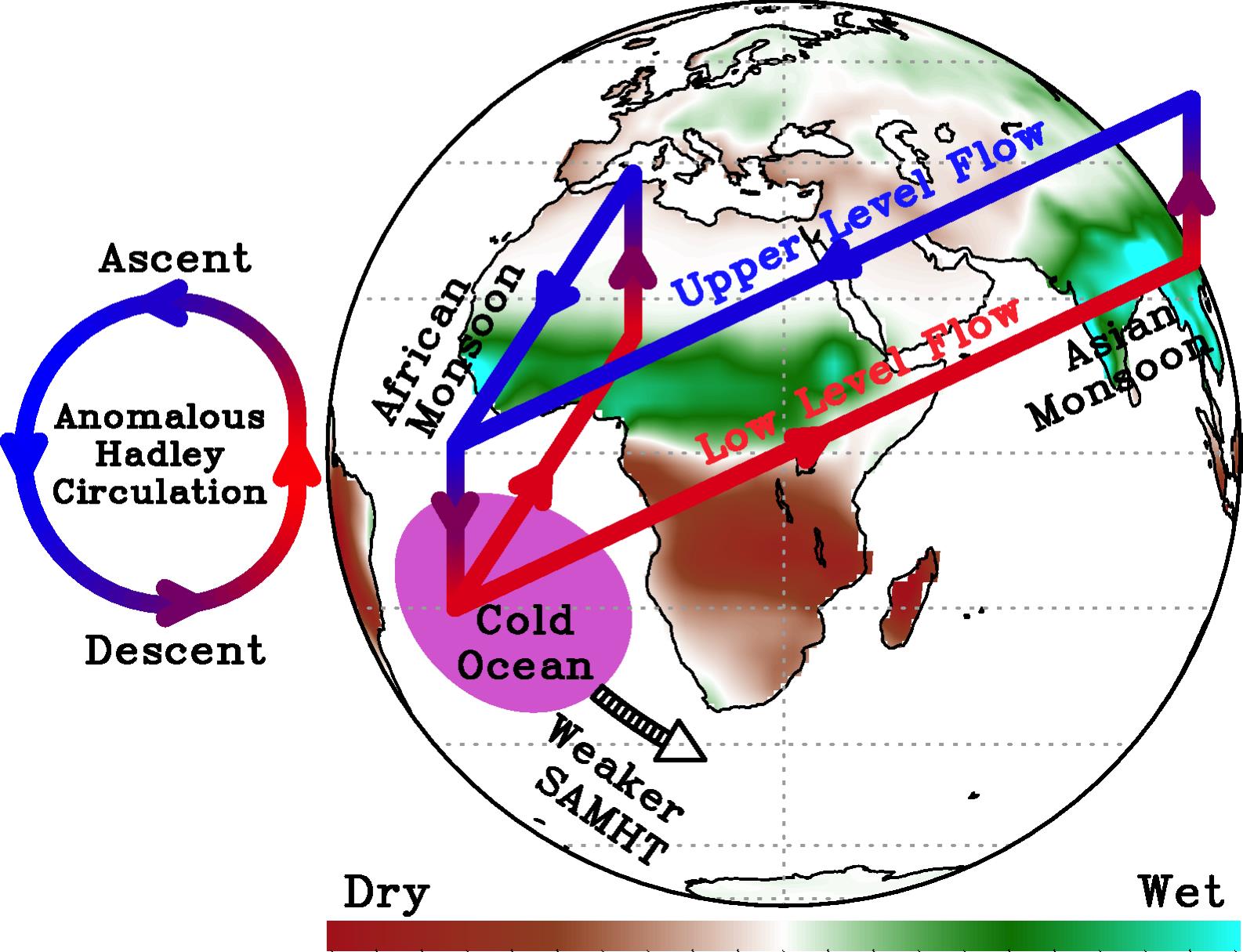
Decadal Modulations of Global Monsoons and Extreme Weather Events by SAMOC

There have been many efforts to understand the role of the Atlantic Meridional Overturning Circulation (AMOC) as a potential predictor of decadal climate variability, motivated partly by its inherent relationship with North Atlantic sea surface temperature. In contrast, there is currently limited knowledge about the underlying mechanisms that govern the South Atlantic Meridional Overturning Circulation (SAMOC) variability and how it might feedback into climate, partly due to the small number of direct observations in this ocean basin.

Read Full Article

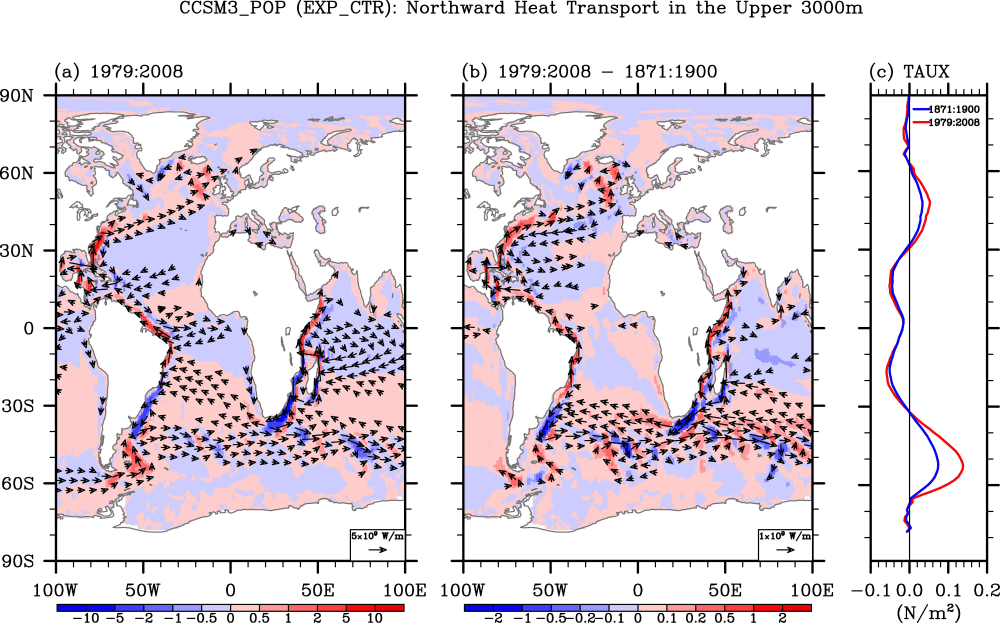
Interannual-to-Decadal Variability of the SAMOC

Recent studies have suggested the possibility of the southern origin of the Atlantic MHT anomalies. These studies have used General Circulation Models (GCMs) to demonstrate covariability between the South Atlantic MOC (SAMOC) and the Southern Hemisphere westerlies at interannual to longer time scales. However, it has been pointed out that the sensitivity of the SAMOC to the changes in the Southern Hemisphere westerlies depends critically on the representation of mesoscale eddies in those models.

Read Full Article

Satellite Tracking Provides Clues About South Atlantic Loggerhead ‘Lost Years’

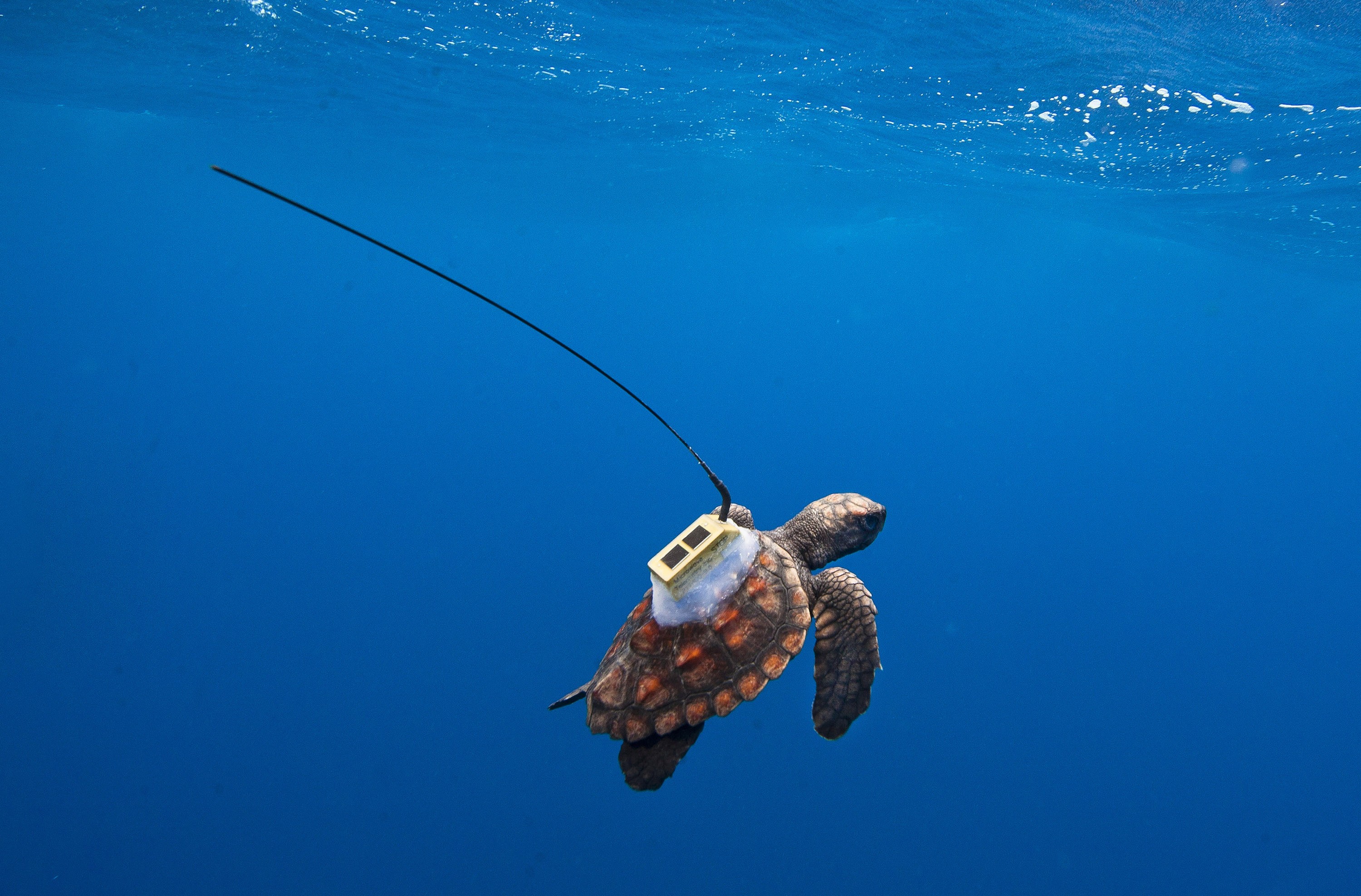
The behavior and movement of sea turtles during their first few years at sea, known as the ‘lost years’, remains largely a mystery. Researchers from NOAA-AOML, NOAA Fisheries, University of Central Florida, and Projecto TAMAR recently collaborated on a study to explore the mechanisms of dispersal in Brazilian loggerhead turtles, to fill in some of these important early life history gaps. A previous study conducted in the Gulf of America debunked the historic belief that young sea turtles rely solely on riding currents as a passive mechanism of dispersal. This latest study uncovers new drivers behind the travels of young sea turtles, suggesting there may be more of an ecological implication behind their behavior than previously realized.

Read Full Article