Spatiotemporal Variation in Coral Assemblages and Reef Habitat Complexity among Shallow Fore-Reef Sites in the Florida Keys National Marine Sanctuary

Kayelyn R. Simmons, DelWayne R. Bohnenstiehl and David B. Eggleston

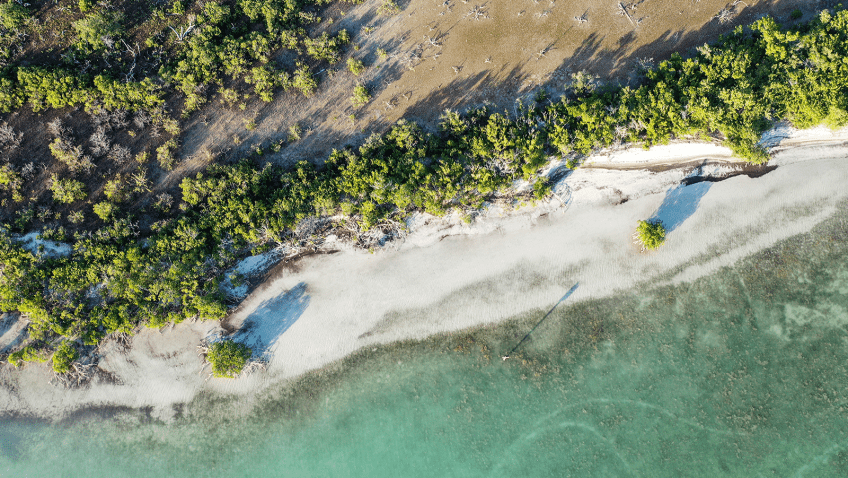
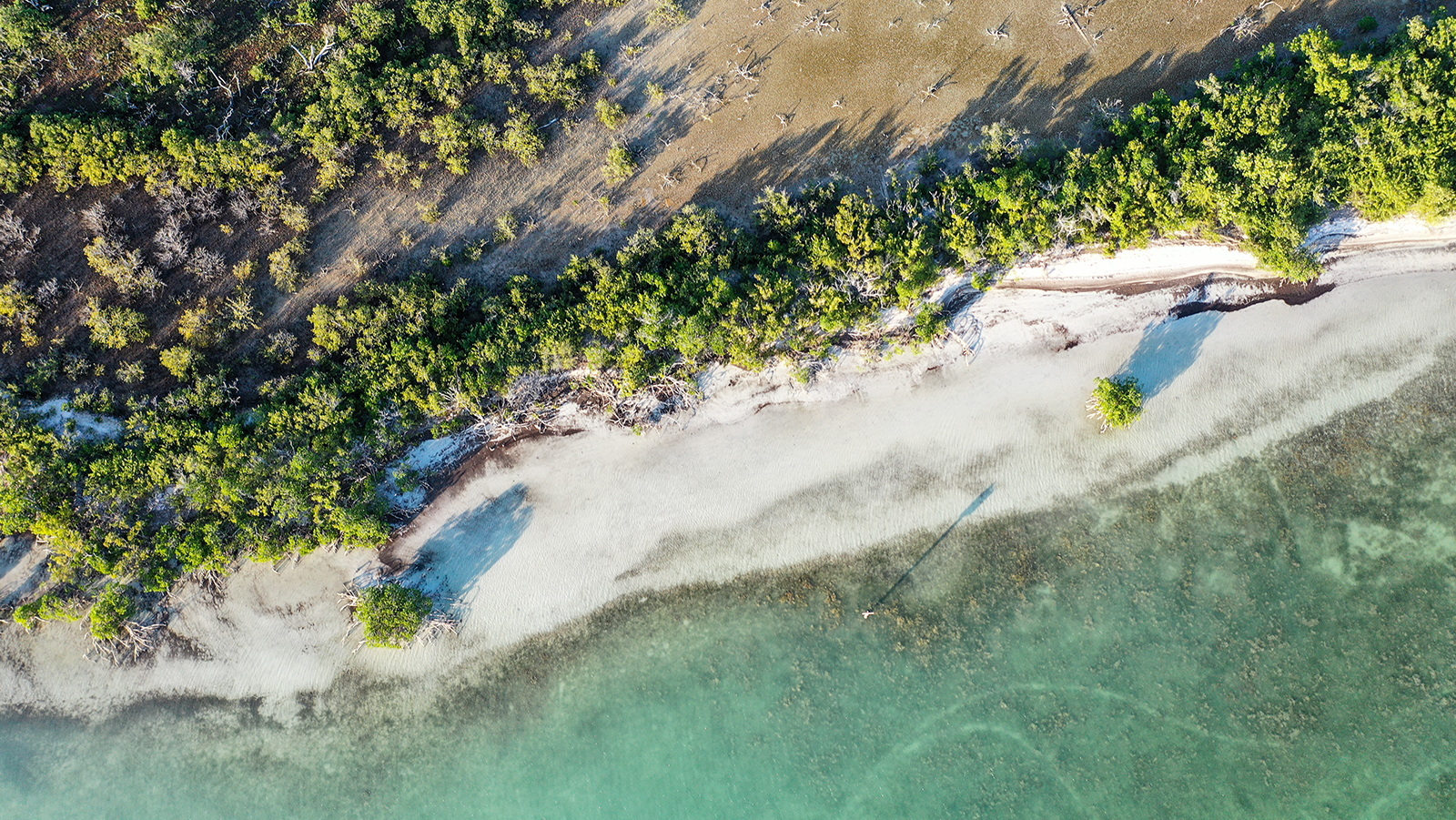
With the unprecedented degradation and loss of coral reefs at multiple scales, the underlying changes in abiotic and biotic features relevant to the three-dimensional architecture of coral reefs are critical to conservation and restoration. This study characterized the spatiotemporal variation of habitat metrics at eight fore-reef sites representing three management zones in the Florida Keys, USA using visual habitat surveys (2017–2018) acquired before and after Hurricane Irma. Post-hurricane, five of those sites were surveyed using structure-from-motion photogrammetry to further investigate coral morphology on structural complexity. Multivariate results for visual surveys identified moderate separation among sites, with fished sites characterized by complex physical features such as depth and vertical hard relief while protected sites generally harbored high abundances of live coral cover.

Download the Full Paper: https://doi.org/10.3390/d14030153
Read Full Article

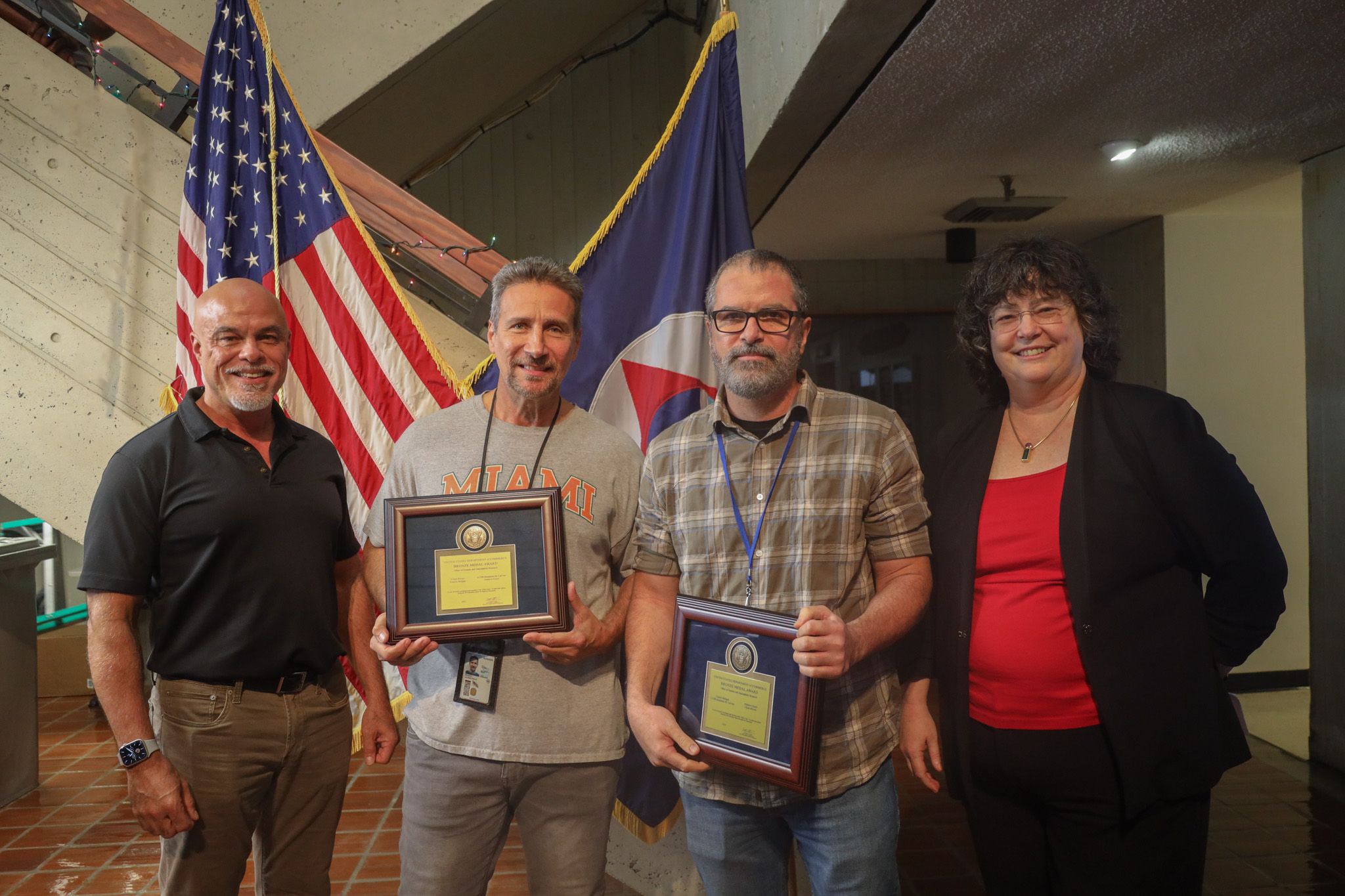
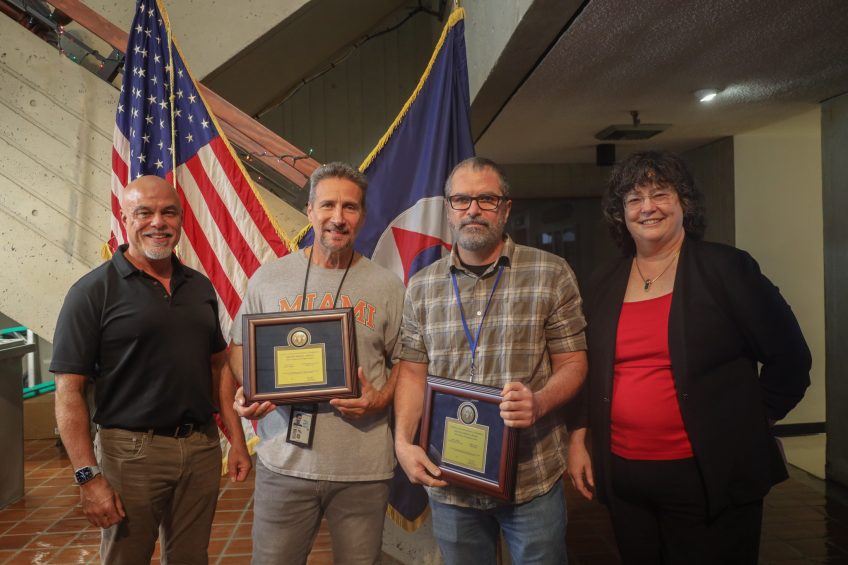
AOML awarded for exceptional science and communications accomplishments

AOML scientists, staff, and team members were recognized this year for their outstanding contributions and dedication to NOAA’s mission. The following individuals and teams are recipients of prestigious awards that acknowledge their dedication to sharing our mission and initiatives with the community, fostering deeper connections and leaving a lasting, positive impact on the lives of those we […]

Read Full Article

2023 Global Carbon Budget Report Emphasizes Urgent Need to Reduce Global Emissions

According to the newest Global Carbon Budget report, global emissions continue to rise and must be significantly reduced to meet global climate targets and avoid severe and deleterious effects of climate change. In 2023, atmospheric carbon dioxide (CO2) concentrations are expected to reach 419.2 ppm, an estimated 51% above pre-industrial levels, with 36.8 billion metric [...]
Read Full Article

NOAA Pioneers New Ways to Advance Hurricane Forecasting

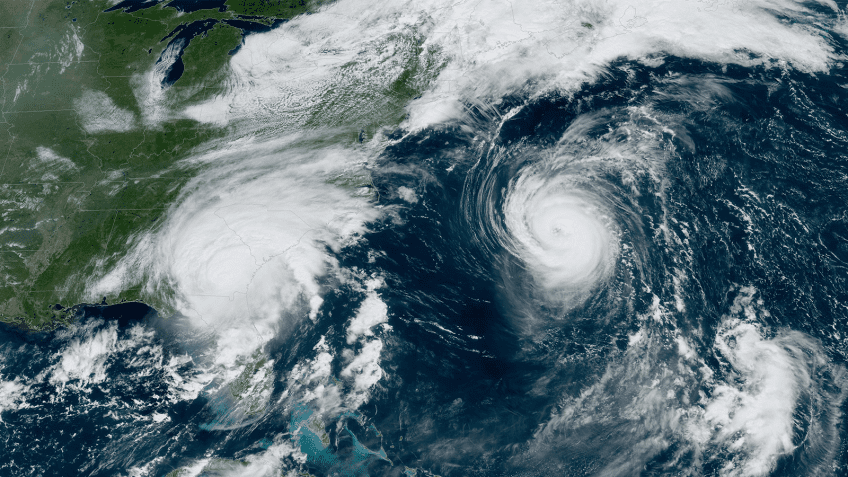
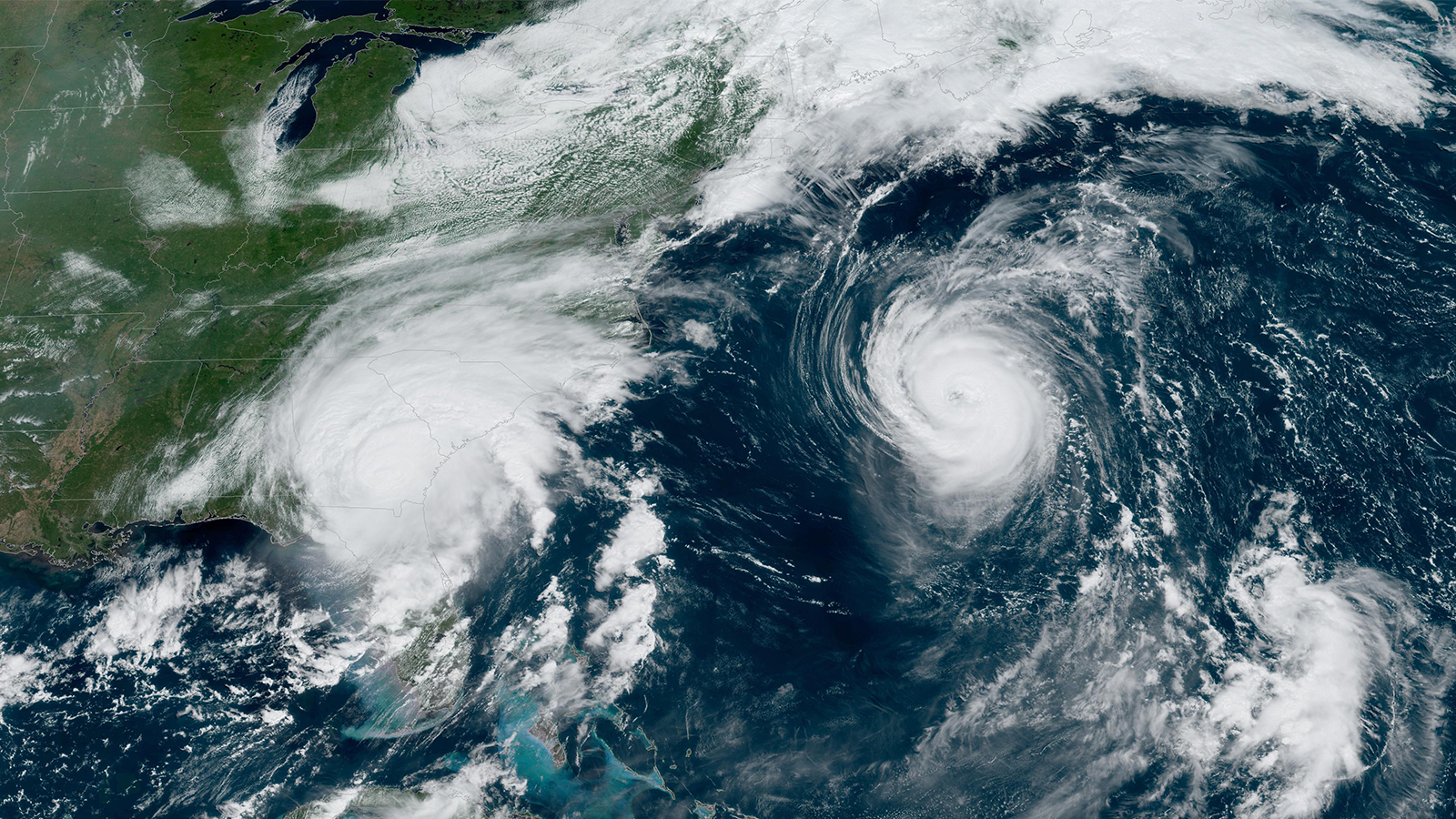
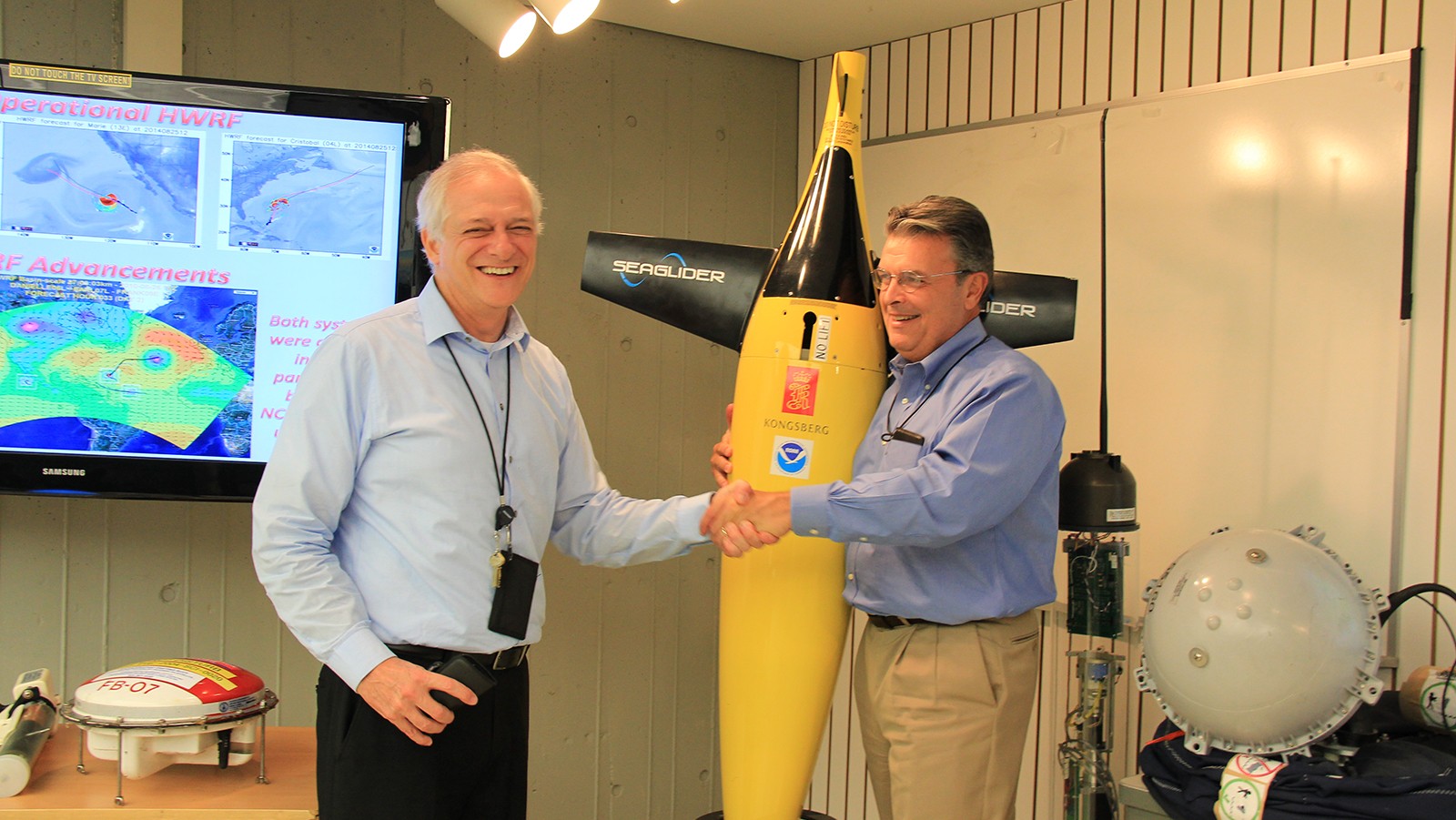
November 30th marks the official end to the 2023 Atlantic hurricane season. Scientists and forecasters from across NOAA pushed boundaries as they worked throughout this active season to conduct crucial tropical cyclone research that will strengthen our ability to forecast future tropical cyclone development and better protect those most affected.

Read Full Article

Failing Upwards: Developing an Autonomous Surface Vehicle to Advance ‘Omics Research 

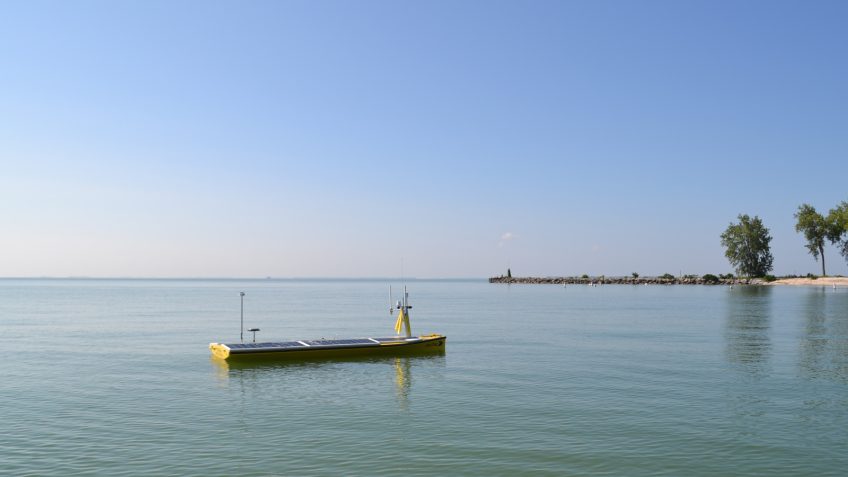
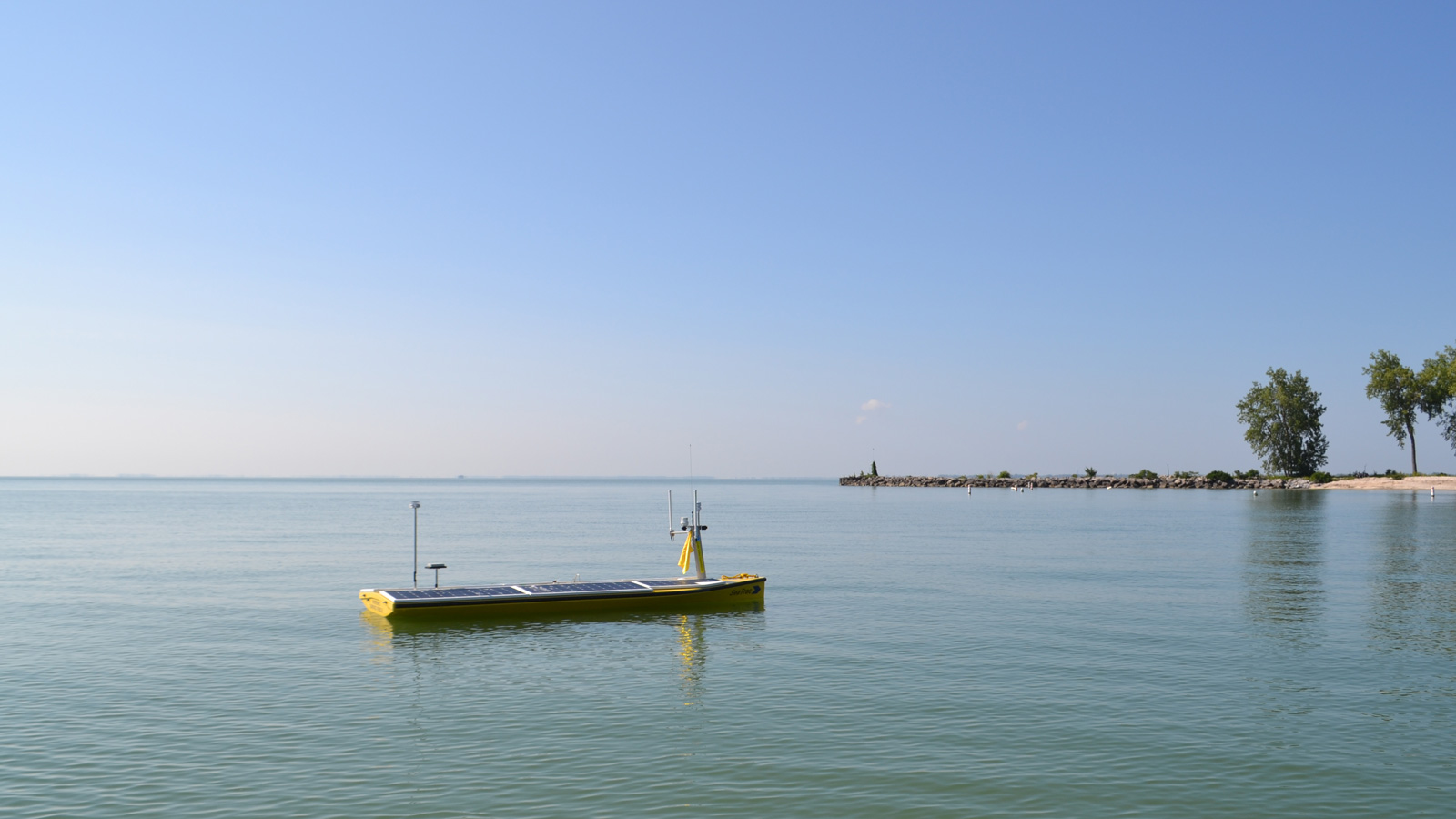
For engineers and scientists, sometimes failure means progress. When developing a new technology, the process is to field test, fail, tweak, and test again, each time failing a little less and learning what does and does not work until – finally – they get it right. On August 5, 2023, scientists from NOAA’s Great Lakes […]

Read Full Article

A Bold and Unprecedented New Effort to Tackle the Vast Threats to Marine Ecosystems

NOAA announced $4.2 million in funding awarded to a collaborative project entitled the Florida Regional Ecosystems Stressors Collaborative Assessment (FRESCA), co-led by NOAA’s Atlantic Oceanographic & Meteorological Laboratory (AOML) and the University of Miami, and involving seven different academic and research institutions.

Read Full Article

Fifth National Climate Assessment

The new National Climate Assessment report finds that the impacts of weather extremes — exacerbated by climate change — are far-reaching across every region of the United States. However, the report also finds that rapidly reducing greenhouse gas emissions and accelerating adaptation can limit further warming and protect lives and property from many climate risks. [...]
Read Full Article

AOML Oceanographer, Dr. Gustavo Goni, Retires After Over 25 Years of Federal Service 

After over 25 years of federal service as a physical oceanographer, we celebrate the career of Dr. Gustavo Goni as he retires from NOAA’s Atlantic Oceanographic and Meteorological Laboratory (AOML). Gustavo began his career at AOML in 1991 when he accepted a Research Associate position with the University of Miami’s Cooperative Institute of Marine and Atmospheric Studies. Gustavo began his federal career with NOAA in 1997 as an oceanographer with the Physical Oceanography Division of AOML. In May 2009, he became the Director of the Division, a position he held until March 2021.

Read Full Article

NOAA Measures Hurricane Tammy from Satellites through the Sea

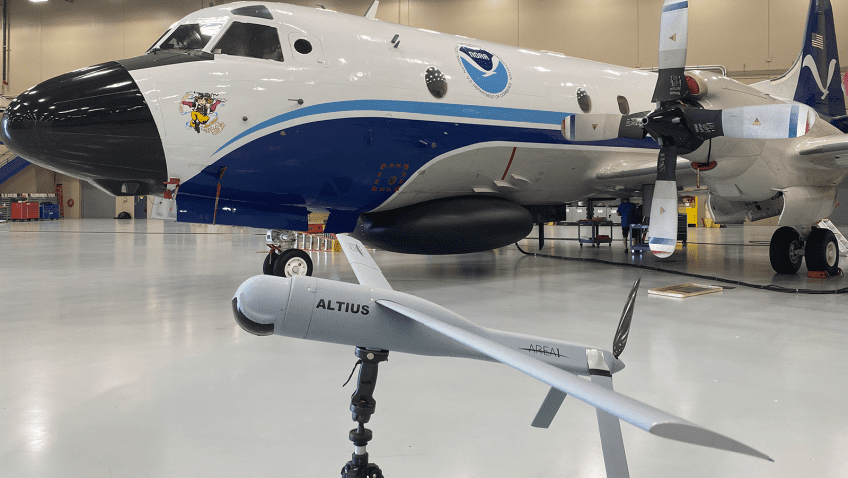
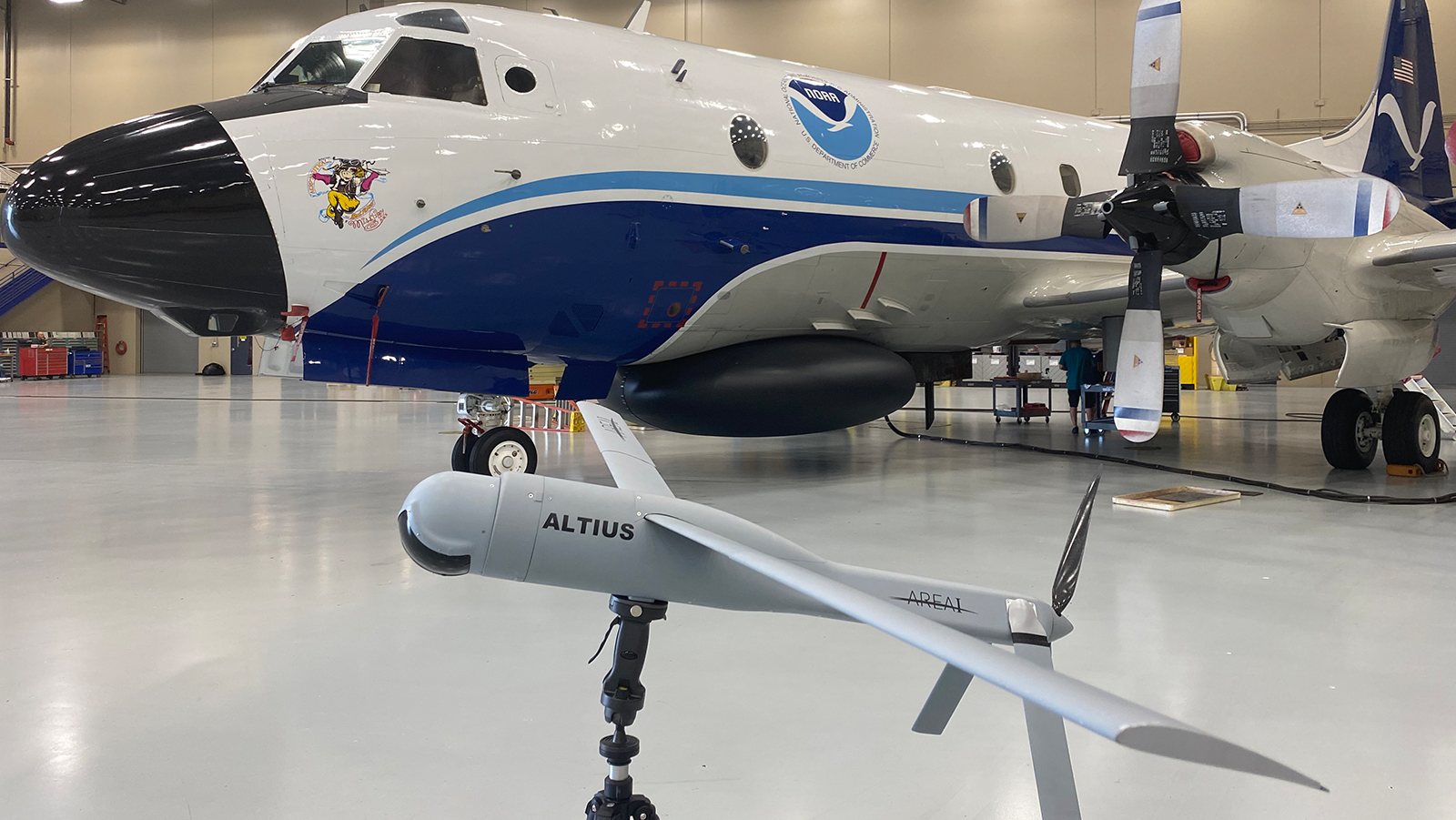
NOAA hurricane researchers successfully deployed a new uncrewed aircraft system (UAS) into Tropical Storm Tammy (2023) near an uncrewed surfance vehicle, saildrone, to measure parts of the storm too dangerous for humans to go. The Altius 600 UAS was launched from the NOAA WP-3D Orion Hurricane Hunter aircraft by scientists from NOAA’s Atlantic Oceanographic and Meteorological Laboratory during missions into the storm in coordination with the saildrone researchers and pilots.

Read Full Article

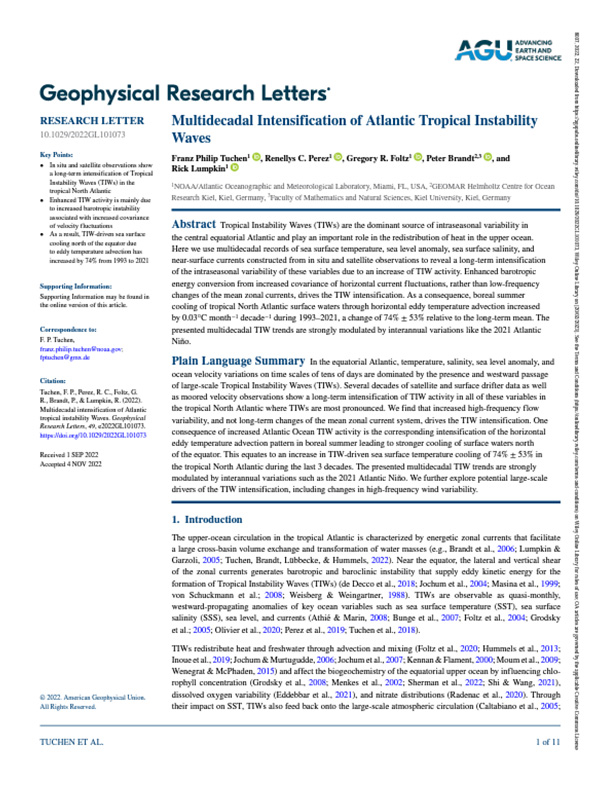
Multidecadal Intensification of Atlantic Tropical InstabilityWaves

Tuchen, F. P., Perez, R. C., Foltz, G. R., Brandt, P., & Lumpkin, R. (2022). Multidecadal intensification of Atlantic tropical instability waves. Geophysical Research Letters, 49(22), e2022GL101073.

Abstract: In the equatorial Atlantic, temperature, salinity, sea level anomaly, and ocean velocity variations on time scales of tens of days are dominated by the presence and westward passage of large-scale Tropical Instability Waves (TIWs). Several decades of satellite and surface drifter data as well as moored velocity observations show a long-term intensification of TIW activity in all of these variables in the tropical North Atlantic where TIWs are most pronounced. We find that increased high-frequency flow variability, and not long-term changes of the mean zonal current system, drives the TIW intensification. One consequence of increased Atlantic Ocean TIW activity is the corresponding intensification of the horizontal eddy temperature advection pattern in boreal summer leading to stronger cooling of surface waters north of the equator…

Read Full Paper.

Read Full Article